





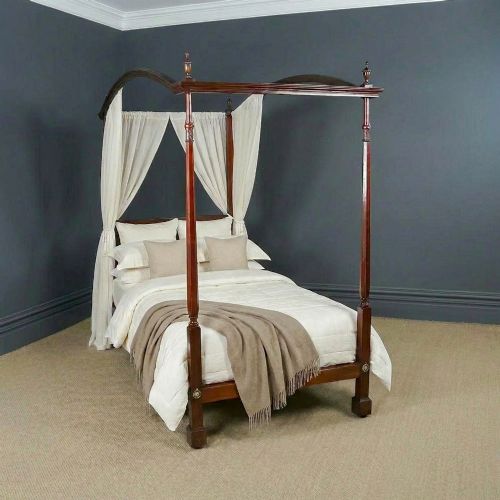
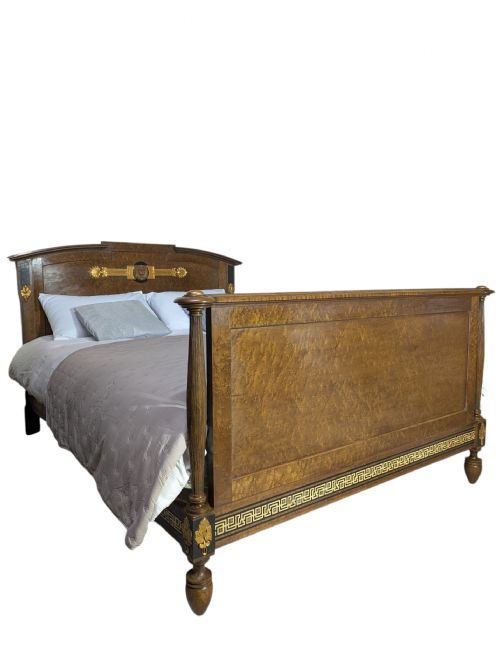


Vintage Timber Bedstead
A vintage timber bedstead brings substantial character to a bedroom, offering solid construction and period presence that modern frames simply lack.
Vintage Timber Bedstead
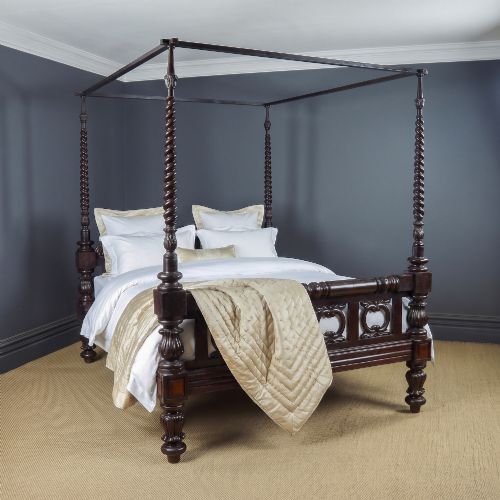
A vintage timber bedstead is a substantial sleeping frame fashioned from woods such as walnut, mahogany, and burr walnut across various historical periods. These pieces range from single proportions and miniature furniture to grand double and king-sized frames built for domestic chambers.
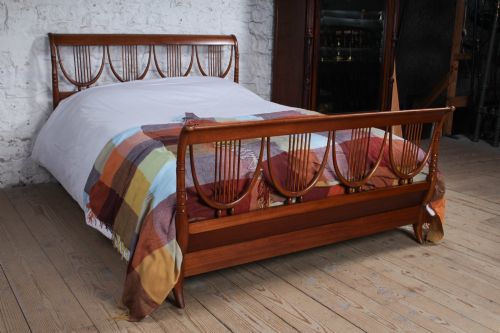
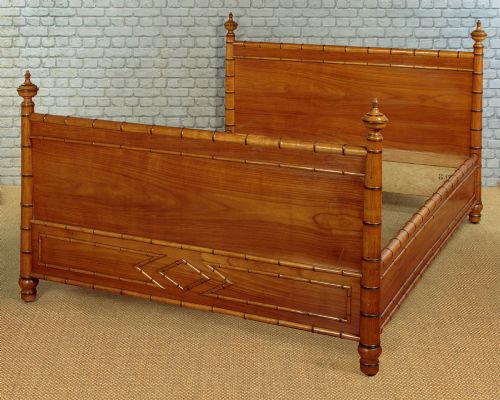
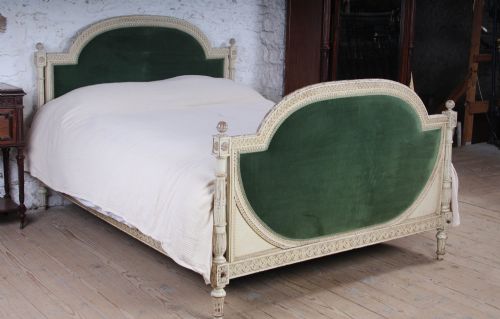
The selections available here span diverse decorative movements, including Edwardian, Victorian, Art Deco, Arts and Crafts, and French provincial styles. Walnut emerges as a dominant material, appearing alongside cherry, fruitwood, satinwood, and sweet chestnut in both plain and highly carved formats.
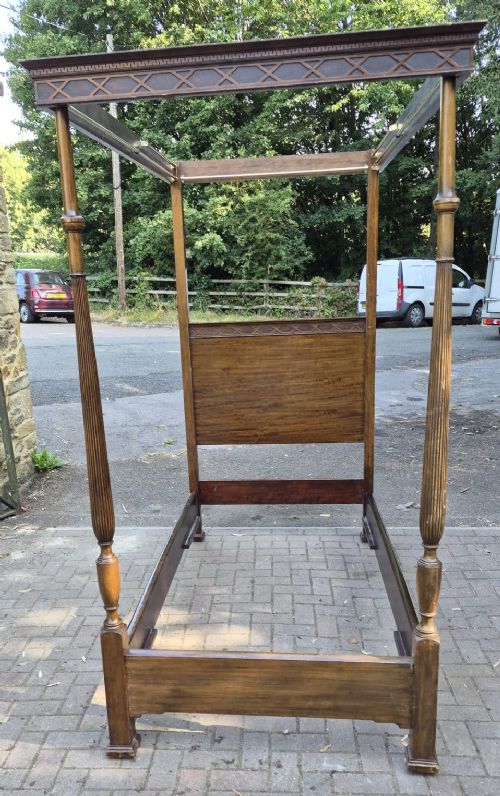
Buyers encounter everything from straightforward nineteenth-century European bedsteads to elaborate four-poster designs and caned frameworks. Proportion and timber choice dictate the visual weight of each frame within a modern bedroom scheme.
How they were made
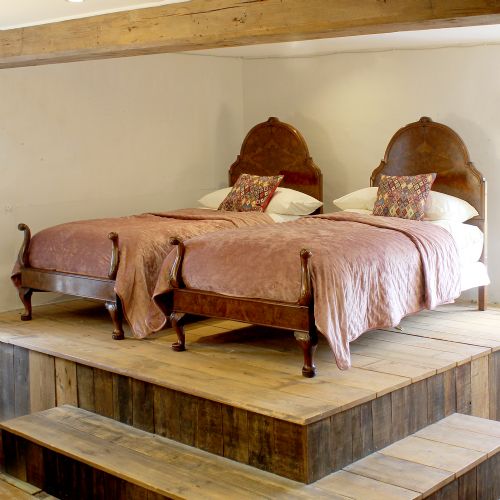
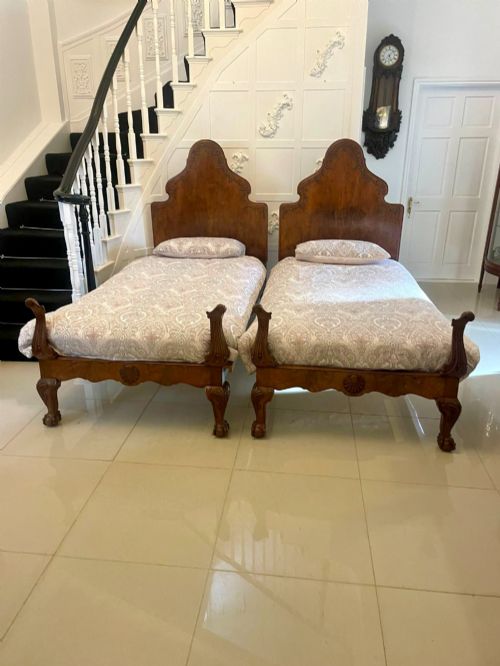
Cabinetmakers utilised dense hardwoods like mahogany and walnut, frequently selecting burr walnut veneers to create striking grain patterns on headboards and footboards. Solid timber construction provided the necessary structural integrity for large bed frames before mass-manufactured metals became standard.
Decoration relied on skilled carving, turned columns, and contrasting veneers rather than applied ornamentation. Iron components occasionally reinforced internal joints or supported caned panels within wooden frameworks.
Vintage Timber Bedstead Retail Price Guide 2026
Typical asking prices for vintage timber bedstead among the pieces listed under this phrase on Sellingantiques today, from the lower quarter to the upper quarter. They describe what is for sale here now, not the wider market.
Listings feature timber bedsteads spanning from the Victorian era through the Art Deco period, constructed in walnut, mahogany, and painted wood.
What varies in quality
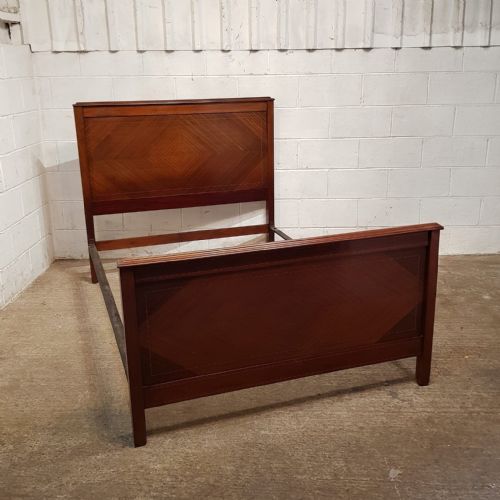
Quality rests primarily in the selection of the timber and the depth of the cabinetmaking skills employed on the visible panels. Matched veneer bookmatching on burr walnut surfaces elevates a standard frame into an exceptional piece of bedroom furniture.
The integrity of the structural joints and the crispness of any hand-carved mouldings separate ordinary production beds from workshop-attributed items. Original hardware and intact upholstery frames also influence the desirability of period pieces.
Stanley Webb Davies·Oliver Morel·Heals of London·Betty Joel
The Vintage Timber Bedstead Glossary
- Bedstead
- A framework of wood or metal designed to support a mattress and bedding. This term typically emphasises the structural uprights and head and foot boards.
- Burr Walnut
- A prized timber veneer taken from the wart-like growths on walnut trees. It yields complex, swirling grain patterns highly sought after for decorative furniture panels.
- Four Poster
- A bed featuring four vertical columns rising from each corner to support an upper canopy frame. These architectural pieces often incorporate detailed cornices or drapery rails.
- Half Tester
- A bed style featuring a partial canopy extending only over the head portion of the frame. This form provides the presence of a tester bed without dominating the room.
- Arts and Crafts
- A design movement prioritising traditional craftsmanship and simple forms over mass production. Pieces from this tradition display honest construction and visible grain.
Vintage Timber Bedstead: Frequently Asked Questions
Will an antique bedstead fit standard modern mattresses?
Many older bedsteads were constructed to historical dimensions that differ slightly from contemporary standard sizes. Checking the internal length and width measurements before purchase ensures proper alignment with modern bases.
Some frames accommodate standard sizes comfortably, whilst others require bespoke mattress solutions or subtle internal adjustments to fit modern slats and supports.
How do I care for a walnut bed frame?
Maintaining walnut timber involves dusting regularly with a soft, dry cloth and avoiding placement near direct heat sources or strong sunlight. These precautions prevent the wood from drying out and protect the delicate surface veneers.
Periodic application of appropriate furniture wax helps nourish the timber and preserves the natural lustre of the polished grain without sealing the wood.
Are these beds easy to dismantle for transport?
Most antique wooden bedsteads utilise traditional bolt-in rail systems or slot-together joints designed for straightforward dismantling. This modular construction allowed large furniture to move easily between rooms and properties.
Having two people handle the disassembly ensures that wooden tenons and decorative carved joints remain undamaged during transit and reassembly.
How can I distinguish Edwardian pieces from Victorian ones?
Victorian bedsteads often feature heavier proportions, darker finishes, and more exuberant carved ornamentation reflecting nineteenth-century taste. Walnut and mahogany were frequently chosen for their dark, formal tones during this era.
Edwardian designs tend to display lighter proportions, simpler lines, and occasional influences from earlier Georgian or Sheraton revivals. The introduction of satinwood and brighter polished finishes also marks this later period.