




Vintage Tilt Top Stand
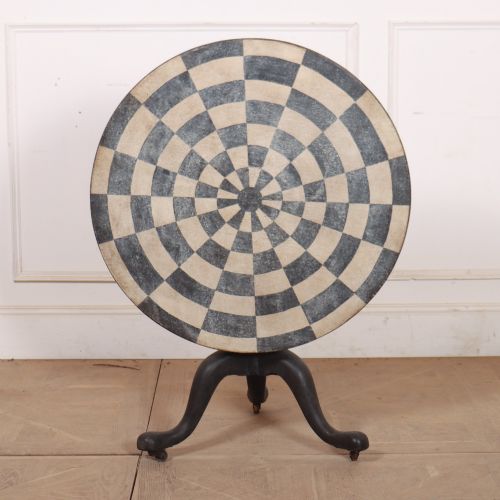
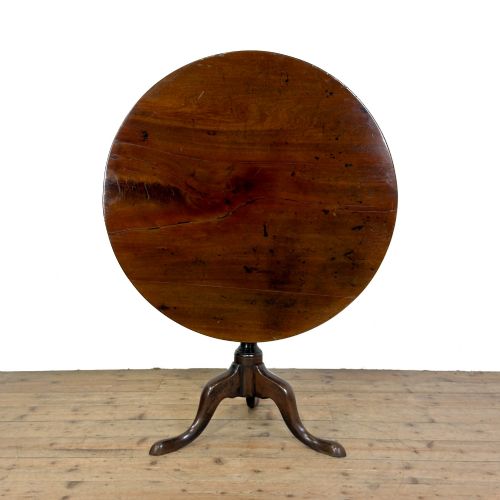
A vintage tilt top stand combines a clever folding mechanism with a sturdy tripod base, offering practical display space that tucks away easily when not in use.
Vintage Tilt Top Stand
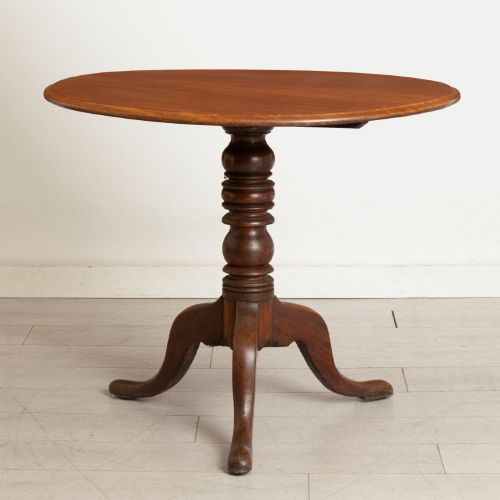
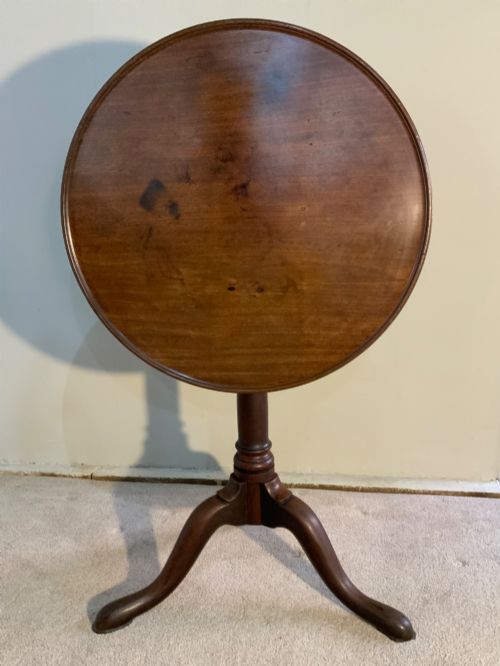
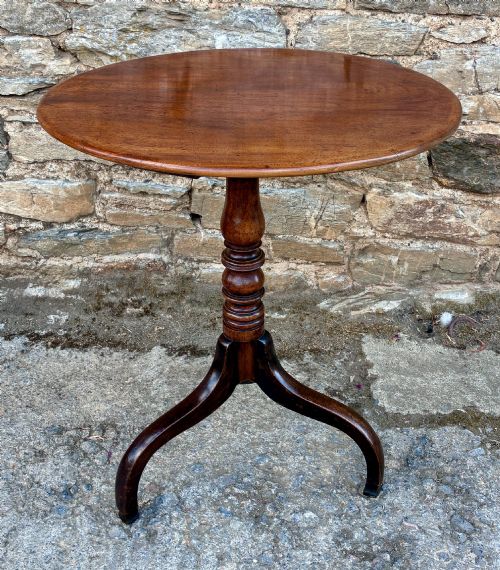
A vintage tilt top stand generally takes the form of an occasional or wine table supported by a central pillar and three legs, designed to save floor space through a hinged top mechanism. These pieces frequently date from the Georgian, Regency, and nineteenth-century periods, with mahogany being the dominant timber encountered.
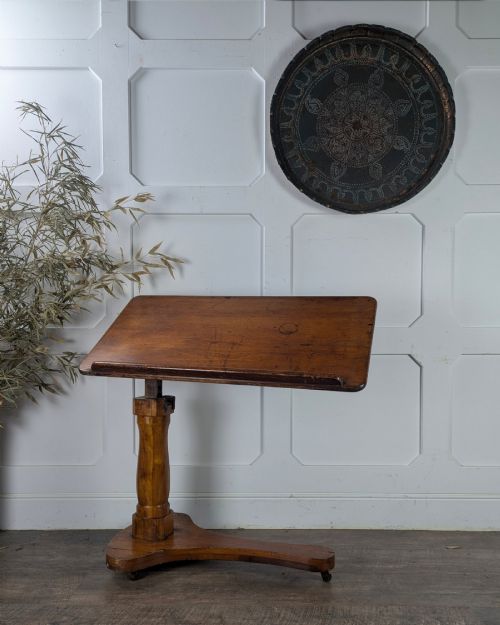
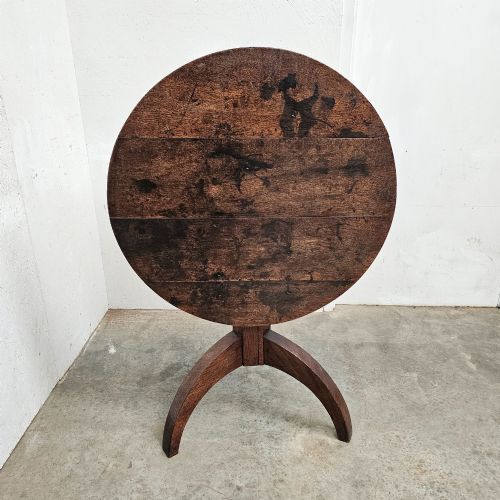
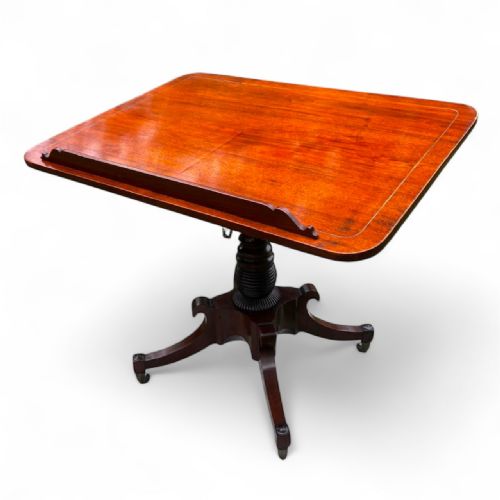
Beyond standard wine and occasional tables, the selection includes reading tables, lecterns, and dressing table mirrors that utilise similar pivoting or adjustable designs. Examples range from simple rustic pine and oak constructions to finely finished George III supper tables featuring pie crust edges or birdcage actions.
Origins vary from English workshops to North Indian production using padauk, demonstrating how versatile the form proved across different regions. Buyers will also find specialised items such as adjustable music tables and cast iron mobility aids, expanding the traditional definition of the stand.
Materials and construction methods
Timber selection centres heavily on mahogany, alongside oak, walnut, padauk, and pine, chosen for both durability and grain figure. Cabinetmakers turned central pedestals on lathes and shaped tripod legs to balance the weight of the pivoting top above.
Metal components such as brass latches, hinges, and inlays appear on specific reading and music tables to facilitate smooth adjustment. Painted finishes and cast iron elements also feature on select nineteenth-century and Edwardian utility pieces.
The characteristic tilt mechanism relies on a catch or birdcage framework that allows the surface to lock flat for use or swing vertically against the pillar for storage.
Listings feature mahogany predominantly, alongside oak, pine, walnut, and padauk, spanning the Georgian, Regency, and Edwardian eras.
Factors determining quality
Quality rests significantly on the crispness of the timber carving, particularly on tripod legs and moulded edges like pie crust tops. The stability of the pivot mechanism when locked in the horizontal position also distinguishes finer examples from simpler utilitarian items.
The choice of materials plays a role, with dense timbers like mahogany and padauk showing superior joinery and longevity compared to softer secondary woods. Refined details, such as brass inlay work or sophisticated birdcage actions, separate standard production from superior pieces.
The Vintage Tilt Top Stand Glossary
- Tripod table
- A small freestanding table supported by a central pillar resting on three legs. This design became immensely popular during the eighteenth century for serving wine or tea.
- Tilt-top
- A table top mounted on a hinge mechanism that allows it to rotate and lock vertically. This permits the furniture to be stored flat against a wall when not in use.
- Birdcage
- A rotating wooden framework fitted beneath a table top that allows it to both tilt and revolve. It represents a mark of higher-end Georgian cabinetmaking.
- Pie crust edge
- A decorative raised rim carved into a circular table top with undulating curves resembling pastry work. It helps prevent items from sliding off when the surface is tilted.
- Padauk
- A dense tropical hardwood with a rich reddish-brown colour used in Anglo-Indian and colonial furniture. It offers exceptional durability and a fine grain.
Vintage Tilt Top Stand: Frequently Asked Questions
What is a tilt top stand used for?
These pieces served traditionally as temporary serving surfaces for wine or tea during evening gatherings in the parlour.
Today, they function well as compact side tables that can be folded flat and stored out of the way when floor space is needed.
How do I identify a Georgian tilt top?
Look for elegant proportions, turned mahogany pedestals, and tripod legs terminating in pad, snake, or claw-and-ball feet.
Finer examples may incorporate a birdcage mechanism beneath the top, allowing the surface to both pivot and rotate independently.
How do I care for a vintage wooden top?
Keep the wood away from direct heat sources and strong sunlight to prevent the timber from drying out and warping over time.
Apply a traditional wax polish occasionally to nourish the grain and maintain the natural lustre of the finished surface.