
Vintage Textile Hanging
A vintage textile hanging brings texture, history and narrative to a room through woven and embroidered panels originating from diverse global traditions.
Vintage Textile Hanging
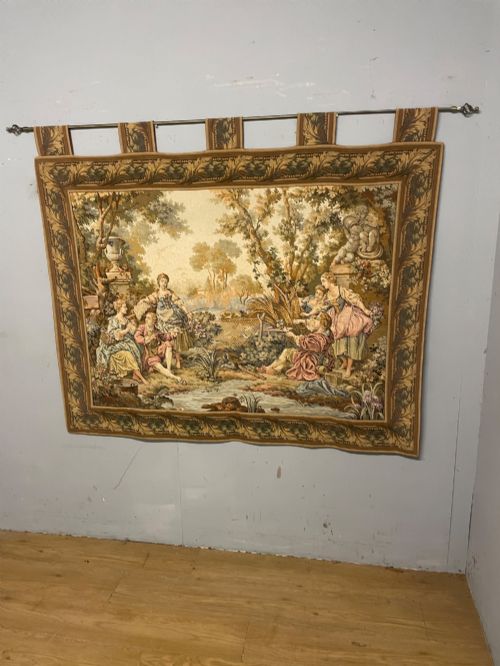
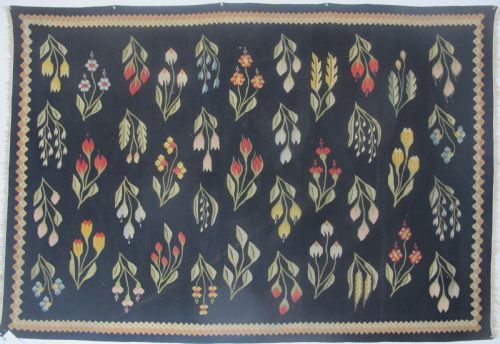
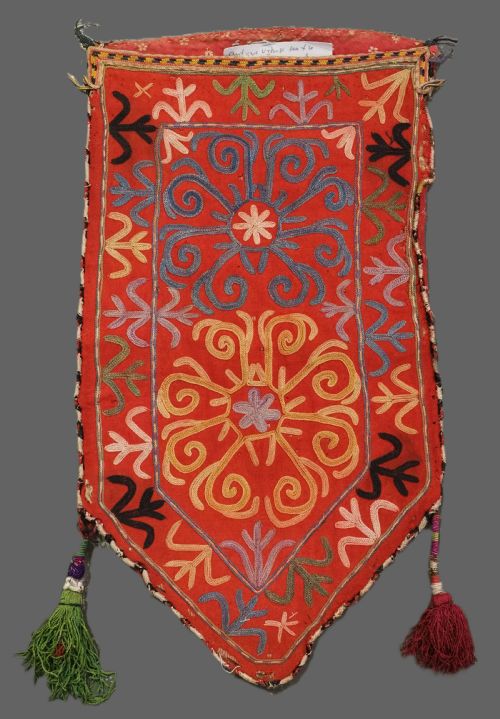
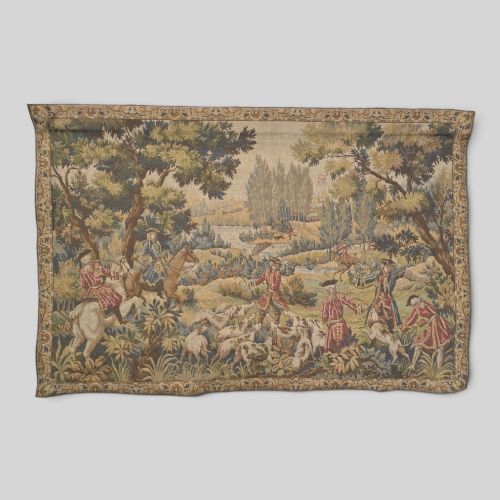
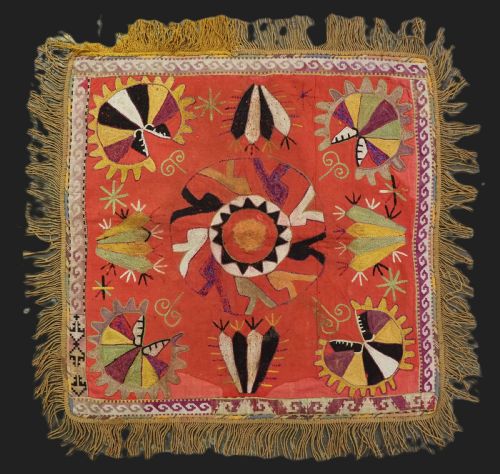
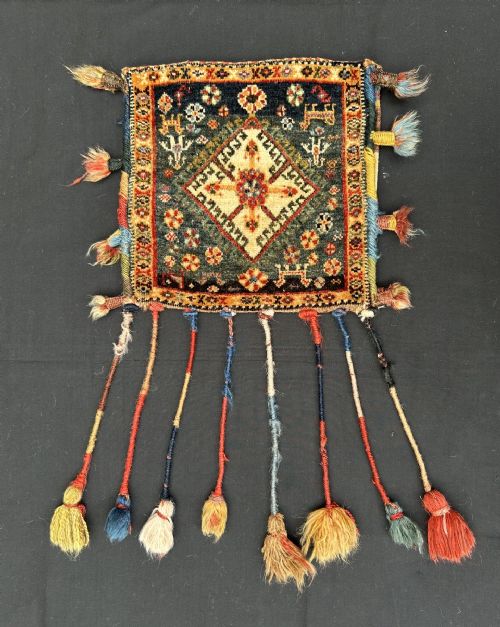
A vintage textile hanging encompasses a diverse range of fabric artefacts, from Central Asian Suzanis and tribal bagfaces to European tapestries. When exploring this selection, buyers encounter works created for domestic decoration, ceremonial use or traditional daily life.
The objects span multiple centuries, with significant representation from the nineteenth and early twentieth centuries. Regional origins stretch from Central Asia and Persia to India, Morocco and Europe, reflecting distinct cultural aesthetic values.
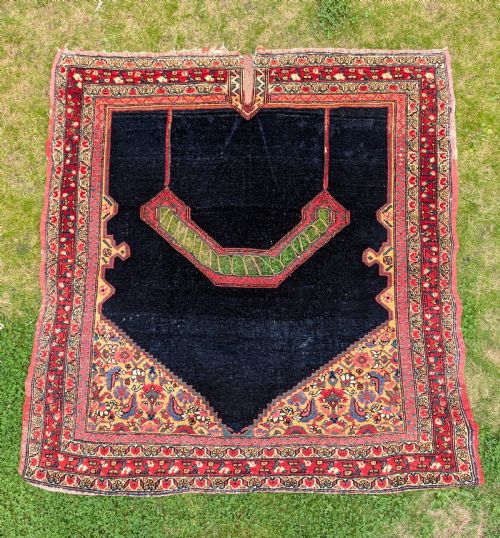
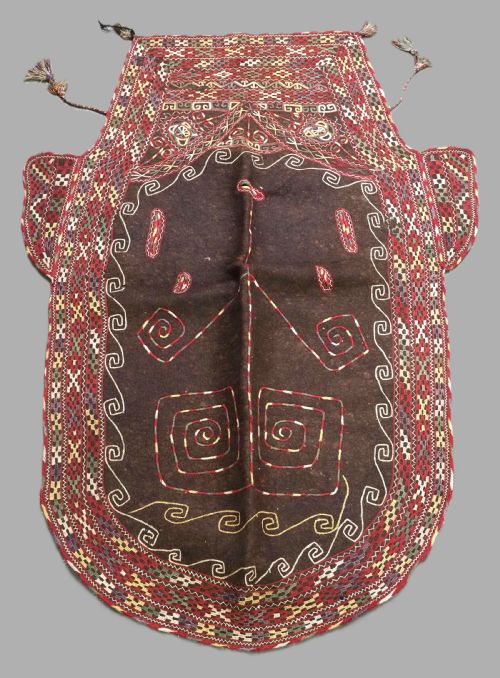
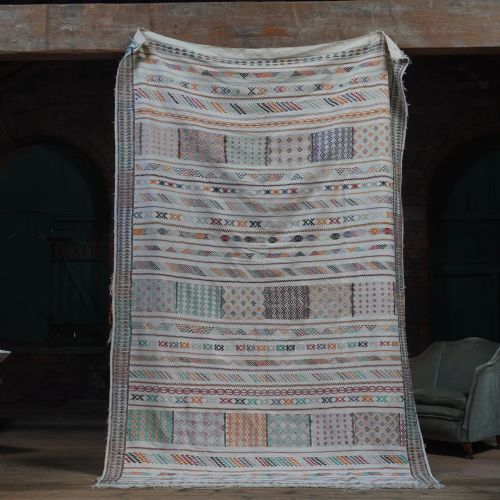
Forms vary widely between utilitarian items repurposed for display, such as saddle covers and horse blankets, and pieces made intentionally as wall art. Tribal weaving traditions sit alongside formal embroidered panels and framed pictorial works.
Materials and construction methods
Makers utilised natural fibres including wool, cotton, silk, linen and sabra cactus silk, often dyed with traditional natural colorants. Hand-spun wool provides the durable foundation for many tribal rugs, bags and ceremonial horse blankets.
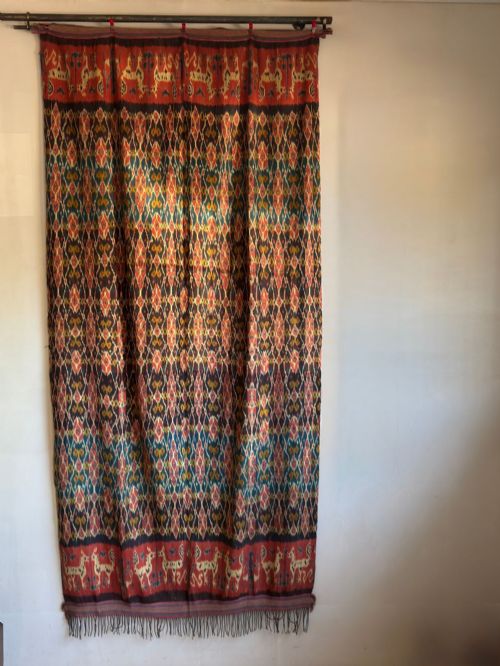
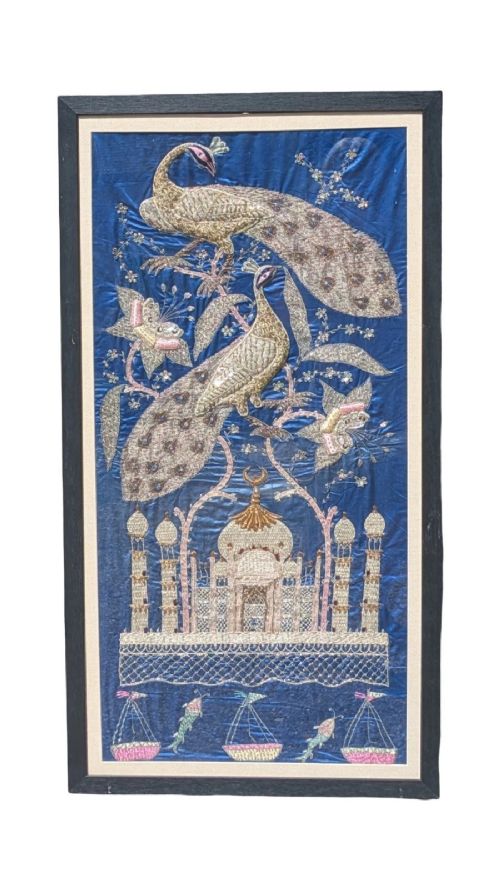
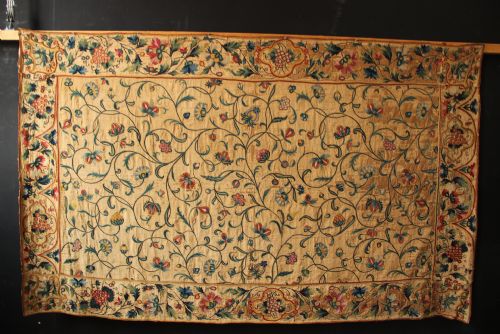
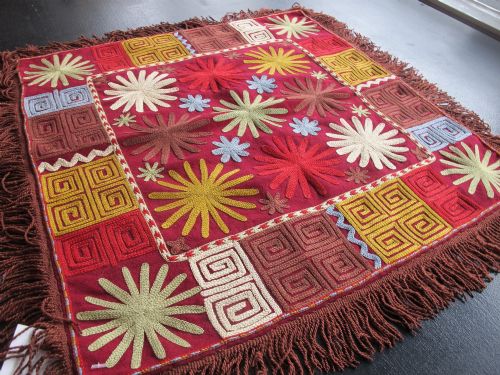
Surface ornamentation relies heavily on specialised embroidery techniques, crewelwork, ikat dyeing and flatweave construction methods such as kilim. Needlework often incorporates metallic threads or supplementary weft wrapping to build complex architectural and floral motifs.
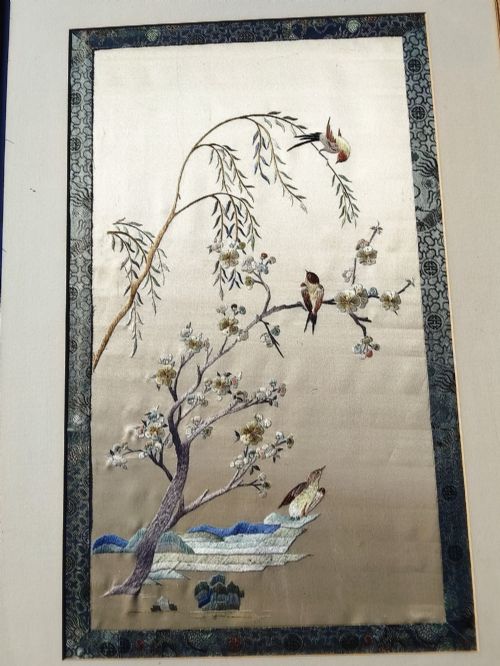
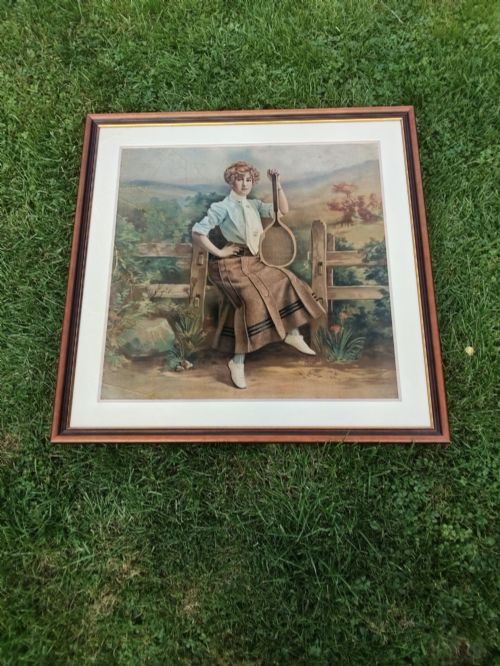
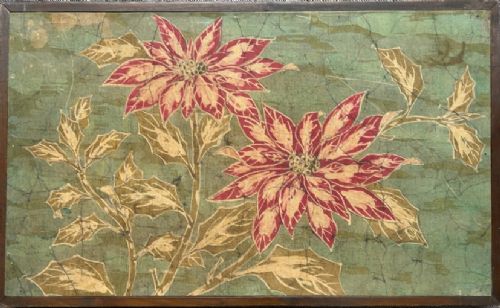
Support structures vary according to origin, with fragile fragments mounted onto modern linen backings and other works presented behind glass within wooden frames.
Listings feature periods spanning from the seventeenth century through to the mid-twentieth century, employing cotton, wool, silk and natural dyes.
Assessing quality in textile art
Quality rests upon the fineness of the weave, the complexity of the design layout and the dexterity shown in needlework or dyeing. Pieces demonstrating tight, even knotting or meticulous embroidery execution command greater attention.
The integrity of the materials, the survival of original tassels or borders, and the depth of natural colour palettes contribute significantly to a work's overall standard. Preservation of structural fabric, despite age-related wear, distinguishes superior examples from standard ones.
The Vintage Textile Hanging Glossary
- Suzani
- An embroidered tribal textile originating from Uzbekistan and surrounding regions, typically worked in silk or cotton on a cotton ground with large floral or architectural motifs.
- Ikat
- A dyeing technique where yarn is resist-dyed in patterns prior to weaving, resulting in characteristic soft, slightly blurred edges along the design boundaries.
- Asmalyk
- A pentagonal or hexagonal ornamental trapping produced by Turkmen tribes, historically hung on the flank of a ceremonial wedding camel.
- Crewelwork
- A type of embroidery executed using wool yarn on a linen or cotton foundation, noted for its textured surface and historical British pedigree.
- Kilim
- A flatweave textile lacking a pile, produced by tightly interweaving warp and weft strands to create geometric patterns.
- Uut Kap
- A large storage bag made by Central Asian nomads, featuring elaborate face embroidery and designed for interior tent organisation.
Vintage Textile Hanging: Frequently Asked Questions
How were textile hangings used originally?
Many textiles served practical functions within nomadic or village households, acting as storage bags, floor coverings, animal trappings or tent furnishings.
Over time, items like dowry embroideries and ceremonial horse blankets transitioned into purely decorative wall displays due to their aesthetic value.
How do I hang a fragile textile safely?
Fragile or antique fabrics benefit from professional mounting onto a supportive linen backing or conservation-grade fabric sleeve to distribute weight evenly.
Alternatively, smaller flat pieces can be framed behind glass, keeping them away from direct sunlight to protect natural dyes.
What is the difference between a kilim and a Suzani?
A kilim is a flatwoven textile constructed entirely through the interlacing of warp and weft threads to form geometric patterns.
A Suzani is an embroidered textile where decorative needlework is applied over a pre-woven cotton or linen foundation, typically featuring bold floral designs.
How can I identify tribal origins?
Tribal attribution relies on recognising specific colour palettes, wool qualities, structural borders and recurring motif repertoires associated with groups such as the Yomut, Lakai or Qashqa'i.
Comparing structural weave techniques and regional formats provides further clues to a piece's geographical source.