




Vintage Terracotta Statues
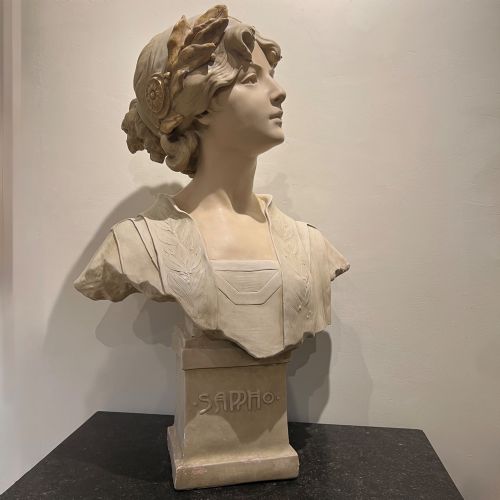
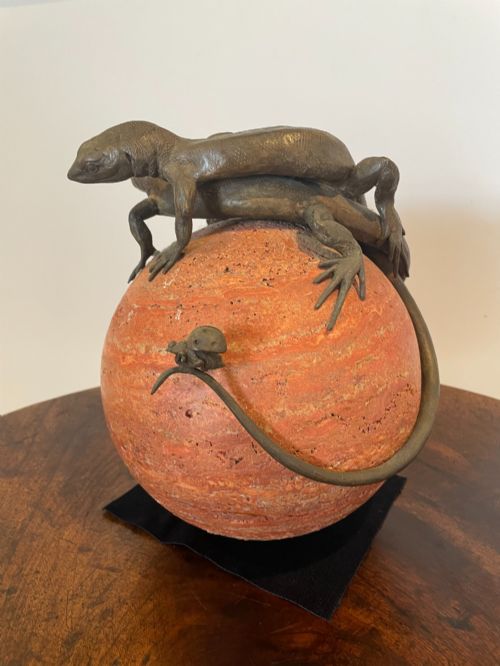
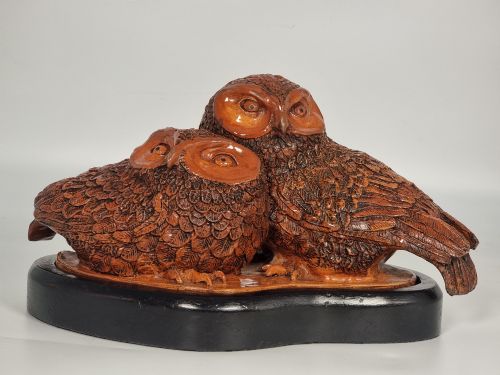
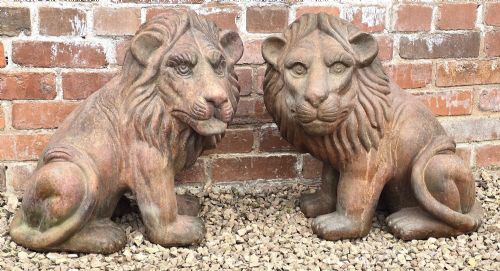
Vintage terracotta statues bring earthy texture and classical form into a room, spanning figures of animals, mythical subjects and human busts.
Vintage Terracotta Statues
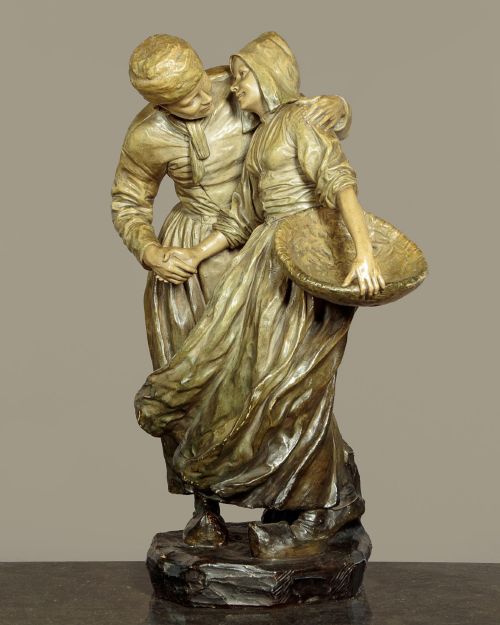
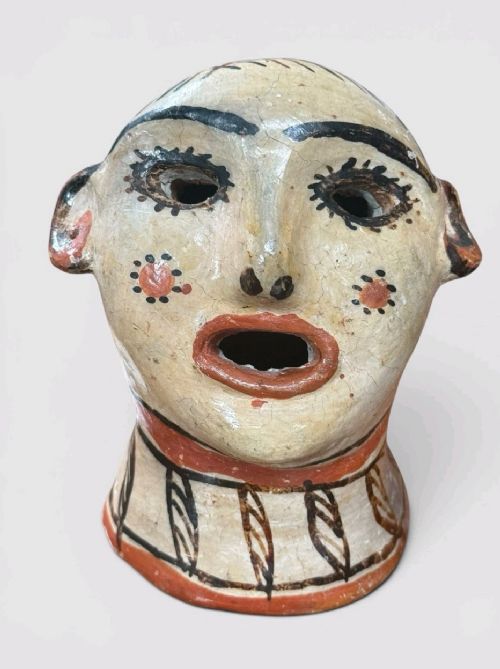
Vintage terracotta statues encompass sculptural works shaped from fired clay, spanning the nineteenth century through the art deco era. These pieces range from monumental garden figures and life-size animal models to decorative busts and bookends.
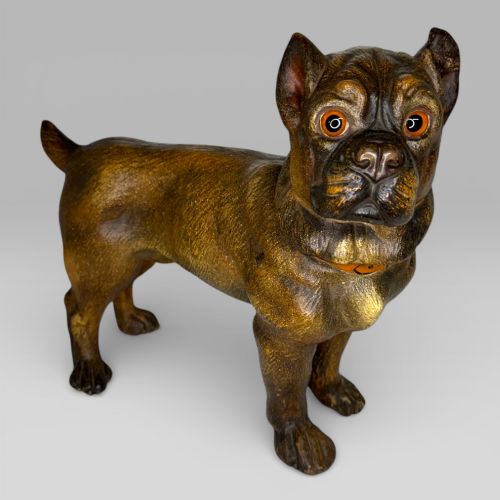
Makers across Austria, Italy, France, and England utilised the medium to produce both realistic animalier studies and idealised classical figures. Buyers frequently encounter nineteenth-century depictions of dogs, classical maidens, and architectural ornaments.
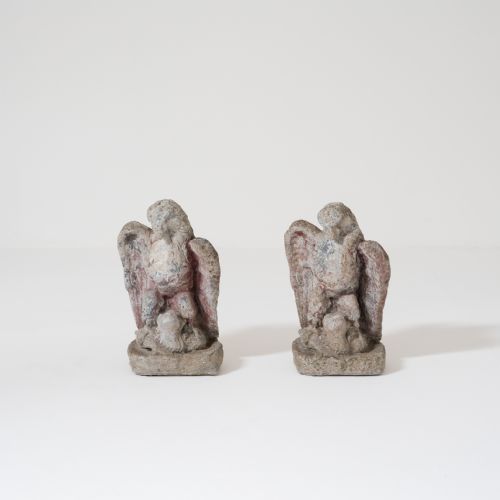
The material's natural porous quality means surviving examples often show patination, surface wear, and traces of original paint or cold-painted finishes.
Materials and production methods
Artisans formed these sculptures using hand-sculpting, slip casting, or press-moulding techniques in clay, earthenware, and stoneware. Many workshops applied surface treatments such as bronzed slips, polychrome paint, or sancai glazes after the initial firing.
Vintage Terracotta Statues Retail Price Guide 2026
Typical asking prices for vintage terracotta statues among the pieces listed under this phrase on Sellingantiques today, from the lower quarter to the upper quarter. They describe what is for sale here now, not the wider market.
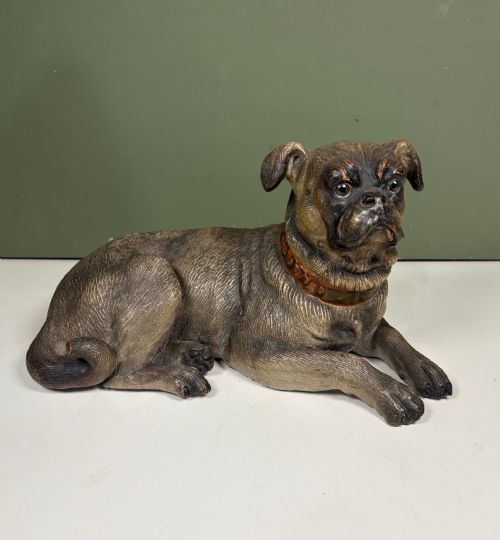
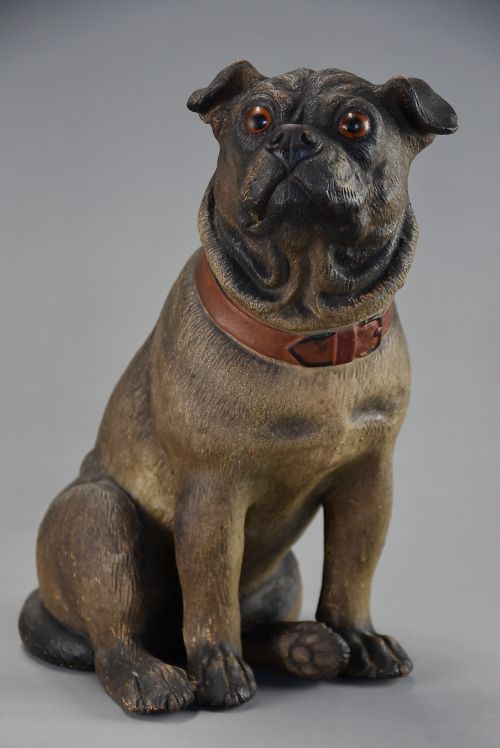
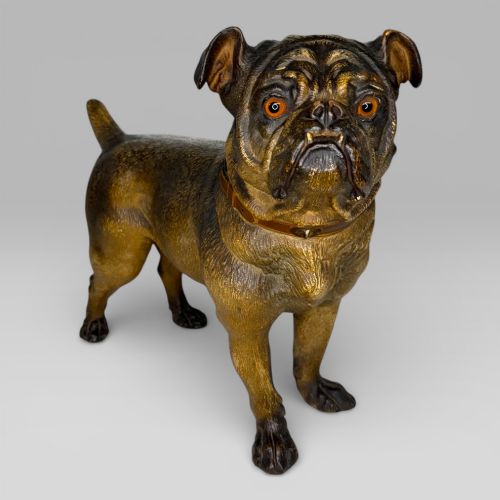
Several nineteenth-century European sculptors dedicated considerable effort to life-size terracotta pugs.
Markers of sculptural distinction
The integrity of the original surface finish, whether cold-painted pigments or metallic slips, distinguishes workshop execution.
Goldscheider·Royal Dux·Compton Potters Art Guild·Bernard Bloch·Ernst Whaliss·Guido Cacciapuoti
The Vintage Terracotta Statues Glossary
- Terracotta
- Fired unglazed clay of a brownish-red colour. It provides a durable medium for both interior sculptures and garden ornaments.
- Animalier
- Art focusing on the realistic portrayal of animals. This genre gained immense popularity in nineteenth-century European sculpture.
- Cold-painted
- Paint applied to a cured or fired object without subsequent kiln baking. This delicate finish is vulnerable to flaking over time.
- Slip cast
- A manufacturing technique where liquid clay is poured into a plaster mould. It permits the efficient creation of hollow sculptural forms.
- Sancai
- A three-colour glaze tradition originating in China, typically utilising amber, green, and cream tones on pottery.
Vintage Terracotta Statues: Frequently Asked Questions
How do I clean vintage terracotta?
Dust surfaces gently with a soft dry brush to prevent damage to porous clay or delicate paint finishes.
Avoid using water or liquid cleaners, as moisture penetrates unglazed earthenware and causes flaking.
Were these statues meant for gardens?
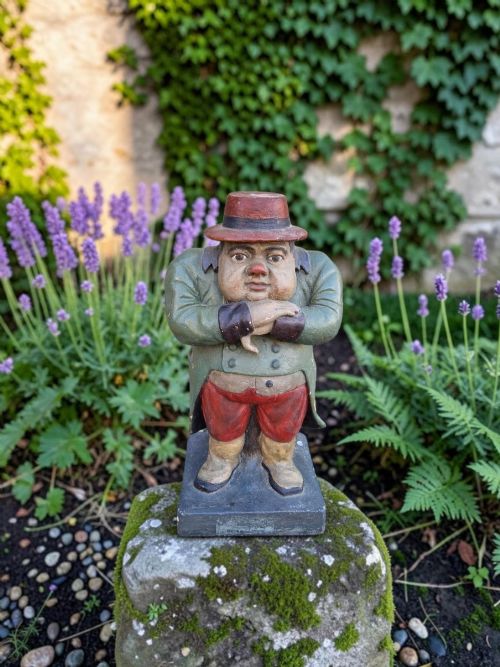
While some stoneware and heavy terracotta figures were produced for outdoor display, many refined pieces were strictly interior ornaments.
Examine the density of the clay and the presence of painted details to determine if a statue belongs indoors.
Why do some figures look metallic?
Makers frequently applied bronzed slips or metallic pigments to terracotta surfaces to imitate cast bronze.
This finish offered a cost-effective alternative while retaining the finer modelling details achievable in clay.
How do I identify Victorian pieces?
Look for stylistic cues such as classical revival motifs, naturalistic animal studies, and registration marks or maker stamps.
Victorian examples often display heavier mass and traditional patination consistent with nineteenth-century production.