


Vintage Tea Cup Saucer
These vintage tea cup saucer sets span centuries of ceramic artistry, offering a tangible connection to the formal dining rituals of the past.
Vintage Tea Cup Saucer
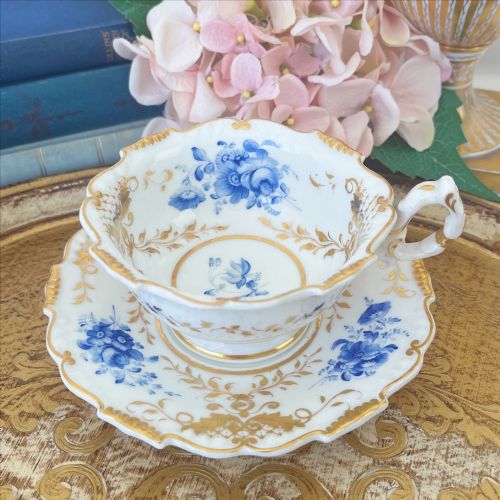
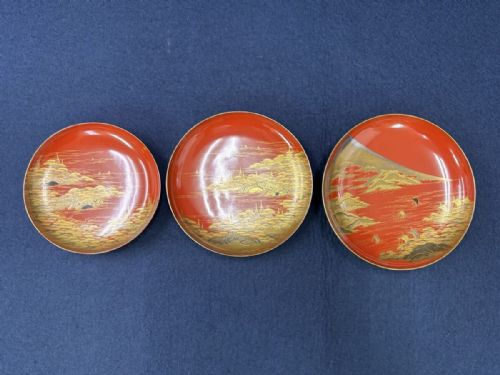
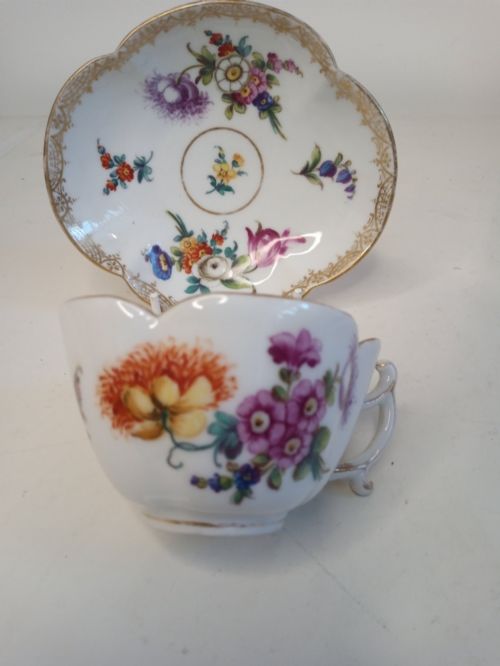
When you search for a vintage tea cup saucer, you encounter a remarkable span of ceramic and glass history ranging from eighteenth-century soft-paste porcelain to twentieth-century bone china and earthenware. The pieces on this page include solitary cabinet cups alongside full afternoon tea services, tea bowls, and coffee cans.
The selections originate from diverse traditions, encompassing English factories, continental European makers, and Japanese export wares. Forms vary from simple utilitarian vessels to ornate sets featuring matching bowls, jugs, and plates.
Materials and manufacture
The manufacturing techniques rely heavily on porcelain, bone china, and ironstone, shaped either by hand or moulded in kilns before receiving intricate hand-painted or transferred designs. Artisans frequently applied enamel decoration and gold leaf gilding to enhance the visual depth of the surfaces.
Certain items incorporate additional materials, utilising sterling silver mounts or glass paired with detailed enamel work. These varied compositions reflect the distinct technological capabilities and aesthetic preferences of periods from the Georgian era through the early twentieth century.
Listings feature porcelain, bone china, and earthenware across Victorian, Georgian, and twentieth-century periods.
Assessing quality and execution
Quality in these items is determined by the crispness of the moulding, the fineness of the ceramic body, and the skill evident in the hand-painted details. Superior pieces display precise brushwork, balanced gilding, and well-preserved enamel colours that remain sharp and clear.
The reputation of the maker and the preservation of delicate decorative elements like gold leaf and raised gilding further distinguish the finer examples. Consistency in the glaze and the harmony of the overall design separate standard utility wares from exceptional cabinet pieces.
Coalport·Royal Worcester·Spode·KPM Berlin·Lowestoft Porcelain
The Vintage Tea Cup Saucer Glossary
- Soft-Paste Porcelain
- A glassy ceramic material fired at lower temperatures than hard-paste porcelain, common in eighteenth-century English production. It often displays a warm tone under the glaze.
- Bone China
- A type of porcelain incorporating bone ash, yielding a durable body with high translucency. English potteries utilised this extensively for fine teaware.
- Ironstone China
- A durable patented earthenware body developed in the nineteenth century to imitate porcelain while offering greater resistance to chipping. Masons famously produced notable examples in this medium.
- Gilding
- The application of gold leaf or gold paint to ceramic surfaces, typically highlighting rims, handles, and painted motifs. Skilled application results in a bright, even metallic finish.
- Tea Bowl
- A handleless drinking vessel used in early tea services before standard cups with handles became common. They often appear alongside matching saucers in eighteenth-century sets.
Vintage Tea Cup Saucer: Frequently Asked Questions
How do I date an old teacup?
Dating relies on examining the ceramic body, the style of the handle, and any factory marks stamped or painted on the base. Comparing the decorative motifs against known historical styles provides a reliable timeframe.
Eighty-year-old pieces often show subtle wear on the gilding, while eighteenth-century items frequently feature distinct potting characteristics like footring sand specks.
Can I use antique cups for daily tea?
While these items were originally made for dining, many owners prefer to reserve older or hand-painted porcelain for display or occasional gentle use. Crazing in the glaze can absorb liquids over time.
Hand washing in warm water without harsh detergents protects the enamel decorations and gold leaf from fading during regular handling.
What is a tea trio?
A tea trio consists of a matching teacup, saucer, and tea plate designed to be used together during formal afternoon tea. These sets gained immense popularity during the Victorian and Edwardian periods.
Finding a complete trio in undamaged condition offers a clearer picture of historical dining settings than isolated cups.
Why do some cups lack handles?
Early tea vessels followed Asian prototypes where green tea was drunk from handleless bowls that allowed the drinker to gauge the temperature of the liquid. These tea bowls require careful holding.
Handles became standard as European tastes shifted and tea drinking habits evolved toward larger morning and afternoon services.