


White Bone China Cup
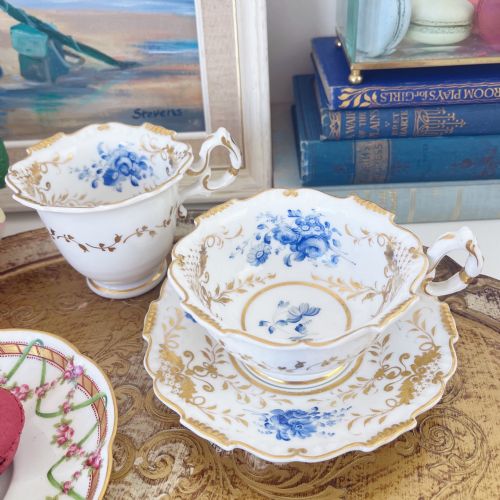
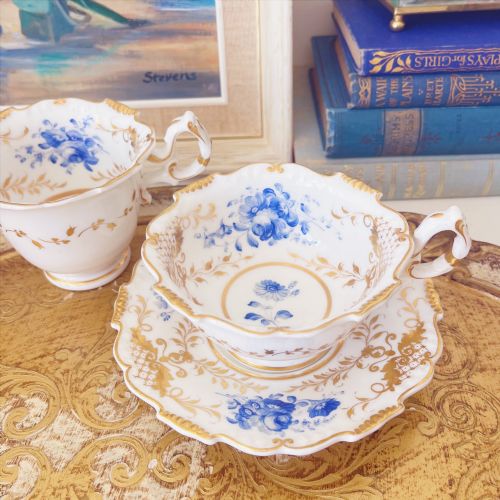
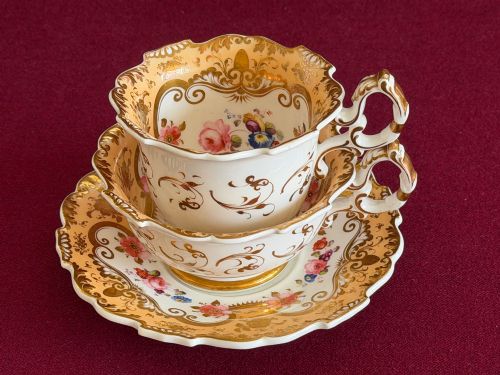
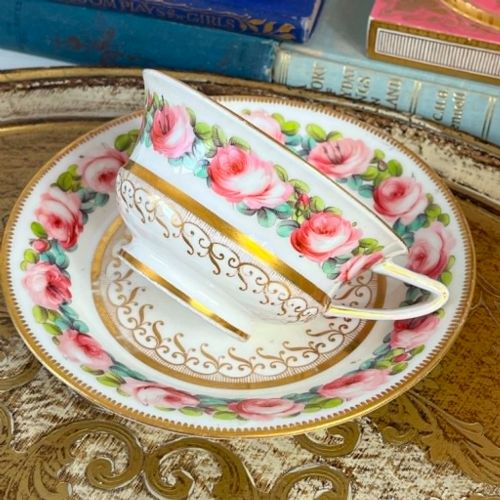
These white bone china cup examples bring eighteenth and nineteenth century tea drinking straight to the table.
White Bone China Cup
A white bone china cup buyer searches for historic drinking vessels spanning the Georgian, Regency, Victorian, and Edwardian eras. These listings present individual teacups and saucers, duos, trios, and larger tea services alongside miniature ceramics and coffee cups.
Most pieces date through the nineteenth century, including works from the eighteen hundreds and the nineteen tens. Forms range from standard teaware and coffee cups to miniature loving cups and complete tea sets.
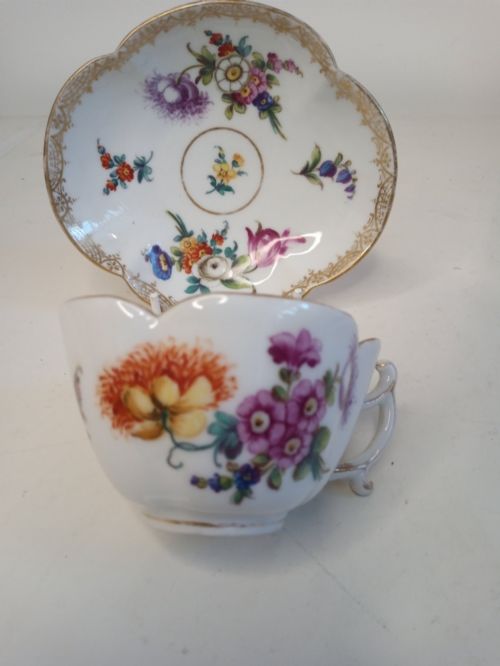
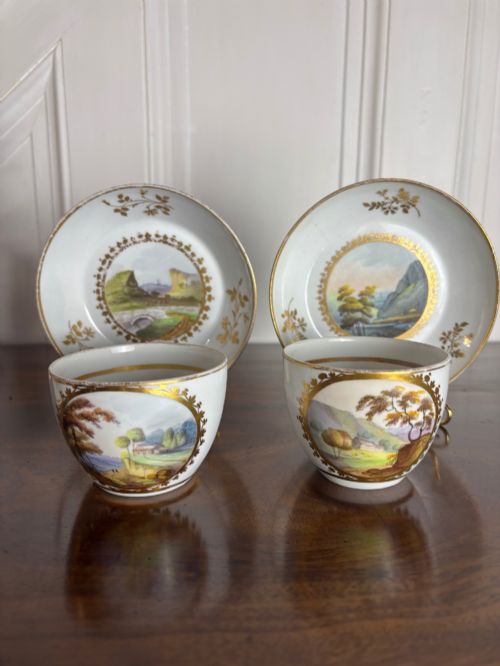
Origins stretch across classic English potteries and porcelain manufacturers of the period. Buyers encounter everything from handpainted floral duos to landscape decorated trios and pattern specific sets.
How they were made
Makers utilised bone china and porcelain bodies formed into cups, saucers, and hollowware. Artisans applied handpainted decoration directly onto the ceramic surface.
Gilding, gold leaf, and enamel work added rich colour and metallic highlights to the designs. Pieces frequently received kiln firings to set both the glaze and the surface painting.
Listings span periods from the eighteenth century through the Edwardian era, featuring bone china and porcelain.
What varies in quality
The refinement of the ceramic body and the precision of the handpainted detail set examples apart. Superior items exhibit careful brushwork on floral motifs, landscapes, and patterns like the Kakiemon revival styles.
The application of gold leaf and gilding influences visual distinction across different pieces. Well preserved enamel work and intact gilt borders demonstrate the original skill of the pottery.
H and R Daniel·Davenport·Coalport·Flight Barr and Barr·Minton·Yates·Spode Copeland·Royal Worcester
The White Bone China Cup Glossary
- Bone china
- A type of porcelain incorporating bone ash to create a strong, milky white body. It allows for thinner walls than standard porcelain while retaining durability.
- Trio
- A matching set comprising a teacup, a coffee cup and a saucer. This combination was common in nineteenth century tea service.
- Gilding
- The application of gold leaf or gold paint to ceramic surfaces for decoration. It frames rims, handles, and painted scenes.
- Enamel
- Opaque vitreous material fused to the ceramic body through firing to introduce bright colours. It provides the vivid hues seen in floral and landscape scenes.
White Bone China Cup: Frequently Asked Questions
How do I date a cup?
Examine the stylistic markers, potting forms, and any associated pattern numbers recorded in the listing. Comparing these details with known production periods of the pottery helps narrow the decade.
Potters often changed their marks or shifted shape designs across reigns such as the Georgian and Victorian eras. Consulting factory histories provides further chronological clarity.
Can I use these cups?
Historic ceramic items require careful handling due to their age and delicate painted surfaces. Many collectors prefer to display them rather than subject them to daily use.
Handwashing in lukewarm water without harsh detergents helps preserve the enamel and gold leaf. Modern dishwashers and microwaves must be avoided entirely.
What is a tea trio?
A trio consists of a matching teacup, coffee cup, and saucer used together during tea services. This configuration allowed drinkers to switch between beverages during formal gatherings.
Nineteenth century potteries produced these sets in substantial quantities for fashionable households. Surviving trios remain sought after by collectors of matching teaware.
What does bat wing pattern mean?
Bat wing refers to a specific decorative motif applied to porcelain teaware during the late nineteenth and early twentieth centuries. The pattern structures panel designs around the body of the vessel.
Coalport utilised this style on tea sets produced around nineteen ten. It creates a distinctive segmented visual effect across the surface.