


Vintage Tea Bowl
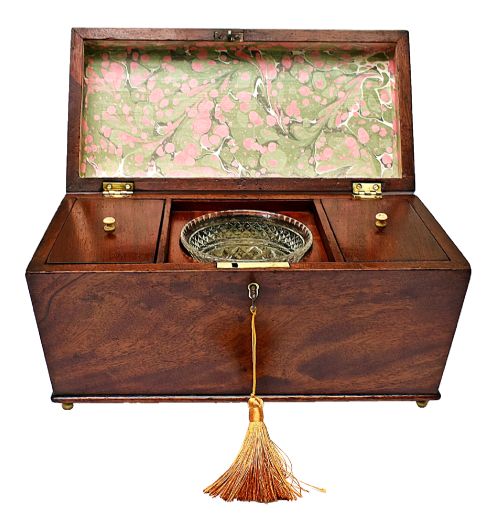
These vintage tea bowl examples range from delicate porcelain cups to silver sugar basins, offering a tactile anchor for historical table settings.
Vintage Tea Bowl
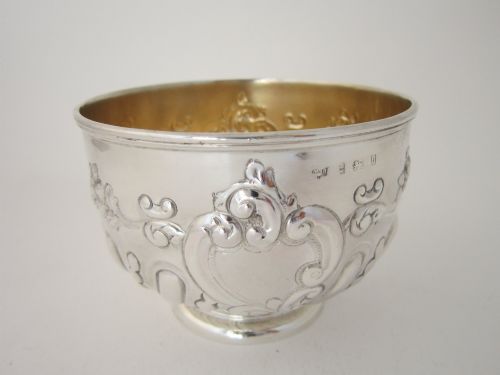
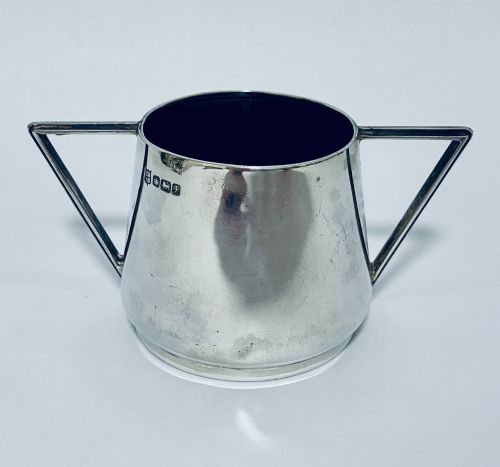
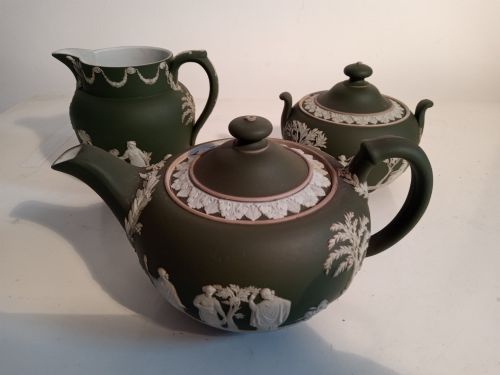
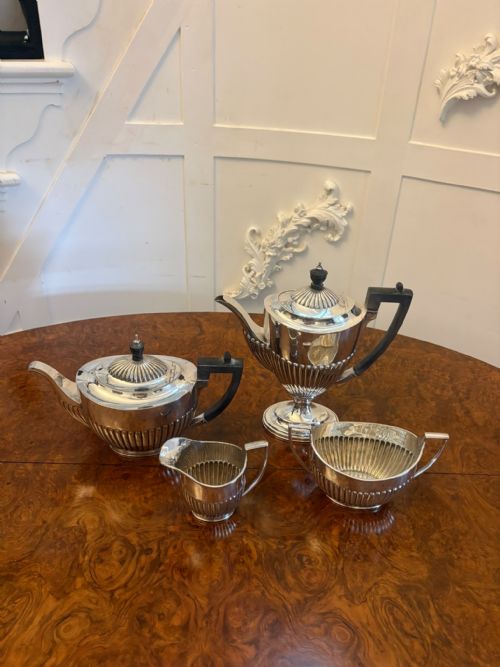
A vintage tea bowl spans diverse iterations from the eighteenth century through the Edwardian era and the art deco period. Buyers encounter these forms as porcelain cups, earthenware vessels, and silver or silver plated sugar bowls.
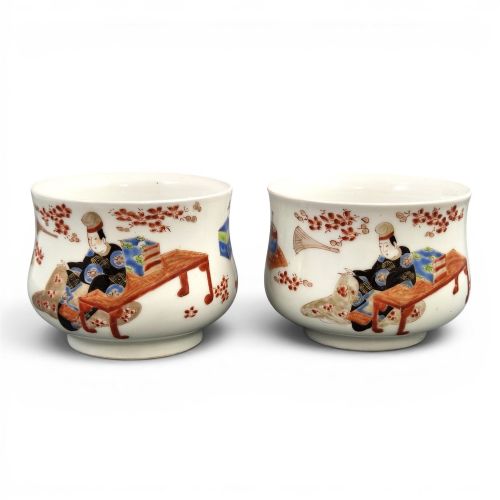
The selections on this page bridge multiple centuries, pulling together items from Georgian and Victorian households alongside Japanese Imari porcelain and Ottoman silver pieces. Each object reflects the tea drinking rituals of its specific decade.
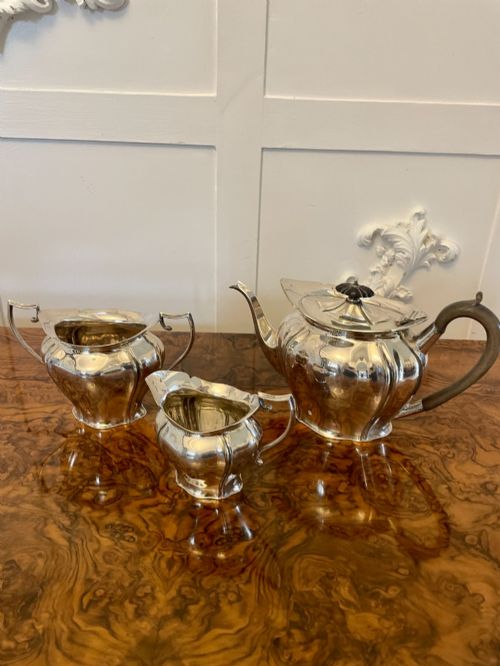
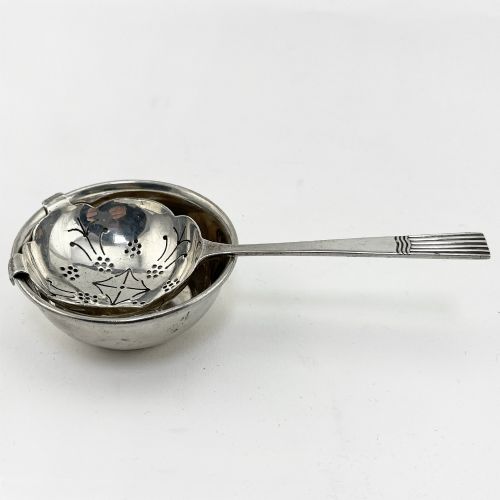
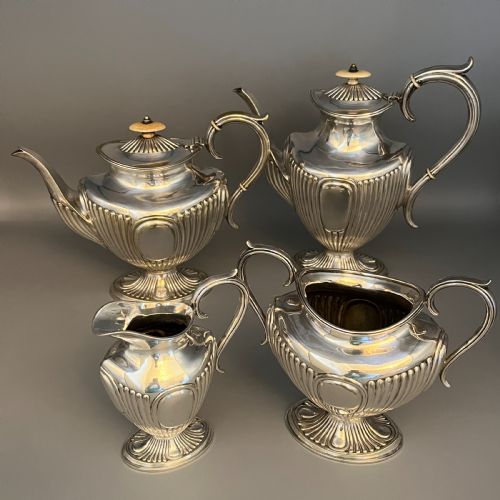
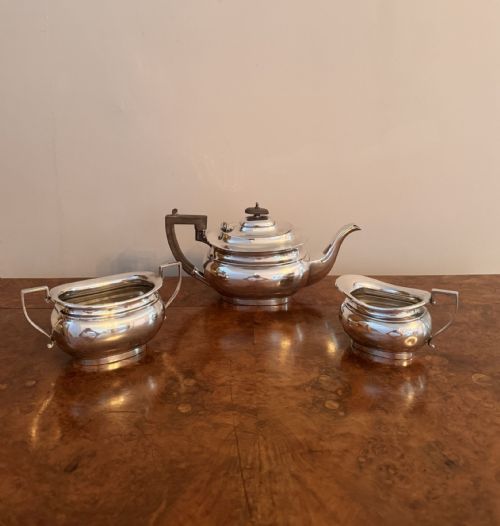
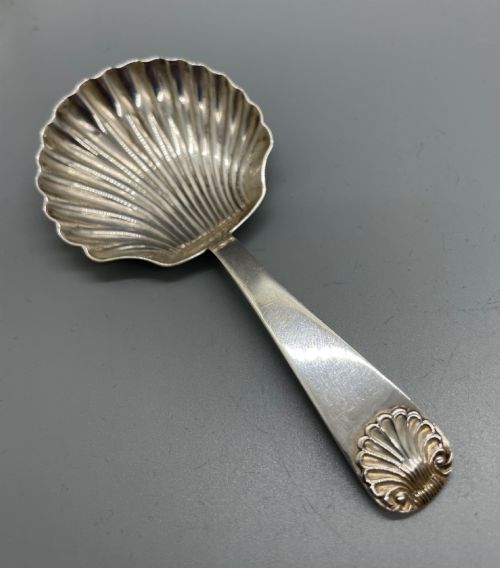
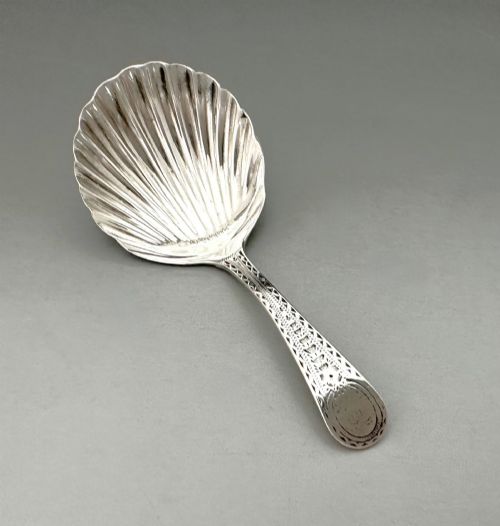
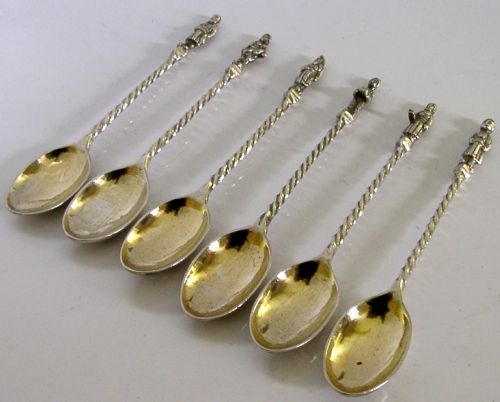
While the search points toward a simple bowl, the evidence encompasses related items like caddy spoons, tea sets, and strainers that share the same domestic heritage.
Materials and construction
Silversmiths shaped solid silver and electroplated nickel silver into sugar bowls and tea strainers, often employing pierced work or engraved handles. Plated items relied on a base metal coated in a durable silver layer for daily service.
Potters utilised porcelain, earthenware, and bone china, decorating vessels with hand painted motifs, cobalt blue designs, or transfer prints. Firing techniques across Georgian, Victorian, and later periods determined the translucency and strength of the ceramic bodies.
Vintage Tea Bowl Retail Price Guide 2026
Typical asking prices for vintage tea bowl among the pieces listed under this phrase on Sellingantiques today, from the lower quarter to the upper quarter. They describe what is for sale here now, not the wider market.
The listings combine sterling silver, silver plate, and porcelain spanning the eighteenth, nineteenth, and early twentieth centuries.
Distinguishing quality
Quality rests on the crispness of the maker's mark, the weight of the silver or metal, and the precision of hand painted ceramic decoration. Superior porcelain displays fine translucency and intact gilding, while silver items show clean casting lines and sturdy construction.
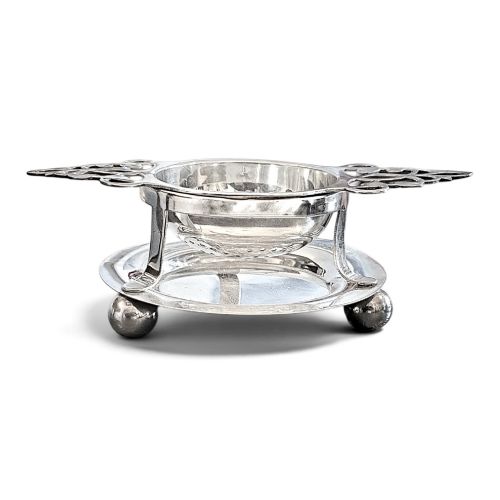
The integrity of secondary elements, such as original cobalt glass liners in pierced silver plated sugar bowls, elevates an object. Maker attributions to established firms like Walker and Hall or Joseph Rodgers and Sons also influence desirability.
Hammond, Turner and Sons·Joseph Rodgers and Sons·Walker and Hall·Armada Pewter
The Vintage Tea Bowl Glossary
- Sucrier
- A sugar basin or bowl designed specifically for use in a tea service. This French term appears frequently in descriptions of nineteenth century porcelain sets.
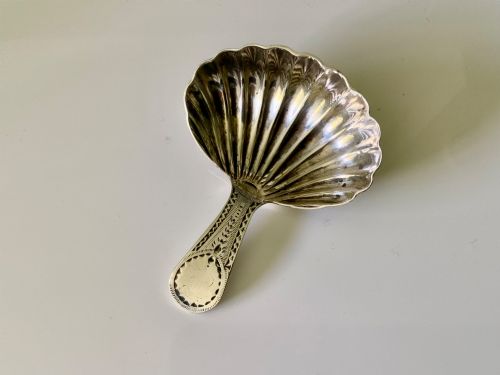
- Caddy spoon
- A small scoop utilised for measuring dry tea leaves from a caddy into the pot. These spoons often feature shell bowls and engraved handles.
- Silver plate
- A base metal, such as copper or nickel silver, coated with a thin layer of silver. Manufacturers used this method to offer domestic tableware at a lower cost than solid sterling silver.
- Imari
- Japanese porcelain decorated in underglaze blue and iron red, with supplementary gold accents. These wares were widely exported to Europe and copied by domestic potteries.
- Trio
- A matching set consisting of a teacup, saucer, and tea plate. They formed standard components of eighteenth and nineteenth century English porcelain services.
Vintage Tea Bowl: Frequently Asked Questions
How do I date a ceramic bowl?
Dating relies on identifying the paste type, transfer printing style, and any factory marks stamped or painted on the base. Comparing the form to documented eighteenth and nineteenth century examples provides a reliable window.
Changes in glaze texture and ceramic body composition across the Georgian and Victorian periods also offer clear clues for attribution.
What is the difference between a bowl and a sucrier?
A standard bowl serves general domestic functions, whereas a sucrier specifically forms part of a matched tea or coffee service for holding sugar.
Sucriers frequently arrived with matching lids or handles designed to complement the profile of the accompanying teapot and milk jug.
Are silver plated items marked?
Silver plated pieces typically carry maker's marks, trade names, or abbreviations indicating electroplate rather than the lion passant used for sterling silver.
These stamps help identify the manufacturing firm and the era of production without relying on precious metal hallmarks.
How were these vessels used historically?
These pieces sat at the centre of formal tea and coffee rituals, used for brewing, straining leaves, or presenting refined sugar lumps.
Wealthier households displayed elaborate matching services during afternoon gatherings, while smaller bowls served individual guests.