




Vintage Taxidermy Mount
A vintage taxidermy mount brings the stillness of the natural world indoors, offering preserved specimens and antlers mounted on wood or housed in glass cases.
Vintage Taxidermy Mount
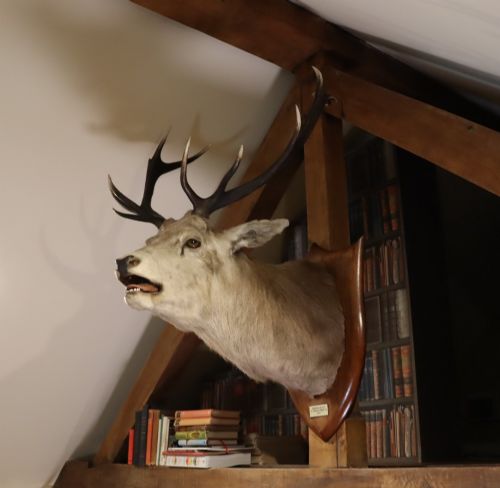
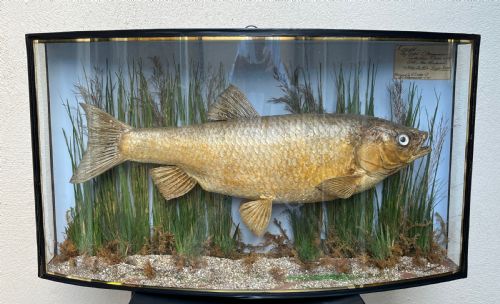
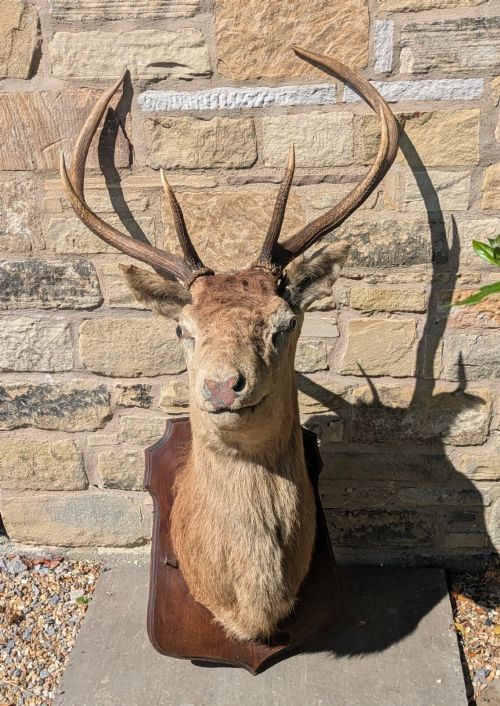
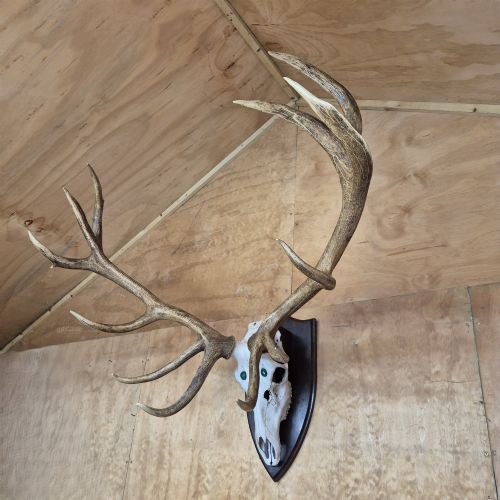
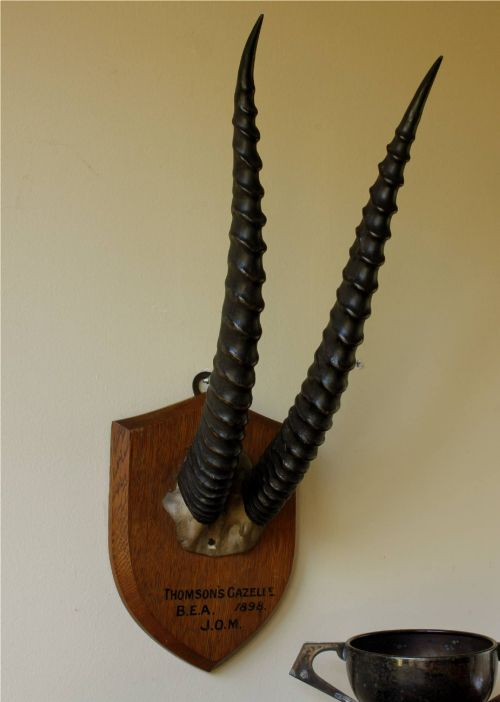
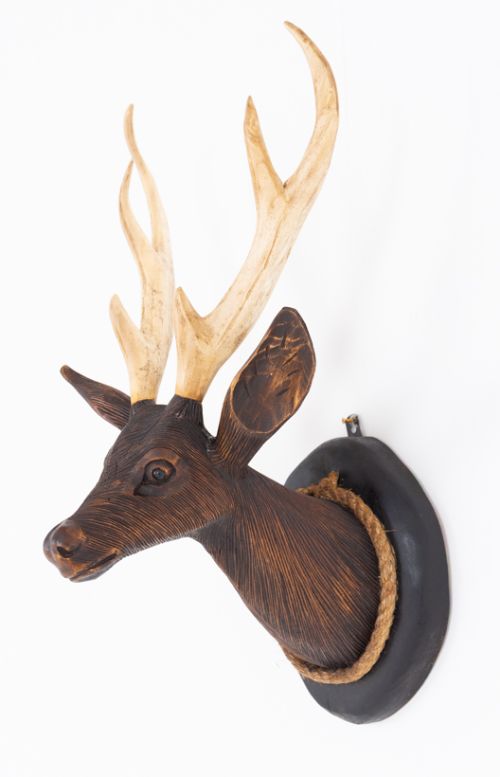
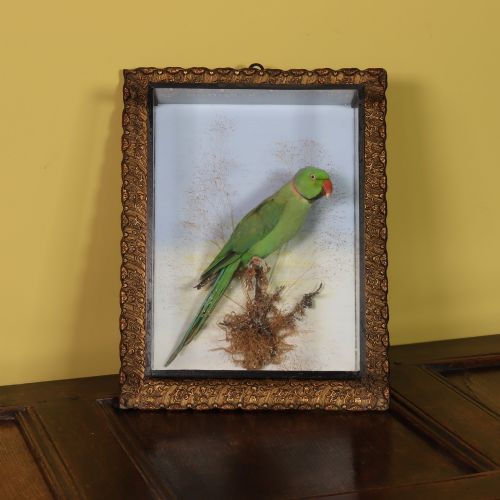
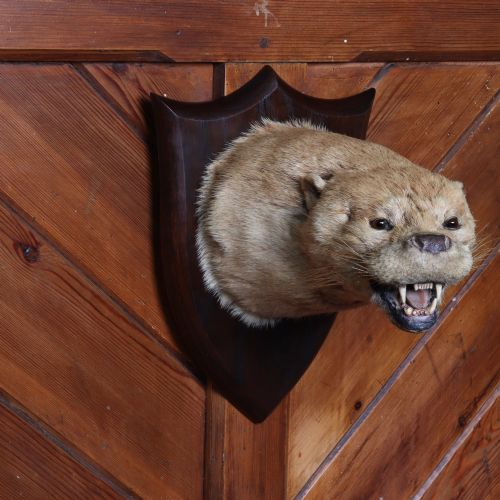
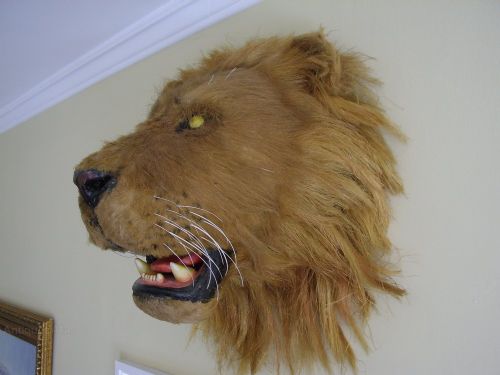
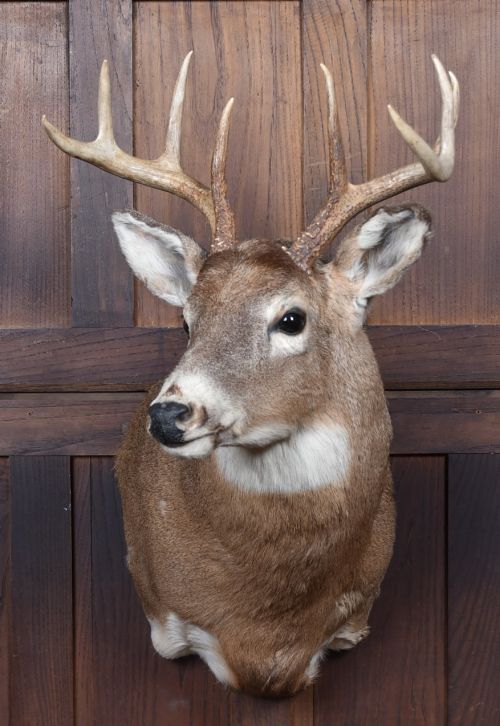
A vintage taxidermy mount captures animals, birds, and fish preserved from the nineteenth and early twentieth centuries. When searching for a vintage taxidermy mount, buyers encounter everything from large mammalian trophy heads and horn sets to birds and fish preserved in glass display cases.
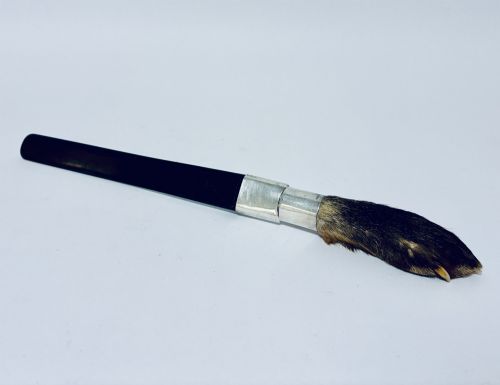
The selections span distinct historical periods including the Victorian era, Edwardian period, and the early twentieth century. Common forms range from wall-mounted stags and antelopes to table lamps fashioned from deer hooves and diorama cases containing birds.
Originating from traditions of natural history study and sporting trophies, these pieces bring historical interior aesthetics into modern spaces. The most frequent examples on this page are deer heads, horn mounts, and cased specimens from British workshops.
Materials and Technique
The construction of these pieces relies heavily on organic materials combined with structural support. Taxidermy hides, feathers, bone, horn, and antler are mounted upon shaped wood shields, oak backing boards, or enclosed within glass display cases.
Taxidermists utilised traditional preservation techniques alongside hand-carved wooden mounts and painted diorama backgrounds. Glass and wood feature prominently in protecting delicate avian and aquatic specimens from dust and moisture.
One exceptional listing preserves a pet dog immortalised by an Aberystwyth taxidermist.
Factors of Quality
Quality in these pieces rests upon the anatomical accuracy and lifelike posture achieved by the taxidermist. Master practitioners capture convincing expressions and natural muscle tension rather than rigid or flattened forms.
The provenance and documentation associated with specific makers strongly influence standing. Pieces bearing original trade labels from established nineteenth and twentieth-century taxidermy firms demonstrate superior workshop execution.
Little & Co·J Griffiths of Burford·T. E. Gunn·William Bazeley & Sons·Peter Spicer & Sons·Edward Gerrard & Sons·S. King·Hutchings of Aberystwyth·James Jones of London·J. Cooper & Sons
The Vintage Taxidermy Mount Glossary
- Taxidermy mount
- The art of preserving and mounting an animal's hide, skin, or complete body for display. This term covers wall trophies, floor stands, and framed specimens.
- Diorama case
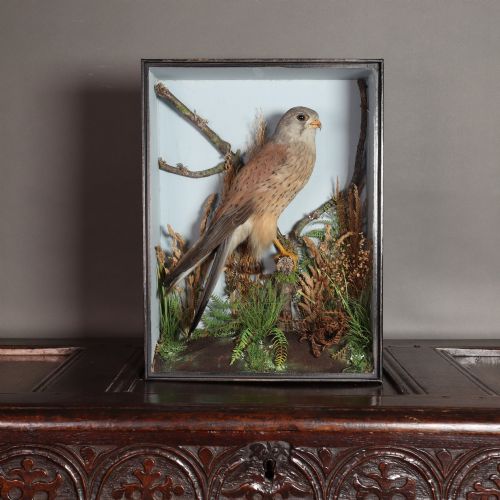
- A three-dimensional scene enclosed in glass where preserved birds or mammals are arranged amidst painted natural backgrounds and artificial foliage.
- Trophy head
- The head, neck, and sometimes shoulders of a game animal prepared and mounted on a wooden shield for wall display. These often include antelopes, stags, and buffaloes.
- Mask
- The head and neck portion of an animal specimen, commonly utilised for smaller mammals such as foxes and otters.
- Antler set
- The bony growths shed and regrown by cervids, mounted individually or attached to skull plates on wooden shields. Common variations include red deer, roe deer, and white-tailed deer.
Vintage Taxidermy Mount: Frequently Asked Questions
What periods do these pieces come from?
The pieces originate primarily from the Victorian era, the Edwardian period, and the early twentieth century. Dates span from the late nineteenth century up to the 1930s and 1940s.
Most items reflect the natural history collecting habits and sporting traditions of these specific historical periods.
How were these mounts originally displayed?
Landowners and naturalists displayed wall mounts in Highland lodges, libraries, and studies alongside sporting equipment. Cased specimens were placed on tabletops or mounted on interior walls.
They served both as trophies of the hunt and as scientific specimens for studying natural history.
Are the display cases original?
Many specimens remain inside their original glass-fronted wooden display cases, which often feature painted interior backdrops. These cases protected delicate feathers and scales from environmental damage.
Original glazing and cabinetry add significant historical context to the preserved specimen within.
How do I identify maker labels?
Makers frequently placed paper trade labels on the interior floor of glass cases or on the reverse of wooden backing shields. These inscriptions name the taxidermist and their operating address.
Finding a legible signature or label links the piece directly to a known nineteenth or twentieth-century workshop.