



Vintage Tavern Pitcher
These vintage tavern pitcher examples bring heavy metal measures and hearty pottery vessels straight from historic drinking houses into modern spaces.
Vintage Tavern Pitcher
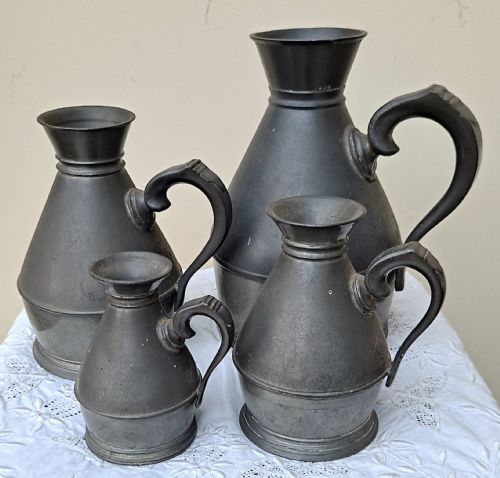
When you search for vintage tavern pitcher items, you encounter heavy metal liquid measures, flagons, and country pottery jugs designed for serving and measuring drinks. The pieces span from the seventeenth century through the Victorian era, reflecting the robust drinking culture of old British and Irish establishments.
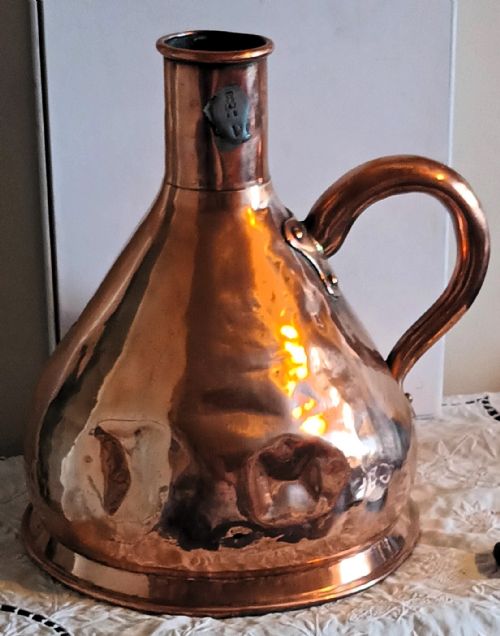
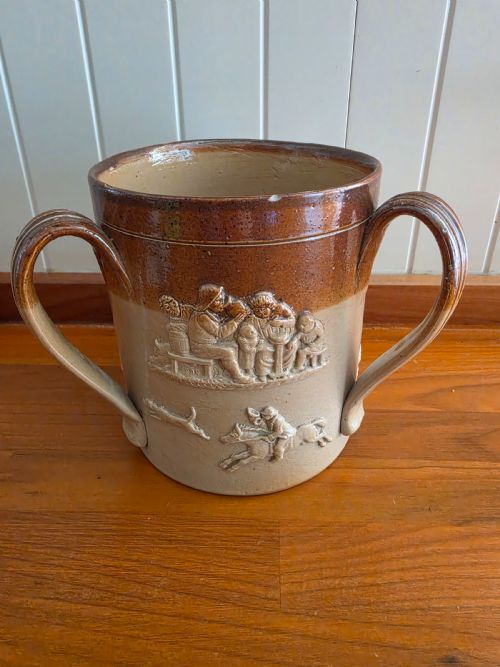
You are most likely to meet sturdy pewter flagons, Irish haystack measures, and earthenware vessels like slipware tygs and stoneware puzzle jugs. Copper measures also appear frequently, ranging from single-pint vessels up to large two-gallon flagons once utilised in bustling alehouses.
How they were made
Metal vessels in this selection utilise copper, brass, and pewter, shaped by hammering, casting, and soldering heavy sheet or molten metal. Makers often added lead components and stamped capacity marks or maker crests directly onto the exterior surfaces.
Pottery forms rely on earthenware, stoneware, and clay, finished with traditional glazes and slipware decoration. Certain pieces incorporate multiple handles or intricate puzzle elements formed by hand before kiln firing.
Vintage Tavern Pitcher Retail Price Guide 2026
Typical asking prices for vintage tavern pitcher among the pieces listed under this phrase on Sellingantiques today, from the lower quarter to the upper quarter. They describe what is for sale here now, not the wider market.
Listings feature metal vessels from the seventeenth, eighteenth, and nineteenth centuries, alongside traditional stoneware and earthenware pottery forms.
What varies in quality
Quality rests upon the crispness of maker stamps, touchmarks, and crest engravings on the metal pieces, alongside the uniformity of the metal walls. Finer copper and pewter examples display clean solder seams and well-balanced handles rather than clumsy repairs.
Among ceramic vessels, quality reveals itself in the richness of the glaze, the stability of multiple handles, and the precision of slip trailing. Pieces showing deliberate artistry and solid construction stand apart from basic utilitarian wares.
J. Bower·Loftus of Oxford Street London·Doulton Lambeth·S Hancock
The Vintage Tavern Pitcher Glossary
- Haystack measure
- A distinctively shaped Irish pewter vessel with a curved body resembling a haystack, typically produced in graduated sets.
- Flagons
- Large metal drinking vessels with lids and handles, utilised historically for holding and pouring ale or wine.
- Tyg
- A multi-handled pottery drinking vessel designed for communal passing around a table during gatherings.
- Slipware
- Pottery decorated with liquid clay applied to the unfired body before glazing, creating contrasting patterns.
- Puzzle jug
- An earthenware vessel with perforated necks and deceptive spouts that challenge drinkers to imbibe without spilling.
Vintage Tavern Pitcher: Frequently Asked Questions
What were vintage tavern pitchers used for?
These vessels served primarily as official liquid measures for pouring and dispensing ale, beer, and spirits in historic pubs and inns. Landlords utilised them to ensure accurate quantities for customers.
Beyond service at the taproom table, larger flagons acted as storage containers for bulk beverages before individual tankards were filled.
How do I date an old pewter measure?
Dating relies heavily upon touchmarks, maker stamps, and specific stylistic traits such as flat lids or belly shapes. Historical capacity standards also shift between reigns, helping narrow the decade of production.
Consulting historical touchmark records associated with London or Scottish makers provides further verification of the manufacturing window.
Are copper flagons safe for liquids?
While historic copper and brass vessels were built for holding beverages, modern use requires caution due to potential metal leaching over time. Most collectors treat them purely as decorative display items.
If utilised for serving, contemporary cleaning and lining checks are necessary to ensure the interior metal remains stable.
How should I clean antique pewter?
Pewter requires gentle washing with mild soap and warm water, followed by immediate drying with a soft cloth to prevent water spots. Aggressive metal polishes strip away the natural historic patina.
Preserving the dull, dark grey surface maintains the visual character developed over centuries of handling.