


Vintage Tapestry Wall Art
Vintage tapestry wall art brings centuries of woven narratives and needlework into domestic spaces, offering rich textures and historic depth.
Vintage Tapestry Wall Art
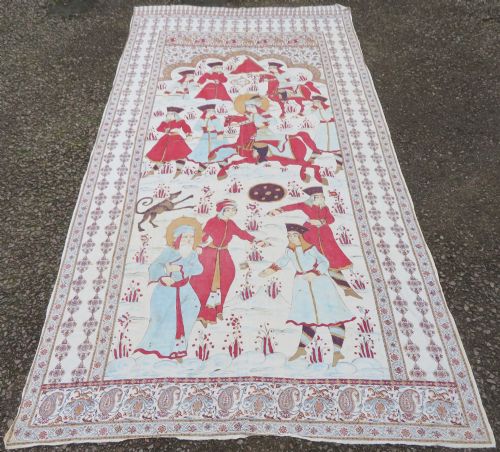
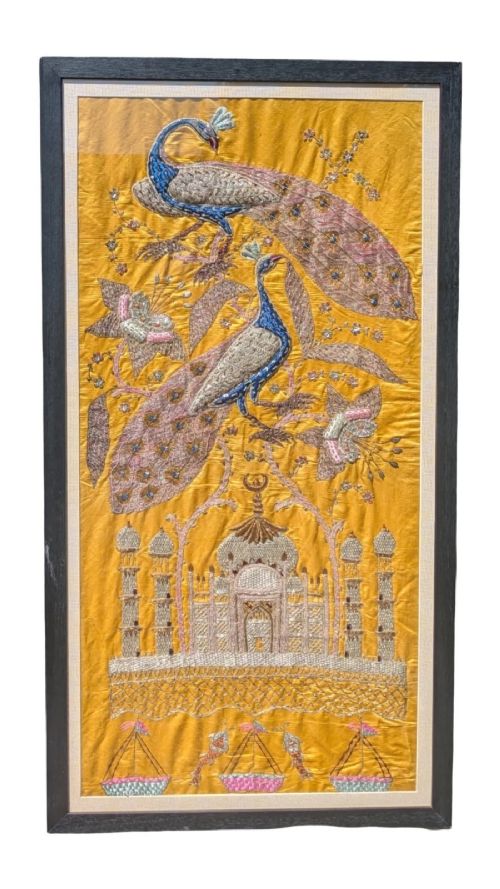
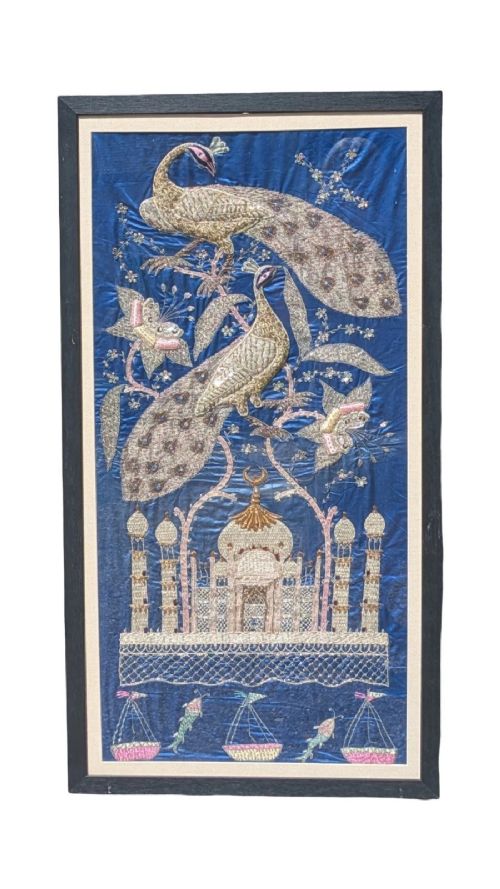
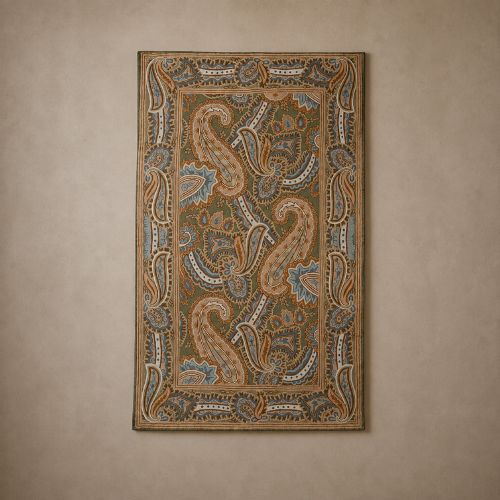
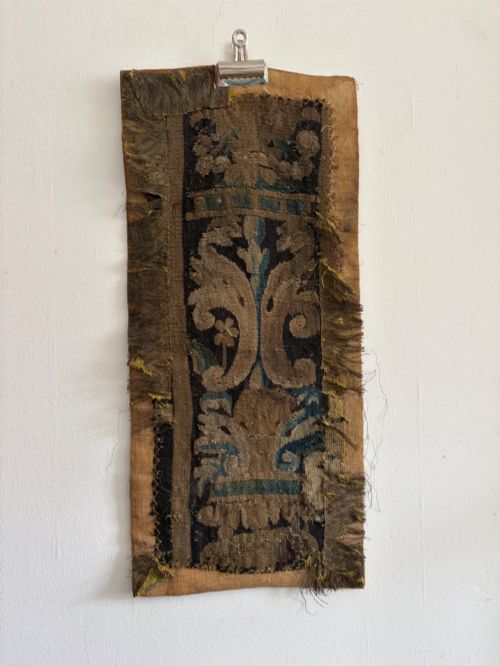
Vintage tapestry wall art encompasses historic woven textiles, embroidered panels, and needlework pieces created to adorn interior walls. When searching for vintage tapestry wall art, buyers encounter diverse forms ranging from European verdure fragments to Central Asian embroideries.
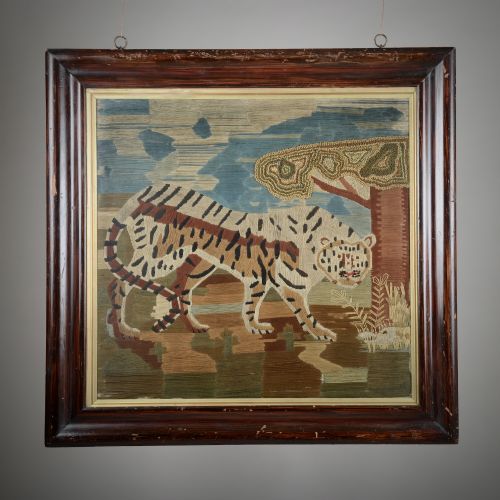
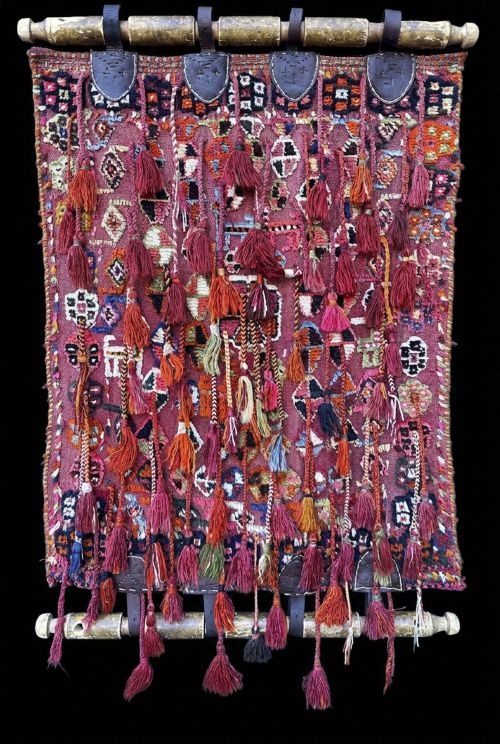
The selection includes French floral weaves, English needlework pictures, and tribal wall hangings spanning multiple centuries. These textiles function as focal points in a room, bringing architectural presence and organic warmth through fabric.
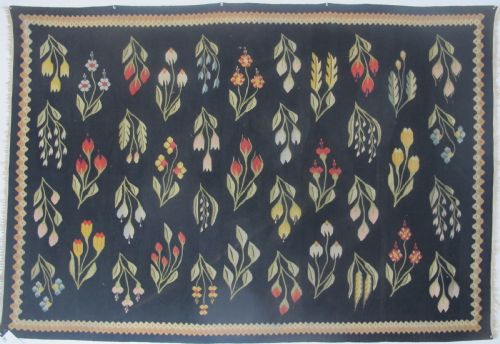
Pieces originate from varied traditions, including Aubusson workshops, Persian ateliers, and nomadic Turkmen or Uzbek communities. Each object reflects the decorative impulses and material culture of its specific origin and period.
Materials and construction methods
The construction of these textiles relies primarily on wool, silk, and cotton fibres worked onto supportive grounds of linen, canvas, or felt. Weavers and embroiderers utilised natural dyes to achieve deep colour palettes that have mellowed over time.
Techniques range from traditional warp-faced weaving and verdure tapestry creation to complex needlework, crewelwork, and silk embroidery. Many surviving panels incorporate applique work and detailed stitchery executed on cotton or wool foundations.
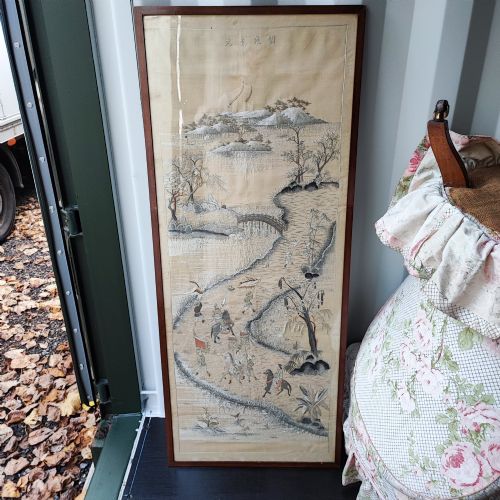
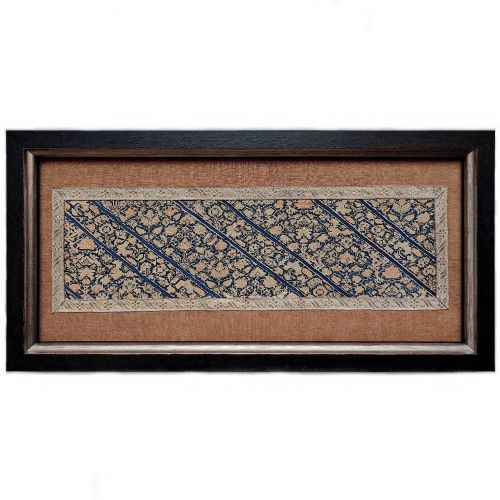
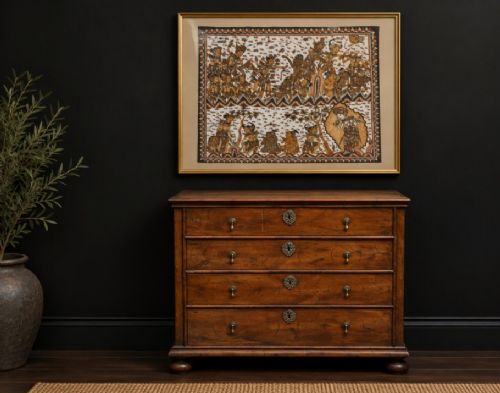
Framing and mounting methods vary, with some historic fragments preserved behind glass in wood or gilt frames, while others are mounted directly onto linen for structural support.
Vintage Tapestry Wall Art Retail Price Guide 2026
Typical asking prices for vintage tapestry wall art among the pieces listed under this phrase on Sellingantiques today, from the lower quarter to the upper quarter. They describe what is for sale here now, not the wider market.
The listings feature diverse materials including wool, silk, cotton, felt, and glass, spanning the seventeenth to the twentieth centuries.
Assessing quality in textile art
Quality in these works is determined by the fineness of the execution, the complexity of the design, and the integrity of the surviving materials. Superior pieces display meticulous needle control, dense knotting or stitching, and sophisticated pictorial composition.
The choice and stability of the underlying fibres significantly affect the longevity and visual impact of the textile. Master workshops achieved subtle tonal gradations and intricate botanical or figural details that elevate the piece beyond standard decorative production.
The Vintage Tapestry Wall Art Glossary
- Verdure tapestry
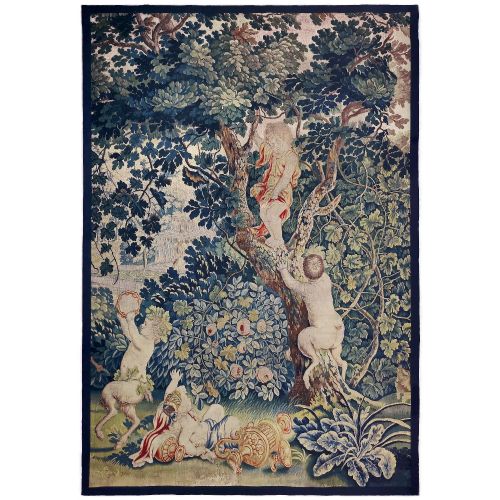
- A woven wall hanging dominated by landscape motifs, foliage, trees, and often animals or birds. These scenes typically utilise various shades of green and earthy tones.
- Suzani
- A type of embroidered tribal textile originating from Tajikistan, Uzbekistan, and other Central Asian nations. They are usually worked with silk thread on a cotton or linen foundation in large floral patterns.
- Asmalyk
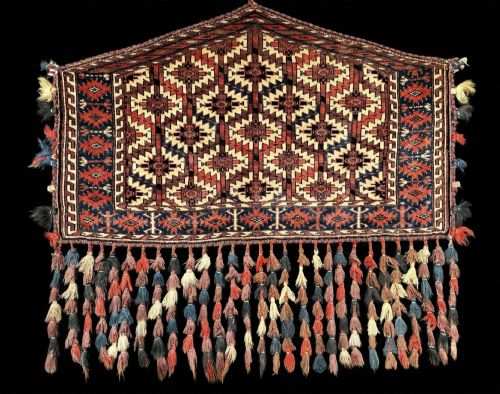
- A pentagonal trapping produced by Yomut Turkmen tribes, historically used as camel ornamentation during wedding processions. These wool and silk pieces feature geometric designs and rich coloration.
- Needlework panel
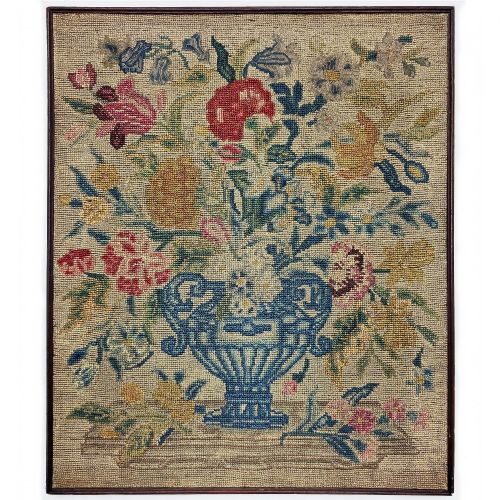
- A textile artwork created by stitching yarn or thread through a woven mesh ground with a needle, rather than producing the pattern on a loom. These often depict figures, florals, or historic narratives.
- Ikat
- A dyeing technique where the yarns are tie-dyed before being woven into fabric, creating characteristic feathered edges along the pattern motifs. Silk and semi-silk adras variations appear frequently in Central Asian textiles.
Vintage Tapestry Wall Art: Frequently Asked Questions
How do I hang a heavy textile safely?
Heavy wall hangings require even distribution of weight across the upper edge to prevent stress on historic fibres. Conservation methods often involve stitching a fabric sleeve to the reverse and sliding a padded wooden batten through it.
Alternatively, velcro mounting systems sewn to a linen backing allow the weight to rest uniformly against the wall. Avoid using direct nails or pins through the textile itself, as this damages the fabric structure.
How do I date a woven panel?
Dating relies on examining the material composition, dye types, stylistic conventions, and construction techniques used in the piece. Analysing the specific weave density and the preparation of the backing fabric provides further clues to the period of origin.
Comparing motifs with documented examples from known workshops or nomadic groups helps narrow down the decade of production. Stylistic markers often reflect the prevailing aesthetic of periods such as the Georgian or Victorian eras.
Can I frame embroidered textile art?
Framing protects delicate embroideries and needlework panels from atmospheric dust and physical handling. Many smaller panels and fragments are preserved behind glass in wood or gilt frames for display.
When framing, ensure the textile does not press directly against the glass, as trapped moisture can cause mould growth or fibre adhesion. Professional framers use acid-free backing boards and spacers to maintain an air gap.