

Vintage Tall Cupboard
A vintage tall cupboard solves storage through vertical presence, bringing timber grain and historic proportion to a room.
Vintage Tall Cupboard
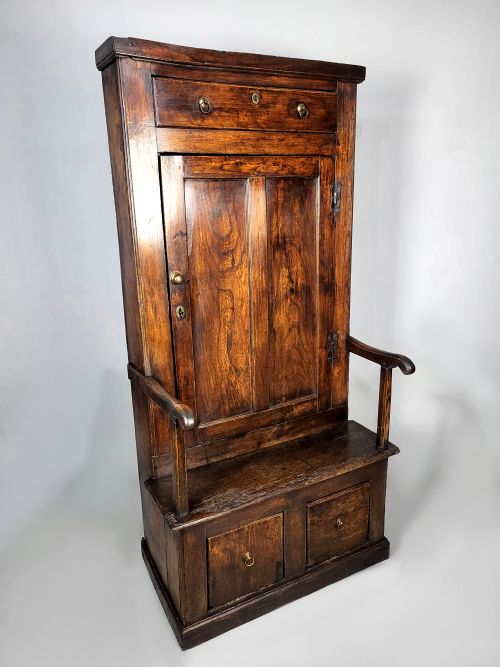
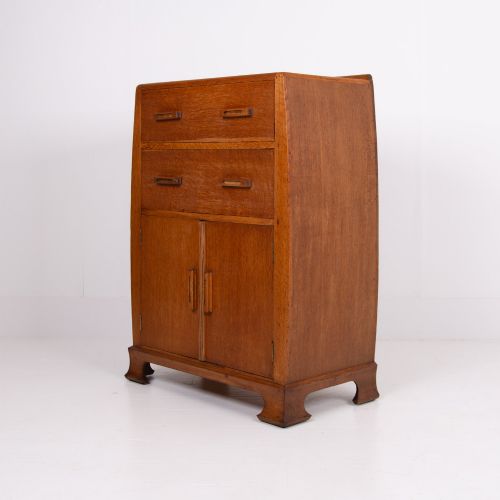
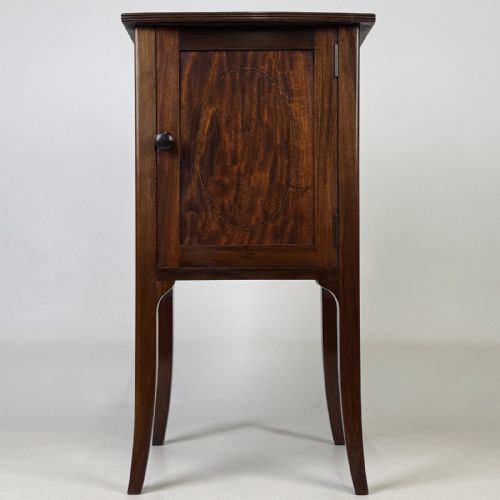
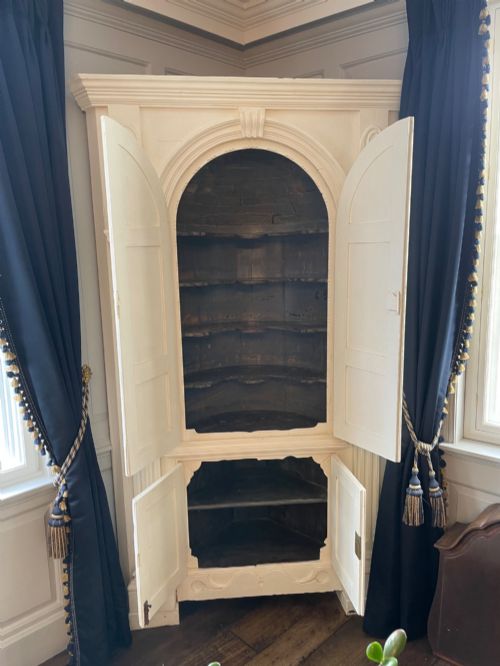
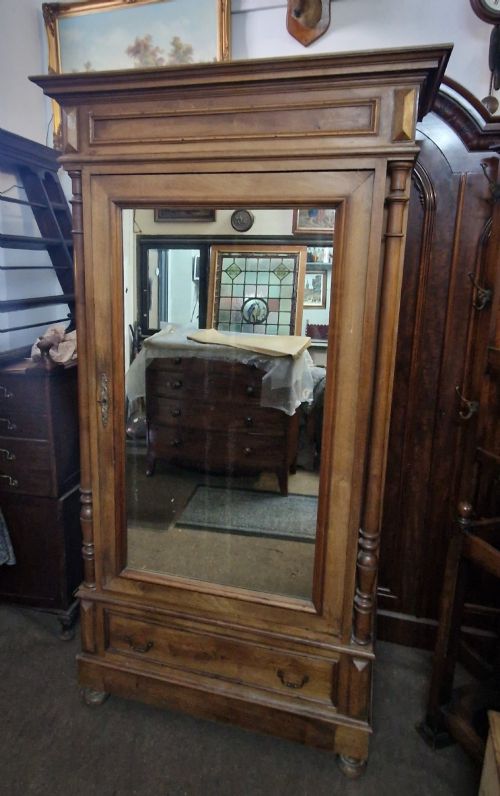
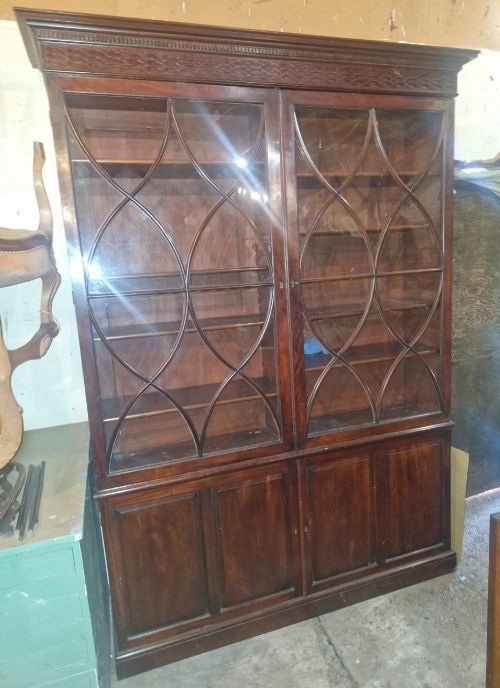
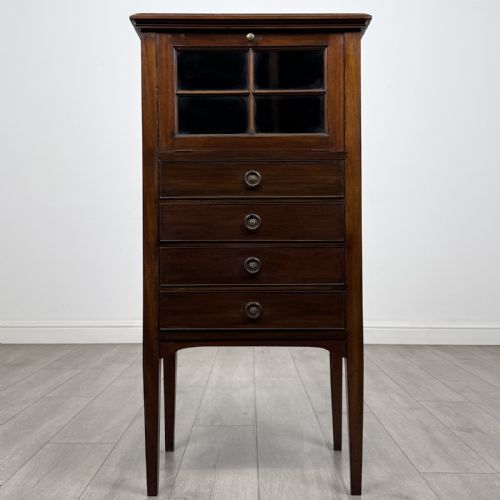
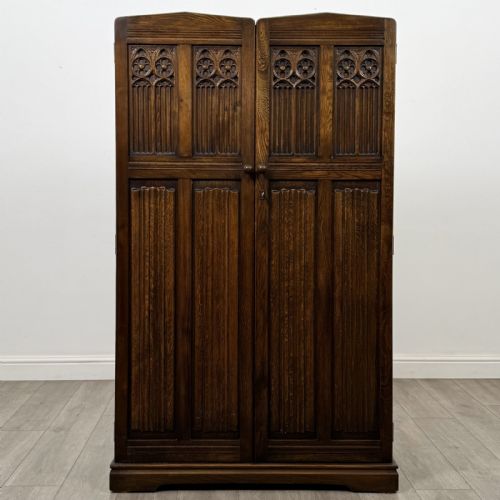
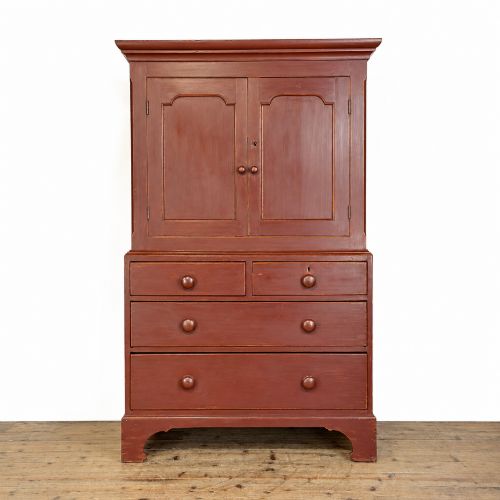
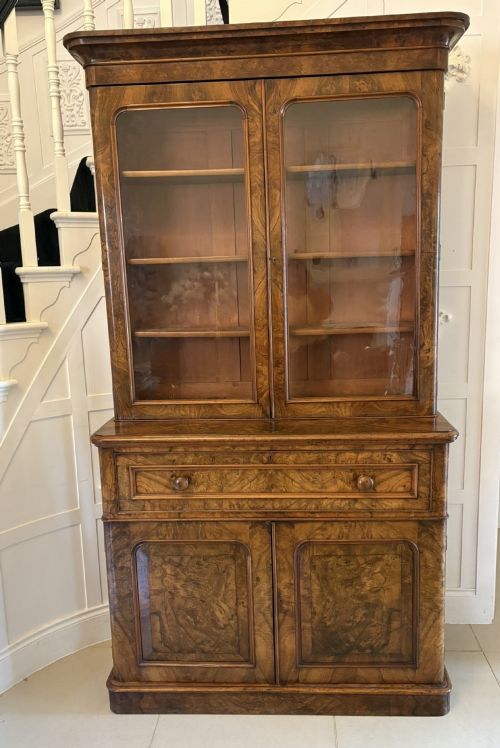
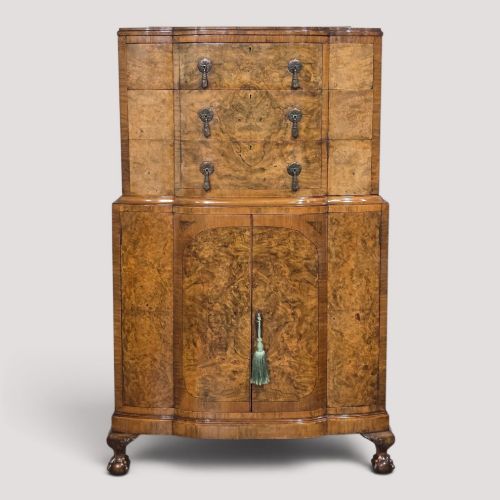
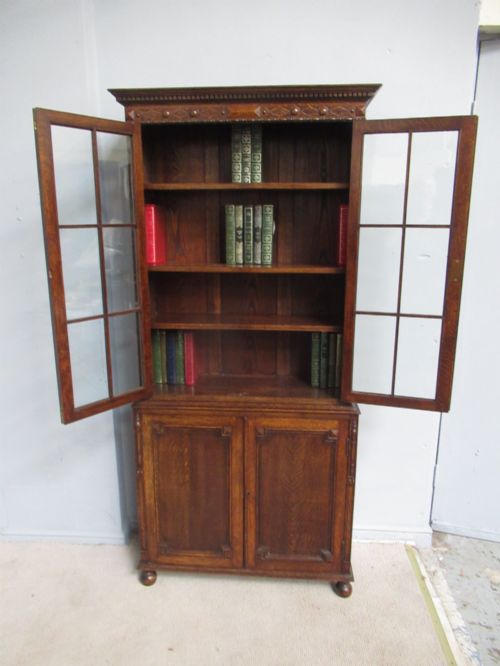
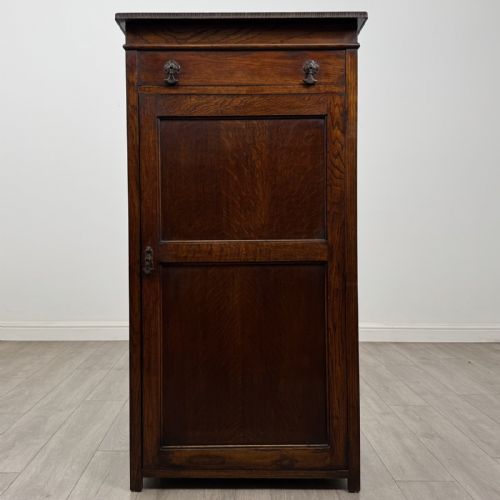
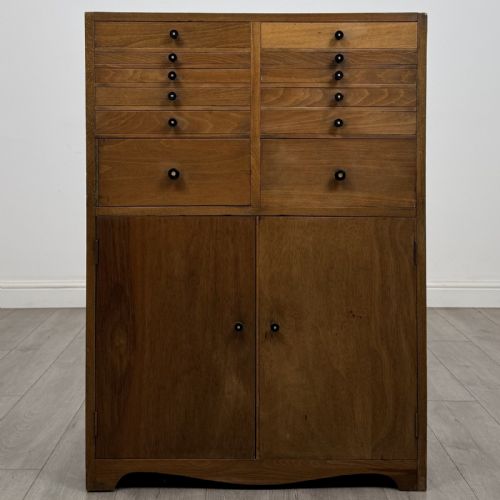
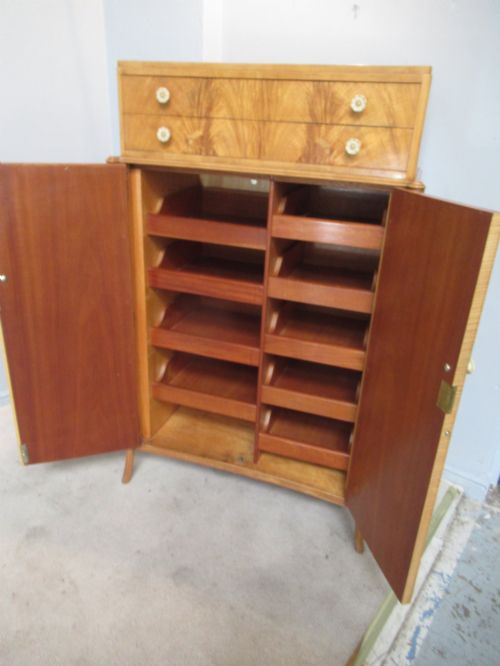
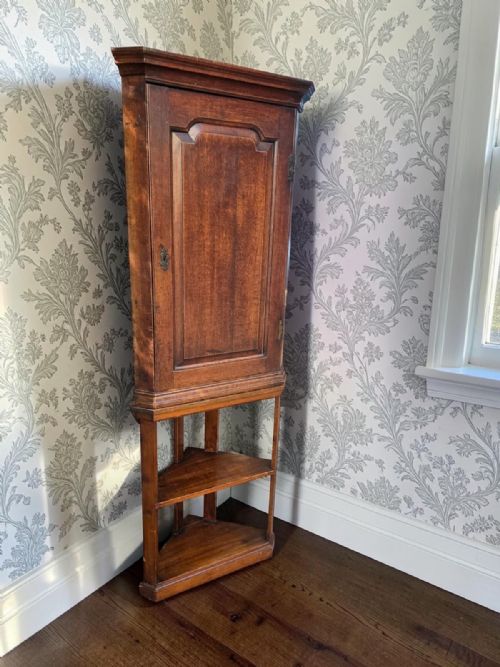
A vintage tall cupboard encompasses diverse vertical furniture forms designed to maximise storage within a modest floor footprint. When searching for a vintage tall cupboard, buyers encounter everything from Georgian linen presses and Victorian pine wardrobes to Edwardian oak tallboys and Art Deco bookcases. These pieces originate across the nineteenth and twentieth centuries, reflecting changing domestic requirements for hanging space, linen storage, and book housing.
The versions most frequently met on this page include sturdy pine housekeeper cupboards, polished mahogany bookcases, and oak fitted storage cabinets. Makers utilised substantial heights to divide interiors with shelves, drawers, and hanging rails. Choosing one depends on whether the interior requires open shelving for display or enclosed doors to hide domestic clutter.
Materials and construction methods
Carpenters constructed these pieces using dense hardwoods like mahogany and oak, alongside softer timbers such as pine and maple. Grain selection mattered greatly, with burr walnut veneer and satinwood inlay applied to prominent surfaces for visual depth.
Joinery techniques relied on traditional dovetails for drawer construction and sturdy pegged or mortise and tenon joints for frames. Brass hardware, leaded glass panels, and iron fittings secured doors and completed the structural integrity of each tall form.
Vintage Tall Cupboard Retail Price Guide 2026
Typical asking prices for vintage tall cupboard among the pieces listed under this phrase on Sellingantiques today, from the lower quarter to the upper quarter. They describe what is for sale here now, not the wider market.
One Edwardian oak tallboy hides a secret compartment for keeping private papers away from prying eyes.
Markers of superior craftsmanship
Quality reveals itself in the choice of timber and the precision of the underlying joinery rather than surface decoration alone. Pieces featuring solid secondary woods, well-figured mahogany or burr walnut veneers, and thick original brass hinges stand apart from simpler utility items.
Proportion and intact interior fittings dictate the upper tier of these tall forms. Original sliding trays within a linen press or fully fitted interior compartments demonstrate a higher standard of original commission than later domestic alterations.
GM Elwood·JS Henry·Maurice Jallot
The Vintage Tall Cupboard Glossary
- Linen press
- A tall piece with upper sliding trays for storing folded textiles and lower drawers for bulkier garments. These items often feature panelled doors and substantial cornices.
- Tallboy
- A tall chest of drawers, sometimes combining a wardrobe section with lower drawer banks. The form maximises storage while occupying minimal floor space.
- Secretaire
- A cabinet incorporating a pull-down writing flap that conceals small pigeonholes and drawers. This mechanism integrates a desk surface into a vertical storage unit.
- Raised gallery
- A low decorative railing or upstand attached to the top edge of a cabinet or chest. It prevents items placed on top from sliding off.
- Chinoiserie
- European decorative style employing simulated Chinese motifs and lacquerwork. Applied scenes often feature figures, pavilions, and outdoor landscapes.
Vintage Tall Cupboard: Frequently Asked Questions
What is the difference between a wardrobe and a linen press?
A wardrobe provides vertical hanging space behind tall doors for garments that need to remain crease-free. A linen press traditionally houses horizontal sliding trays inside the upper section for folded textiles.
Over time, many press interiors were adapted for modern hanging rails. Examining the internal configuration reveals the original intended domestic use.
How do I fit a tall cupboard into a modern room?
Measure ceiling height carefully before purchase, allowing clearance for decorative cornices and crown mouldings. Tall pieces need sufficient wall anchor support for safety, particularly in older properties with uneven floors.
Position the cupboard away from direct heat sources to protect timber veneers and solid panels from drying out. Use internal shelving configurations to balance heavy books with lighter decorative objects.
How do I identify the period of a tall cupboard?
Examine the timber species, construction marks, and hardware style to determine the era of manufacture. Georgian pieces often show hand-cut dovetails and dense mahogany, while Edwardian examples frequently use lighter oak with machine-planed internal elements.
Stylistic cues such as Arts and Crafts strapwork or Art Deco geometric parquetry provide further dating evidence. Secondary woods used inside drawers and back panels help confirm the period of construction.
Are pine cupboards meant to be painted or waxed?
Many nineteenth-century pine cupboards started life with painted finishes or scrubbed bare timber surfaces. Listings frequently describe pieces as suitable to wax or paint depending on current domestic preferences.
Applying clear wax nourishes dry pine and highlights the natural grain. Painting allows integration into contemporary colour schemes while preserving the historic structure.