



Vintage Tabriz Area Rug
A vintage tabriz area rug brings enduring Persian artistry and dense wool pile into a room.
Vintage Tabriz Area Rug
A vintage tabriz area rug originates from north-west Persia, representing centuries of established weaving traditions in the city of Tabriz. When exploring this selection, buyers encounter large country house carpets alongside smaller floor coverings designed for specific room dimensions.
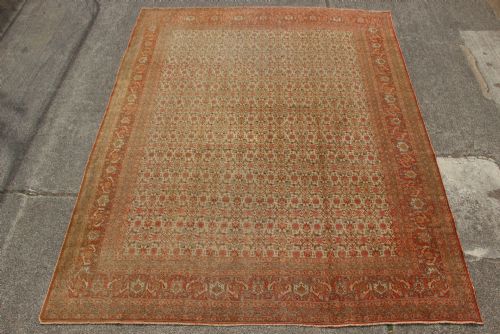
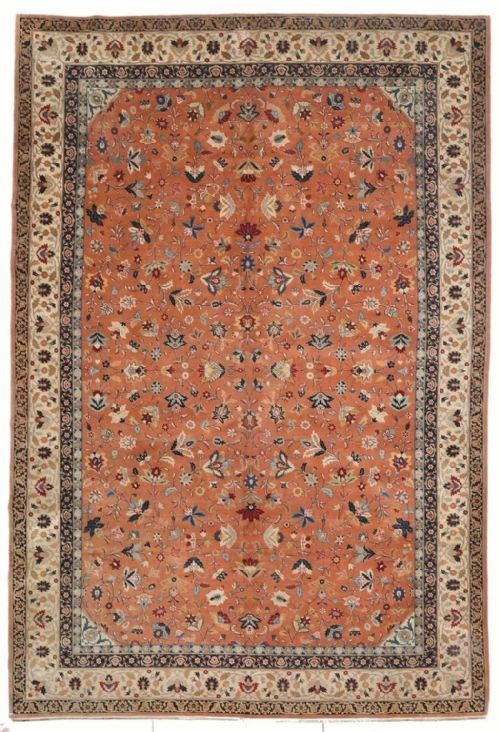
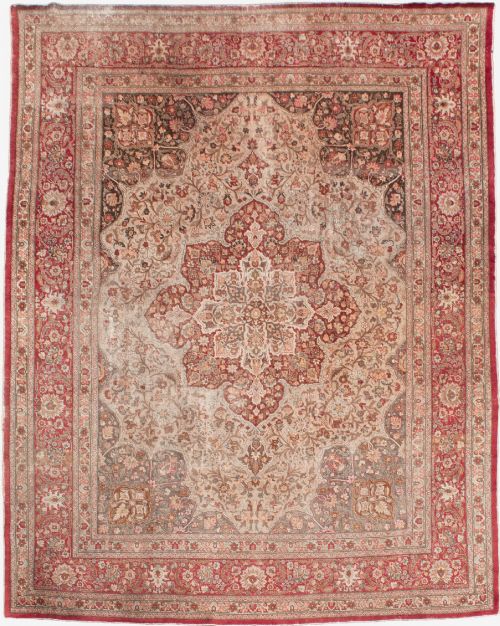
The pieces span various decades from the late nineteenth century through the early decades of the twentieth century. Traditional Persian floral designs, classic medallions, and overall Herati patterns define the visual language of these woven works.
Materials and Construction
Weavers utilised natural materials, predominantly wool and cotton, with occasional examples incorporating silk. Wool provides the durable, resilient pile necessary for heavy floor use, while cotton typically forms the foundational warp and weft structure.
The construction relies on precise knotting techniques executed on upright looms. This method allows for intricate floral motifs and complex geometric arrangements to hold their definition across large surface areas.
Vintage Tabriz Area Rug Retail Price Guide 2026
Typical asking prices for vintage tabriz area rug among the pieces listed under this phrase on Sellingantiques today, from the lower quarter to the upper quarter. They describe what is for sale here now, not the wider market.
Certain village rugs preserve minor weaver irregularities in the border symmetry that reveal the hand of the individual maker.
Distinctions in Quality
The fineness of the knot count and the precision of the design execution dictate the upper tier of the range. Finer knots permit greater detail in floral medallions and intricate borders, separating standard village productions from master workshop pieces.
Material selection also influences longevity and handle, with densely packed wool and fine silk highlights creating a more supple and responsive floor covering. The subtlety and harmony of the colour palette further separate exceptional examples from simpler counterparts.
Benlian·Hajji Jalili
The Vintage Tabriz Area Rug Glossary
- Tabriz
- A type of Persian carpet originating from the major weaving centre in north-west Persia. These pieces are known for sophisticated floral designs and varied room dimensions.
- Herati
- A repeating fish and rosette pattern frequently found across the field of Persian carpets. This traditional design creates an all-over texture on the woven surface.
- Medallion
- A central ornamental motif placed in the middle of the rug field. It serves as the primary focal point for the surrounding floral or geometric layout.
- Warp and Weft
- The foundational threads of the carpet where warp runs vertically and weft runs horizontally. Together they form the structural grid that holds the knotted pile in place.
Vintage Tabriz Area Rug: Frequently Asked Questions
How do I identify a Tabriz rug?
A vintage tabriz area rug typically displays classic Persian floral motifs, intricate central medallions, or all-over Herati patterns. The weave originates from north-west Persia and often incorporates a structured wool pile on a cotton foundation.
Examining the density of the knotting and the specific palette of soft pastel or traditional colours helps confirm the regional style.
Where were these carpets made?
These rugs and carpets were produced in and around the historic city of Tabriz in north-west Persia. Some examples originate from surrounding village workshops in the same geographical region.
Production methods remained tied to traditional Persian city and workshop practices spanning the nineteenth and twentieth centuries.
Are these rugs suitable for daily use?
The durable wool pile and sturdy cotton foundations make these floor coverings resilient enough for everyday placement in living rooms and dining areas. Larger room-size examples were originally built to anchor substantial country house interiors.
Using a quality underlay helps protect the natural fibres from excessive friction and movement on hard floors.
How do I determine the age of a piece?
Dating relies on stylistic markers, construction materials, and structural wear characteristic of nineteenth and early twentieth-century Persian weaving. Specific decades such as the 1920s or 1890s often manifest through distinct colour combinations and workshop signatures.
Comparing the weave density and design complexity against documented historical examples provides further chronological context.