


Vintage Table Gong Stand
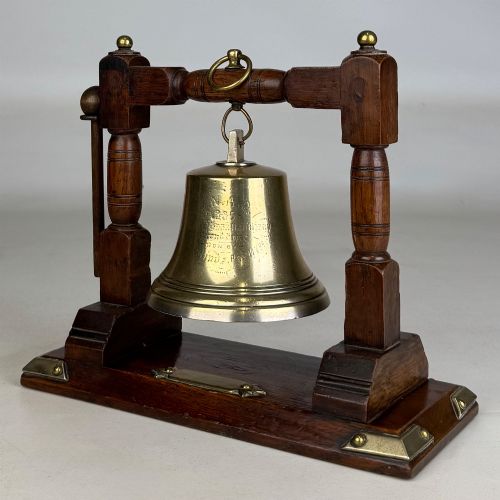
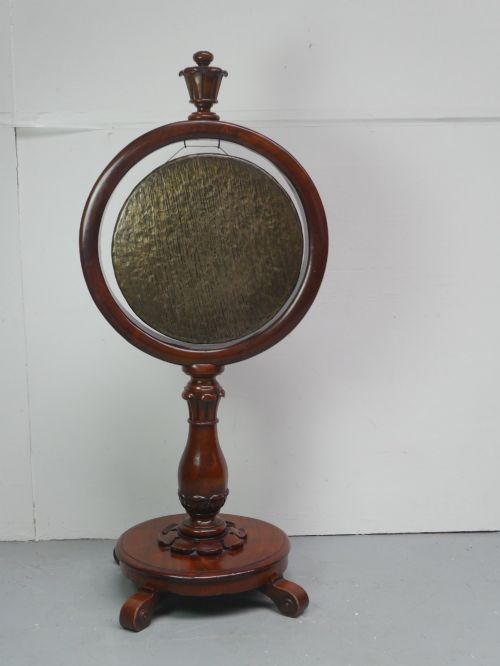
These vintage table gong stands hold the bells that once called a household to dinner, offering a striking sculptural presence for a modern interior.
Vintage Table Gong Stand
A vintage table gong stand provides a dedicated wooden or metal frame to suspend a resonant bell or disc for interior signaling. When searching for a vintage table gong stand, a buyer encounters pieces originating from the nineteenth and twentieth centuries.
The versions most commonly met on this page combine sturdy hardwood frames, such as oak or mahogany, with suspended brass or bronze bells. Styles range from plain Edwardian utility pieces to intricately carved Chinese Qing Dynasty style designs.
Many examples incorporate regional motifs reflecting international trade and colonial influence, spanning Burmese, Southeast Asian, and Chinese export aesthetics. Alongside standard dinner gongs, the selection includes related table bells and novelty silver plated items.
How they were made
Frames rely on traditional cabinetmaking in timbers like oak and mahogany, often featuring deep hand-carving depicting dragons or foliage. Joinery secures the uprights to stable bases designed to absorb the vibration of a struck bell.
Metal components utilise cast brass, bronze, and silver plate, shaped to produce a clear, sustained tone when hit with a mallet. Cord suspends the bell from the crossbar, allowing free movement and maximum acoustic resonance.
The documented styles include Edwardian, Art Nouveau, Chinoiserie, Chinese export, and Burmese designs.
What varies in quality
Quality rests in the depth of carving and the resonance of the metal rather than mere ornamentation. Superior stands demonstrate crisp detail in wood and cast metal, while lesser items show blunt edges and muffled tones.
The harmony between the stand's proportions and the bell's weight defines the craftsmanship. Coarser versions rely on simple turned dowels and thin plate, whereas better examples employ dense hardwoods and heavy cast bronze or brass.
The Vintage Table Gong Stand Glossary
- Dinner gong
- A suspended metal disc or bell struck with a mallet to announce meals in large houses. These pieces often feature fitted wooden frames for tabletop placement.
- Chinoiserie
- European artistic style reflecting Chinese motifs and techniques, popular in furniture and decorative objects. This aesthetic appears frequently on carved wooden stands.
- Temple bell
- A ritual bronze or brass bell adapted for decorative or domestic use in Western interiors. They produce a deep, resonant tone when struck.
- Arts and Crafts
- A design movement valuing handcraftsmanship and simple materials over industrial mass production. Stands from this period emphasise honest construction and exposed grain.
- Silver plate
- A thin layer of silver applied to a base metal to give the appearance of solid silver. This finish appears on novelty table gongs from the Victorian era.
Vintage Table Gong Stand: Frequently Asked Questions
How were table gongs used?
Households struck these gongs with a small mallet to summon family members and guests to the dining room for meals. They served a practical domestic purpose before electronic buzzers and bells became common.
In grander houses, servants listened for the specific tone of the gong to coordinate the serving of courses. Today, they function primarily as decorative objects with a distinctive historical presence.
What woods are typical for stands?
Oak and mahogany appear most frequently among the timber frames supporting these bells. These dense hardwoods provided the structural stability needed to hold a heavy suspended metal bell.
Carved examples often utilise exotic hardwoods that allowed artisans to execute intricate relief work, such as dragons and floral scrolls. The grain and finish vary according to the period and regional workshop style.
How do I date a gong stand?
Stylistic indicators like Art Nouveau curves or Edwardian simplicity help place a piece within a specific decade. Material choices, such as silver plating on nineteenth-century novelty items, also offer chronological clues.
Makers often employed construction methods characteristic of their era, from hand-cut joints to machine-turned components. Examining the patina of the wood and metal confirms the age of the object.
Where should I place a stand?
These pieces suit sideboards, console tables, or entrance halls where their sculptural wooden frames can be appreciated. They require a stable surface with enough clearance around the suspended bell.
Placing them away from heavy foot traffic protects the hanging cord and mallet from accidental damage. They pair well with traditional interiors and eclectic modern spaces alike.