





Vintage Table Decoration
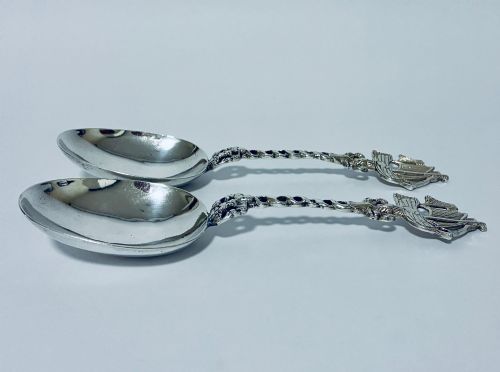
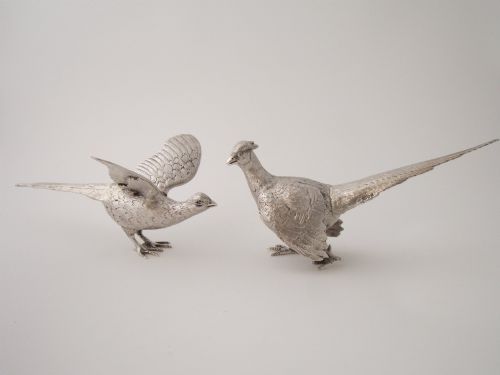
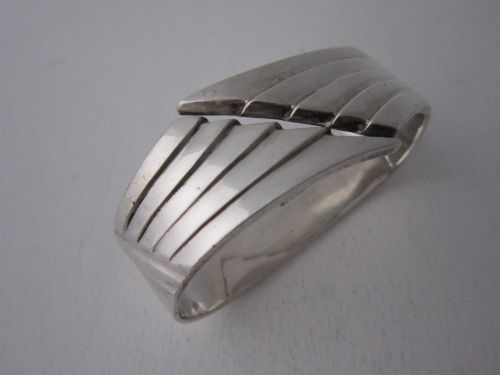
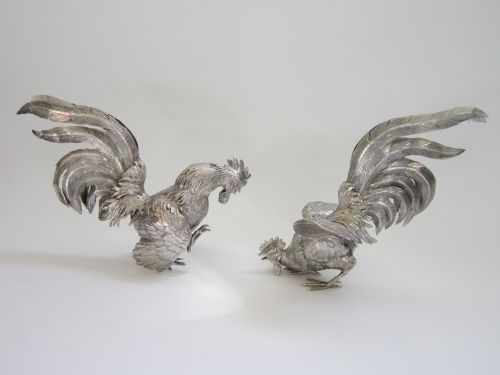
Vintage table decoration spans silver models and carved wooden bowls, bringing character and conversation to dining spaces.
Vintage Table Decoration
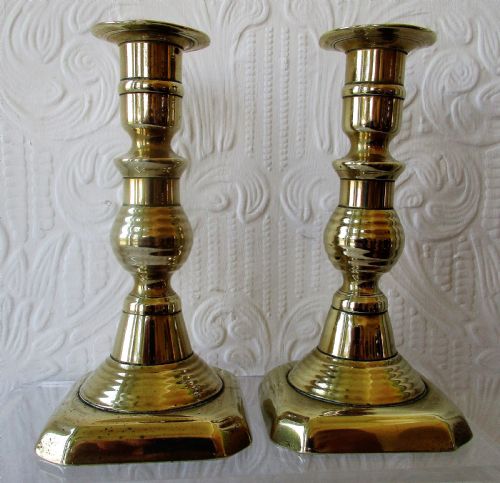
Vintage table decoration encompasses a broad array of functional and ornamental items designed to adorn dining and occasional surfaces. Buyers seeking vintage table decoration will encounter pieces ranging from Edwardian glass epergnes and silver menu holders to carved wooden fruit bowls and brass candlesticks.
Domestic dining settings and occasional surfaces benefit from these items, which range from small silver place holders modelled as horses' heads to large crystal bowls with enamel decoration. Each piece reflects the decorative priorities of its respective period, from Victorian stenciling to Arts and Crafts hand hammering.
Materials and methods of construction
Metals form a significant portion of these items, utilising sterling silver, silver plate, brass, copper, and iron. Artisans employed techniques such as hand hammering, chasing, and casting to shape metals into intricate animal models, menu holders, and decorative urns.
Glass and ceramics feature prominently through crystal bowls, oil lamps, epergnes, and painted plates. These glass and ceramic pieces frequently incorporate painted, gilt, or enamel decoration applied by hand.
Woodwork relies on timbers such as oak, mahogany, and satinwood, often enhanced by carved details, floral painted decoration, or stenciling. Craftsmanship across these materials demonstrates traditional bench-working methods from the nineteenth and twentieth centuries.
Vintage Table Decoration Retail Price Guide 2026
Typical asking prices for vintage table decoration among the pieces listed under this phrase on Sellingantiques today, from the lower quarter to the upper quarter. They describe what is for sale here now, not the wider market.
Dinner guests can consult silver menu holders depicting Alice in Wonderland characters while awaiting the woodcock.
Distinctions in quality and execution
The standard of execution in metalwork separates mass-produced items from superior examples. Finely chased details on copper urns and crisp casting on silver figural models indicate higher levels of artisanal skill.
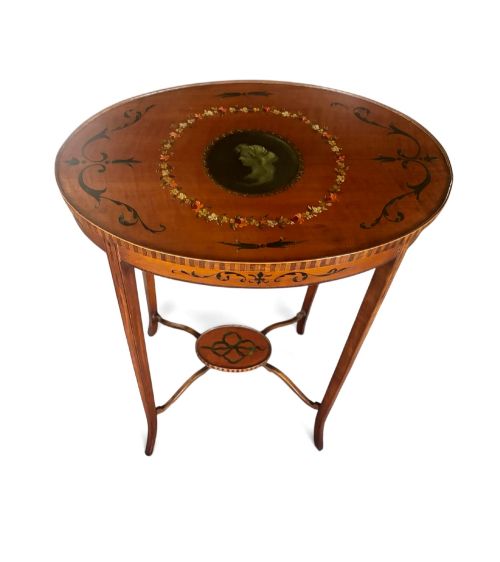
Material selection and surface preservation dictate the standing of glass and wooden objects. Intact hand-applied enamel decoration on crystal and well-preserved painted floral motifs on satinwood and mahogany occasional tables elevate the integrity of the piece.
R. E. Stone·St Louis glassworks·Cartier
The Vintage Table Decoration Glossary
- Epergne
- A central tabletop ornament featuring multiple branches or tiers holding small baskets, dishes, or vases for fruit, sweets, or flowers. Edwardian examples often utilise pearlescent glass.
- Comport
- An ornamental dish or bowl raised on a stem and foot, used for serving fruit or sweets on a dining table. Austrian examples from around nineteen hundred demonstrate this form.
- Menu Holder
- A small tabletop stand designed to hold printed menu cards upright for guests during formal dinners. Pairs modelled on literary characters are particularly distinctive.
- Table Gong
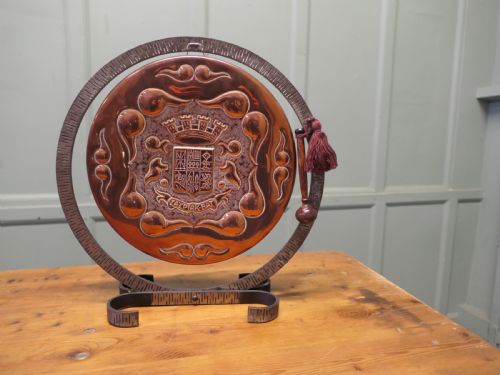
- A small hanging metal gong struck with a mallet, historically used to announce meals in large domestic households. Frames often combine copper and iron with hand-hammered surfaces.
- Bijouterie Table
- A glazed glass-topped table designed for displaying small precious objects, curiosities, or jewellery. Edwardian versions frequently employ mahogany frames with painted decoration.
Vintage Table Decoration: Frequently Asked Questions
What is a table gong?
A table gong is a small percussion instrument mounted on a stand, historically used in homes to signal the start of a meal.
These pieces typically combine metals like copper and iron, often featuring hand-hammered construction.
What is an epergne?
An epergne is a large, ornate centerpiece designed to hold fruit, sweetmeats, or flowers across multiple tiers or suspended dishes.
Edwardian versions often utilised coloured or pearlescent glass.
How do I identify Edwardian pieces?
Edwardian items date from the reign of Edward the Seventh, spanning the early years of the twentieth century.
They often feature lighter timbers like satinwood, painted floral decoration, and delicate glass forms.