



Vintage Swiss Wood Carving
These vintage swiss wood carving pieces bring charming animal figures and folk artistry into your home with enduring character.
Vintage Swiss Wood Carving
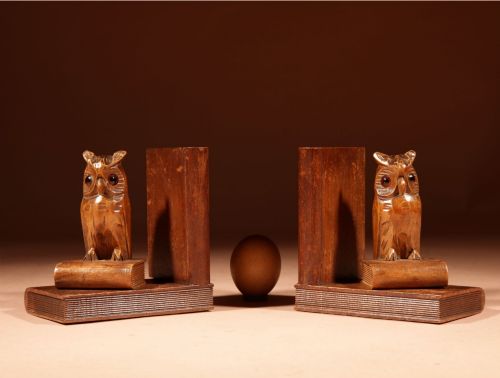
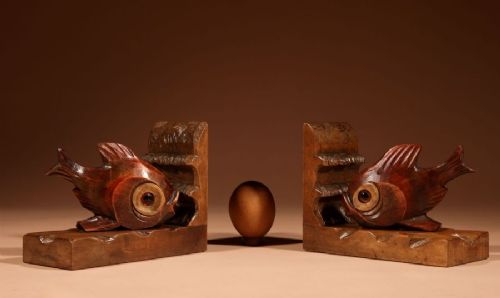
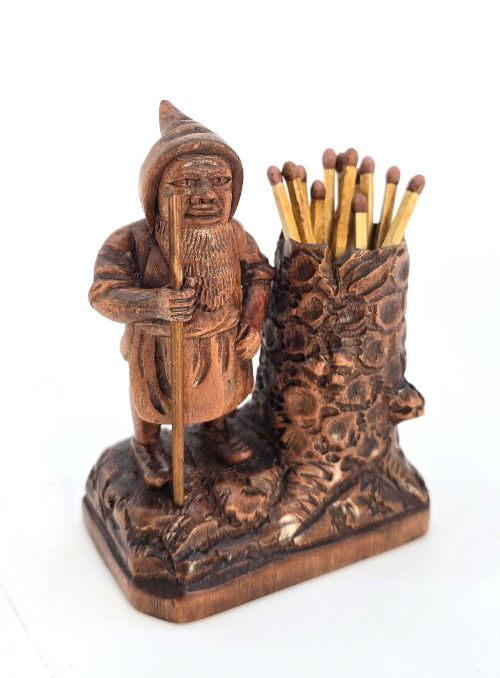
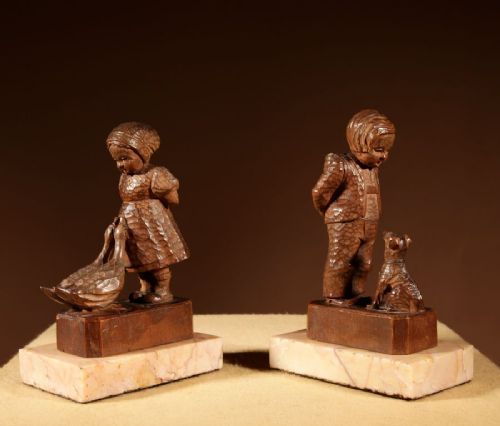
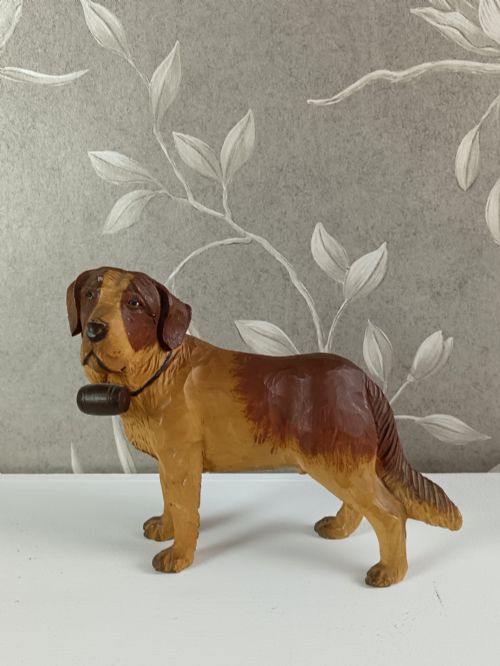
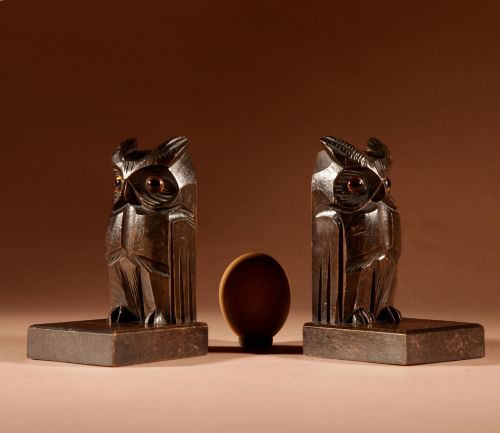
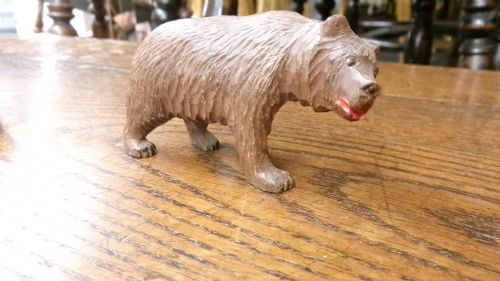
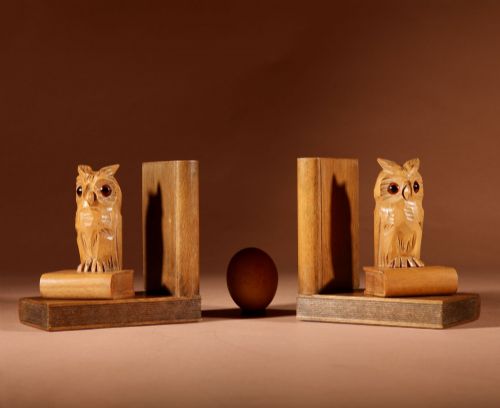
A vintage swiss wood carving delivers both function and decorative charm, frequently taking the form of bookends, nutcrackers, and figural sculptures. Animals feature prominently among these objects, with bears, owls, and dogs dominating the domestic items produced across the decades.
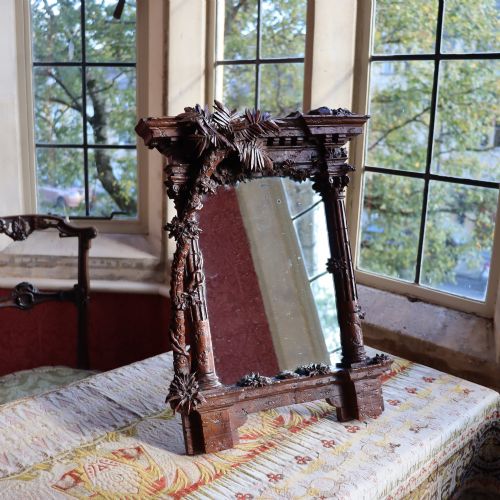
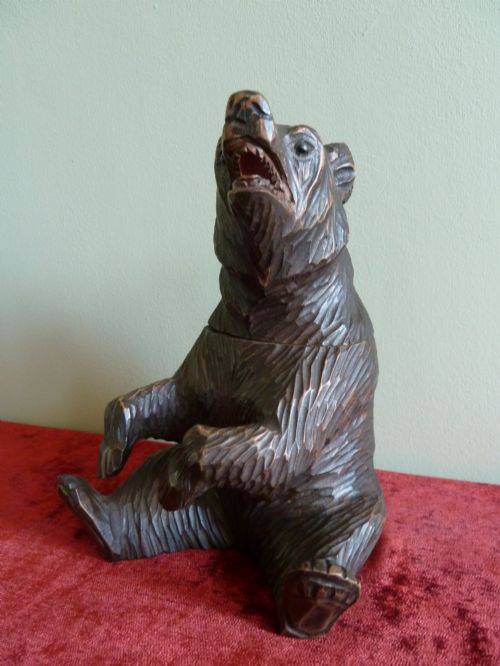
The selection here draws heavily from the Black Forest and Alpine folk art traditions, spanning the nineteenth century into the mid-twentieth century. Buyers encounter practical household items such as match holders, humidors, wall mirrors, and stick stands alongside pure sculptural figures.
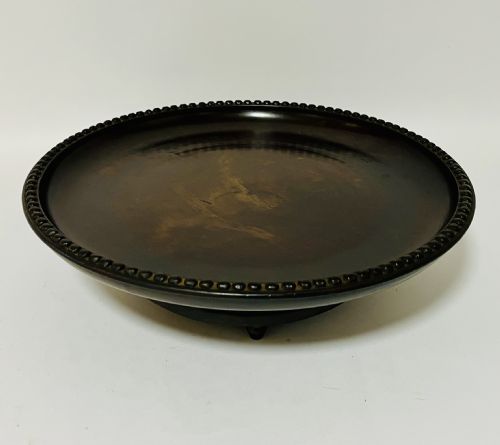
Objects range from miniature animal groupings to large hall stands and hunting trophies, reflecting the diverse output of carvers working in Switzerland and the wider region. Pieces from the Edwardian and Victorian eras sit alongside items dated into the nineteen-twenties and nineteen-forties.
How they were made
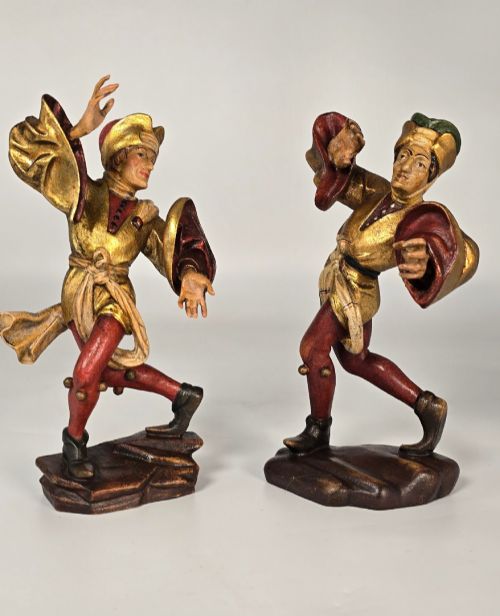
Carvers predominantly utilised linden wood and walnut for these items, selecting timber that held fine detail under chisels and gouges. Lighter woods allowed intricate rendering of fur, feathers, and facial expressions on bears, birds, and human figures alike.
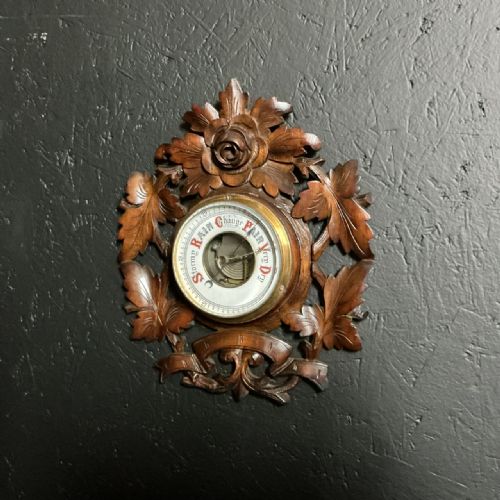
Makers occasionally incorporated glass eyes, metal hardware, brass accents, and painted highlights to complete the composition of table lamps, barometers, and boxes. Working by hand, artisans shaped each block into functional objects like nutcrackers and desk tidies without losing sculptural form.
Vintage Swiss Wood Carving Retail Price Guide 2026
Typical asking prices for vintage swiss wood carving among the pieces listed under this phrase on Sellingantiques today, from the lower quarter to the upper quarter. They describe what is for sale here now, not the wider market.
Current listings feature carved wood works spanning from the nineteenth century through the nineteen-forties, executed primarily in linden wood and walnut.
What varies in quality
The precision and depth of the hand-carving define the upper tiers of these works, where anatomy and texture receive lifelike treatment. Weaker examples show generalised blocking and hurried finishing that obscure the natural spirit of the subject.
Proportion and balance distinguish superior figures, particularly in large compositions like stick stands, animal groups, and architectural wall mirrors. The integration of functional elements, such as working hinges on humidors or sturdy mechanisms on nutcrackers, sets accomplished workshop production apart.
The Vintage Swiss Wood Carving Glossary
- Linden wood
- A pale timber commonly chosen by carvers for its fine grain and ease of cutting. This wood takes sharp chisel marks well.
- Black Forest style
- A regional carving aesthetic known for realistic depictions of local wildlife and rustic domestic objects. Bears and woodland animals remain central to this tradition.
- Humidor
- A specialised box designed to store cigars at a controlled humidity. These containers often take figural animal shapes in carved wood.
- Desk tidy
- A small container or tray arranged to hold pens, inkwells, and stamps. Such items frequently incorporate carved dogs or cows.
- Stick stand
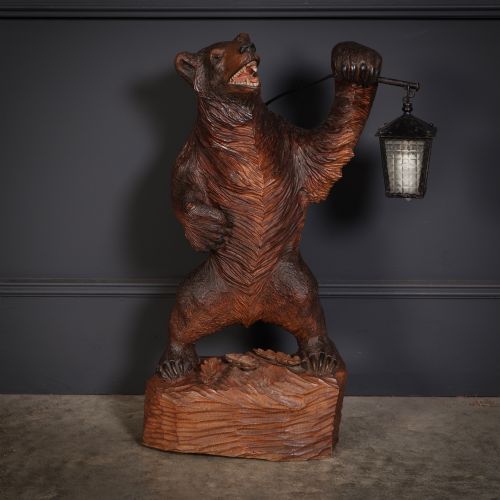
- A tall piece of furniture intended to hold walking sticks and umbrellas. Carved examples often feature life-sized bears holding the frame.
Vintage Swiss Wood Carving: Frequently Asked Questions
What animals appear most often in these carvings?
Bears emerge as the dominant subject across stands, bookends, and boxes, reflecting traditional alpine themes. Owls, dogs, cows, and birds of prey also appear regularly in various sizes.
Carvers favoured these creatures for their expressive potential in domestic objects like nutcrackers and lamps.
How do I date an antique wooden carving?
Dates rely on stylistic clues, historical evidence from signatures, and the type of secondary materials used in the construction. Nineteenth-century pieces often display deeper, more robust carving techniques.
Later items from the early twentieth century introduce simpler forms and different mechanical fittings for items like humidors and barometers.
Were these objects meant to be useful?
Many pieces combined decorative appeal with everyday utility, serving as bookends, match strikers, barometers, and tobacco boxes. Even purely sculptural figures often formed parts of larger desk sets or hall furniture.
Owners integrated them into daily domestic life rather than keeping them solely on display.
What is alpine folk art?
Alpine folk art encompasses regional craft traditions rooted in mountain communities where woodcarving flourished during winter months. It emphasises local fauna, pastoral life, and practical household goods.
This tradition bridges the gap between utilitarian carpentry and detailed fine sculpture.