

Vintage Swiss Movement Timepiece
A vintage swiss movement timepiece brings precision engineering and classic proportions together, spanning pocket watches, robust wristwatches and heavy brass carriage clocks.
Vintage Swiss Movement Timepiece
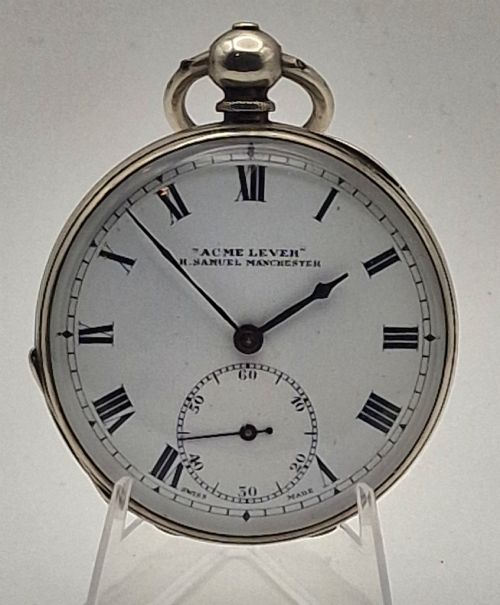
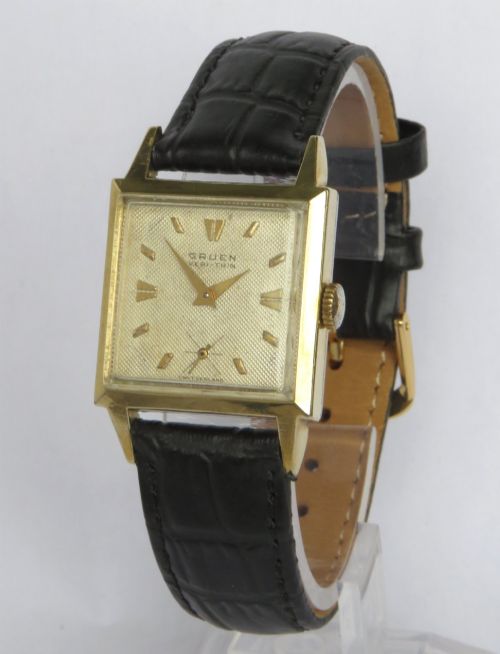
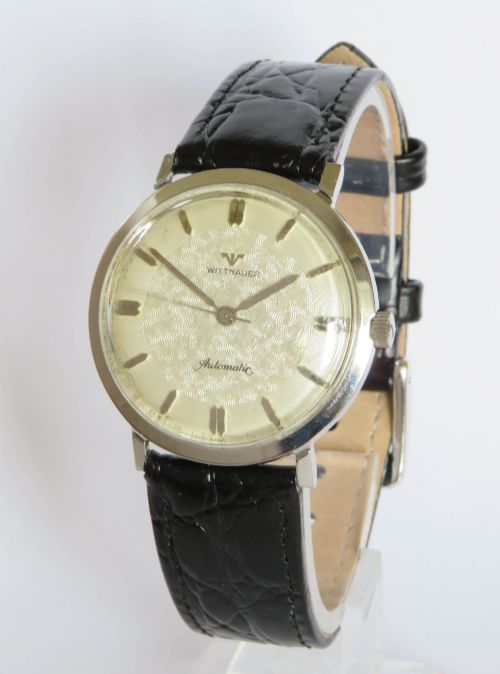
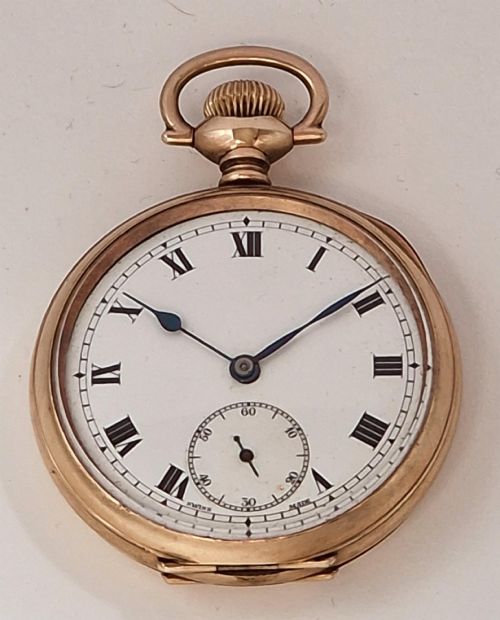
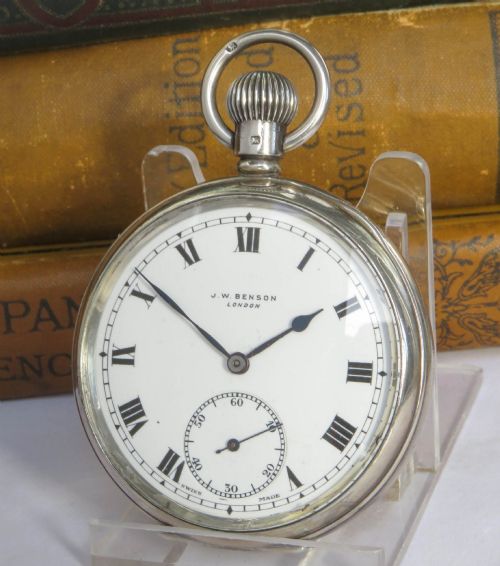
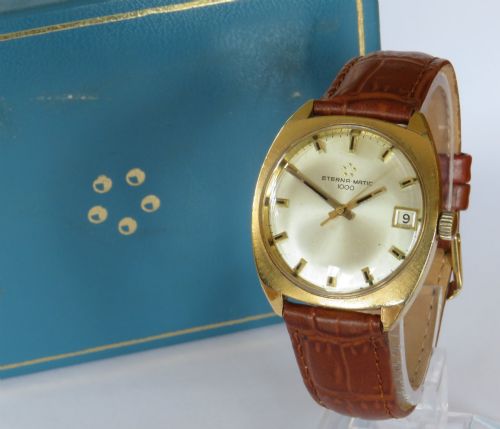
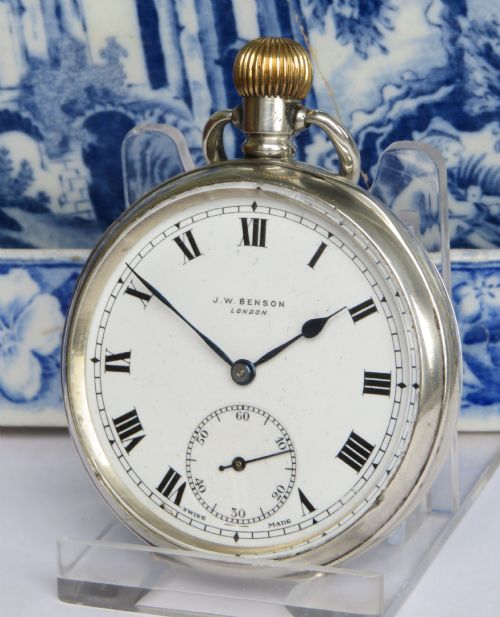
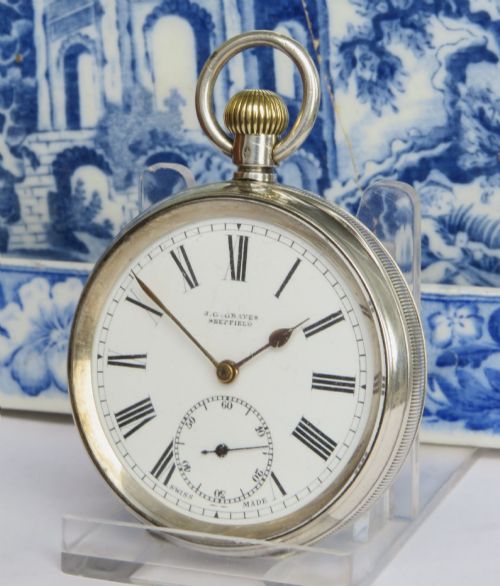
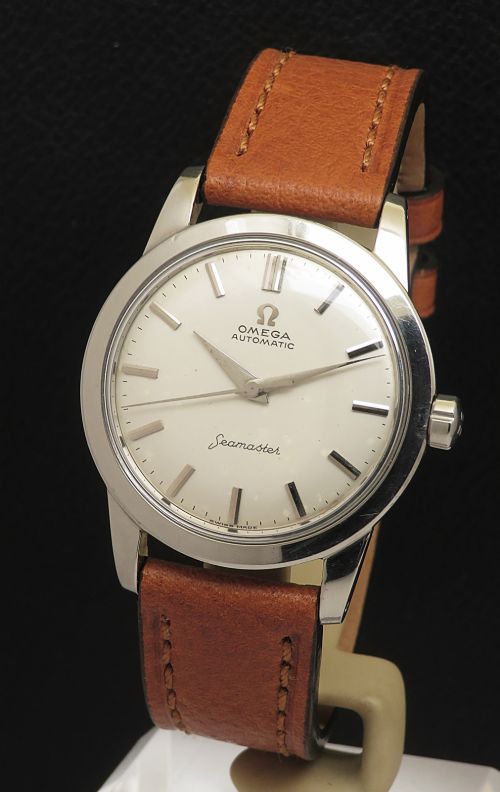
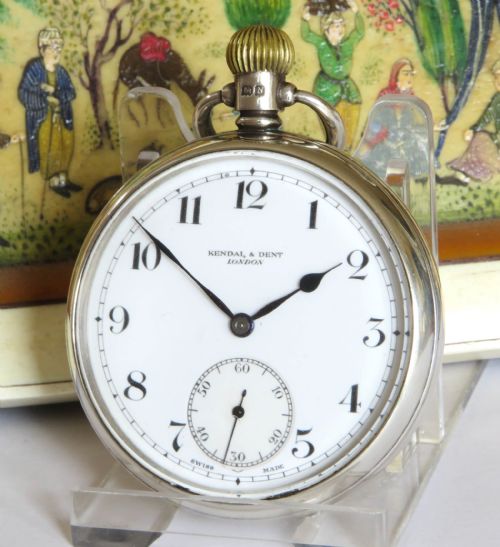
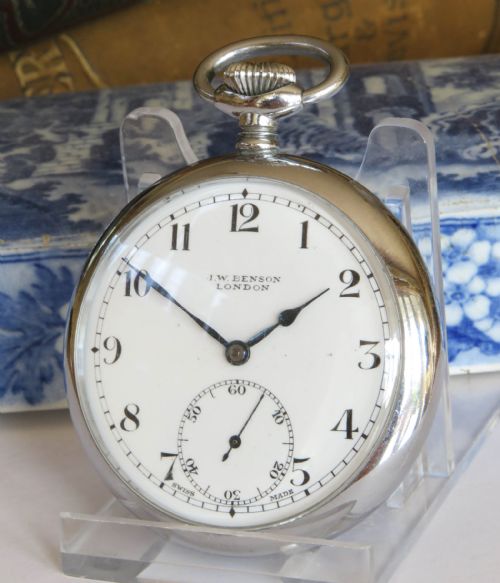
A vintage swiss movement timepiece encompasses mechanical wristwatches, pocket watches, and desk clocks originating from the nineteenth century through to the mid-twentieth century. The selection leans heavily towards mid-century wristwatches and earlier pocket watch forms.
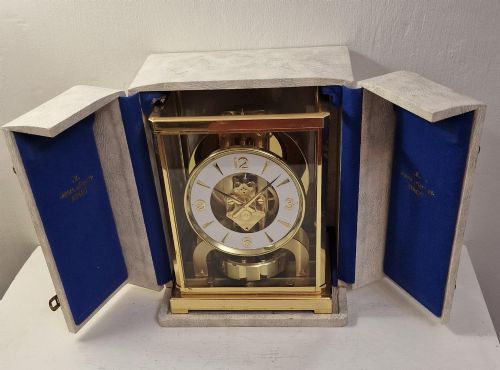
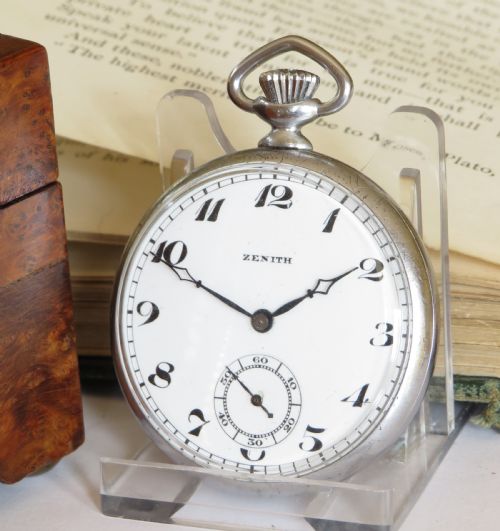
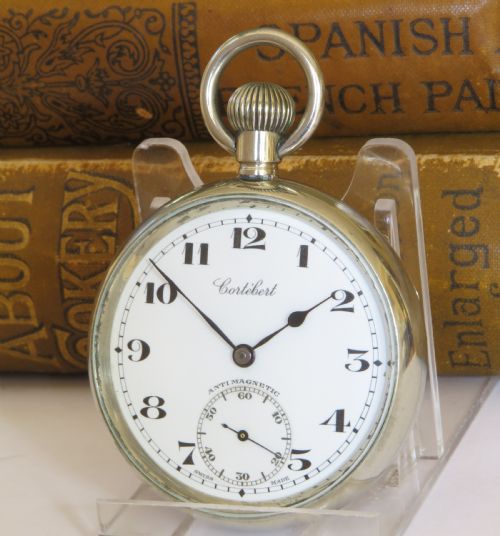
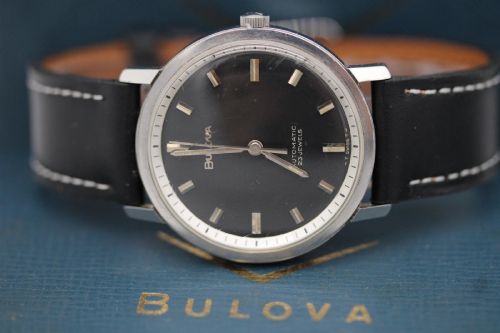
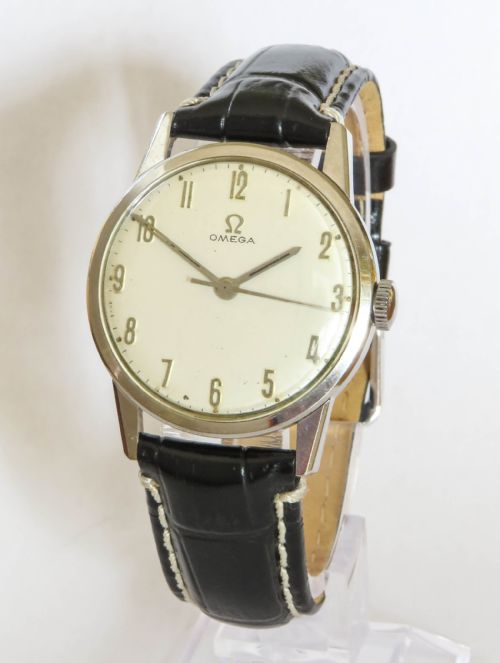
Makers housed Swiss mechanisms inside varied cases, ranging from mid-century steel wristwatches to Edwardian carriage clocks and early pocket watches. Buyers encounter styles spanning Art Deco, Mid-Century Modern, and Victorian aesthetics.
The assortment includes specialised pieces such as military issues, triple-date chronographs, and heavy gold dress watches. Each item relies on traditional Swiss engineering housed in distinct period cases.
Materials and construction
Casework utilises stainless steel, solid gold, gold plate, brass, and silver, paired with glass crystals and leather straps. Metal components often feature polished or brushed finishes alongside enamel dials.
Movements rely on precision mechanical gears, manual wind mechanisms, and auto-wind systems housed within protective metal casings. Desk and carriage clocks integrate heavy brass and gilt bronze frames with glazed panels.
Vintage Swiss Movement Timepiece Retail Price Guide 2026
Typical asking prices for vintage swiss movement timepiece among the pieces listed under this phrase on Sellingantiques today, from the lower quarter to the upper quarter. They describe what is for sale here now, not the wider market.
Markers of distinction
Distinction rests upon the complexity of the movement, such as chronograph functions, multi-date calendars, or automatic winding systems. Solid gold cases and heavy precious metal construction elevate a piece above standard plated versions.
Originality of components, including signed dials, matching cases, and factory boxes, separates standard examples from exceptional survivals. The precision of the Swiss calibre and the crispness of case proportions dictate the upper tier of the range.
Omega·Longines·Gruen Precision·Tissot·Bulova·Cyma·Benrus·Tudor·Stauffer
The Vintage Swiss Movement Timepiece Glossary
- Calibre
- The specific internal mechanism or movement model created by a watchmaker. This identifier denotes the layout and design of the internal gears.
- Full hunter
- A pocket watch featuring a spring-loaded metal cover that protects the dial from damage. The lid opens via a push-button mechanism on the crown.
- Carriage clock
- A portable spring-driven clock designed for travel during the nineteenth and early twentieth centuries. These pieces typically feature heavy brass frames and glass panels.
- Chronograph
- A timepiece equipped with a secondary independent sweep hand to measure elapsed intervals. This complication adds stopwatch functionality to the dial.
- Automatic
- A self-winding mechanical movement that uses the natural motion of the wearer's wrist to power the mainspring. This negates the need for daily manual winding.
Vintage Swiss Movement Timepiece: Frequently Asked Questions
How do I wind a mechanical watch?
Turn the crown clockwise between your thumb and forefinger until you feel gentle resistance. Stop immediately once tension increases to avoid damaging the internal mainspring.
Most vintage wristwatches require daily winding if they lack an automatic movement. Consistent handling keeps the internal mechanisms functioning reliably over time.
What is a carriage clock?
A carriage clock is a portable timekeeper enclosed in a heavy brass and glass case designed for travel. They originated in the nineteenth century for use on journeys.
These clocks feature a folding handle on top and a platform escapement visible through the glass panels. Many include striking mechanisms or alarms.
How do I read a pocket watch?
Open the metal cover if the piece is a full hunter, or view the dial directly if it is an open-face model. Hold the watch steady to read the hands against the hour markers.
The winding crown sits at the top twelve position, often connected to a chain secured in a waistcoat pocket. The secondary sub-dial usually tracks the running seconds.
Are these watches waterproof?
Vintage timepieces lack modern rubber seals and waterproof engineering. Exposure to moisture can rust delicate internal steel components and ruin paper or enamel dials.
Avoid wearing these pieces near water or in heavy rain. Keep them stored in dry conditions away from extreme humidity.