



Vintage Sweetmeat Dish
A vintage sweetmeat dish is a small, elegant vessel for confectionery, offering a glimpse into formal dining traditions from the nineteenth and twentieth centuries.
Vintage Sweetmeat Dish
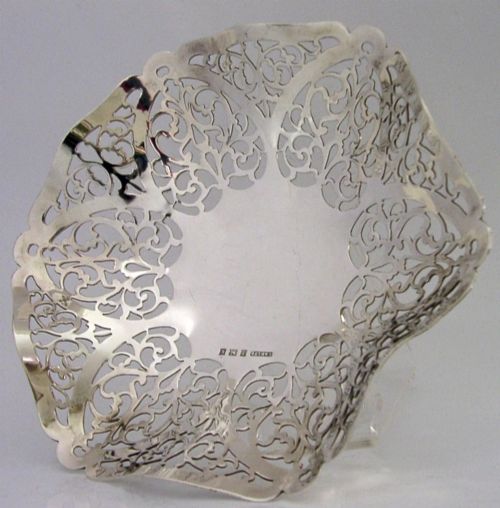
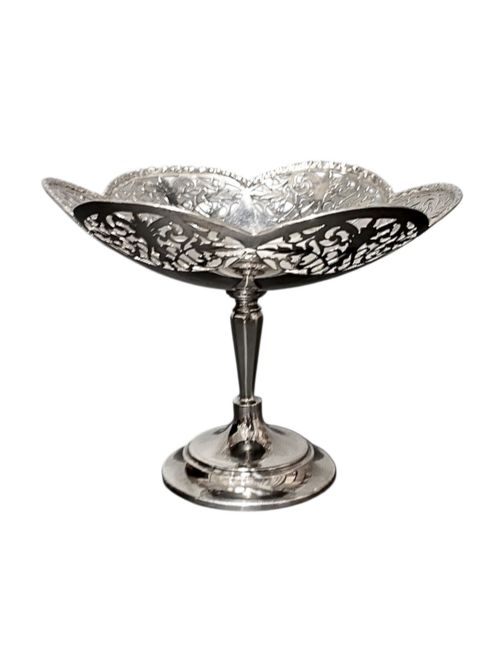
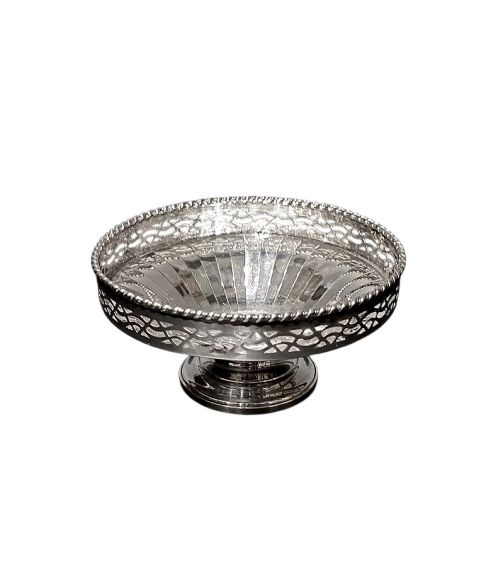
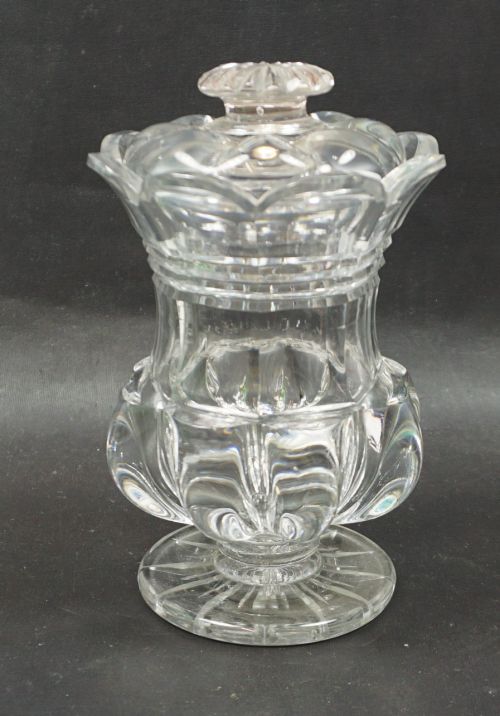
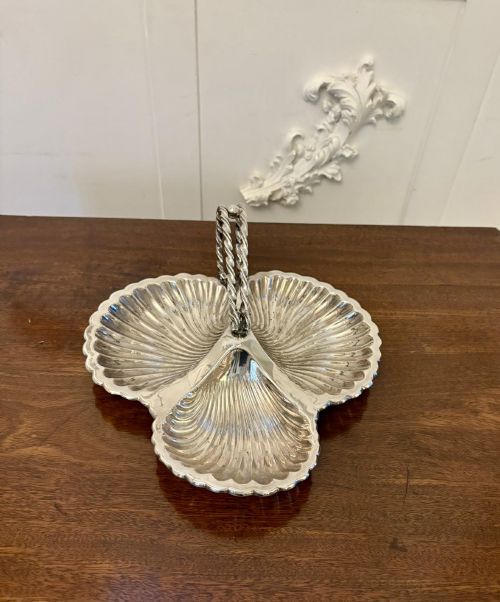
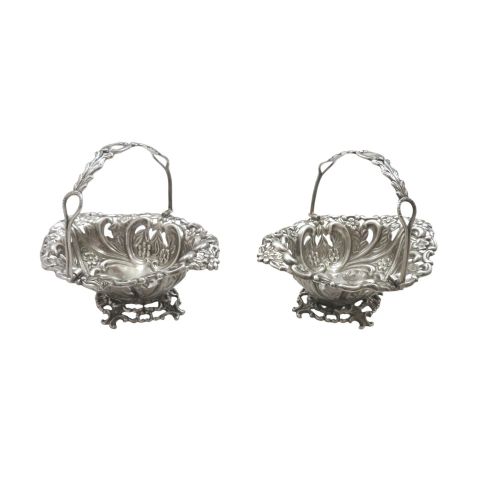
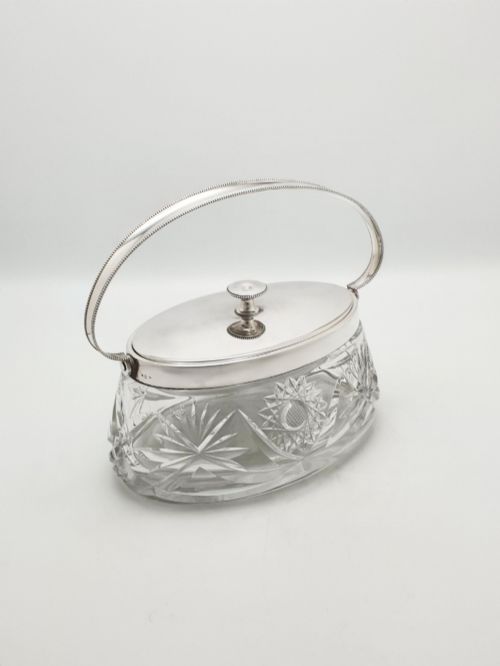
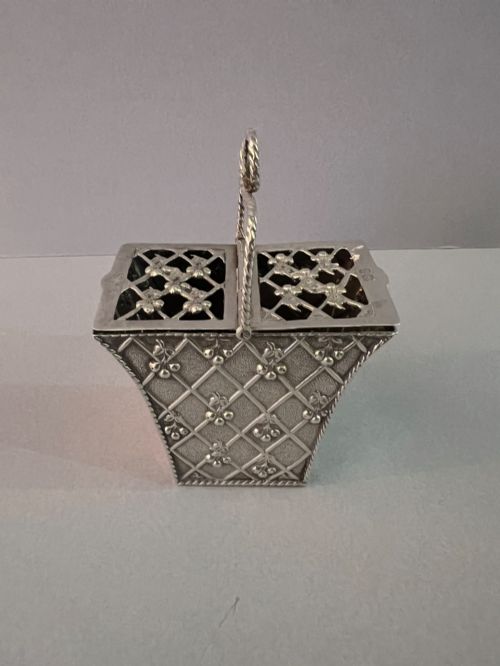
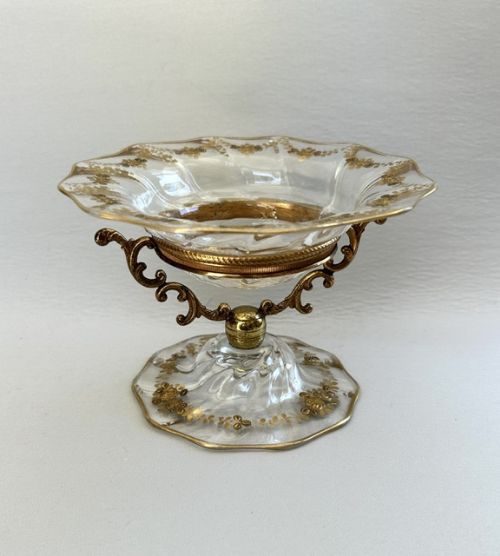
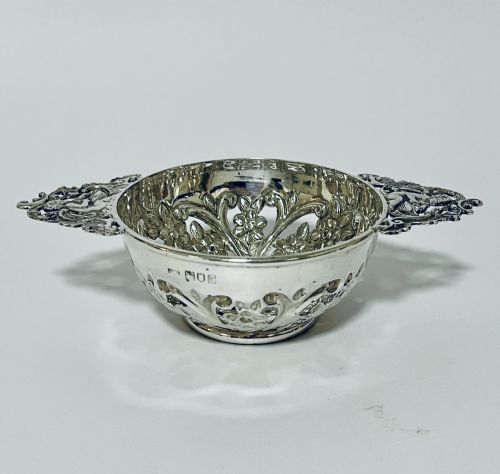
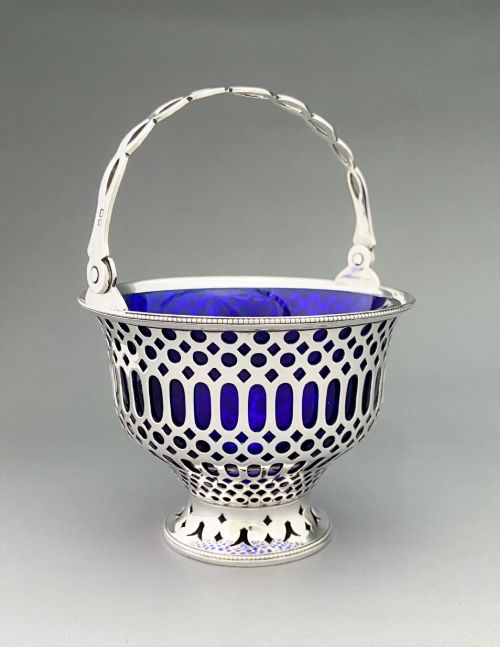
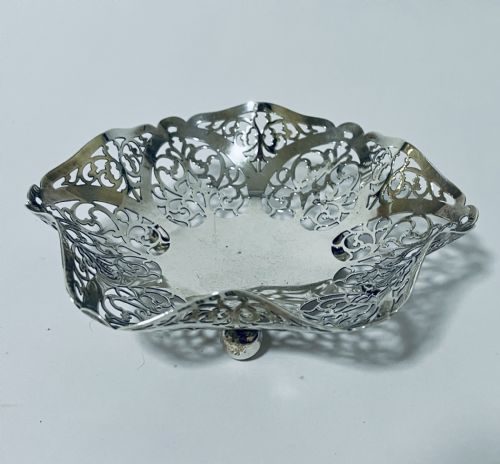
A vintage sweetmeat dish encompasses small bowls, bonbon dishes, footed tazzas, and swing-handled baskets designed for serving small sweet treats. These pieces emerge across the nineteenth and twentieth centuries, taking various domestic forms from simple glass bowls to elaborate silver baskets.
The selections span distinct periods including the Edwardian era, Art Nouveau, Art Deco, and the mid-century decades. British silver and plate predominate, alongside continental glass and porcelain from French and German makers.
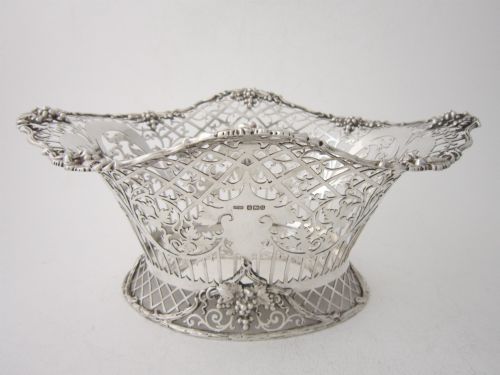
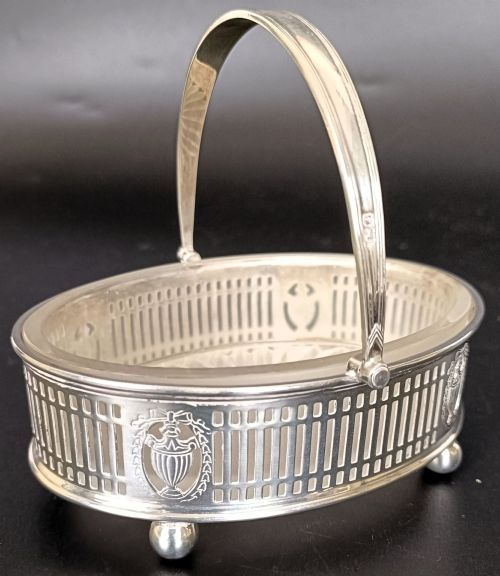
Buyers frequently encounter sterling silver and silver-plated baskets featuring pierced or lattice work, as well as cobalt and cut glass vessels encased in metal mountings. These vessels reflect a sustained British and European taste for decorative tabletop presentation.
Materials and Techniques
Metals form the structural backbone of these pieces, utilising sterling silver, silver plate, and electroplated nickel silver alongside decorative ormolu and gilding. Silversmiths employed techniques such as piercing, casting, and hallmarking, particularly in major manufacturing hubs like Sheffield and Birmingham.
Vintage Sweetmeat Dish Retail Price Guide 2026
Typical asking prices for vintage sweetmeat dish among the pieces listed under this phrase on Sellingantiques today, from the lower quarter to the upper quarter. They describe what is for sale here now, not the wider market.
Victorian diners enjoyed sweetmeats so intensely they required dedicated miniature baskets just for the sugar.
Craftsmanship and Distinction
Quality rests upon the weight of the metal, the crispness of pierced or embossed detailing, and the precision of the glass cutting. Substantial gauge silver and robust plating separate utilitarian items from finer decorative work.
The integration of materials dictates distinction, such as the snug fit of a cut-glass liner within a silver frame or the delicate execution of a swung handle. Pieces bearing clear hallmarks and recognised manufacturing attributions command greater interest through their documented provenance.
Mappin and Webb·Viners and Co·Roberts and Belk·Royal Worcester·Baccarat·Lalique
The Vintage Sweetmeat Dish Glossary
- Sweetmeat dish
- A small vessel intended for serving sweets, nuts, or small confections during formal meals or tea service. These items often feature elevated stands or swing handles for easy passing.
- Bonbon dish
- A specialised shallow bowl created specifically for holding small sugar-coated confections or chocolates. They frequently appear in pierced silver or decorative glass.
- Tazza
- A small shallow cup or bowl mounted on a stem and foot, used for presenting small food items. This form originates in earlier dining traditions and persists into twentieth-century silver.
- Quaich
- A traditional Scottish two-handled drinking vessel adapted in some instances into shallow silver presentation bowls. It offers a distinct alternative to standard round sweetmeat dishes.
- Hallmark
- An official stamp applied to precious metals indicating the standard of purity, the assay office, and the year of manufacture. British silver items frequently carry these stamped guarantees.
Vintage Sweetmeat Dish: Frequently Asked Questions
What were vintage sweetmeat dishes used for originally?
These dishes served confections, preserved fruits, and small sugared almonds at the conclusion of formal meals or during afternoon tea. Hosts passed them among guests or displayed them centrally on the table.
Over time, the contents shifted from medicinal spice-meats to modern sweets, while the vessels themselves remained decorative household fixtures.
How do I care for silver and glass sweetmeat dishes?
Silver components require gentle cleaning with non-abrasive polishes to maintain their finish without wearing down fine pierced details or thin plating. Glass liners should be washed in warm, soapy water separately from their metal frames.
Storing these items away from direct sunlight and damp environments prevents tarnishing and protects delicate glass or tortoiseshell elements.
How can I tell an Edwardian dish from an Art Deco one?
Edwardian pieces generally lean towards flowing lines, delicate pierced silverwork, and ornate floral motifs inspired by earlier Georgian and Rococo revivals. They often carry softer curves and elaborate handles.
Art Deco items favour geometric precision, streamlined silhouettes, and starker contrasts between the metal frame and the glass body, reflecting the design shifts of the interwar period.
Are these dishes suitable for everyday modern use?
Many solid silver and heavy glass dishes remain robust enough for serving sweets or nibbles during gatherings. Care must be taken with silver-plated items to avoid damaging the underlying metal through excessive scrubbing.
Fragile pieces featuring delicate glass or tortoiseshell inserts are better suited to display rather than regular practical service.