

Vintage Sugar Bowl
A vintage sugar bowl brings the refined ritual of the nineteenth and twentieth-century tea table into daily life.
Vintage Sugar Bowl
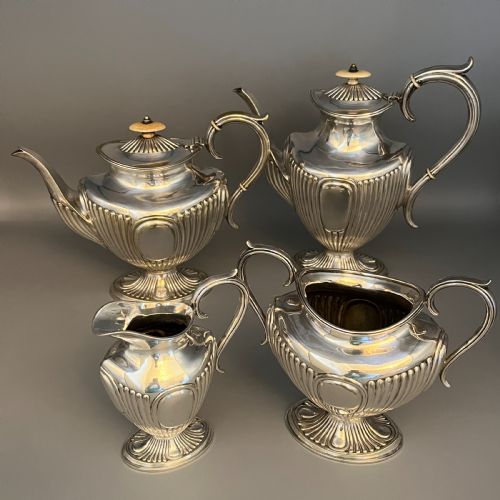
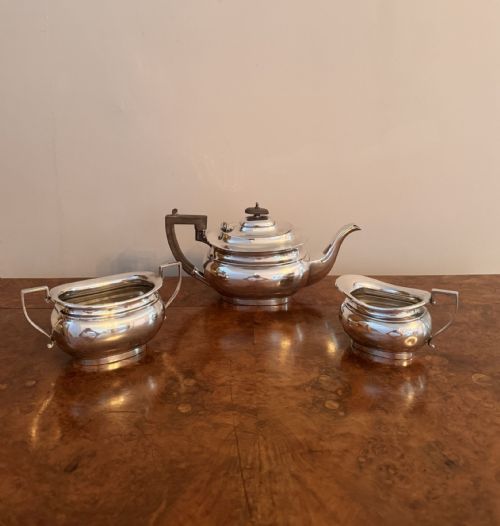
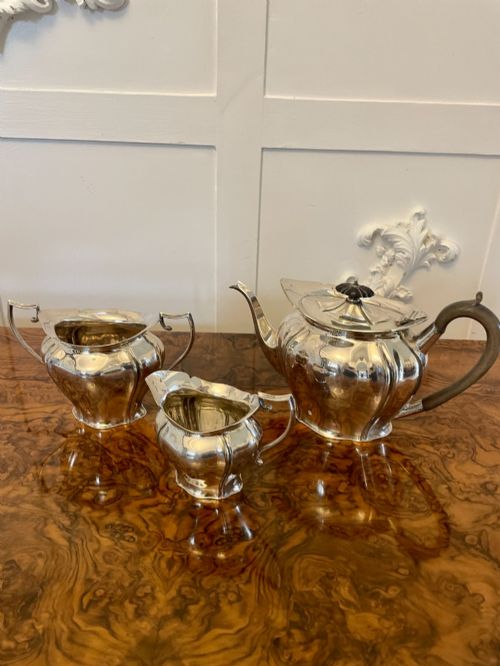
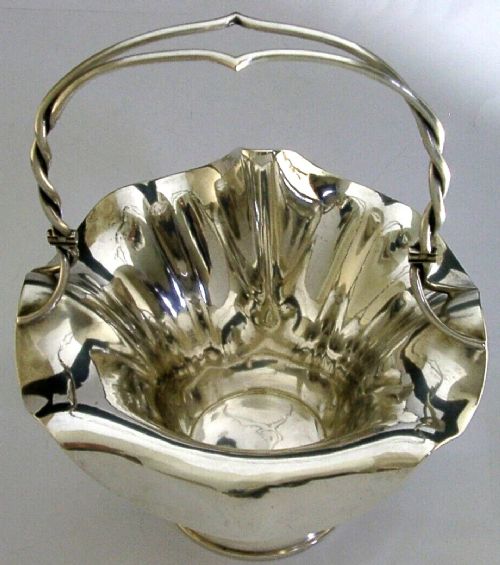
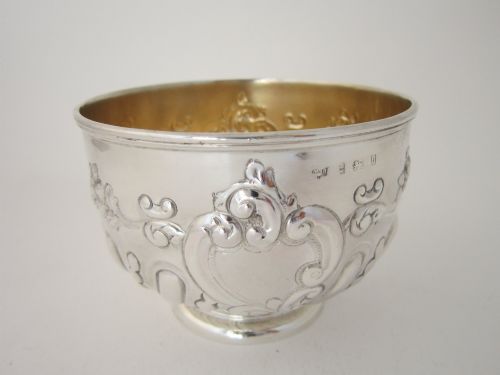
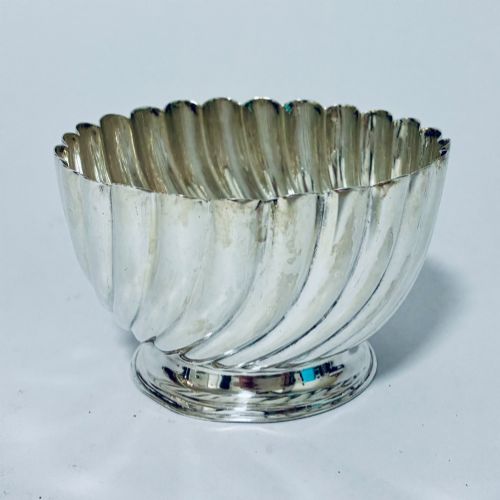
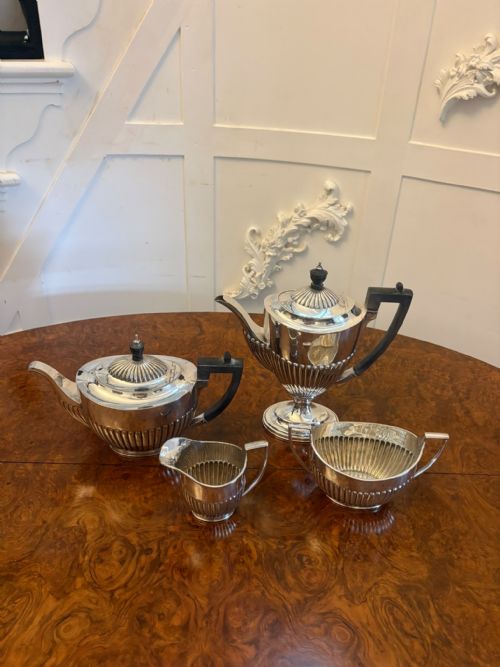
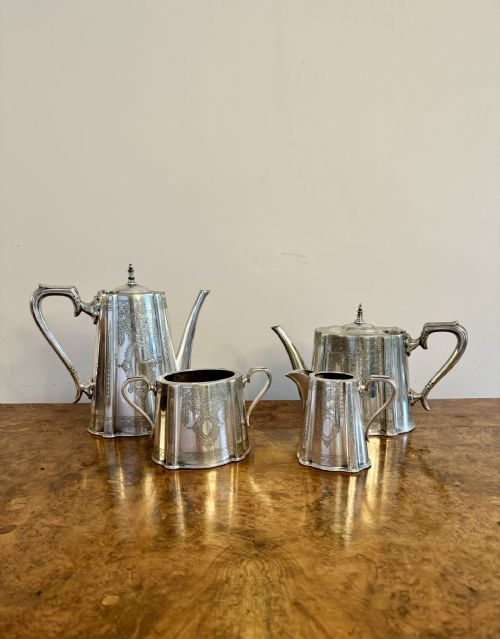
When you search for a vintage sugar bowl, you encounter small serving vessels designed to hold loose sugar cubes or granules for tea and coffee service. The pieces available span diverse forms, ranging from dedicated open bowls and lidded sucriers to components of larger silver-plated or porcelain tea sets.
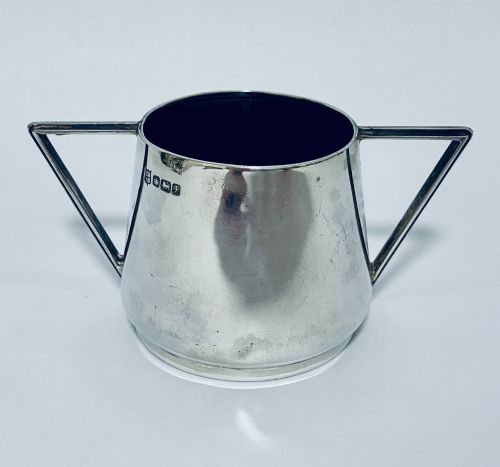
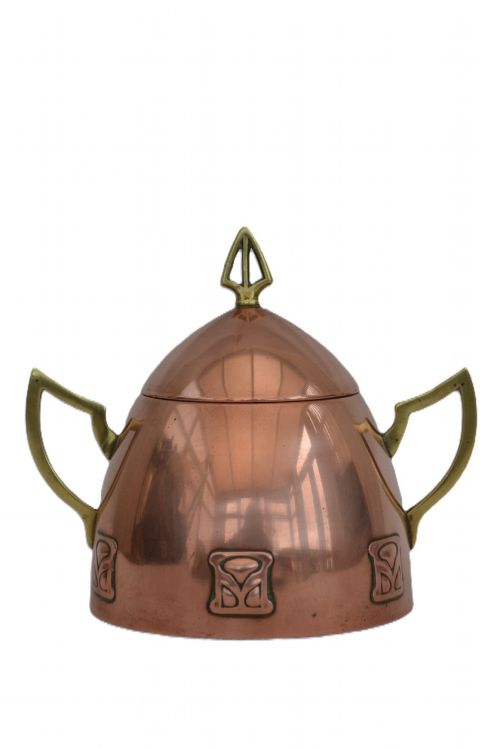
The most common examples on this page date from the Edwardian period and the early twentieth century, constructed in silver plate or sterling silver. You also find ceramic iterations from nineteenth-century makers, alongside occasional Art Deco pewter and copper designs.
Materials and methods
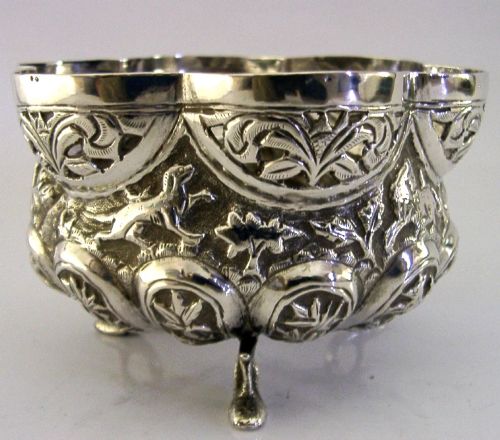
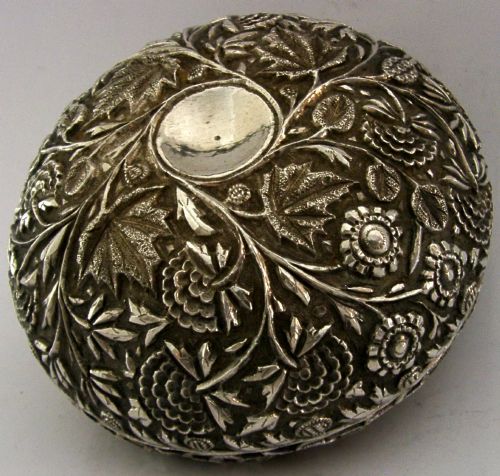
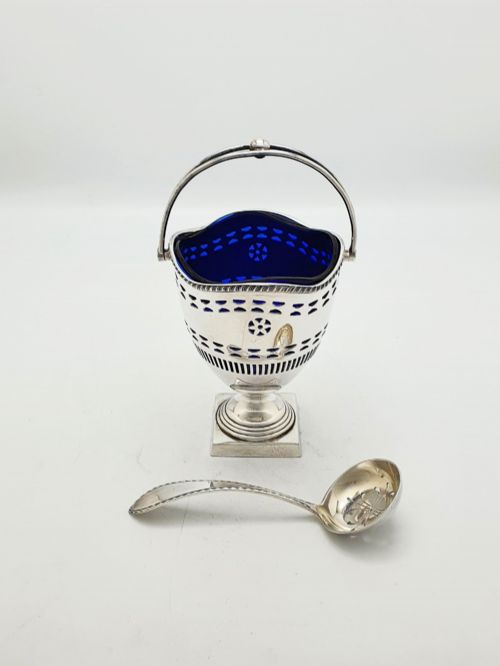
Metals dominate the selection, utilising substantial gauges of sterling silver, Old Sheffield plate, or copper plated over base metals, often shaped through casting, hammering, and pierced metalwork. Many silver-plated and solid silver examples incorporate cobalt glass or cranberry glass liners to protect the metal from moisture.
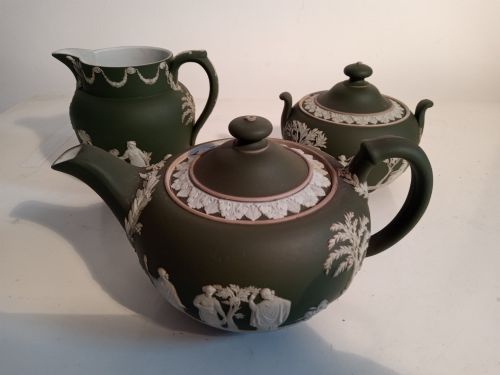
Ceramic vessels rely on porcelain bodies, such as Spode Felspar or Worcester porcelain, shaped by hand or mould and decorated with hand-painted glazes, blue rims, or transfer printing. Pewter pieces from the Art Deco era utilise alloy casting to achieve geometric and stylised contours.
Vintage Sugar Bowl Retail Price Guide 2026
Typical asking prices for vintage sugar bowl among the pieces listed under this phrase on Sellingantiques today, from the lower quarter to the upper quarter. They describe what is for sale here now, not the wider market.
Listings span the eighteenth, nineteenth, and twentieth centuries, encompassing Georgian, Victorian, Edwardian, and Art Deco periods.
Assessing quality
The standard of a piece rests upon the weight of the metal, the precision of the piercing, and the integrity of any applied plating. Heavier gauge silver and thick Old Sheffield plate demonstrate superior substance, whereas thin electroplate shows wear across high points.
Artistry in decoration further separates standard vessels from exceptional ones, particularly in hand-chased animal motifs, crisply cast neoclassical borders, or fine porcelain painting. The presence of intact original glass liners and maker marks provides tangible evidence of origin and maker pedigree.
Joseph Rodgers & Sons·Walker and Hall·WMF·Elkington·Armada Pewter·Mappin & Webb
The Vintage Sugar Bowl Glossary
- Sucrier
- A dedicated lidded pot or bowl designed specifically to hold sugar for tea service. This term often applies to eighteenth and nineteenth-century ceramic and porcelain examples.
- Old Sheffield Plated
- A composite material made by fusing a thin sheet of silver to a thicker copper core. This technique predates modern electroplating and produces a warm, distinct lustre.
- Pierced work
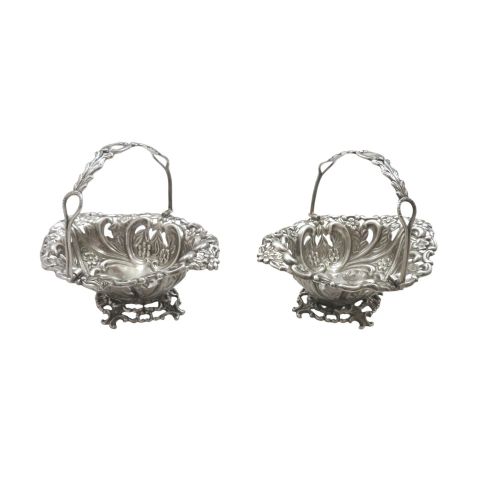
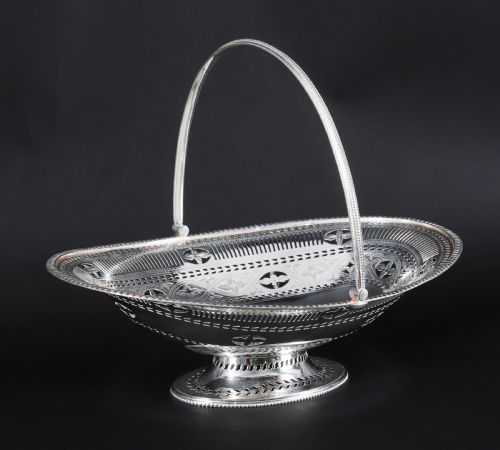
- Metal decorated by cutting or piercing openwork patterns through the surface. It frequently appears on Edwardian and Victorian baskets and bowls.
- Latticinio glass
- Glassware embedded with opaque white or coloured glass threads arranged in lace-like patterns. This technique originates in Renaissance Italy and appears in mid-nineteenth-century French pieces.
Vintage Sugar Bowl: Frequently Asked Questions
What is a vintage sugar bowl used for today?
These vessels function effectively as contemporary table containers for sugar cubes, small sweets, or nuts. They also serve as standalone decorative objects on sideboards.
Collectors utilise them to complete incomplete tea services or display distinct periods of design.
How do I clean silver-plated sugar bowls?
Maintenance requires warm water, mild soap, and a soft cloth to remove dust and oils without damaging the underlying metal. Harsh abrasive dips strip the plating and ruin antique patinas.
Dry the piece immediately after washing to prevent water spots from forming on the surface.
How do I identify an Edwardian sugar bowl?
Edwardian pieces, dating from the early twentieth century, often feature neoclassical motifs, pierced silver galleries, or substantial silver-plated mounts. Maker stamps and hallmarks stamped into the metal usually confirm the exact date of manufacture.
Stylistic cues draw heavily from eighteenth-century Georgian revivals blended with lighter Edwardian proportions.
Are glass liners original to these bowls?
Original glass liners fit snugly into pierced metal baskets and feature matching bevels or rims designed for the specific frame. Cobalt blue and cranberry glass liners were standard additions in the Victorian and Edwardian eras.
Replacement liners often show slight mismatches in height or thickness compared to the antique metal mount.