

Vintage Style Gold Band
When you search for vintage style gold band, you find pieces shaped by decades of traditional metalwork and stone setting.
Vintage Style Gold Band
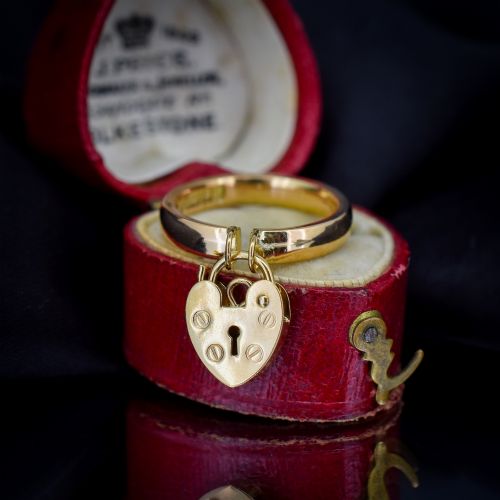
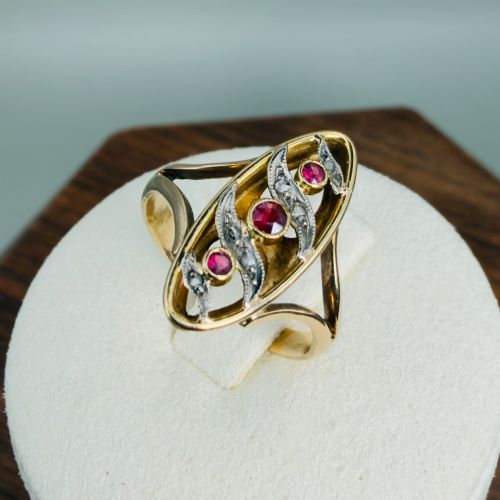
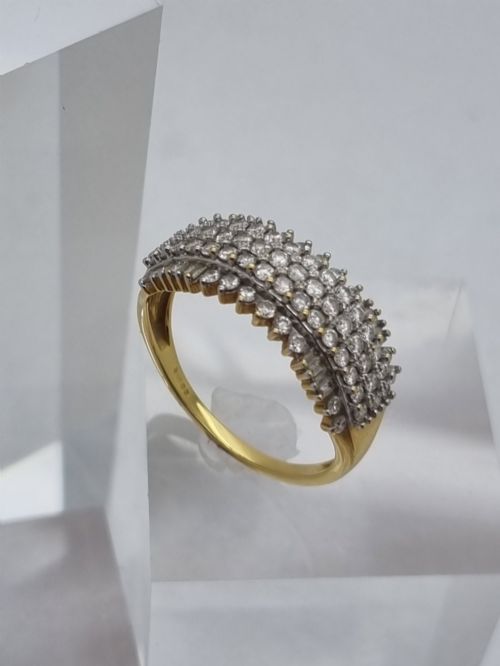
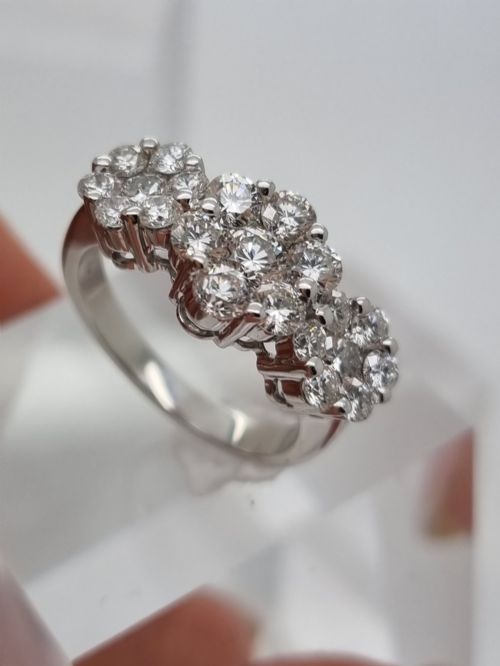
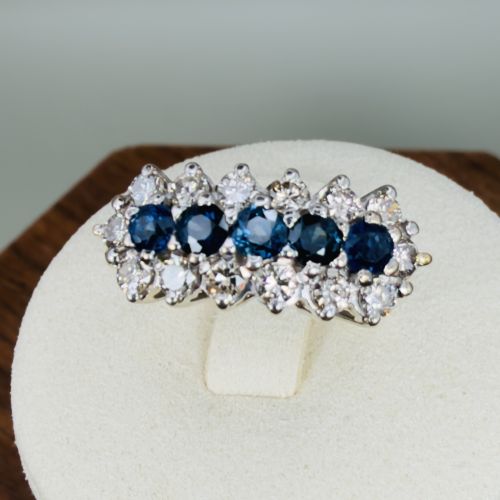
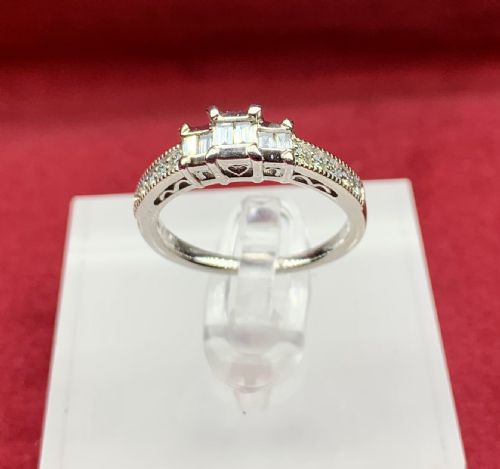
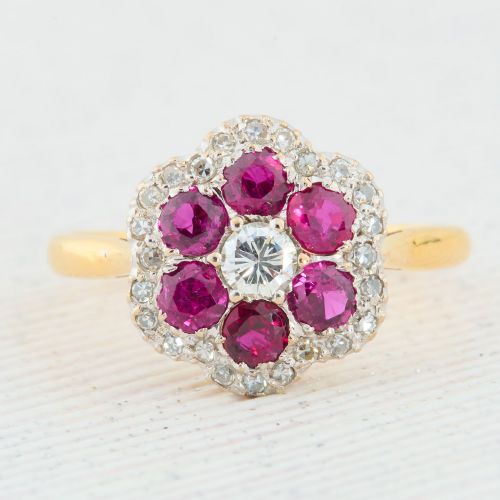
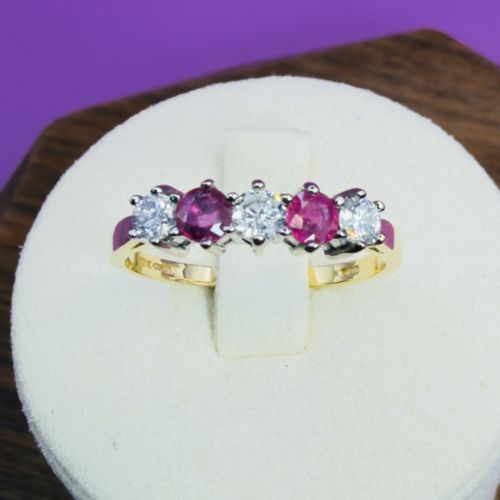
The forms vary widely, ranging from simple wedding bands and eternity rings to elaborate cluster rings, navette styles, and heart padlock drop designs. Alongside rings, the selection occasionally includes earrings utilising similar precious metals and gemstones.
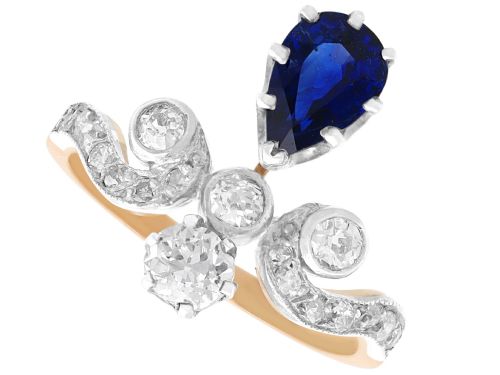
Pieces span distinct aesthetic movements, including Art Deco, Art Nouveau, and traditional designs, reflecting the changing tastes of makers from the 1880s up to the late twentieth century.
Materials and construction
Goldsmiths utilised 18ct gold, 9ct yellow gold, and 18ct white gold as the primary foundations for these items, frequently combining them with durable platinum for secure stone settings. Structural integrity relied upon traditional casting and hand-working methods suitable for everyday wear.
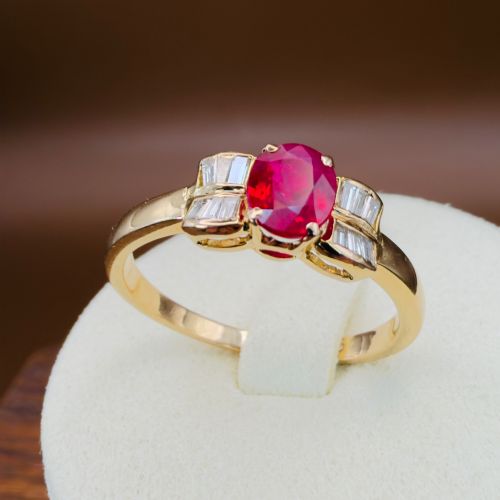
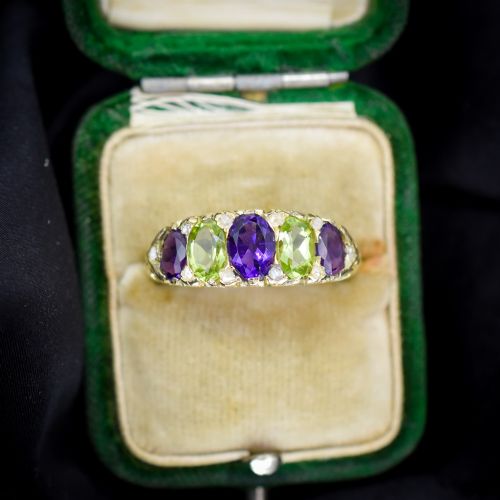
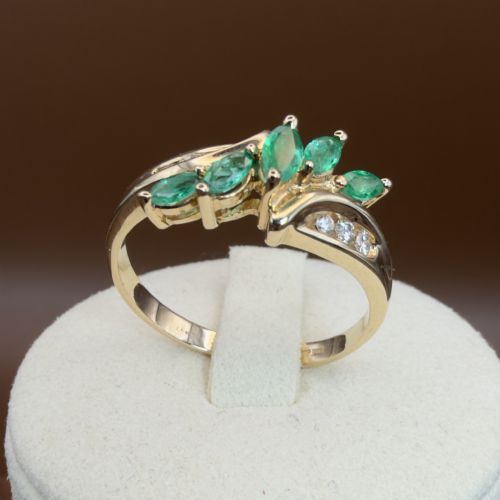
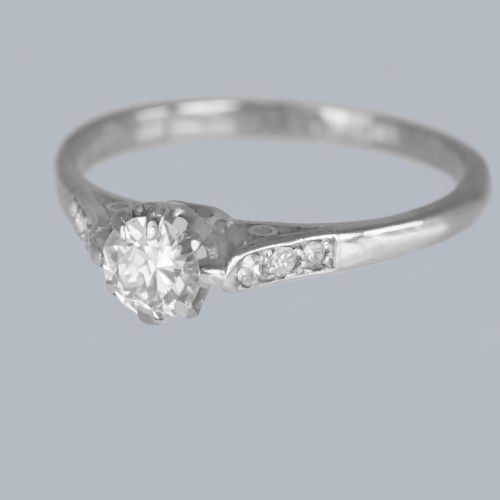
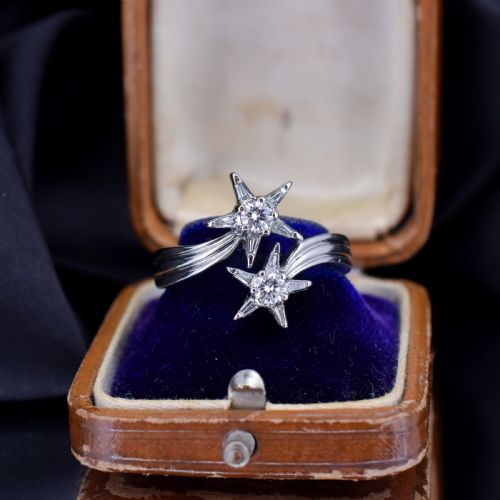
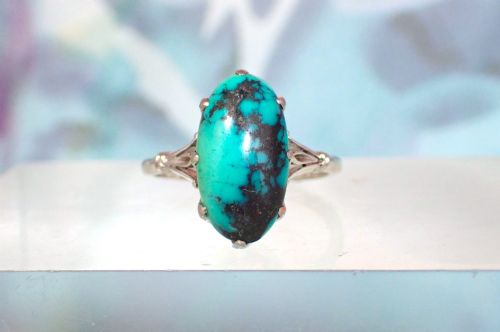
Gemstones including diamonds, opals, turquoises, rubies, and sapphires were integrated using claw settings, flush mountings, and channel techniques suited to eternity and cluster configurations. Craftspeople also incorporated detailed engraving, patterned bands, and diamond-set shoulders to finish the metalwork.
Some nineteenth-century bands cleverly incorporate human hair alongside tiny gemstones as personal sentimental tokens.
Distinctions in craftsmanship
The standard of execution in metalwork and stone setting separates standard items from finer examples in this category. Precision in the alignment of cluster stones, the crispness of engraved patterns, and the weight of the gold shank dictate the overall caliber of a piece.
The matching and clarity of pavé or channel-set diamonds, alongside the depth of colour in rubies, sapphires, and emeralds, determine the visual harmony of the design. Hallmarks and maker stamps provide verifiable evidence of origin and metal purity, adding historical integrity to the construction.
W. E. D. L
The Vintage Style Gold Band Glossary
- Band ring
- A ring of even width around the finger, sometimes featuring engraved patterns or applied decorative drops.
- Cluster ring
- A ring design featuring a central gemstone surrounded by a cluster of smaller stones, typically diamonds.
- Eternity ring
- A band set continuously with gemstones symbolising endlessness, produced in both half and full variations.
- Navette style
- A boat-shaped ring setting that tapers to points at either end, popular in late nineteenth and twentieth-century jewellery.
- Trilogy
- A ring set with three stones, often representing past, present, and future.
Vintage Style Gold Band: Frequently Asked Questions
How do I determine the period of a ring?
Dating relies heavily on hallmarks, assay office marks, and the specific style of stone setting used by the maker. Characteristics such as navette shapes or specific cut types often point toward particular decades like the Edwardian era or the 1950s.
Examining the construction methods underneath the setting also reveals clues about the era of manufacture. Comparing the piece against documented historical styles helps narrow down its age.
Are these bands suitable for daily wear?
Gold and platinum bands from these periods were constructed for enduring wear, though durability depends on the specific design and metal purity. Heavier 18ct gold and platinum settings handle everyday use well, whereas delicate antique gemstone settings require more mindful care.
Checking the thickness of the band shank and the security of the claw settings ensures the piece remains robust. Regular maintenance by a jeweller helps preserve older settings over time.
What is the difference between yellow and white gold?
Yellow gold achieves its warm colour through a traditional alloy mixture containing gold combined with copper and silver. White gold is alloyed with white metals such as palladium or silver to create a silvery appearance.
Both variations were utilised across different periods, with white gold becoming particularly prominent in twentieth-century Art Deco and Mid-Century designs. The choice of metal colour often defines the overall aesthetic character of the jewellery.