






Vintage Studio Painting
Vintage studio painting pieces bring the atmosphere of the working artist into a room, spanning oils on canvas, oak easels, and ceramic studio figures.
Vintage Studio Painting
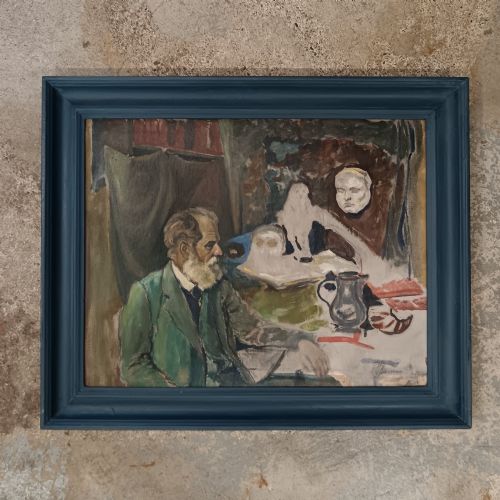
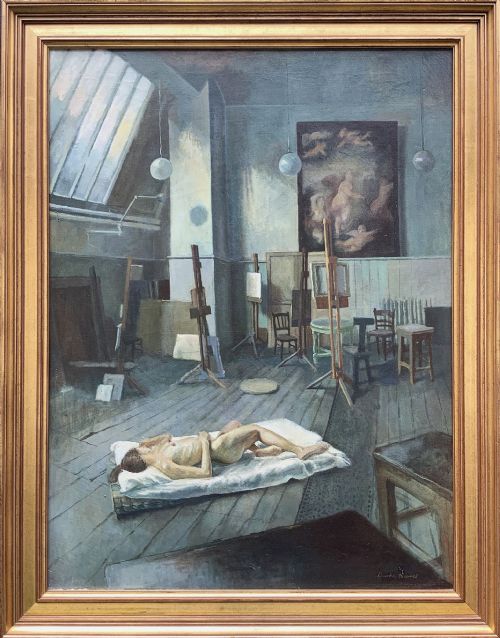
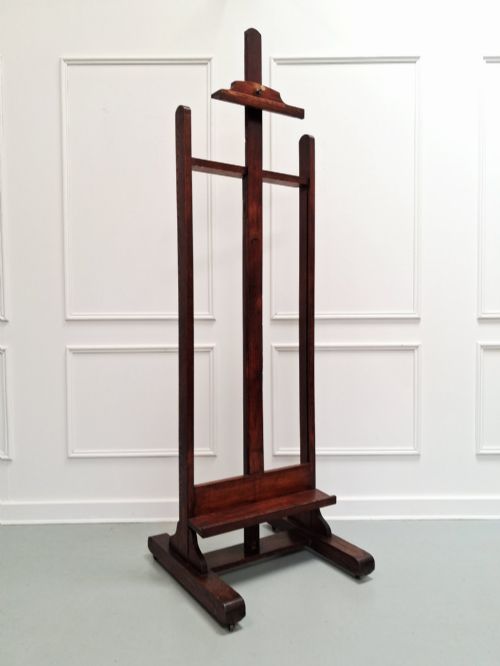
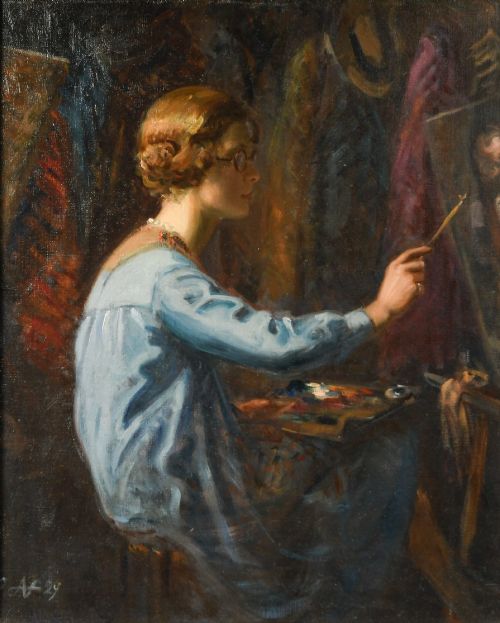
A buyer seeking a vintage studio painting encounters a diverse grouping encompassing original oil paintings, heavy floor-standing and tabletop wooden easels, and hand-painted pottery from the nineteenth and twentieth centuries. These works reflect the domestic and professional spaces of creators, capturing self-portraits, life classes, landscapes, and interior studio scenes.
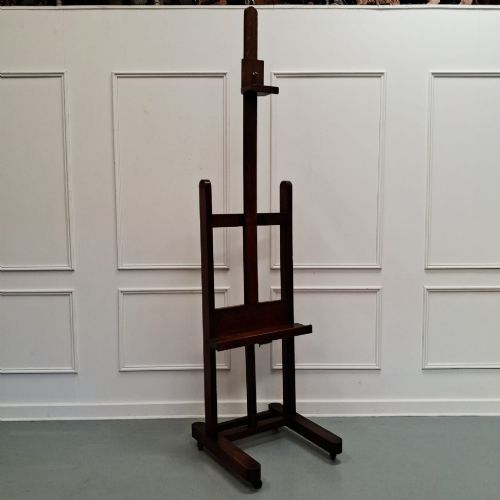
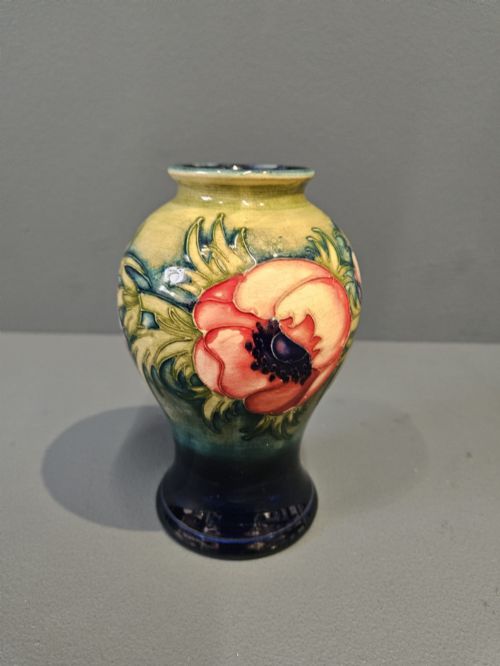
The objects on this page range widely in form, from large double-sided gallery easels and artists' chests of drawers to framed oil paintings on canvas and board. Alongside these, related studio ceramics and glazed earthenware vessels appear, connecting the broader material culture of the workspace with fine art.
Originating across periods such as the Victorian era, the 1920s, and the mid-twentieth century, these pieces demonstrate the functional equipment and visual art produced in British and continental European ateliers. Oak, pine, and mahogany feature heavily in the furniture, while canvas and board hold the painted works.
Materials and construction
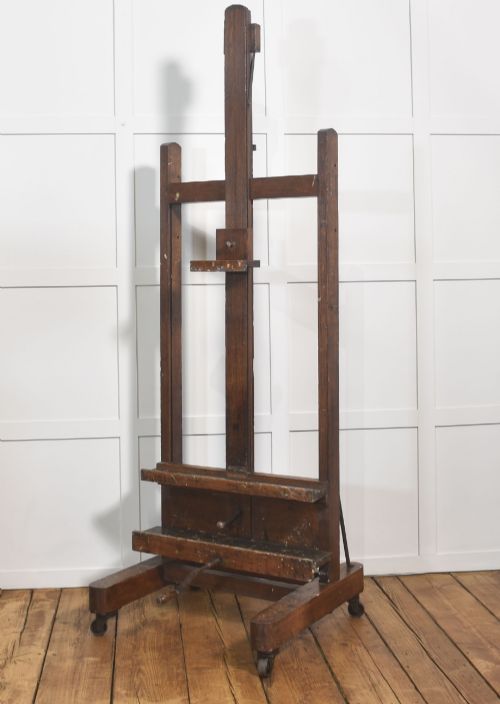
The physical items rely upon honest, robust materials suited to the demands of a working workspace, utilising dense hardwoods like oak, mahogany, and pitch pine for mechanical easels and stands. Iron and brass components provide the heavy-duty ratchets, winders, and adjustable brackets necessary to alter the height and angle of large frames.
Painted works utilise oil on canvas or board, applied with varied brushwork that records the techniques of British and European schools across the nineteenth and twentieth centuries. Earthenware and pottery pieces incorporate hand-painted glazes, showing the decorative methods typical of studio potters and makers of the period.
Vintage Studio Painting Retail Price Guide 2026
Typical asking prices for vintage studio painting among the pieces listed under this phrase on Sellingantiques today, from the lower quarter to the upper quarter. They describe what is for sale here now, not the wider market.
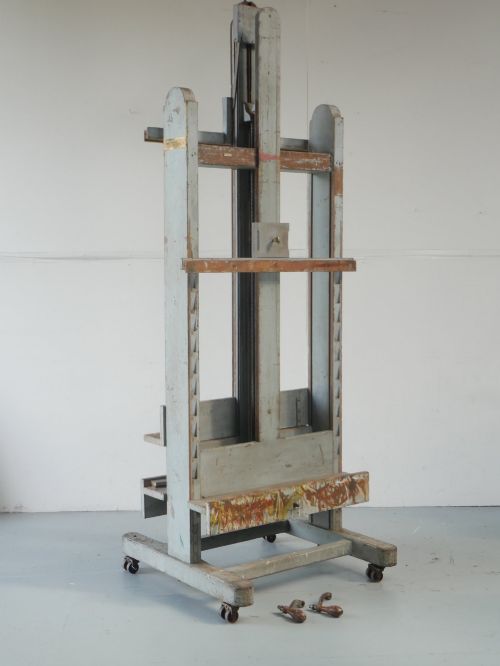
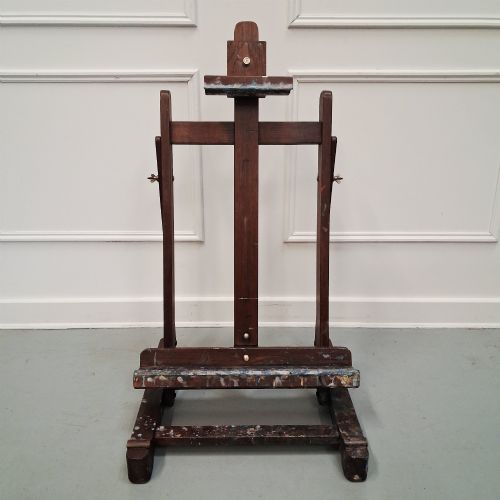
Several easels still bear the accidental splashes of dried oil paint left behind by nineteenth-century artists.
Assessing craftsmanship and condition
Quality in these pieces is dictated by the integrity of the joinery and the complexity of the mechanics on items like adjustable easels and sculptors' stands. Pieces that retain their original winding mechanisms, brass fittings, and uncompromised timber frames demonstrate superior utility and period authenticity.
In painted works and ceramics, the distinction lies in the strength of the composition, the expressiveness of the brushwork, and the clarity of the glaze or provenance. Works carrying documented artist attributions or exhibition connections naturally hold greater documentary weight than anonymous school pieces.
Deidre Daines·Sir Allan Ramsay·Joseph Biel·Winifred Rymer·Charles Vyse·William JB Jenkins·Gallilleo Chini·Robert T Lallement·Kinkozan·Markey Robinson·Geoffrey Robert Russell
The Vintage Studio Painting Glossary
- Easel
- A upright wooden or metal framework used for holding an artist's work while it is being painted or displayed. Examples on this page range from tabletop versions to large double-sided floor-standing studio models.
- Studio Pottery
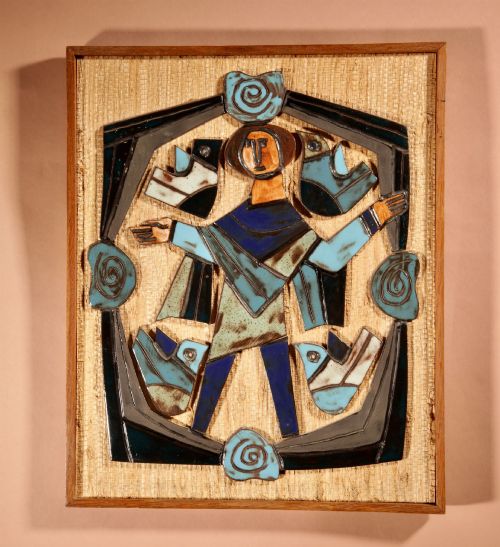
- Earthenware or stoneware objects made by individual artists or small workshops, often hand-thrown and decorated with unique glazes. This category includes figures and vases produced in the early twentieth century.
- Oil on Canvas
- A painting medium where pigments are suspended in a drying oil and applied to a stretched woven fabric support. This technique dominates the figurative and landscape works recorded here.
- Gallery Easel
- A heavy, robust display stand designed to exhibit finished works of art rather than support them during creation. These often feature double-sided viewing capacity and substantial oak or mahogany construction.
Vintage Studio Painting: Frequently Asked Questions
What is a studio easel?
A studio easel is a heavy wooden structure designed to hold canvases securely in a workspace while an artist paints. They often feature adjustable mechanisms to alter height and tilt.
Unlike lighter display stands, these are built for daily utility using dense timbers like oak or mahogany.
How do I date an antique easel?
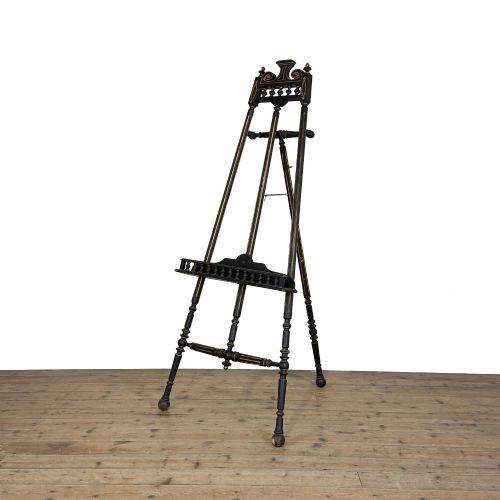
Dating relies on examining the timber, the style of the joinery, and the metal components such as brass or iron ratchets and winders. Victorian and Edwardian examples often display robust turned elements and manufacturer stamps.
Earlier nineteenth-century pieces tend to show simpler, hand-finished pegged joints rather than mass-produced ironwork.
Where were these studio items made?
The pieces originate from various European art centres, with a strong representation of British and French craftsmanship. Workshops in London and Paris produced much of the furniture and fine art seen here.
Specific regional potteries and schools also contributed distinct decorative earthenware and canvas works.
How should I care for wooden studio furniture?
Wood surfaces benefit from occasional application of natural wax to nourish the grain and protect against dry indoor environments. Avoiding direct sunlight prevents the timber from warping or fading over time.
Moving adjustable parts gently ensures that nineteenth-century metal mechanisms remain functional without undue strain.