


Vintage Stud Chairs
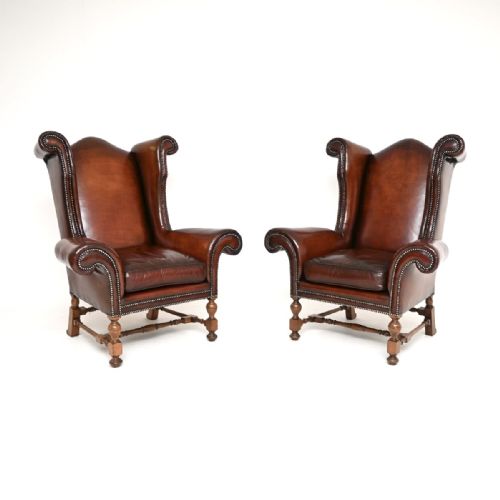
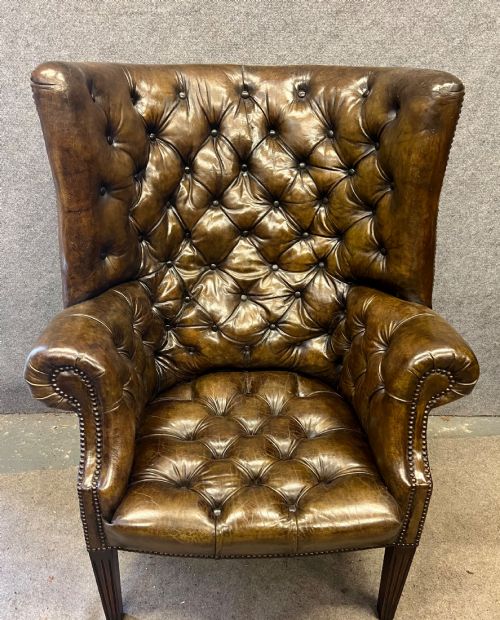
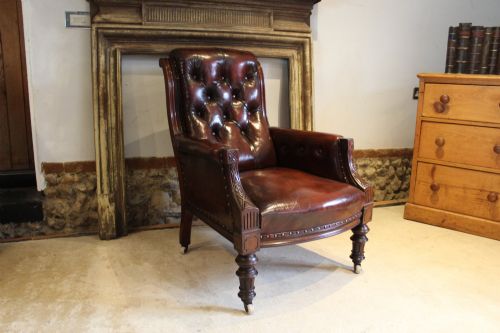
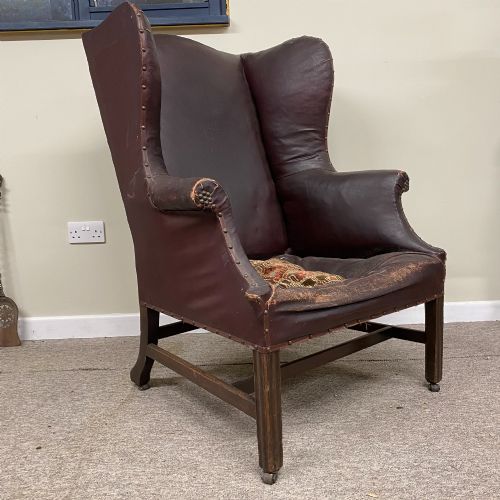
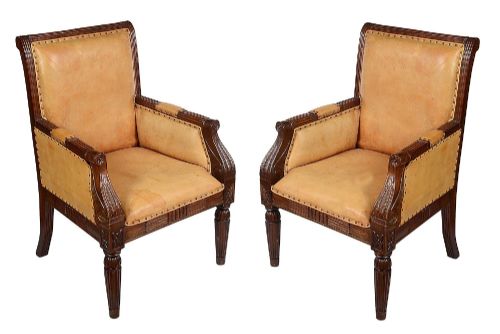
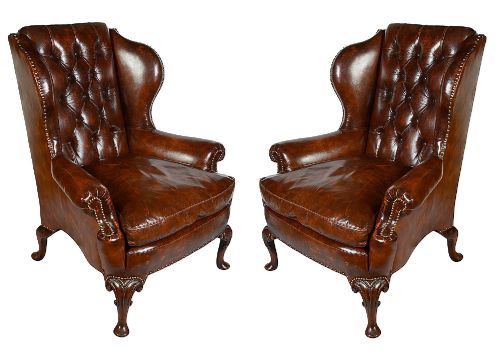
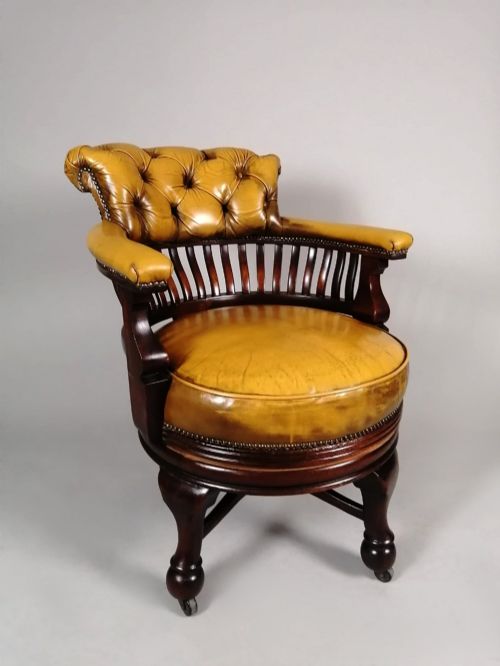
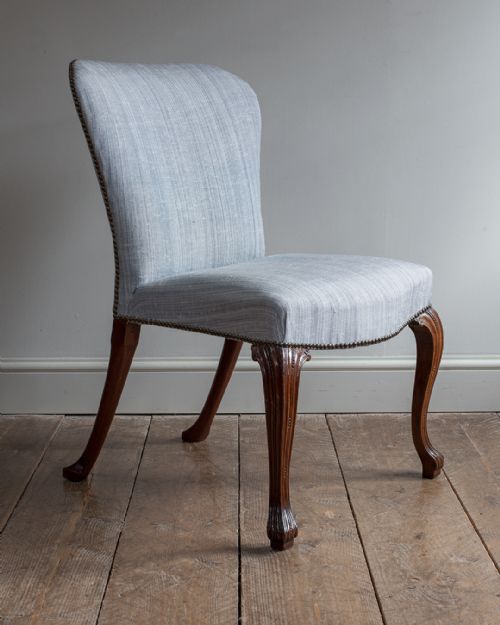
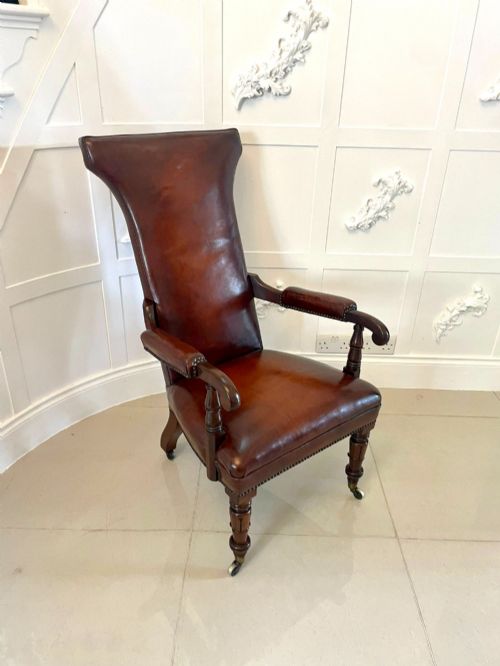
These vintage stud chairs bring tactile leather and structural timber together, offering solid support for a library, desk or fireside.
Vintage Stud Chairs
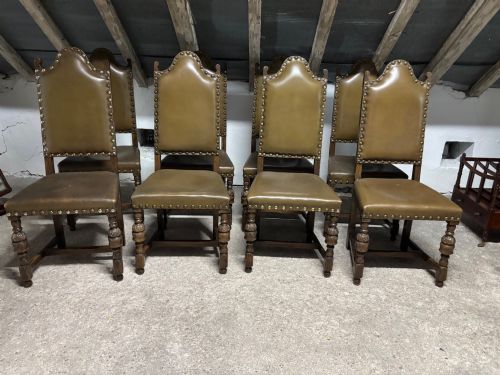
When you search for vintage stud chairs, you encounter a wide array of seating forms originating from the eighteenth century through to the Art Deco period. The listings here frequently present leather upholstered armchairs, library chairs, desk chairs and dining chairs.
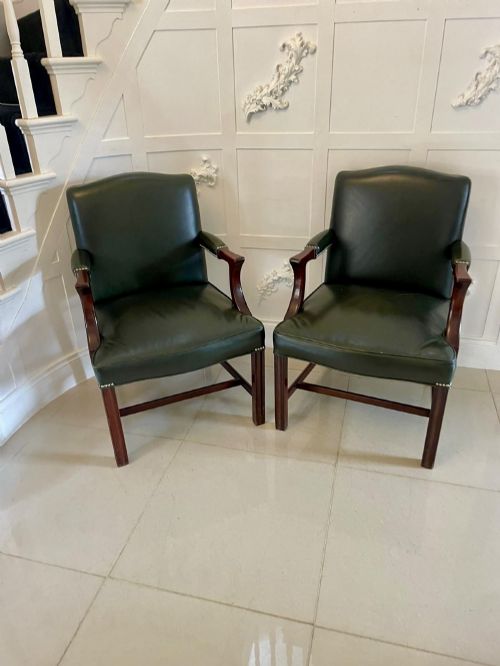
You are most likely to meet examples finished in tan, brown or oxblood leather, secured with visible brass or metal studs along the framework. These pieces range from Georgian and Victorian designs to later Arts and Crafts and 1930s club chairs.
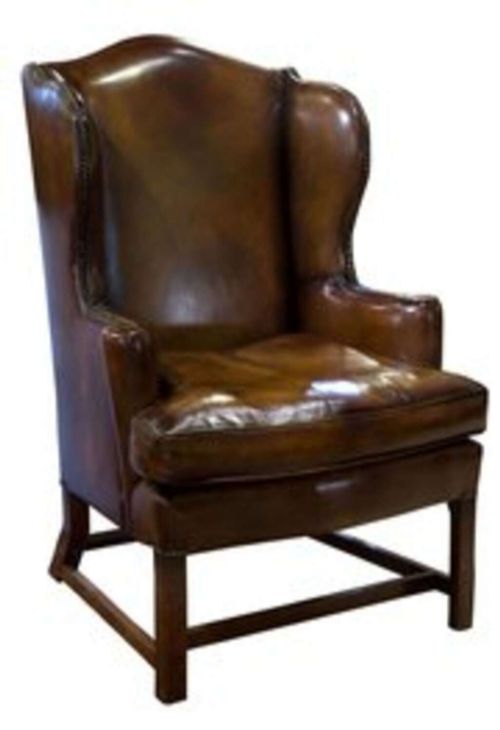
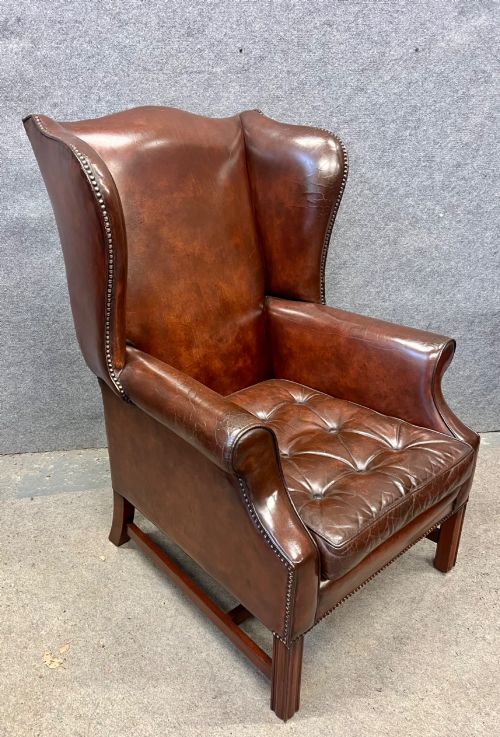
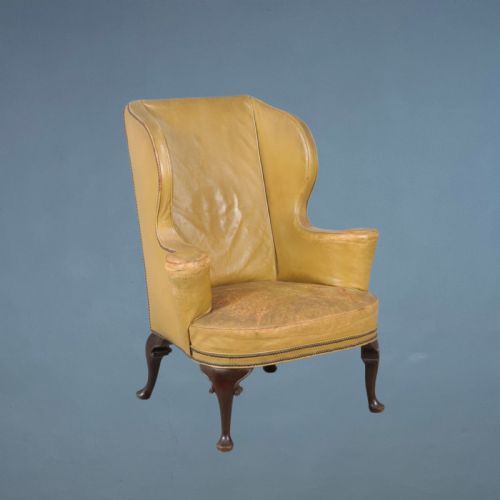
The selection encompasses diverse regional interpretations, including English mahogany library seating, Scottish School fireside chairs and French club chairs. Distinct forms such as wingbacks, revolving desk chairs and reading chairs appear across the different eras.
Materials and construction
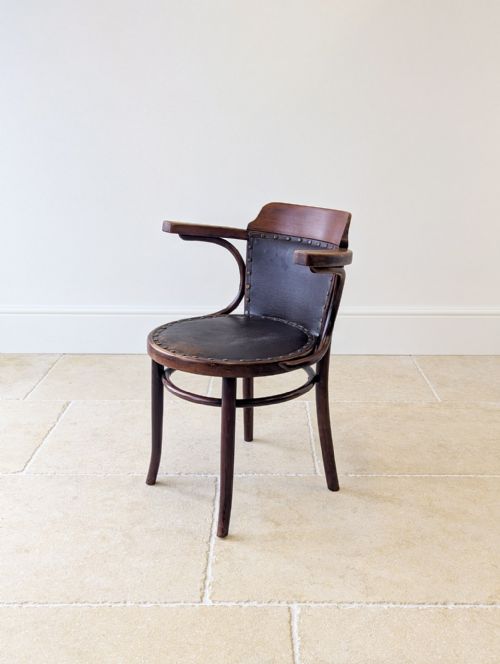
Makers built the frames of these chairs using hardwoods such as mahogany, oak, walnut and rosewood, often incorporating carved details or bentwood techniques. The structural timber provides a robust skeleton designed to endure heavy daily use.
Upholstery relies heavily on leather, ranging from hand-dyed English hide to embossed varieties, fastened securely to the wooden frames with metal studs. Additional textiles like fabric appear alongside wood and metal components in specific Arts and Crafts or office variants.
Vintage Stud Chairs Retail Price Guide 2026
Typical asking prices for vintage stud chairs among the pieces listed under this phrase on Sellingantiques today, from the lower quarter to the upper quarter. They describe what is for sale here now, not the wider market.
Distinguishing quality
The standard of a piece depends upon the depth of the timber frame and the precision of the joinery beneath the upholstery. Superior examples display substantial hardwoods with careful carving, whereas lesser items rely on simpler, lighter framing.
Quality also shows in the treatment of the leather and the regularity of the studwork. Hand-dyed hides and evenly spaced individual metal tacks separate finer workshop productions from more utilitarian seating.
The Vintage Stud Chairs Glossary
- Stud chair
- A seat characterised by upholstery held in place with exposed metal tacks or studs along the wooden border.
- Wingback
- An armchair featuring protective side panels attached to the arms to deflect draughts from the occupant.
- Library chair
- A heavy, sturdy armchair designed for prolonged reading, frequently constructed in mahogany or walnut with leather upholstery.
- Gainsborough chair
- An open-armed eighteenth-century desk or armchair with a padded back and seat set within a wooden frame.
- Bentwood
- A technique of steaming timber to bend it into curved structural shapes, seen in specific Edwardian desk chairs.
Vintage Stud Chairs: Frequently Asked Questions
How do I use a vintage stud chair?
These chairs suit studies, living rooms and libraries well, providing firm support for reading or working at a desk.
Larger wingback and club varieties anchor a fireside seating arrangement, while smaller side and dining chairs fit around a table.
What woods were used for these chairs?
Makers relied predominantly on dense hardwoods including mahogany, oak and walnut for the structural frames and legs.
Some pieces also incorporate rosewood or bentwood, depending on the specific period and regional workshop traditions.
How do I date a stud chair?
Dating relies on observing the timber species, the style of the carving and the overall proportions of the wooden frame.
Revolving mechanisms, specific leather treatments and revival styles such as Georgian or Art Deco further indicate the era of manufacture.
Are all these chairs upholstered in leather?
Leather is the predominant material seen across the listings, paired with brass or metal studs along the edges of the upholstery.
Alternative fabric and embossed leather options do appear, particularly within Arts and Crafts and continental European pieces.