




Vintage Street Scene
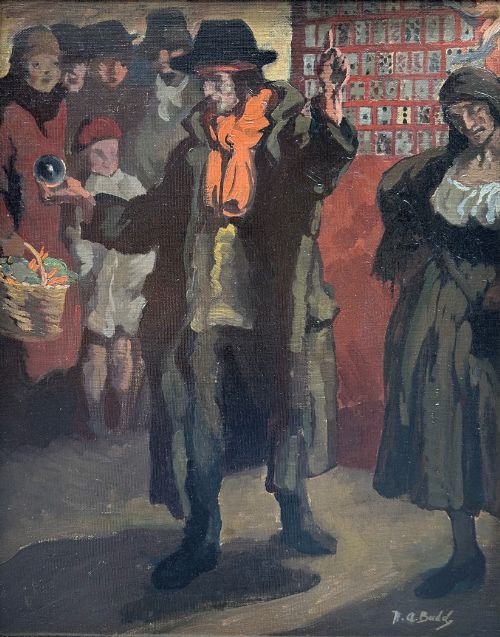
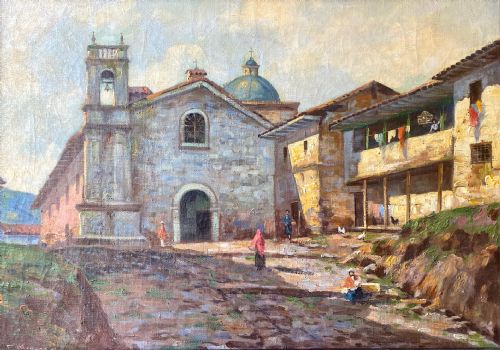
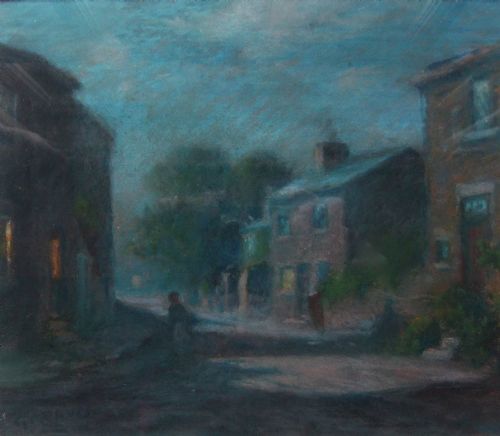
When you search for a vintage street scene, you are looking at urban townscapes captured in oil paint, watercolour, and pastel across the nineteenth and twentieth centuries.
Vintage Street Scene
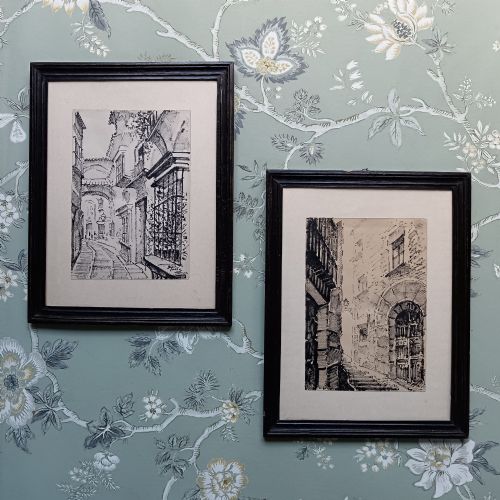
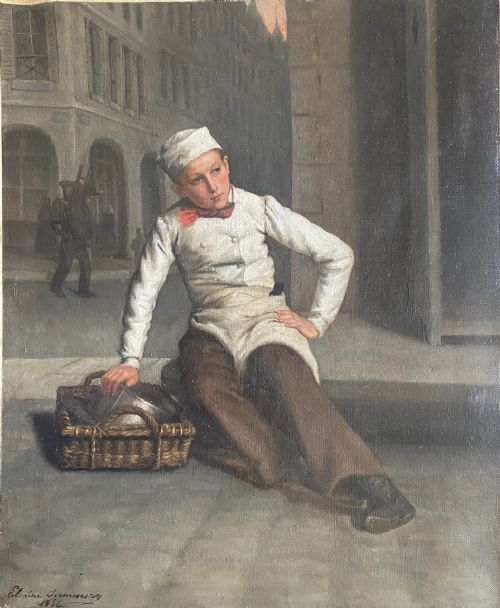
A vintage street scene captures the everyday bustle of urban life, from nineteenth-century London and Paris thoroughfares to mid-century Mediterranean avenues. These works record historic street corners, bustling markets, and quiet architectural squares through the eyes of contemporary painters.
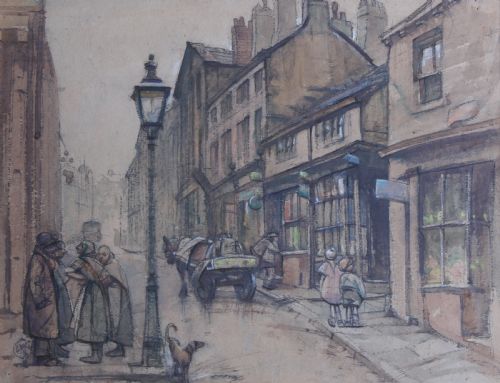
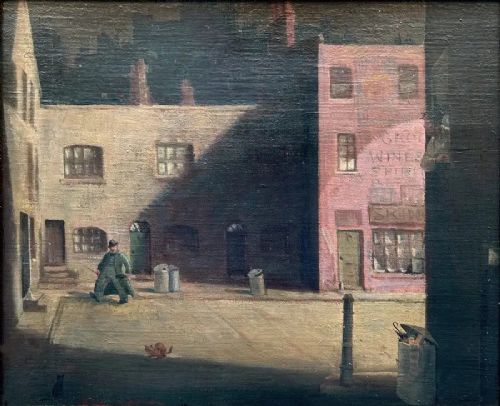
The pieces on this page are most commonly rendered in oil paint on canvas or board, alongside detailed watercolours on paper. They span Edwardian, Impressionist, and Post-Impressionist styles, capturing changing light and weather across townscapes.
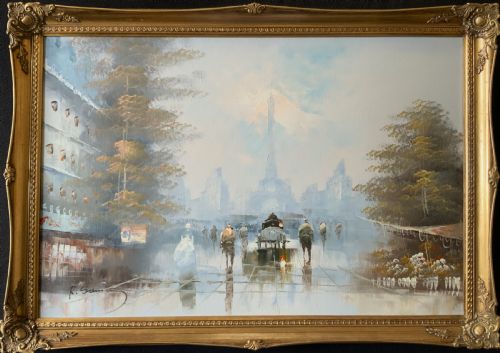
Subjects range from grand Parisian boulevards featuring the Eiffel Tower or the Pont Neuf to local British high streets and Yorkshire towns. Figures, cabs, and horses frequently populate the compositions, anchoring the architecture in daily human activity.
Materials and Technique
Artists relied primarily on oil paint applied to canvas or wood board, building up texture and depth to describe city air and masonry. Watercolour on paper was chosen for lighter, more luminous townscapes, while pastel offered softer tonal transitions for atmospheric effects.
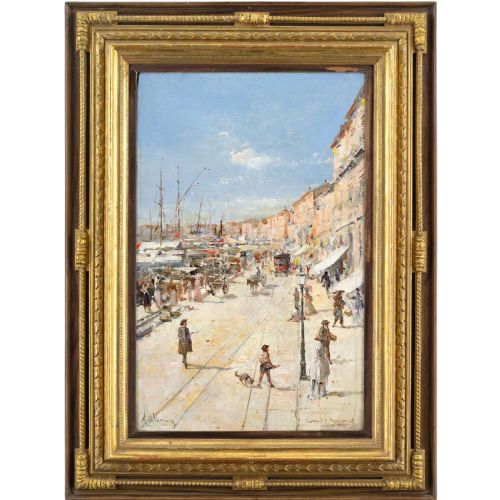
Many of these paintings retain their period frames, notably carved and giltwood surrounds that complement the impressionist brushwork. The integration of paper and board supports alongside traditional canvas reflects the varied sketching habits of plein air painters.
Vintage Street Scene Retail Price Guide 2026
Typical asking prices for vintage street scene among the pieces listed under this phrase on Sellingantiques today, from the lower quarter to the upper quarter. They describe what is for sale here now, not the wider market.
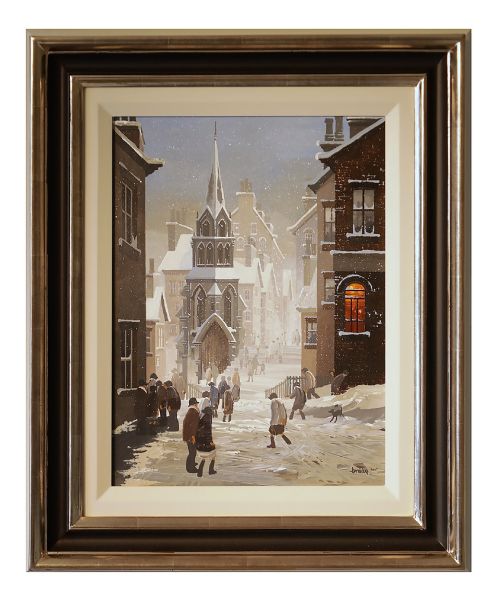
Several artists captured the exact chill in the air, offering scenes titled simply as cold days, snow, and morning bustle.
Assessing Quality
Quality rests in the confidence of the brushwork and the artist's ability to command light, shadow, and atmospheric perspective within a busy composition. Stronger works convey the immediate vitality of a public square without losing structural clarity in the surrounding buildings.
The integration of the frame plays a role, as period giltwood frames that suit the scale and palette of the canvas elevate the presentation. The specificity of the location and the liveliness of the rendered figures distinguish accomplished fine art from standard decorative paintings.
Brian Shields Braaq·Caroline Burnett·Eduard Leon Cortes·Léon Joseph Voirin·Victor Gabriel Gilbert
The Vintage Street Scene Glossary
- Watercolour
- A painting method where fine pigment is suspended in water-based solution on paper. It allows for translucent washes that capture swift atmospheric shifts in townscapes.
- Impressionism
- A nineteenth-century painting style characterised by relatively small, thin, yet visible brush strokes and an emphasis on accurate depiction of light. It forms the basis of many dynamic urban cityscapes.
- Giltwood
- Wood carved and coated with gold leaf or a gold-coloured gilt finish. This material is frequently found on the antique frames housing mid-century oil paintings.
- Pastel
- A dry art medium in the form of a stick, consisting of powdered pigment and a binder. It creates velvety textures well suited to soft evening or winter street lighting.
- Plein air
- The act of painting outdoors, allowing artists to directly observe the shifting natural light on urban streets and architectural facades.
Vintage Street Scene: Frequently Asked Questions
What periods do these paintings cover?
The works span from the nineteenth century through the mid-twentieth century, encompassing Edwardian, Impressionist, and Post-Impressionist movements. Artists recorded urban environments across these decades using traditional painting methods.
Dates are established through artist signatures, stylistic markers, and period framing. Most pieces reflect the artistic conventions of their specific decade of creation.
How should I frame and display a watercolour?
Watercolours on paper require framing behind glass with acid-free mounts to protect the delicate pigments from ultraviolet light and atmospheric moisture. They should be hung away from direct sunlight to preserve the original paper and paint.
Displaying them in balanced interior lighting allows the fine details of the townscape to remain clear without risking fading over time.
What is the difference between oil paint and pastel?
Oil paint utilises pigments bound in a drying oil, allowing for thick impasto textures and durable surfaces on canvas or board. Pastel consists of powdered pigment bound into sticks, offering a powdery, matte finish that requires protective glass.
Both mediums were utilised to capture city scenes, with oils favouring rich atmospheric depth and pastel offering delicate tonal gradation.
How do I identify a Parisian street scene?
Parisian scenes often feature recognisable landmarks such as the Eiffel Tower, the Pont Neuf, or characteristic Haussmann architecture with wrought-iron balconies. Figures in period dress walking along wide boulevards are also typical indicators.
Signatures on the canvas often point to known artists who specialised in recording the French capital during the nineteenth and twentieth centuries.