



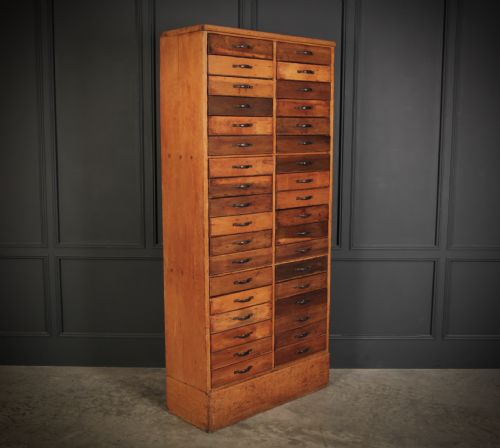


Vintage Store Cabinet
These vintage store cabinet pieces bring commercial utility and honest craftsmanship into domestic spaces, offering practical storage with genuine character.
Vintage Store Cabinet
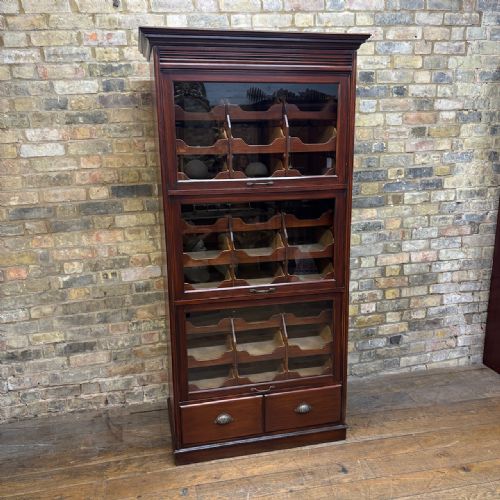
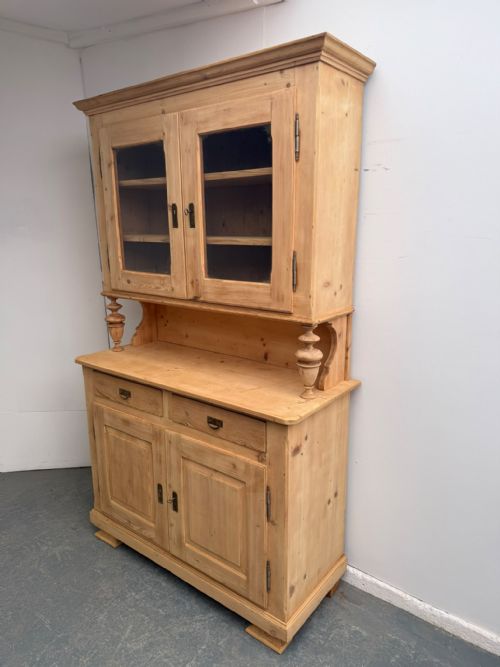
A vintage store cabinet encompasses commercial furniture designed for trade, including haberdashery chests, shop counters, and display cases originating from the nineteenth and early twentieth centuries. These pieces reflect the functional demands of grocers, drapers, and stationers who required robust storage to display or organise merchandise.
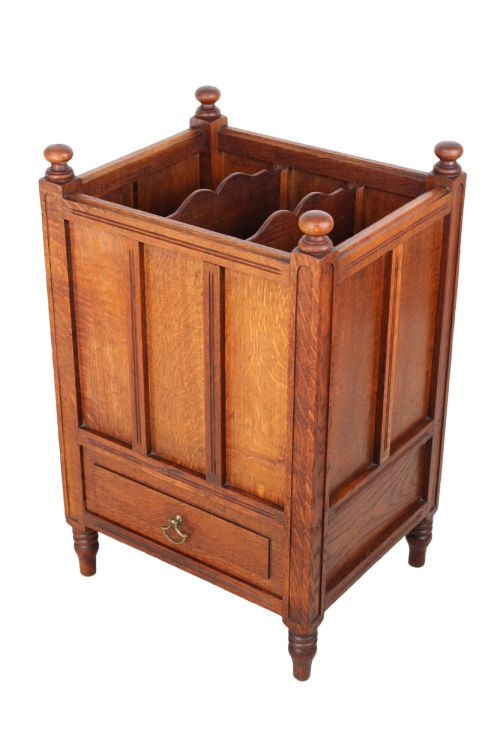
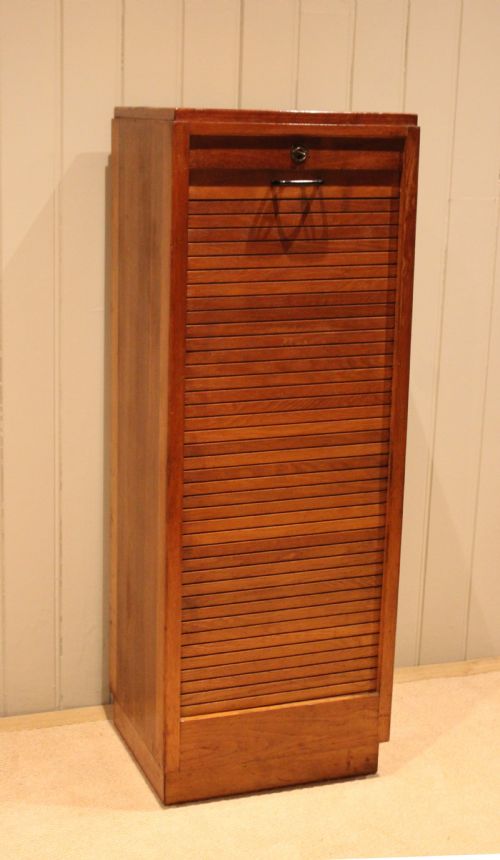
Buyers most frequently encounter items constructed from oak, mahogany, and pine, often featuring glazed panels, banks of small drawers, or tambour fronts designed for efficient retail use. The selection spans utilitarian counters, glazed display cabinets, and specialised storage units suited to modern interiors.
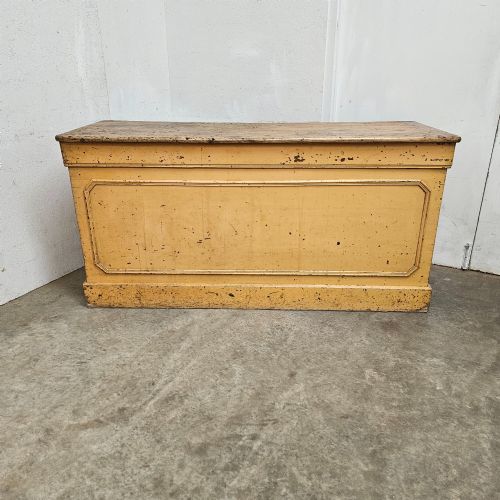
Originating from British, French, and American commercial premises, these fittings range from rustic pine cupboards to finely polished mahogany counters bearing remnants of advertising and trade history.
Materials and construction methods
Carpenters utilised dense hardwoods such as mahogany, walnut, and oak alongside durable softwoods like pine and fruitwood to withstand heavy daily use in busy shops. Brass hardware, cast iron mechanisms, and glass panels were integrated to secure goods while maintaining visibility for customers.
Joinery techniques prioritised strength, evident in dovetailed drawer construction, sturdy panelled doors, and robust framing designed to support heavy contents over decades of commercial trade. Many pieces retain original painted surfaces, polished wood finishes, or functional brass-framed glazing.
Vintage Store Cabinet Retail Price Guide 2026
Typical asking prices for vintage store cabinet among the pieces listed under this phrase on Sellingantiques today, from the lower quarter to the upper quarter. They describe what is for sale here now, not the wider market.
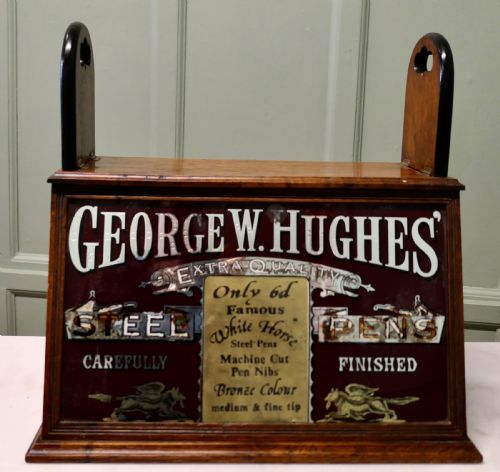
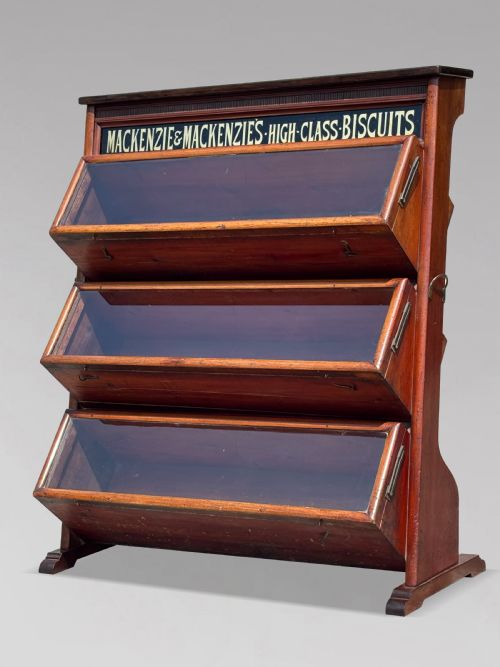
Several pieces preserve the exact biscuit brands and watchmakers they once served, bringing a slice of nineteenth-century high street commerce home.
Distinctions in construction and preservation
Quality rests upon the integrity of the original timber framing, the preservation of original hardware, and the survival of factory surfaces such as period paint or polished finishes. Pieces retaining functional elements like adjustable feet, original glazing, or authentic maker details demonstrate superior commercial craftsmanship.
The degree of alteration defines the distinction between untouched trade fittings and heavily restored examples, with original labels, branded glass, and untransformed drawer banks commanding greater interest from collectors of commercial history.
Saml Elliott & Sons·Quincy Showcase Works Illinois·Shannon
The Vintage Store Cabinet Glossary
- Haberdashery cabinet
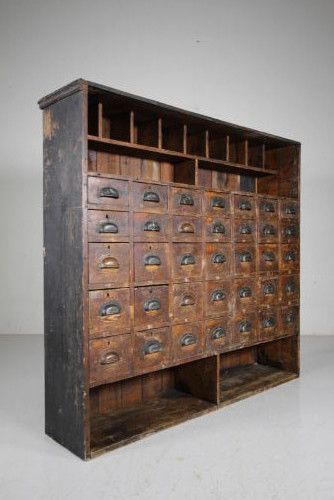
- A multi-drawer storage unit originally utilised in drapers' shops to organise ribbons, buttons, and small textiles. These pieces typically feature numerous shallow drawers with glass fronts or brass pulls.
- Tambour front
- A flexible door construction formed of narrow wooden slats glued to a canvas backing, allowing the door to slide smoothly around a curved track in filing or storage cabinets.
- Shop counter
- A substantial retail table often fitted with display glazing, drawers, or shelving on the attendant side to facilitate transactions and merchandise presentation.
- Purdonium
- A specialised domestic coal cabinet or scuttle box designed to hold fuel neatly beside a fireplace, frequently constructed from Edwardian mahogany or oak.
- Panetière
- A traditional French food storage cupboard intended for bread, characterised by spindle-turned panels that permit ventilation while protecting provisions.
Vintage Store Cabinet: Frequently Asked Questions
What is a vintage store cabinet?
A vintage store cabinet is a piece of commercial furniture originally built for nineteenth or early twentieth-century retail environments like drapers, grocers, and stationers. These items include display counters, haberdashery drawer units, and glazed shop fittings.
They were engineered for heavy daily use, employing durable timbers and functional layouts designed to showcase or store merchandise efficiently.
How were haberdashery cabinets used?
Haberdashery cabinets were utilised in textile and drapery shops to keep small items such as threads, buttons, and ribbons sorted within shallow, compartmentalised drawers. Their multi-drawer format allowed shopkeepers to maintain large inventories in minimal floor space.
Today, these drawer banks function well in domestic settings for organising stationery, jewellery, or small craft supplies.
How do I care for polished wood furniture?
Caring for nineteenth-century polished wood involves keeping pieces away from direct heat sources and sudden humidity changes to prevent timber movement. Regular dusting with a soft, dry cloth preserves the finish without requiring heavy chemical polishes.
Applying traditional beeswax occasionally helps nourish older hardwoods like mahogany and oak while maintaining their natural sheen.
How can I tell Edwardian pieces apart?
Edwardian shop fittings and cabinets often display lighter mahogany or oak framing, sometimes featuring subtle inlaid stringing or simpler rectilinear lines compared to heavier Victorian counterparts. The hardware on Edwardian examples typically reflects turn-of-the-century manufacturing standards with refined brass handles.
Examining the construction methods and secondary timbers inside drawers helps confirm the manufacturing era alongside any stamped maker details.