
Vintage Storage Trunk Chest
These vintage storage trunk chest pieces are sturdy travel companions and household boxes built to hold linen, kit, and treasures across centuries.
Vintage Storage Trunk Chest
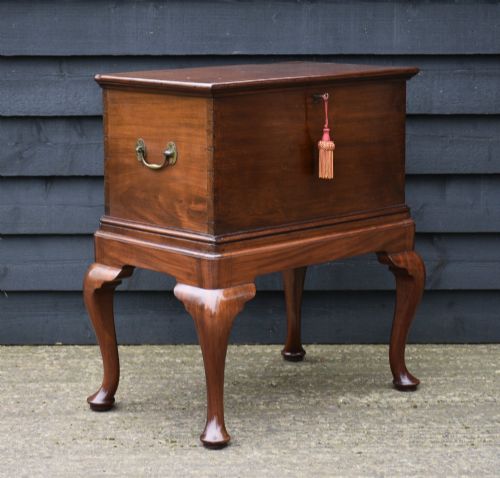
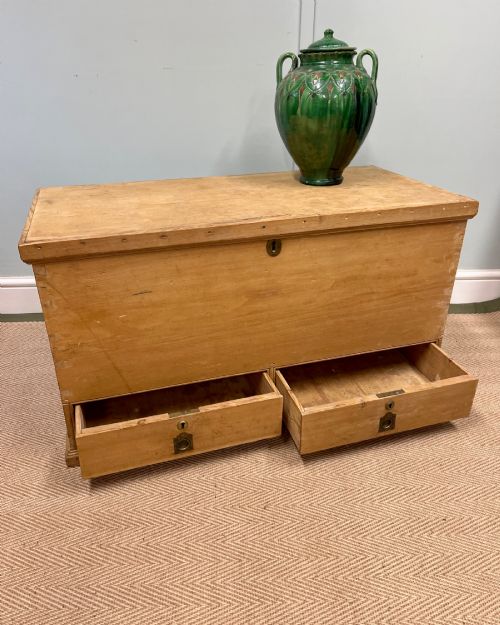
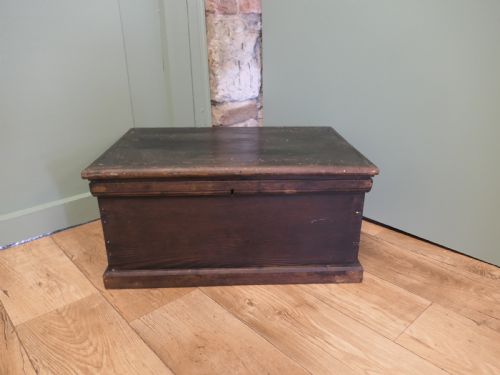
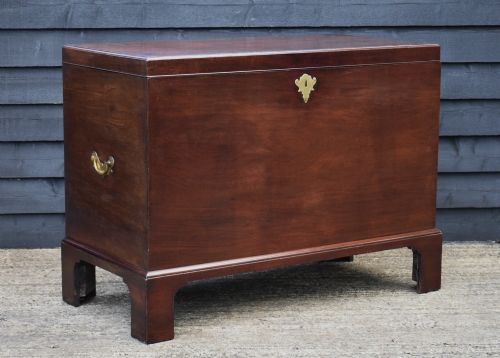
A vintage storage trunk chest brings solid construction and deep utility into a room, serving as a coffee table at the foot of a bed or a focal point in a hallway. The pieces on this page span from the 17th century through to the 1930s, taking the form of blanket boxes, coffers, dowry chests, and travel trunks.
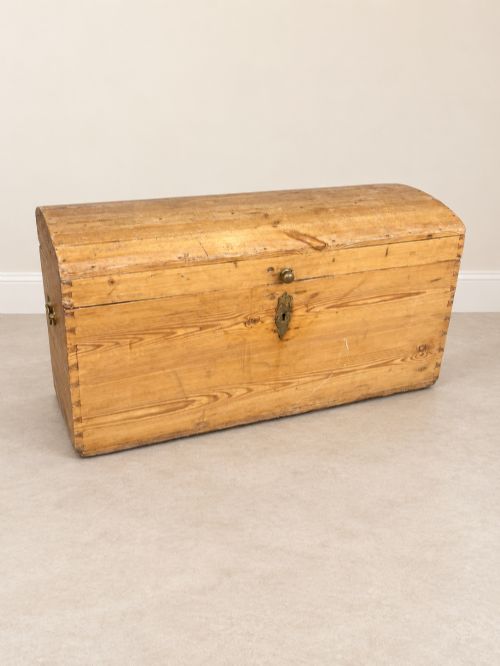
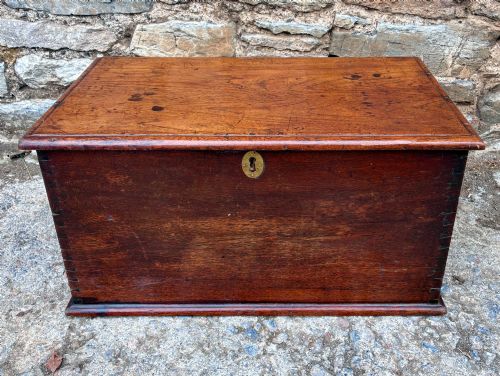
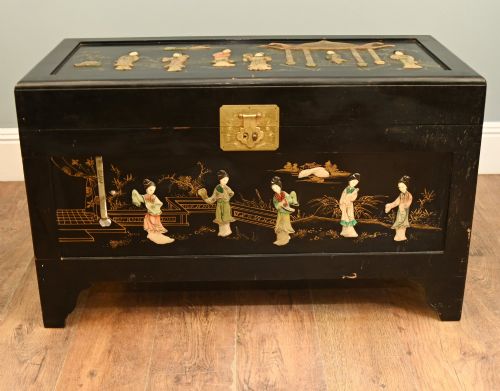
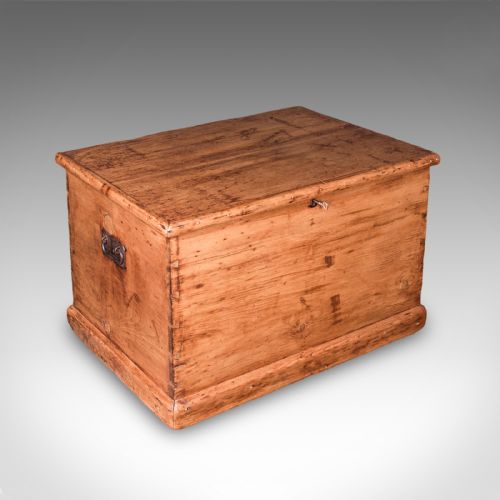
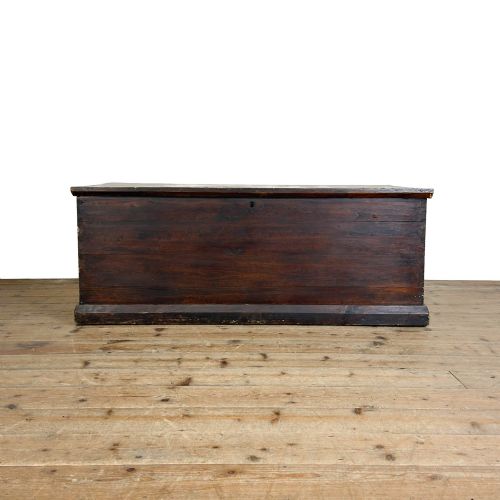
Pine and oak form the bulk of the domestic blanket boxes and coffers, often originating from Welsh, Scandinavian, or British workshops. Camphor wood and teak examples appear frequently with campaign origins, designed to withstand long sea journeys.
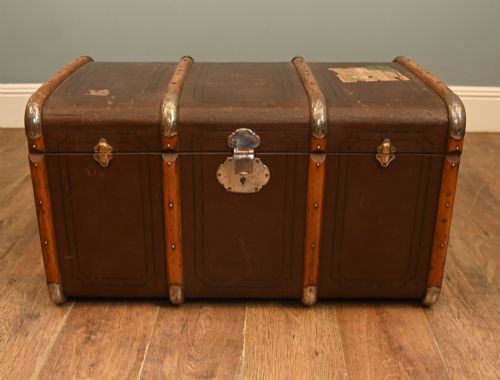
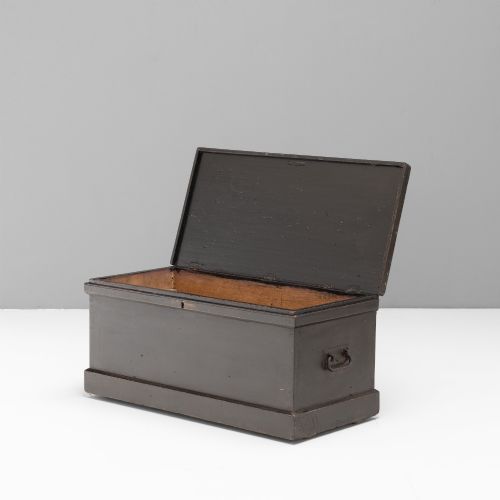
Travel trunks include bound leather, metal, cane, and steamer variants from the Victorian and Edwardian eras alongside heavy iron-strapped timber boxes. Buyers encounter everything from simple painted pine tool chests to inlaid Middle Eastern and Zanzibar storage boxes.
Materials and construction
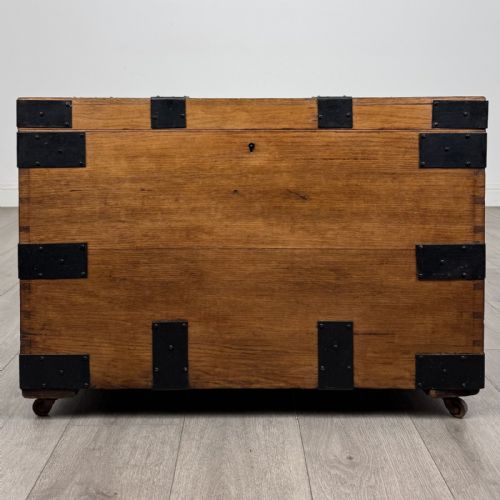
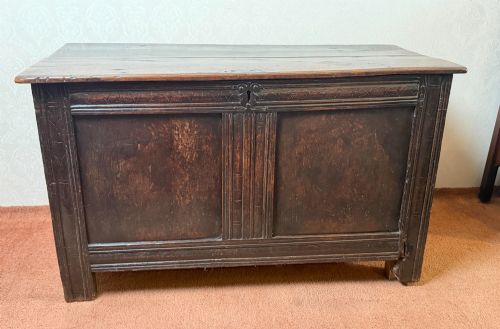
Carpenters utilised native timbers like oak, elm, and pine for stationary household coffers, cutting thick planks and joining them with dovetails or pegged mortise and tenon joints. Heavy iron strapwork and hand-forged hinges reinforced these storage boxes for heavy lifting and rough transit.
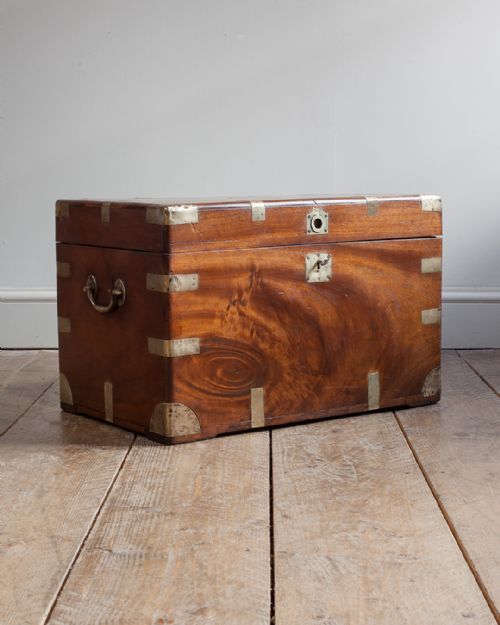
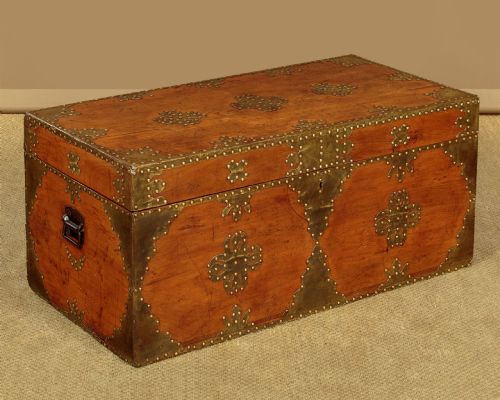
Campaign and travel pieces relied on dense exotic woods such as camphor, padouk, and teak to resist humidity and pests during military service abroad. Brass corners, flush-fitting drop handles, and bound edges protected vulnerable seams against the knocks of shipping and coaching.
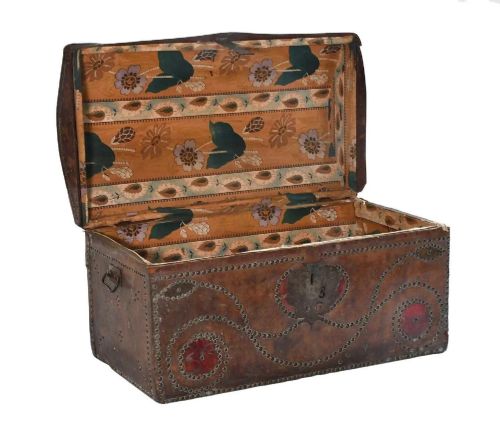
Steamer trunks and luggage incorporate leather, canvas, cane, and painted metal over wooden frames, fitted with interior compartments, trays, and paper linings. Makers secured these coverings with thousands of individual brass studs and metal banding.
Materials across the inventory include iron, brass, pine, oak, camphor wood, teak, leather, and cane.
Character and craftsmanship
The standard of a vintage storage trunk chest rests on the integrity of its timber and the substance of its mounts. Heavy hand-forged iron strapwork, substantial brass corners, and original dovetailing separate utilitarian containers from finer architectural or campaign pieces.
Surface finish dictates visual appeal, distinguishing boxes with untouched patinated wax and original paintwork from those stripped bare or heavily modernised. Carved detailing on oak coffers and intricate mother of pearl inlay on Middle Eastern trunks mark out the ambitious tiers of design.
Samuel Pratt·Wm. Insall of Bristol·Sir Randolph Isham Routh KCB·Louis Vuitton
The Vintage Storage Trunk Chest Glossary
- Campaign chest
- A modular storage box or set of drawers made in sections with brass corners and recessed handles for military transport.
- Coffer
- A heavy wooden box, often carved or panelled, traditionally used for storing valuables, documents, or textiles.
- Blanket box
- A deep chest designed specifically to hold household linens, woollens, and bedding.
- Steamer trunk
- A lower-profile travel trunk introduced for ocean liner cabins with flat tops for stacking in luggage holds.
- Dowry chest
- A large ceremonial storage box prepared for a bride, often richly carved, painted, or mounted in iron.
Vintage Storage Trunk Chest: Frequently Asked Questions
What is the difference between a coffer and a trunk?
A coffer is typically a heavy, stationary wooden box joined with sturdy carpentry, designed to sit permanently in a hall or bedroom for storing textiles or valuables. A trunk is generally built for travel, featuring reinforced edges, handles, and materials suited to being carried from place to place.
While both serve storage needs today, coffers display traditional cabinetmaker joinery like pegged joints, whereas trunks often incorporate metal banding, leather, or specialised travel fittings.
How were camphor wood chests used?
Camphor wood chests served British military officers and travellers abroad as durable trunks for transporting uniforms and personal effects across oceans. The timber naturally repels insects, making these boxes ideal for safeguarding woollens and blankets from moths.
In contemporary homes, these fragrant chests function effectively at the foot of a bed or in a living room while continuing their original preservation role.
How do I date an old pine blanket box?
Dating a pine blanket box relies on examining the construction methods, such as the shape of the dovetails, the type of hinges, and the nature of any paint or hardware. Earlier 18th-century and Georgian pieces often feature hand-planed boards and forged iron strapwork, while Victorian examples display machine-cut elements.
Secondary woods, nail types, and internal lock mechanisms also provide firm clues to the manufacturing era of the box.
Can I use a vintage trunk as a coffee table?
Flat-topped trunks and sturdy low coffers suit use as coffee tables, providing a stable surface alongside hidden storage for books, blankets, or board games. Wooden travel trunks and steamer chests with metal binding add texture and historical weight to a modern sitting room.
Selecting a piece with a stable top ensures glasses and mugs rest securely without tipping.