


Vintage Storage Shelves
These vintage storage shelves bring useful vertical organisation into a room, spanning periods from the Georgian era through to Art Deco and industrial designs.
Vintage Storage Shelves
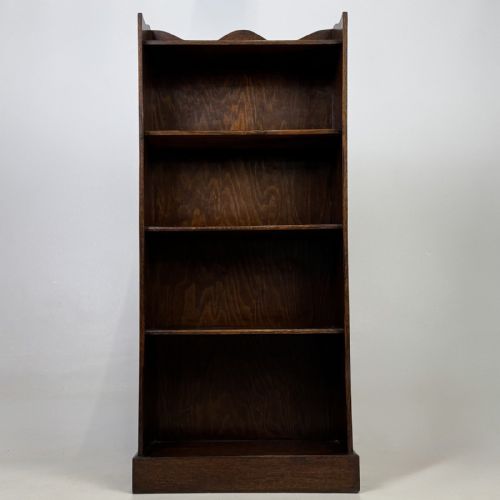
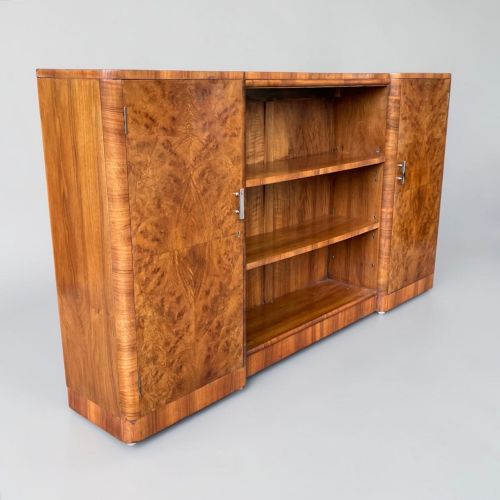
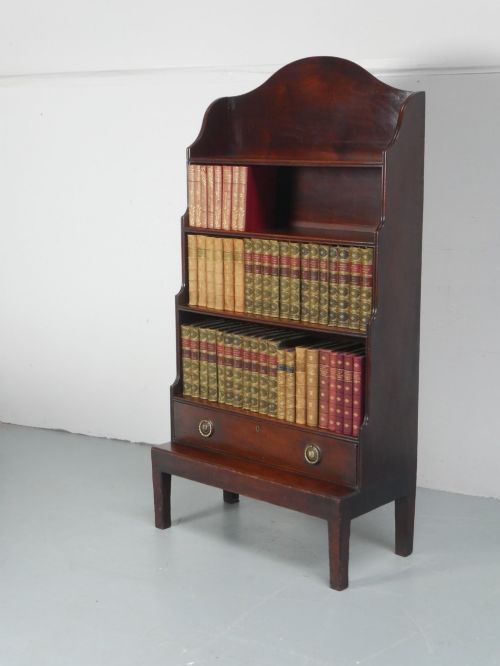
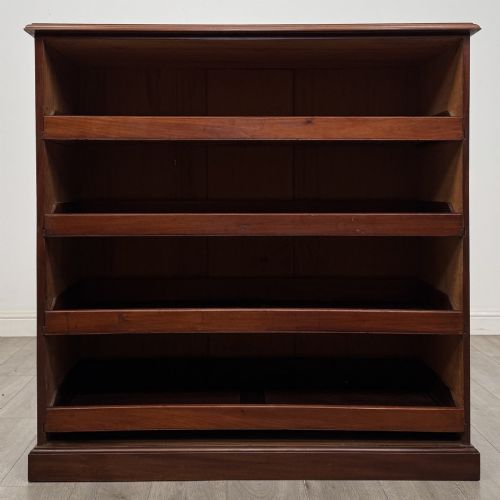
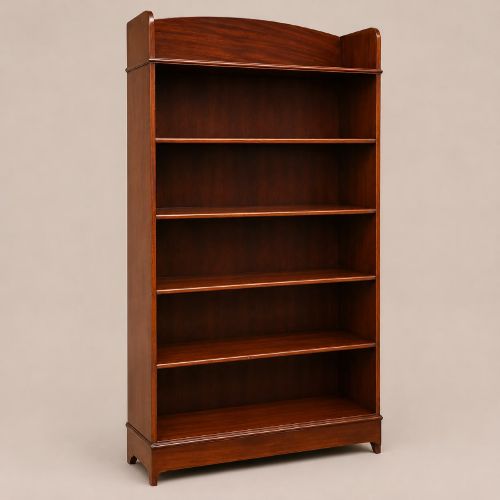
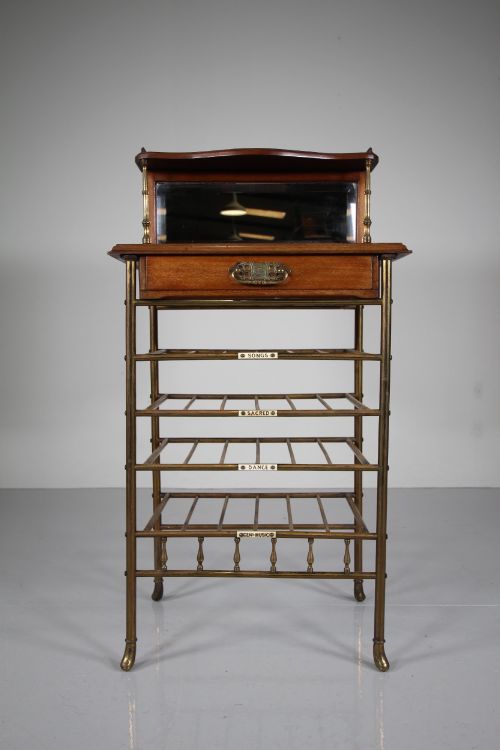
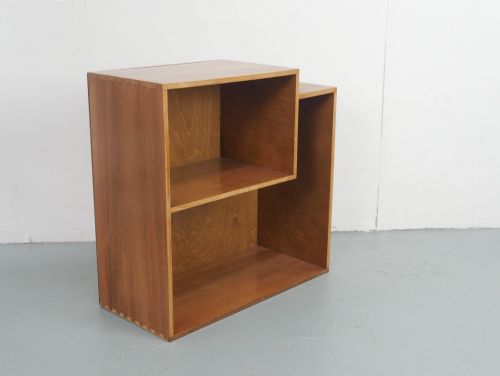
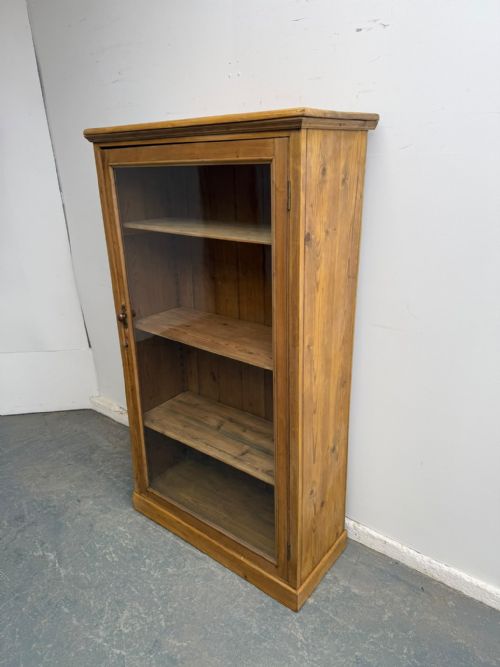
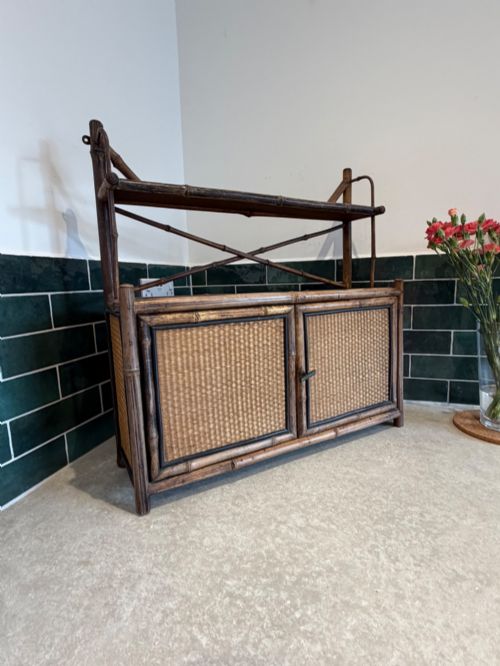
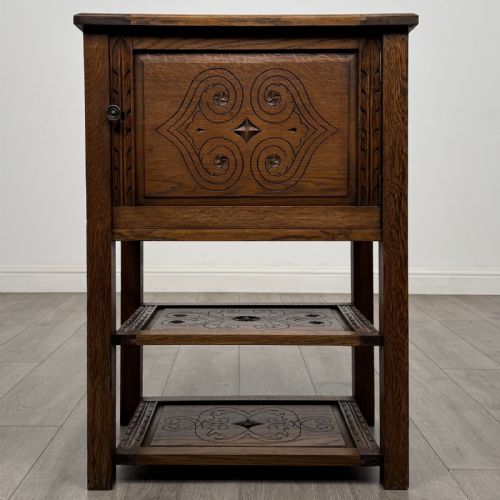
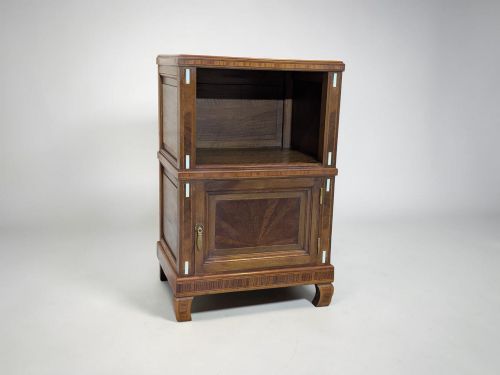
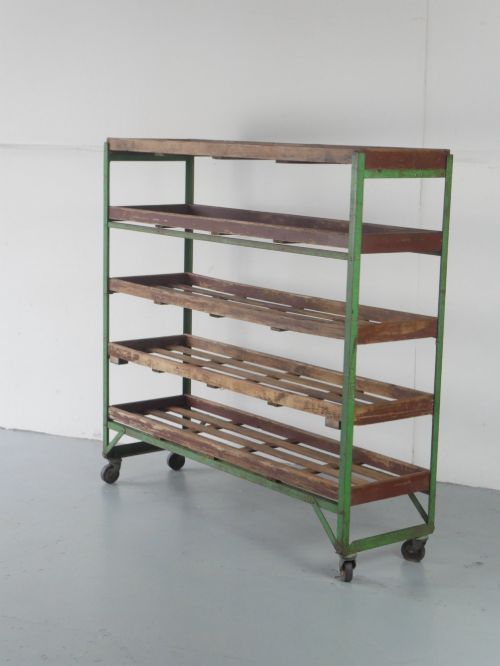
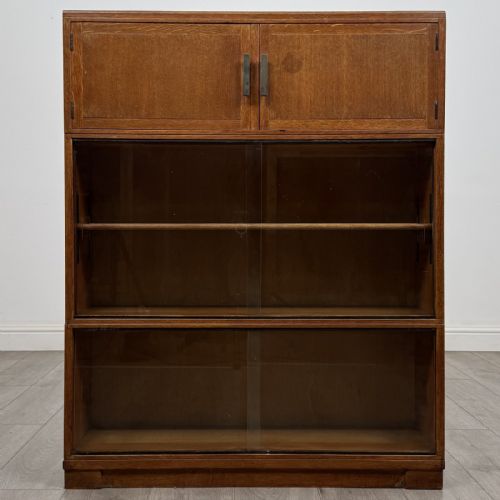
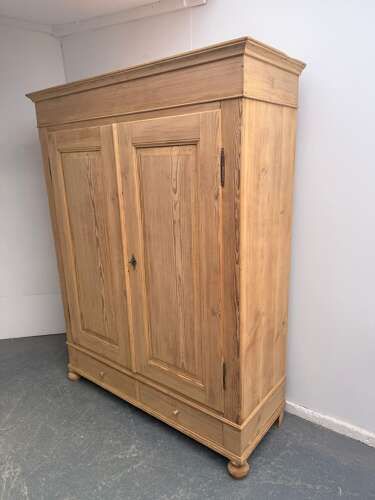
Vintage storage shelves encompass a diverse group of furniture items designed primarily for display and organisation, ranging from open bookcases and stacking barrister cases to wall cabinets, dressers, and industrial shoe trolleys. When searching for vintage storage shelves, buyers encounter pieces fashioned in varied forms such as four-tier whatnots, corner units, tambour cabinets, and side cabinets.
The selection reflects multiple eras, drawing heavily from nineteenth-century pieces alongside Edwardian, Victorian, and 1920s or 1930s examples. Materials span solid woods and metals, bringing traditional craftsmanship and utilitarian design together in domestic and workspace settings.
How they were made
Construction relies heavily on traditional timber working, utilising solid woods such as oak, mahogany, walnut, pine, elm, teak, and cedar, often complemented by brass hardware and glass doors. Makers employed structural techniques suited to the intended use, from carved detailing on Georgian and Victorian bookcases to stacking modular designs and industrial iron or wooden frames.
Surfaces receive various finishes, including wax, paint, or polished grains, while specialised mechanisms like sliding glass panels, tambour doors, and adjustable shelving structures appear in nineteenth and twentieth-century examples.
Vintage Storage Shelves Retail Price Guide 2026
Typical asking prices for vintage storage shelves among the pieces listed under this phrase on Sellingantiques today, from the lower quarter to the upper quarter. They describe what is for sale here now, not the wider market.
Storage forms span open bookcases, wall cabinets, side cabinets, wardrobes, dressers, and industrial shoe trolleys.
What varies in quality
Quality in these storage pieces rests upon the integrity of the materials and the precision of the joinery, distinguishing utilitarian workshop items from refined domestic furniture. Solid timber construction, well-fitted sliding or tambour doors, and original hardware elevate a piece above standard utility grade.
Provenance and maker attribution further distinguish the range, as seen in workshop-stamped stacking bookcases or bespoke architectural library units compared to vernacular pine cupboards.
Minty of Oxford·Heals·Whytock and Reid
The Vintage Storage Shelves Glossary
- Barristers bookcase
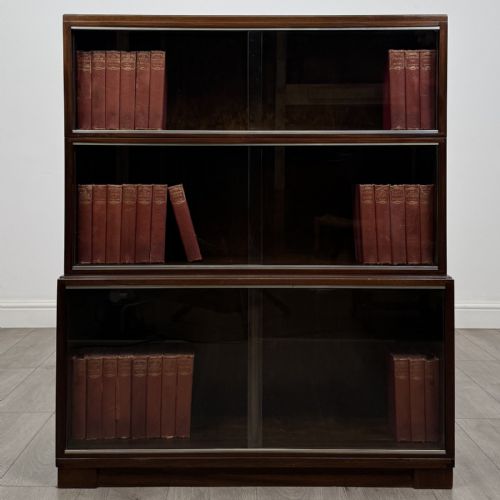
- A modular bookcase featuring multiple stacked shelf sections, typically with glazed up-and-over glass doors designed to protect books. These units were popular in offices and studies during the early twentieth century.
- Tambour cabinet
- A cabinet fitted with a flexible shutter door made of narrow vertical slats of wood glued to a canvas backing. This door slides smoothly around a track to conceal the interior adjustable shelves.
- Whatnot
- An open set of multiple tiers or shelves used for displaying ornaments and small objects, developed during the nineteenth century. These freestanding or wall-mounted stands typically feature slender vertical corner supports.
- Pigeon holes
- A grid of small rectangular compartments designed for sorting papers, letters, or components. These utilitarian units are frequently found in early twentieth-century administrative or industrial contexts.
Vintage Storage Shelves: Frequently Asked Questions
What defines a stacking bookcase?
A stacking bookcase consists of separate modular shelf sections that sit one upon another, often secured by a base and a top cornice. This design allows the shelving unit to be dismantled easily for transport.
Such barrister cases typically incorporate glass doors on each tier to protect the contents while maintaining visibility.
How do I identify industrial shelving?
Industrial storage units generally prioritize robust utility over decorative appearance, utilising heavy woods, iron components, and utilitarian forms like shoe trolleys or pigeon holes. They originate from workspaces rather than domestic parlours.
These pieces often display functional hardware, sturdy frames, and signs of robust workshop use.
Where are wall cabinets best placed?
Wall-mounted cabinets and shelves suit spaces where floor area is limited, providing vertical storage above sideboards, desks, or in hallways. They serve to keep everyday items accessible while freeing up room below.
Securing these heavier wooden or bamboo wall units requires anchoring directly into structural wall supports.
Can I paint a pine storage unit?
Many antique and vintage pine cupboards, bookcases, and wardrobes are sold in a state suitable for waxing or painting to match modern interiors. Unfinished or stripped pine accepts new coats readily.
Preparation involves ensuring the timber surface is clean and dry before applying appropriate primers or finishing waxes.