



Vintage Storage Container
When you search for a vintage storage container, you encounter vessels built for tea, coal, hats, and grain across multiple centuries.
Vintage Storage Container
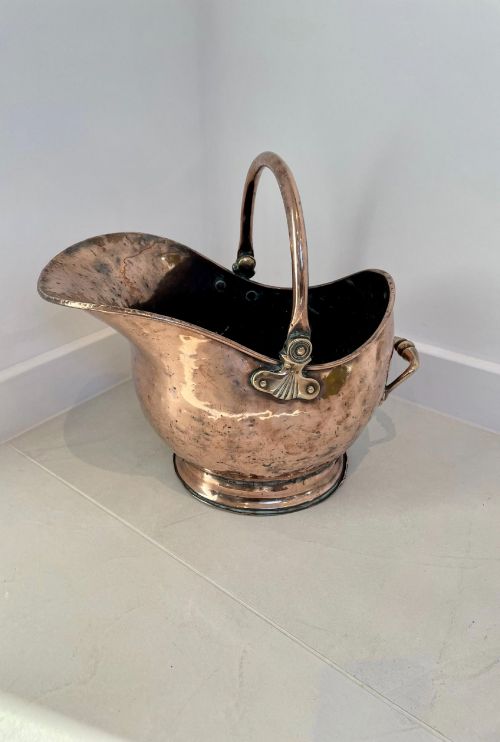
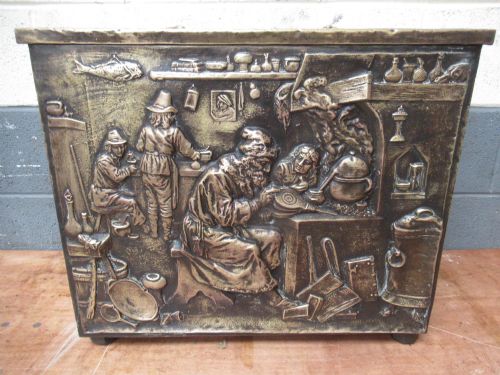
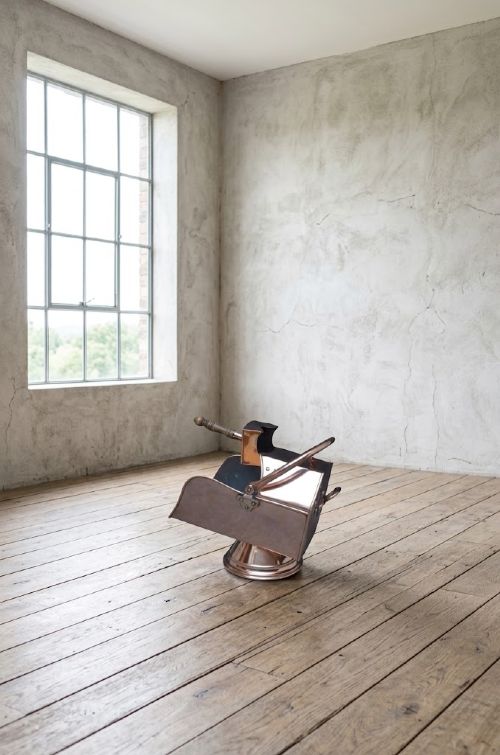
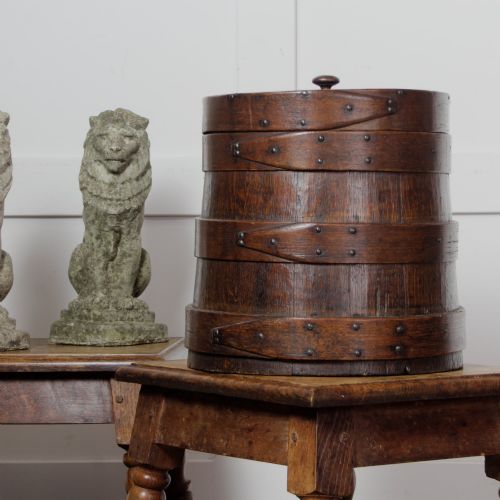
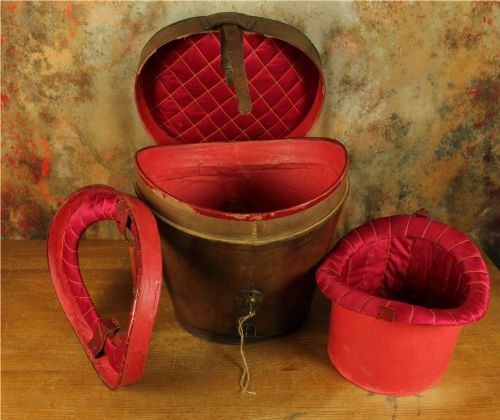
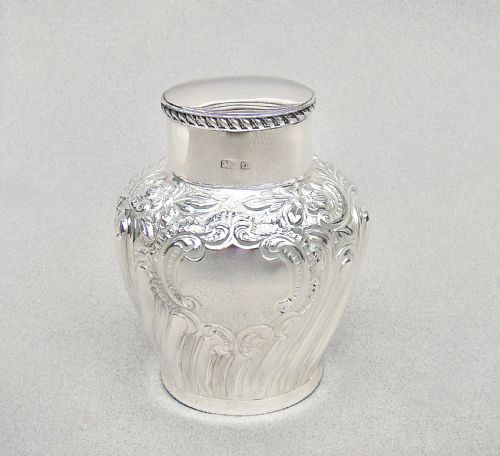
A vintage storage container encompasses practical domestic items from the Georgian, Victorian, and Edwardian eras designed to hold specific household goods. Buyers searching this phrase will find a diverse array of utilitarian objects, ranging from heavy brass log bins and copper coal scuttles to leather hat boxes and wooden tea caddies.
How they were made
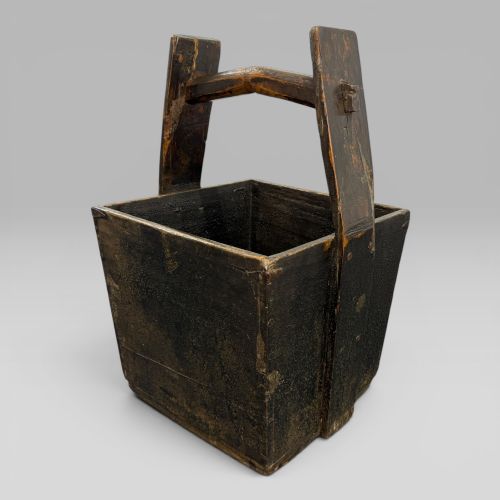
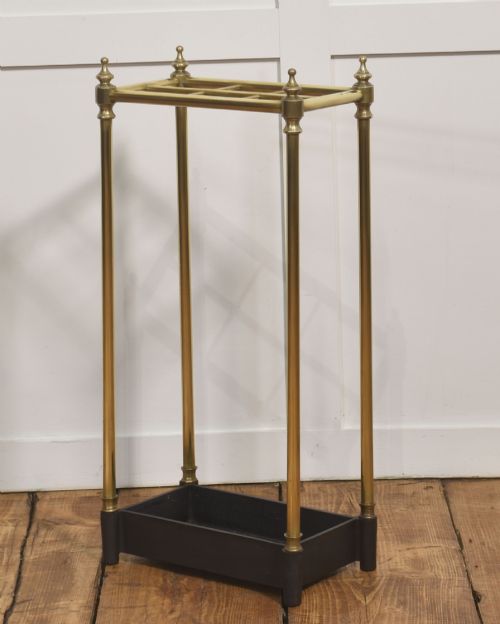
Construction methods rely heavily on traditional metalworking and cabinetry, utilising solid oak, mahogany, elm, pitch pine, brass, copper, and sterling silver. Metal containers often feature embossed decoration, iron framing, or cast iron components, while wooden examples incorporate dovetail joints, painted leather, red lacquer, and carved teak.
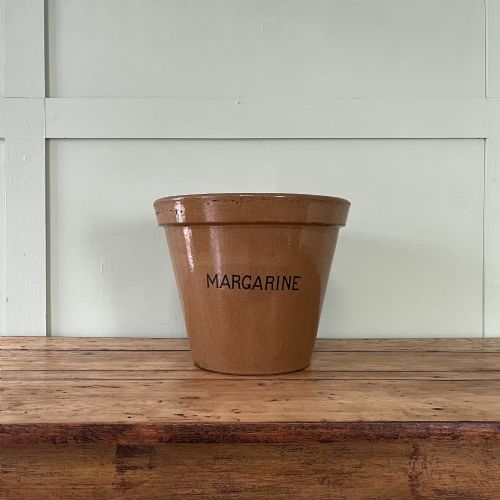
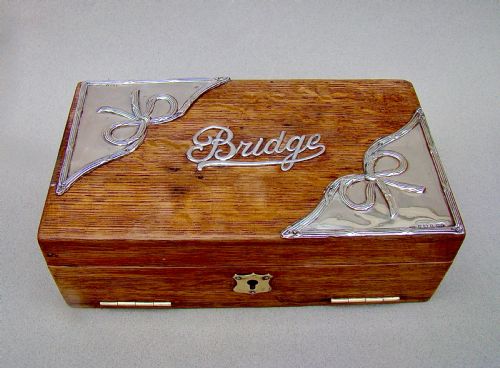
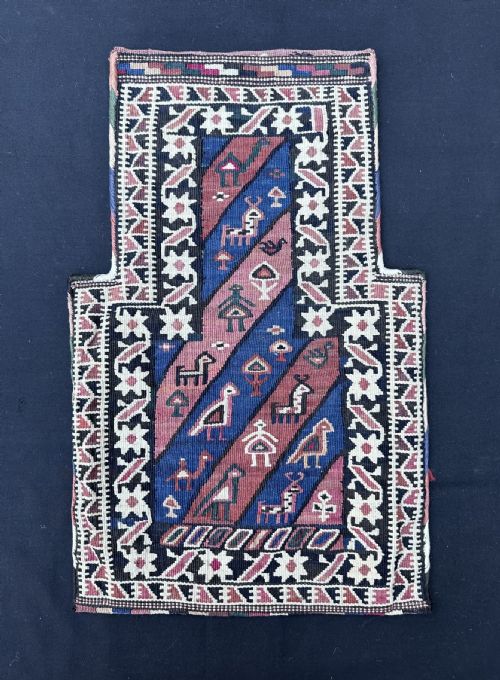
Many items combine mixed media, such as copper bands fitted to brass log bins, or silver mounts applied to wooden bridge playing cards boxes. Stoneware, treen, and woven plant fibres also feature prominently, demonstrating the period reliance on durable, natural materials for daily utility.
Vintage Storage Container Retail Price Guide 2026
Typical asking prices for vintage storage container among the pieces listed under this phrase on Sellingantiques today, from the lower quarter to the upper quarter. They describe what is for sale here now, not the wider market.
Listings feature storage containers spanning from the eighteenth century through to the Art Deco period, incorporating oak, brass, copper, and sterling silver.
What varies in quality
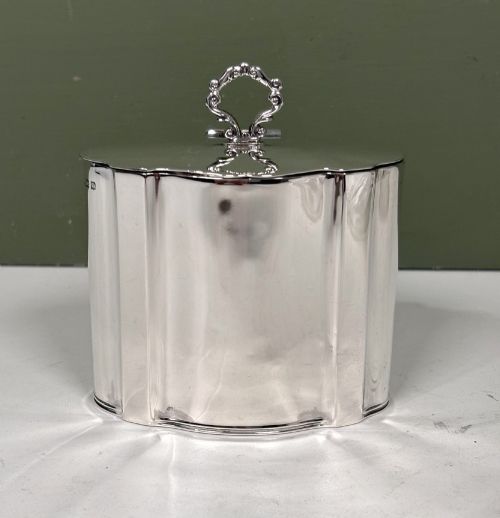
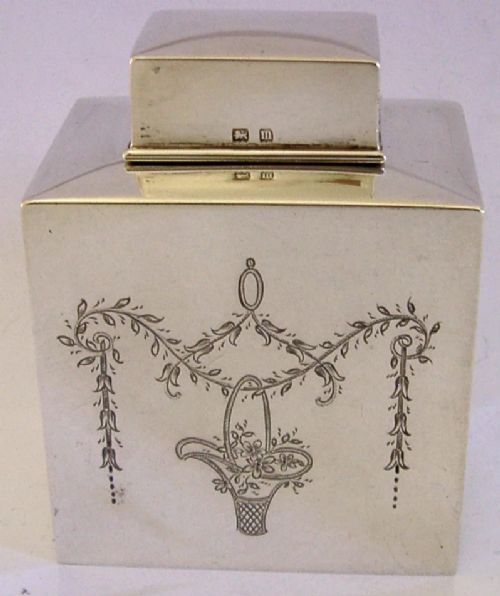
The distinction between tiers rests upon the choice of materials, the presence of precious metals like sterling silver, and the sophistication of the craftsmanship. Sterling silver tea caddies marked by known silversmiths sit at the upper end of the scale, whereas utilitarian galvanised fire bins or pine crates represent straightforward domestic utility.
Decorative embellishment also dictates the calibre of a piece, separating plain everyday containers from elaborately embossed brass vessels, painted leather hat cases, and intricately carved wooden spice boxes. Original hardware, such as keys, iron frames, and copper banding, further distinguishes finer examples.
Levi and Salaman·Thomas Hayes·Zimmermann
The Vintage Storage Container Glossary
- Tea caddy
- A small container designed specifically to store loose tea leaves securely. These often include internal lids or locking mechanisms.
- Coal scuttle
- A bucket or container used for holding and transporting coal to a fireplace. They frequently incorporate pivoting handles and shovels.
- Treen
- Small handmade wooden household objects carved by turners. This category includes items like spice towers and domestic utensils.
- Toleware
- Enamelled or lacquered metalware popular in the nineteenth century. It often appears on flour bins and decorative storage pieces.
- Hat box
- A rigid container shaped to protect headwear during travel or storage. Leather and painted variants survive from the Georgian and Victorian periods.
Vintage Storage Container: Frequently Asked Questions
What were tea caddies used for?
Tea caddies served to store expensive tea leaves securely under lock and key in wealthy households. The leaves were measured out sparingly by the head of the house.
These small boxes often feature internal compartments or multiple canisters to separate different varieties of tea.
How do I identify a coal box?
Coal boxes and scuttles are typically constructed from robust metal such as brass, copper, or cast iron to withstand heavy fuel. Many incorporate hinged lids, drop handles, and specialised shovels.
Victorian examples frequently display embossed decorative motifs or sit within dedicated wooden frames.
What is an industrial mill bin?
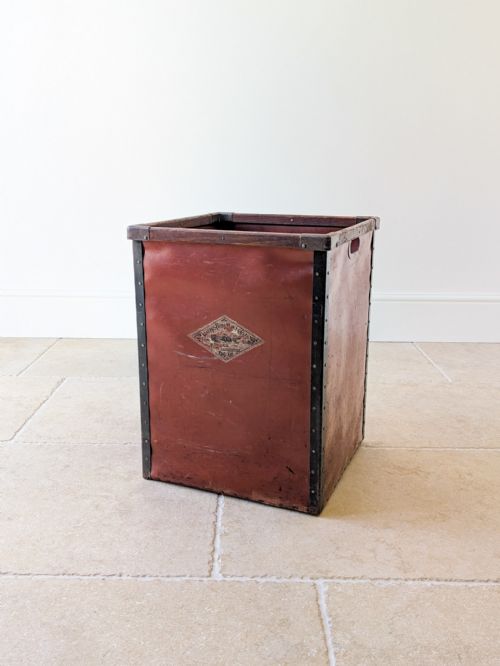
An industrial mill bin is a heavy-duty container salvaged from nineteenth or early twentieth-century manufacturing sites. These pieces were built for rigorous daily work in factories and mills.
Constructed from durable metals, they often retain original wheels, stencilled lettering, or iron framing.
How are wooden storage boxes dated?
Dating relies on observing construction techniques such as dovetailing, tool marks, and the specific wood species utilised. Georgian pieces frequently employ mahogany or oak with hand-cut joints, while Edwardian items show different manufacturing standards.
Hardware components like locks, hinges, and key escutcheons also provide reliable chronological markers.