



Edwardian Industrial Storage
Edwardian industrial storage brings together robust metal and heavy timber to create practical pieces that organise a modern room with utilitarian character.
Edwardian Industrial Storage
When buyers search for Edwardian industrial storage, they encounter functional items designed for factories, offices and workshops during the early twentieth century. These objects include banks of drawers, filing cabinets, deed boxes, mill bins and steamer trunks.
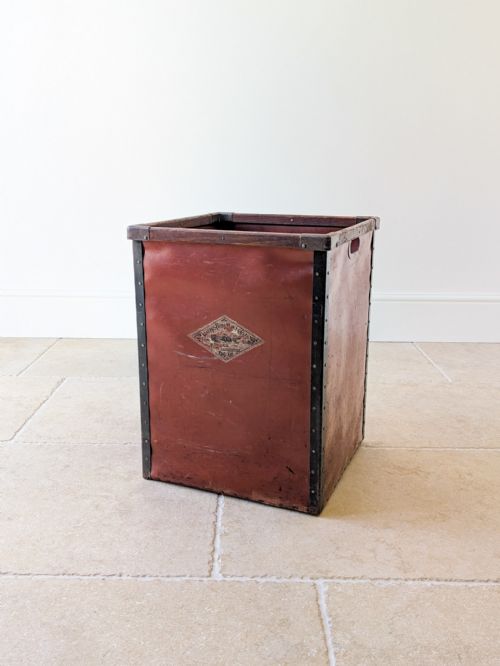
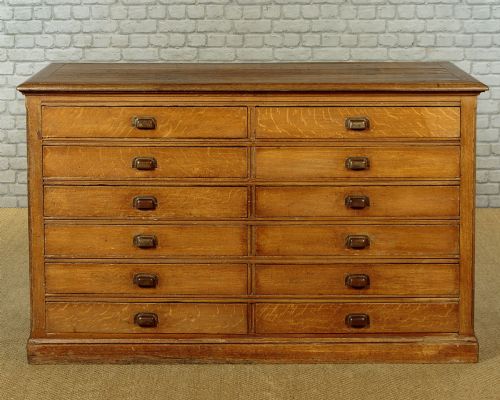
The pieces on this page span the Victorian period through to the 1930s, encompassing styles such as industrial utility and rustic country. Storage forms range from large wooden plan chests and pigeonhole cabinets to galvanised metal bins and wicker baskets.
Most examples originate from commercial or utilitarian settings, where durability mattered more than decoration. Their straightforward construction makes them versatile for contemporary interiors requiring practical storage solutions.
Materials and Construction
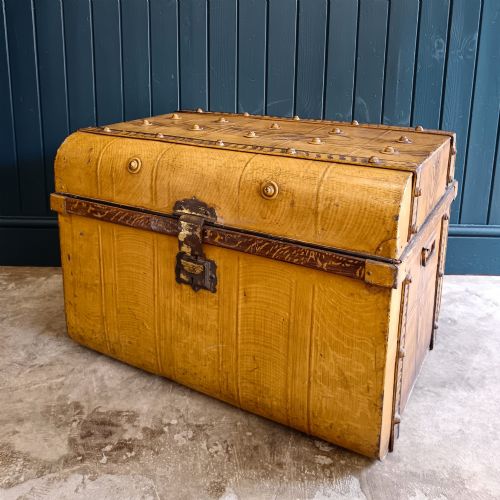
Construction relies heavily on durable metals such as iron, steel, brass and aluminium, alongside sturdy timbers including oak, pine, mahogany and general wood. Painted finishes and faux-wood effects frequently appear on metal steamer trunks and storage bins.
Makers utilised practical joinery and reinforced corners to withstand heavy commercial use in offices, mills and transport contexts. Brass handles, patent mechanisms and secure locks complete the construction of functional filing cabinets and deed boxes.
Edwardian Industrial Storage Retail Price Guide 2026
Typical asking prices for edwardian industrial storage among the pieces listed under this phrase on Sellingantiques today, from the lower quarter to the upper quarter. They describe what is for sale here now, not the wider market.
Object types in this category range from large shipping chests and plan chests to watchmaker drawer banks and wicker mill baskets.
Judging Quality
Quality in these utilitarian pieces rests upon the integrity of the original construction and the survival of working hardware, such as brass handles, locks and patent filing mechanisms. Substantial timber thickness and robust metal gauges distinguish robust commercial pieces from lighter domestic items.
The character of the surface finish, whether aged paint, galvanised zinc or polished brass, significantly influences the appeal of each piece. Original operational fittings and Maker stamps add distinction to industrial filing cabinets and storage chests.
The Edwardian Industrial Storage Glossary
- Bank of drawers
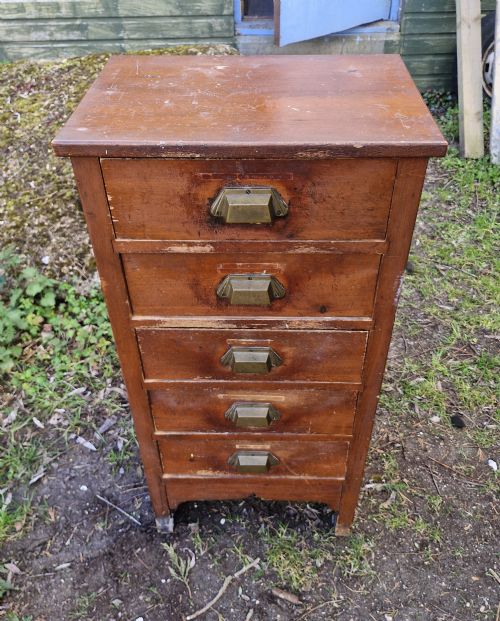
- A multi-drawer cabinetry unit designed for sorting documents, parts or tools in an office or workshop. These assemblies range from compact desktop sizes to tall watchmaker cabinets with numerous small compartments.
- Plan chest
- A wide, shallow set of drawers built specifically for storing large architectural drawings, maps or blueprints flat. They are typically constructed from dense timbers like pitch pine or oak.
- Deed box
- A portable metal container, often made of steel or iron with a secure lock and drop handle, used historically for storing legal documents and valuables. They frequently feature painted finishes and brass fittings.
- Mill bin
- A heavy-duty container utilised in textile mills and industrial plants for holding raw materials or finished goods. They appear in galvanised metal, wicker or wood.
- Steamer trunk
- A large travelling chest designed to fit in the cabins of ocean liners during the late nineteenth and early twentieth centuries. They are constructed from wood or metal with reinforced corners and travel straps.
Edwardian Industrial Storage: Frequently Asked Questions
What is industrial storage?
Industrial storage comprises utilitarian furniture and containers built for factories, offices, and transport rather than domestic homes. These pieces include metal trunks, drawer banks, and wooden cupboards.
Built for heavy commercial use, they rely on robust materials like steel, iron, and dense timber to endure demanding daily environments.
How were old filing cabinets used?
Office cabinets and letter files were designed to organise paperwork, deeds, and correspondence in commercial businesses. Patent mechanisms and pigeonhole layouts helped clerks sort large volumes of documents efficiently.
Over time, these heavy-duty filing systems transitioned from active workspaces into decorative and practical storage for modern homes.
Are these pieces made of solid wood?
Many items utilise solid timbers such as oak, mahogany, and pitch pine, particularly in plan chests and drawer banks. Other pieces combine wood with iron, steel, brass, or painted metal.
Utilitarian construction prioritised strength and durability, resulting in heavy materials designed to withstand industrial wear and tear.
How do I style industrial storage at home?
These functional forms integrate easily into living spaces as sideboards, coffee tables, or organisational units. Metal trunks and drawer banks provide concealed storage while adding tactile contrast to domestic interiors.
Their neutral tones and utilitarian details complement both contemporary rooms and traditional rustic settings without overwhelming the space.