
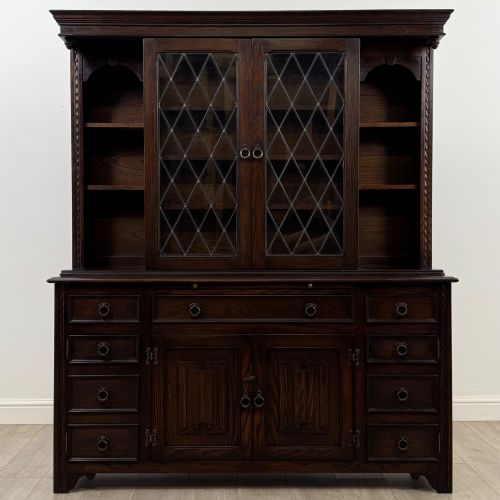
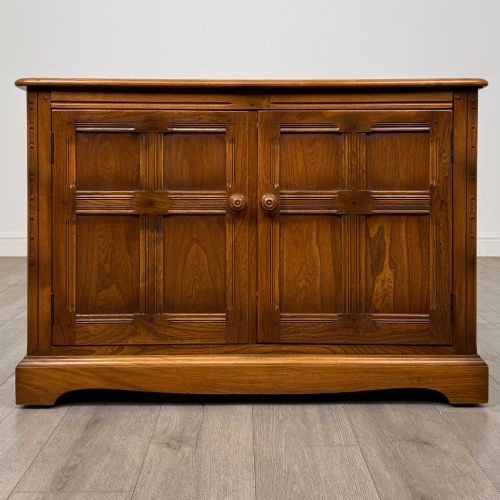
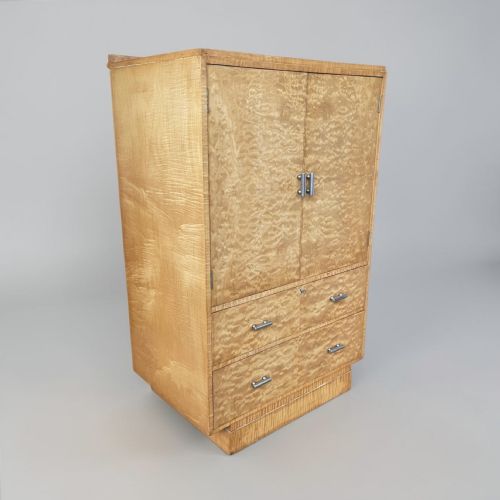
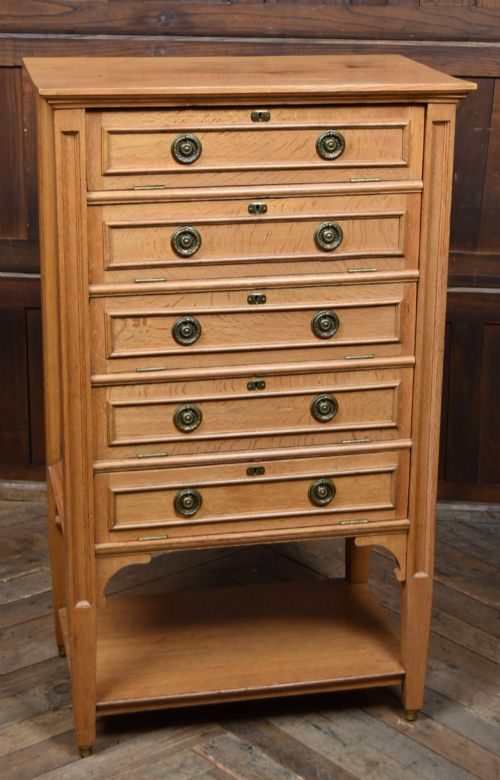
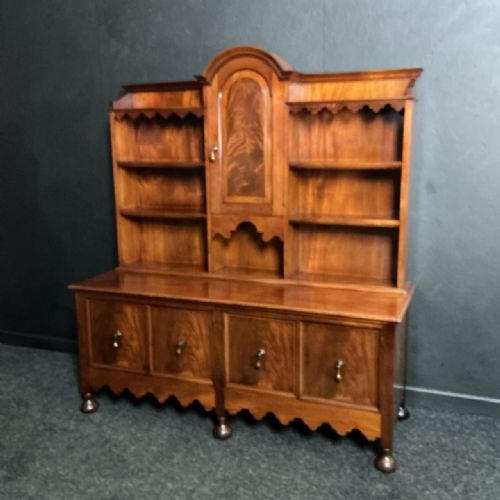
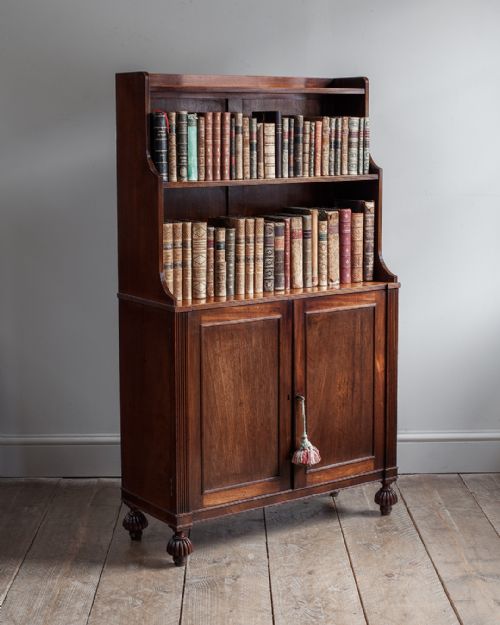
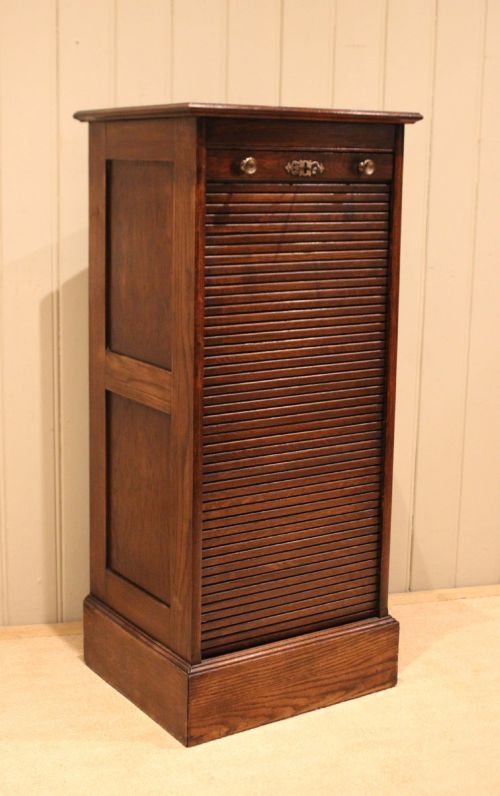
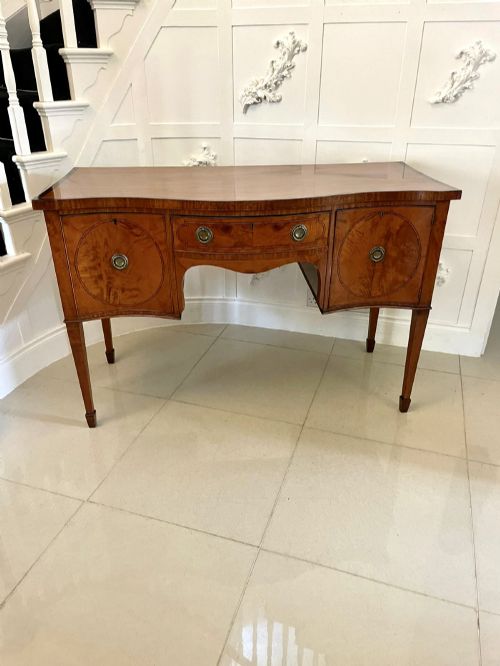
Vintage Storage Cabinet
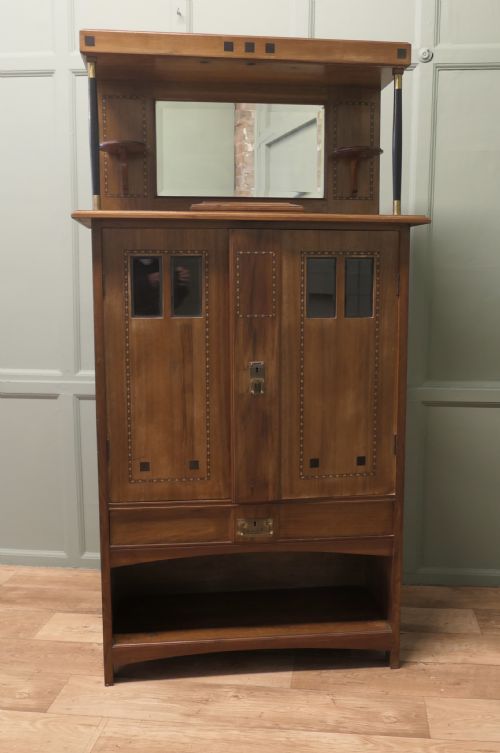
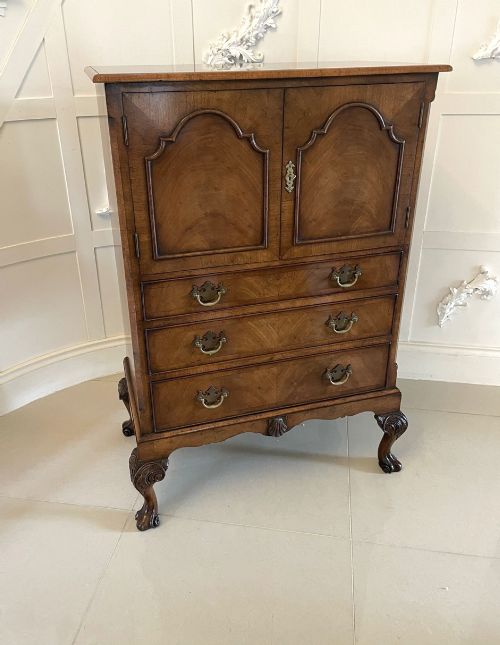
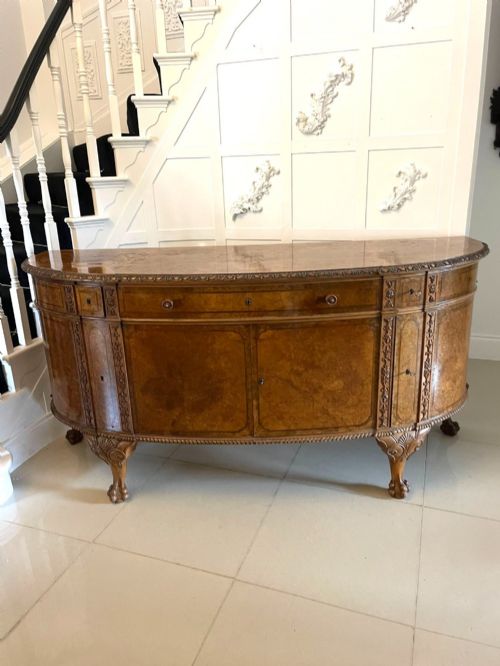
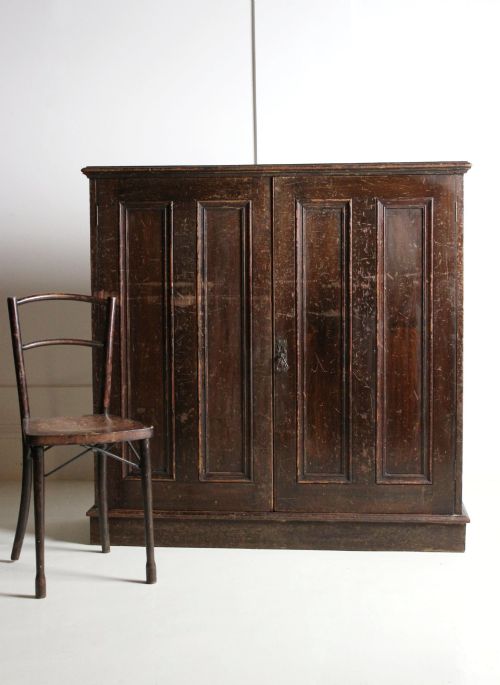
A vintage storage cabinet brings period character and practical organisation to a room, using traditional materials from past centuries.
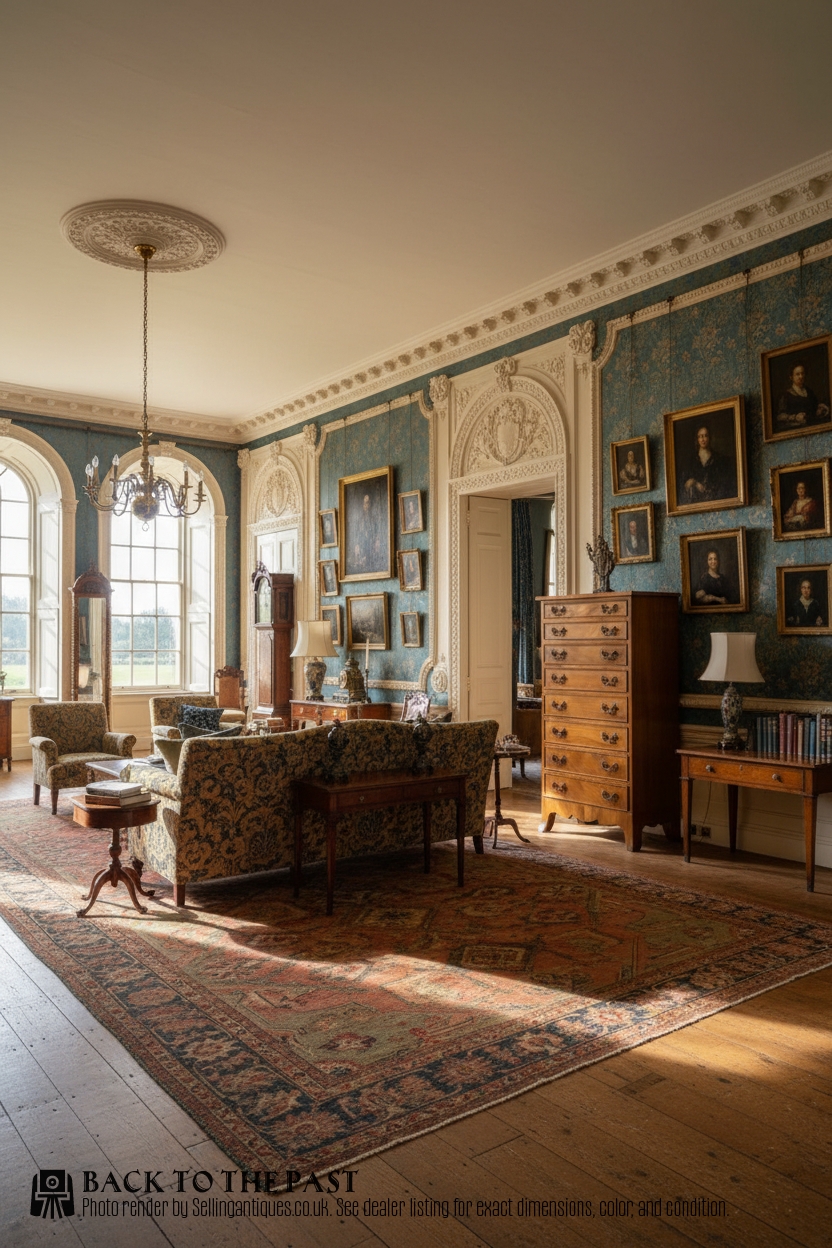
Vintage Storage Cabinet
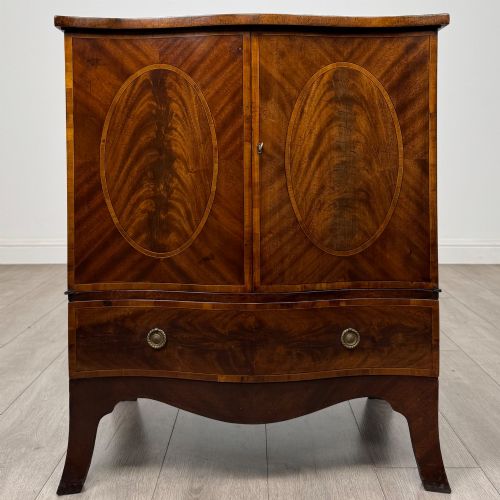
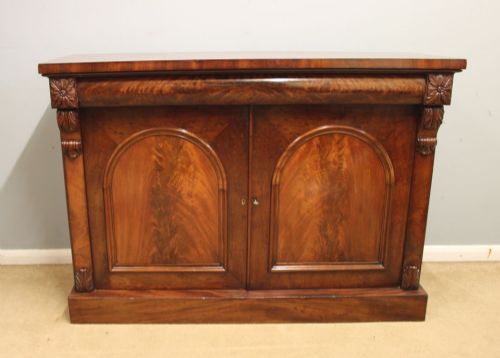
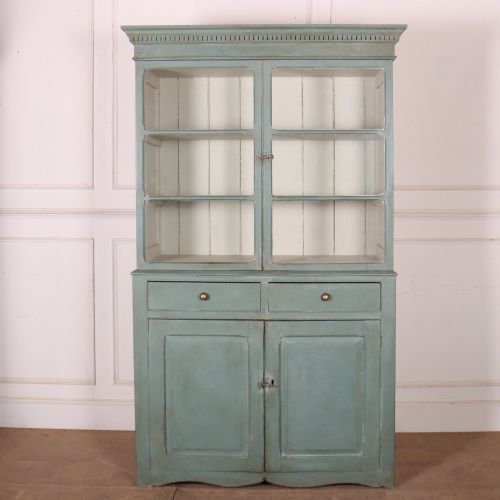
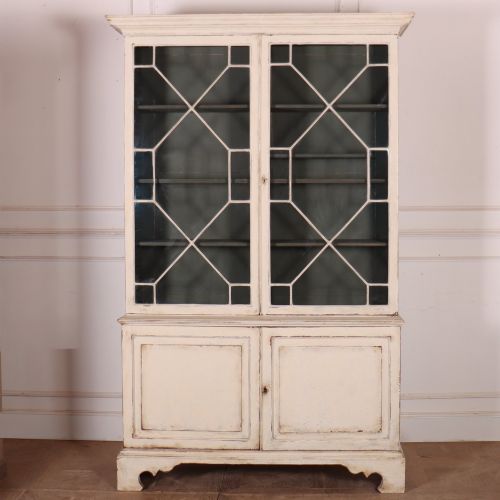
A vintage storage cabinet encompasses diverse forms such as cupboards, filing cabinets, sideboards, chests of drawers, and wardrobes originating from periods including the Victorian, Edwardian, and 1930s eras. Buyers searching for a vintage storage cabinet encounter practical utility pieces constructed by makers across Britain, France, and China.
The most common versions on this page are oak and mahogany pieces from the Edwardian period and the 1920s, alongside walnut Art Deco designs and nineteenth-century pine cupboards. These items range from office filing units to domestic display cabinets and linen presses.

Materials and construction
Cabinet makers utilised solid hardwoods like oak, mahogany, and walnut, frequently applying burr walnut and satinwood veneers for decorative effect. Brass hardware, glass panels, and marble tops appear across nineteenth and twentieth-century examples.
Construction techniques involve dovetail joints for drawers, panelled doors, and tambour fronts on specialised office cabinets. Timber was selected for grain pattern, then polished, carved, or painted according to the prevailing style of the period.
Vintage Storage Cabinet Retail Price Guide 2026
Typical asking prices for vintage storage cabinet among the pieces listed under this phrase on Sellingantiques today, from the lower quarter to the upper quarter. They describe what is for sale here now, not the wider market.
A fifteen-door locker cabinet offers fifteen separate opportunities to lose your keys.
Distinctions in quality
Quality varies through the selection of timber veneers, the precision of cabinet joinery, and the integrity of original brass fittings and glass. Pieces designated as fine or outstanding quality demonstrate superior grain matching in burr walnut and more ambitious serpentine or bow-front shaping.
Simpler pine cupboards and utilitarian lockers contrast with architectural breakfront bookcases and inlaid satinwood wardrobes. The presence of specialised mechanisms, such as tambour shutters or marble tops, separates standard utility furniture from high-status commissions.
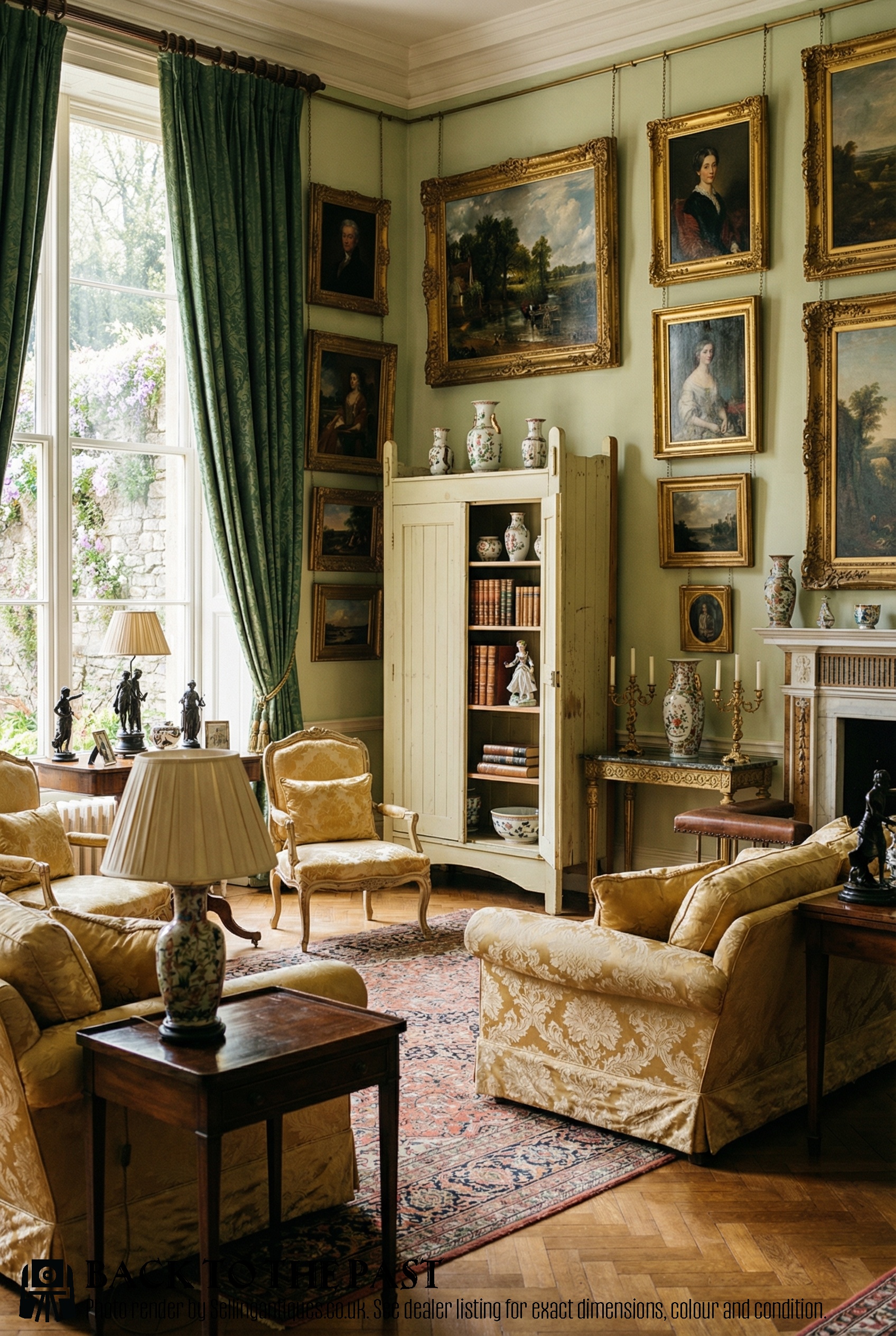
GM Elwood for JS Henry·maples & co
The Vintage Storage Cabinet Glossary
- Tambour
- A flexible sliding door made from narrow strips of wood glued to canvas. This mechanism is frequently found on early twentieth-century filing cabinets.
- Serpentine
- A furniture front curved in a wave shape, convex at the centre and concave at the sides. This contour requires skilled carpentry.
- Chiffonier
- A low sideboard or cabinet developed in the nineteenth century, typically featuring drawers and cupboard doors beneath a shelf.
- Linen Press
- A tall wardrobe or cupboard designed originally for storing folded sheets and textiles, often featuring sliding internal trays.
Vintage Storage Cabinet: Frequently Asked Questions
What periods do these cabinets cover?
The listings span from the nineteenth century through the Edwardian era, the 1920s, and into Art Deco 1930s designs. Earlier pieces include eighteenth-century examples.
Materials and styles shift across these decades from solid oak and mahogany to burr walnut and painted finishes.
How were tambour cabinets used?
Tambour front cabinets served primarily as filing or office storage units in the early twentieth century. Their sliding wooden slats saved space in crowded rooms.
Today they function effectively as compact home office or general storage furniture.
What is a chiffonier sideboard?
A chiffonier is a nineteenth-century Victorian form combining a low cupboard with drawers and a raised shelf superstructure. They provided versatile dining room storage for tableware and linens.
Mahogany and walnut were the primary woods utilised for these servers.
Are marble top cabinets delicate?
Marble tops on washstands and commodes provide a durable, water-resistant surface designed for daily washroom use. French commodes frequently pair marble with walnut timber.
While heavy, the stone requires normal care to avoid chipping.