




Vintage Stipple Engraving
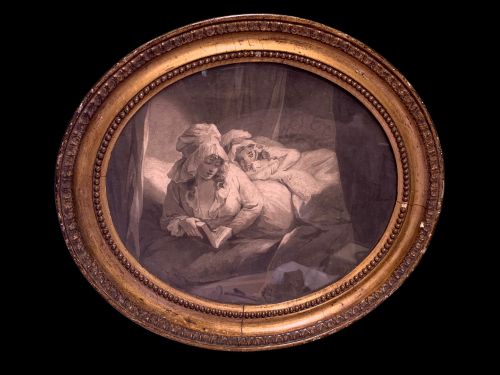
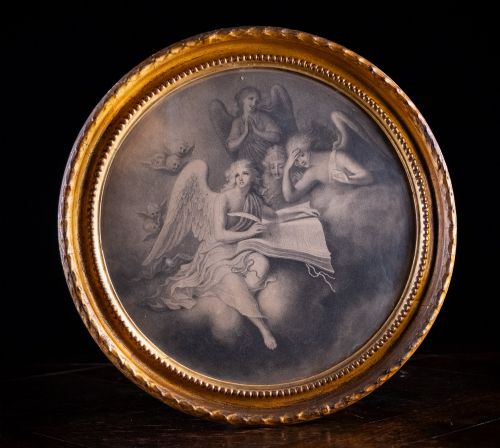
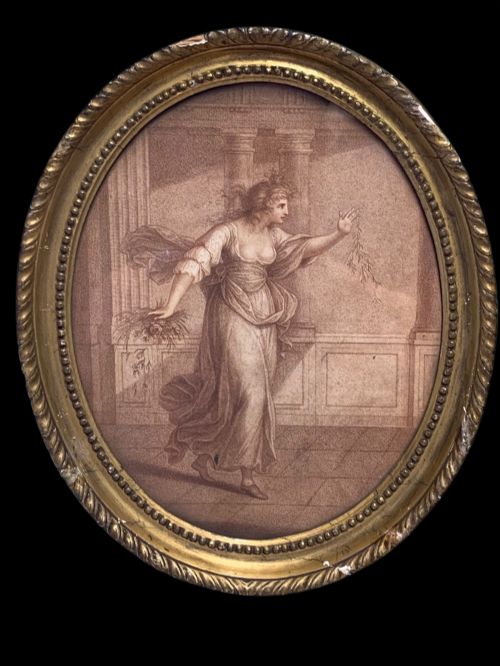
These vintage stipple engraving examples offer a distinct tactile depth and tonal subtlety, capturing classical subjects and historical scenes through delicate clusters of dots.
Vintage Stipple Engraving
When you search for vintage stipple engraving, you encounter works printed on paper using inked dots rather than continuous lines to create subtle tonal gradations and flesh tones. The examples on this page span the eighteenth century, the Regency period, and later revivals from the twentieth century.
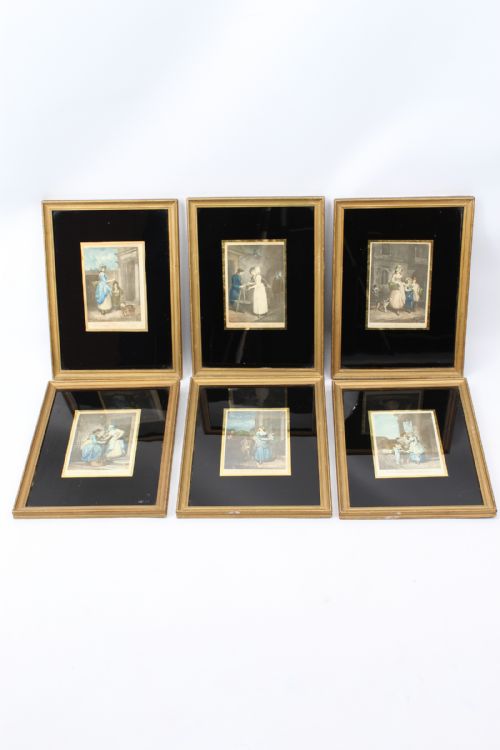
The subjects range from allegorical figures such as weeping angels and classical literary titles to naval officers and decorative series like The Cries of London. Frames often utilise period materials including giltwood, gilt wood, and dark wood, sometimes paired with glass to protect the delicate paper surface.
How they were made
Makers produced these prints by puncturing copper plates with etchers and needles to form dense patterns of tiny dots that held ink beneath the surface of the paper. Hand-colouring was frequently applied afterwards with watercolours to enhance the garments and flesh of the figures depicted.
Framing involved traditional methods using wood, brass, and gold leaf, occasionally retaining early glass and backing boards that preserve the integrity of the antique paper.
Vintage Stipple Engraving Retail Price Guide 2026
Typical asking prices for vintage stipple engraving among the pieces listed under this phrase on Sellingantiques today, from the lower quarter to the upper quarter. They describe what is for sale here now, not the wider market.
Current listings feature paper, ink, giltwood, brass, and wood across the eighteenth century, Regency period, and twentieth century.
What varies in quality
The fineness of the dot stippling determines the softness of the shadows and the realism achieved in facial expressions. Earlier Georgian plates and skilled hands produce greater delicacy in the tonal transitions.
The preservation of the original paper and the survival of period frames, such as Hogarth mouldings or giltwood surrounds, separate standard examples from finer collector pieces.
George Romney·E. Jackson Stodart
The Vintage Stipple Engraving Glossary
- Stipple engraving
- A printmaking technique using dots on a copper plate to build form and tone rather than continuous lines. This method allows for delicate flesh tones and soft shadows.
- Hand-coloured
- A print finished with watercolours applied by hand after the initial impression. This adds specific hues to clothing and background details.
- Giltwood
- Wood carved and coated with gold leaf or metallic powder. It provides a bright, reflective border common in period frames.
- Hogarth frame
- A dark, stepped wooden frame with a subtle inner gold slip. It remains typical of eighteenth and nineteenth century framing styles.
Vintage Stipple Engraving: Frequently Asked Questions
What is a stipple engraving?
A stipple engraving is a print created by punching tiny dots into a copper plate to form images with soft tonal gradations. This technique excels at rendering skin textures and drapery.
Printers applied ink into these dotted depressions before pressing the design onto paper, often finishing the work with watercolour washes by hand.
How do I date these prints?
Dating relies on the paper characteristics, the printing style, and the accompanying frame construction. Eighteenth-century examples often display laid paper and hand-mixed inks.
Later twentieth-century versions from the nineteen-twenties show different paper density and modern framing techniques while copying earlier artistic subjects like classical series.
How should I frame and display them?
These works require conservation-grade materials and ultraviolet-filtering glass to protect the fragile paper from light damage. Keeping them away from direct sunlight prevents the ink and hand-colouring from fading.
Matching them with period frames like giltwood or dark wood preserves their historical character while offering structural support.
Are these prints original antiques?
The listings include genuine eighteenth-century impressions alongside Regency period plates and early twentieth-century interpretations of classic subjects. Each piece reflects the printmaking standards of its specific era.
Examining the plate marks and paper edges helps confirm the age and method of production for each individual artwork.