



Vintage Sterling Tray
A vintage sterling tray brings enduring silver craft to a table, offering both decorative presence and practical utility for serving or display.
Vintage Sterling Tray
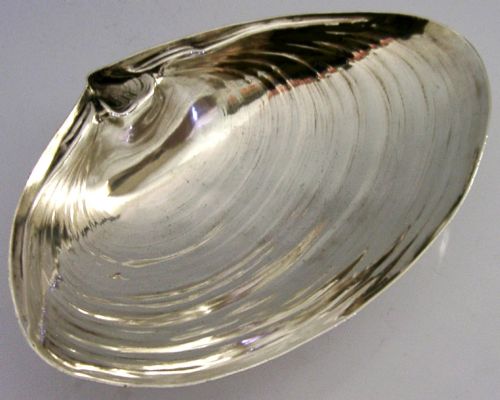
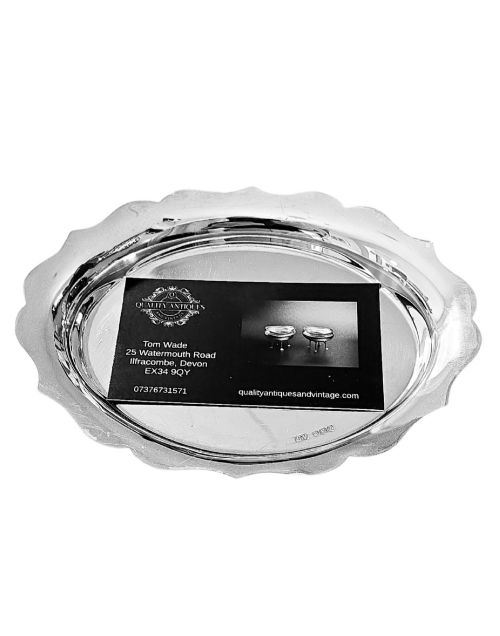
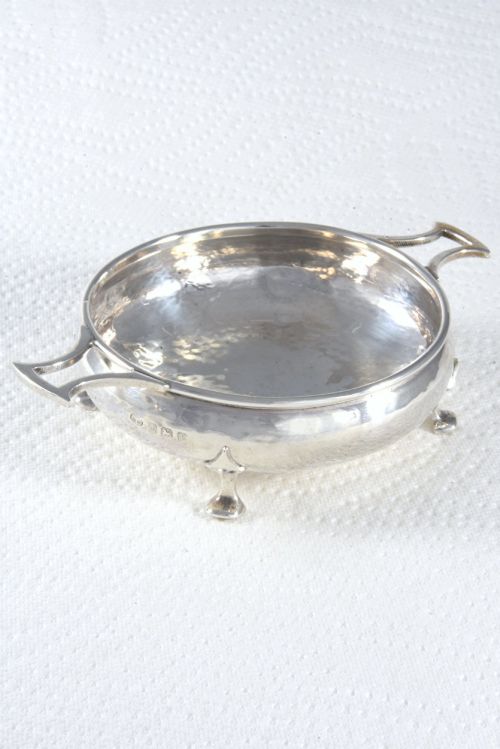
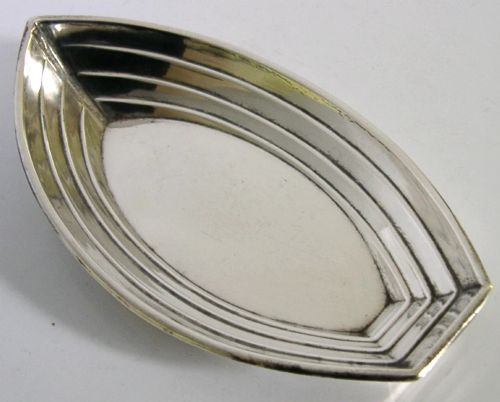
When you search for a vintage sterling tray, you find a variety of silver tableware spanning several periods, from Victorian and Edwardian examples to mid-century modern designs. These pieces include card trays, bread dishes, drinks trays, and smaller trinket dishes fashioned in sterling or solid silver.
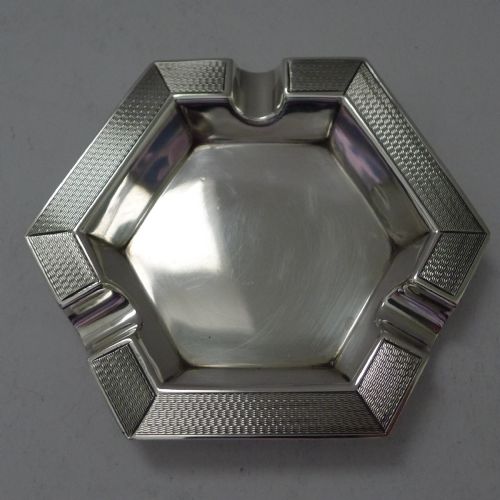
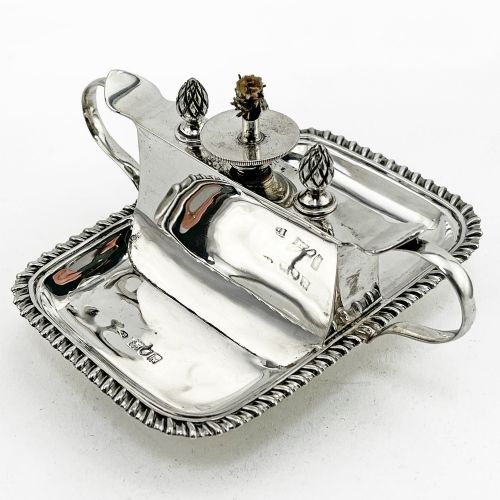
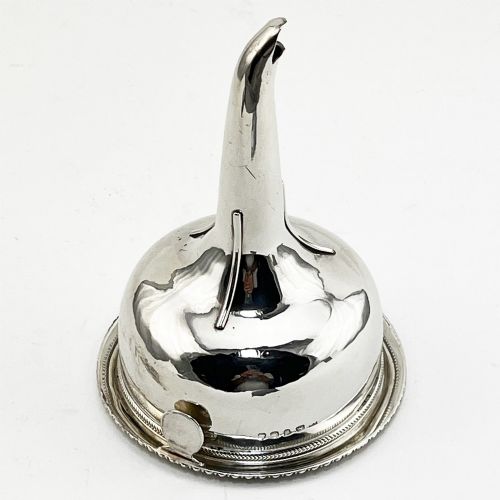
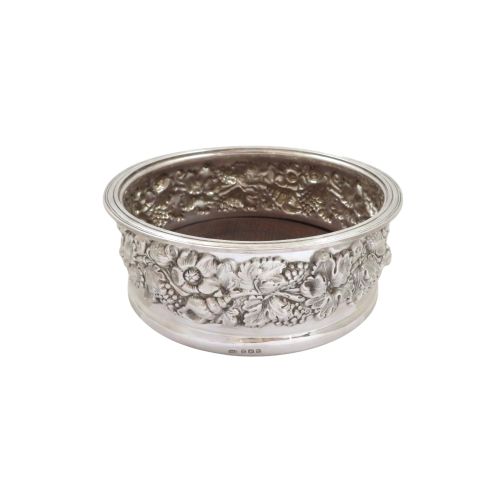
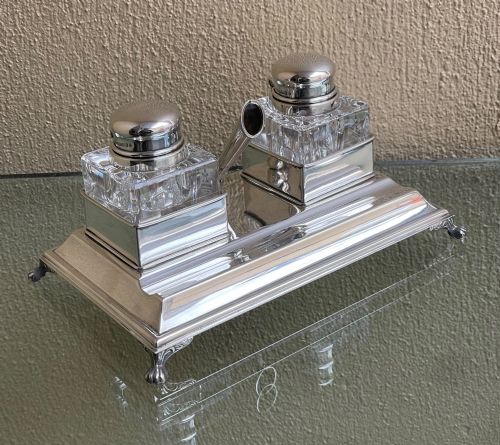
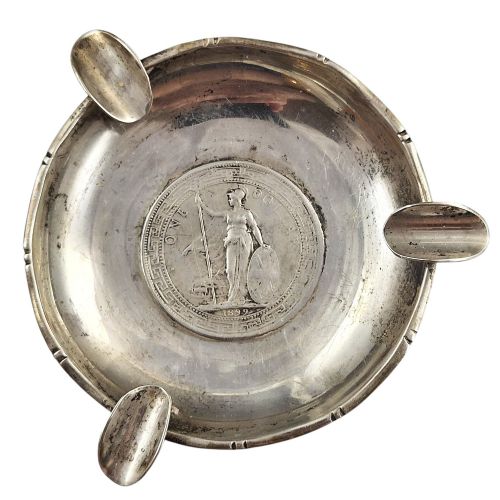
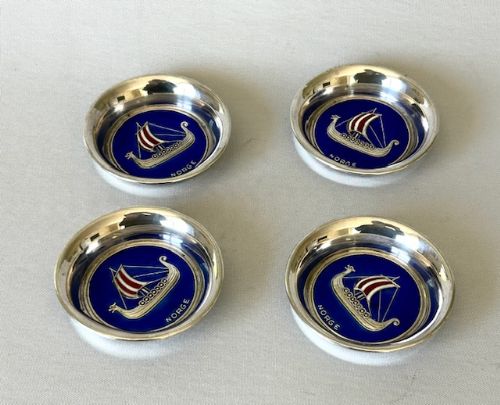
The items listed on this page also encompass related silver serving forms and desk accessories such as inkstands, wine coasters, and ashtrays. Many incorporate additional materials like cut glass, enamel, wood, or coral to enhance their visual appeal.
You will encounter items originating from British makers, American firms, and international workshops, reflecting the widespread global trade in silver goods during the nineteenth and twentieth centuries.
What varies in quality
The thickness of the metal, often referred to as gauge, distinguishes robust items from lighter pieces. Substantial weight in the hand indicates a superior amount of silver used in construction.
Clarity and completeness of hallmarks contribute significantly to an item's standing, alongside the precision of hand-engraved details, applied decorative elements, and the maker's reputation.
Vintage Sterling Tray Retail Price Guide 2026
Typical asking prices for vintage sterling tray among the pieces listed under this phrase on Sellingantiques today, from the lower quarter to the upper quarter. They describe what is for sale here now, not the wider market.
Listings feature items from the Edwardian, Victorian, and mid-century periods, alongside George V and Elizabeth II era pieces.
Emile Viner·William Neale·John Hunt·John Grinsell And Sons·Tiffany And Co·Theo Fennell
The Vintage Sterling Tray Glossary
- Sterling silver
- An alloy consisting of 92.5 percent silver and 7.5 percent other metals, usually copper, chosen for durability in silverware.
- Hallmark
- An official stamp or series of marks applied to precious metals in Britain and other countries to certify the purity of the silver, the maker, and the year of assay.
- Card tray
- A small silver tray traditionally used in receiving visiting cards in formal hallways.
- Trompe l'oeil
- An artistic technique that tricks the eye into perceiving a painted or sculpted object as three-dimensional and real.
- Gauge
- The thickness or weight of the silver used to form the body of a tray or dish.
Vintage Sterling Tray: Frequently Asked Questions
How do I clean a sterling tray?
Clean silver using a soft cloth and a dedicated silver polish designed to remove tarnish without scratching the metal surface. Avoid harsh chemical dips that can strip away intentional darkening in engraved details.
Rinse the tray thoroughly in warm water and dry it completely with a lint-free cloth to maintain its polished finish over time.
Can I use these trays for serving food?
Many of these silver dishes and trays function well for serving bread, canapes, or drinks, provided they do not contain toxic elements or damageable non-silver inserts.
Ensure you wash the item by hand rather than placing it in a dishwasher, as high heat and harsh detergents will ruin the finish.
How do I read silver hallmarks?
Hallmarks typically consist of a maker's mark, a standard mark indicating sterling purity, an assay office symbol, and a date letter corresponding to the year of manufacture.
Reference books and online silver registries help decode these specific symbols to identify the exact origin and age of the piece.
What is the difference between sterling and solid silver?
Sterling silver specifically denotes an alloy containing 92.5 percent pure silver combined with strengthening metals, adhering to strict legal standards in Britain and elsewhere.
Solid silver is a general term often used interchangeably in trade descriptions, though sterling carries the specific assay guarantee of composition.