



Vintage Sterling Tea Set
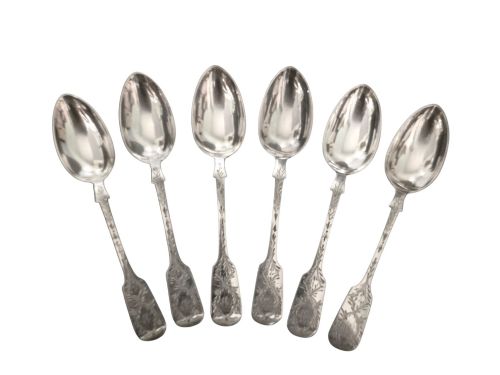
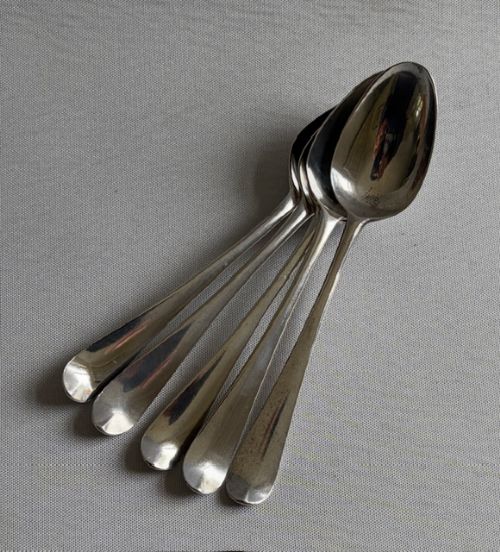
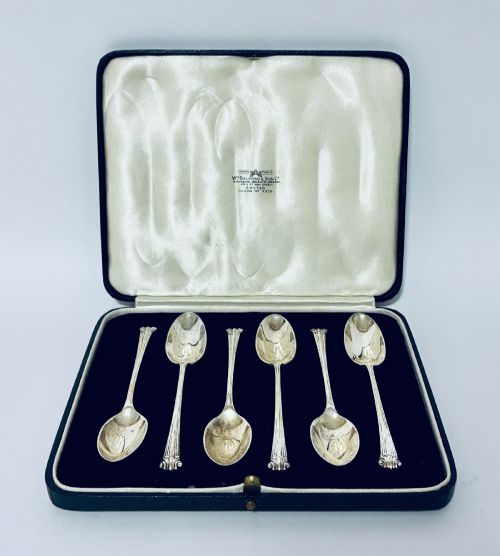
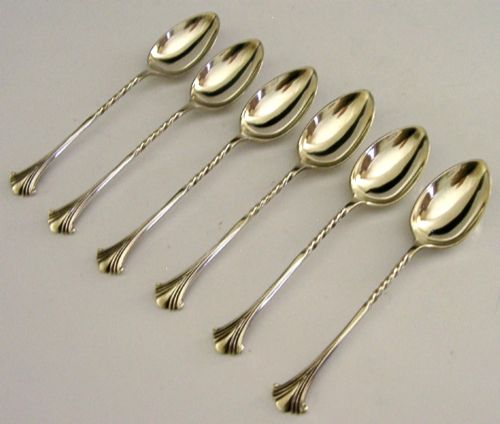
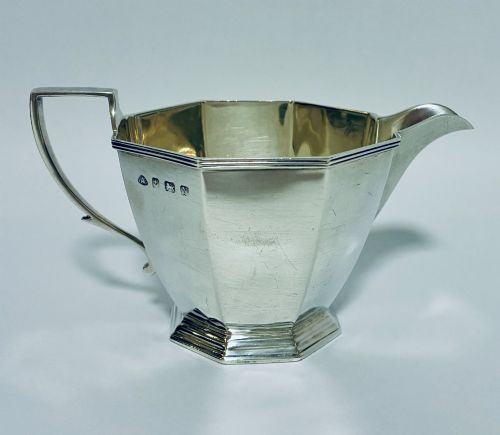
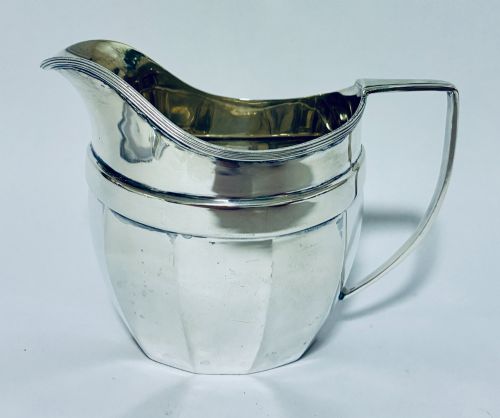
These vintage sterling tea set components include cased spoons, cream jugs, and strainers spanning the Edwardian, Art Deco, and Mid-Century Modern periods.
Vintage Sterling Tea Set
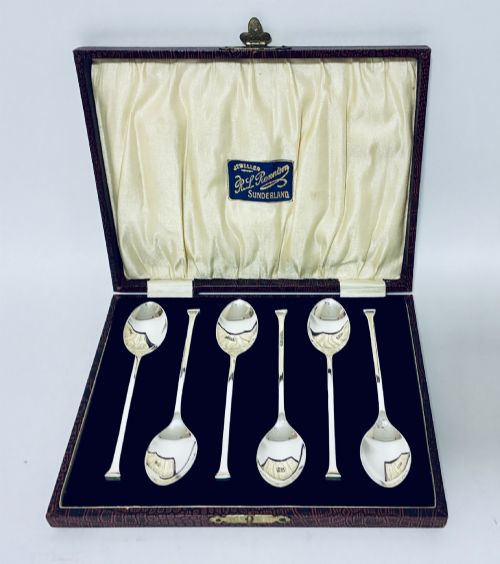
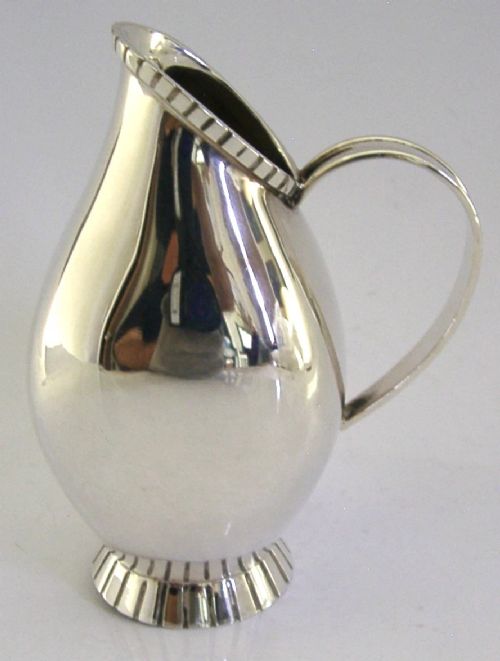
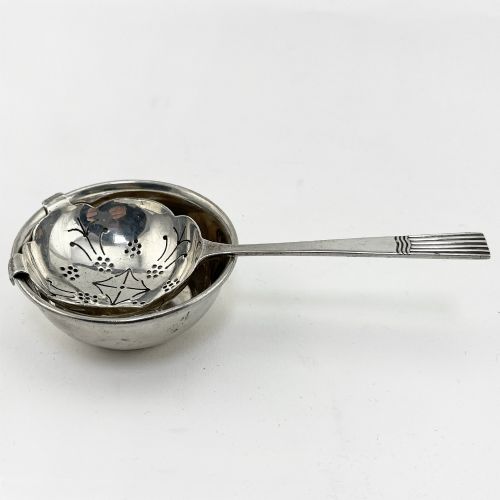
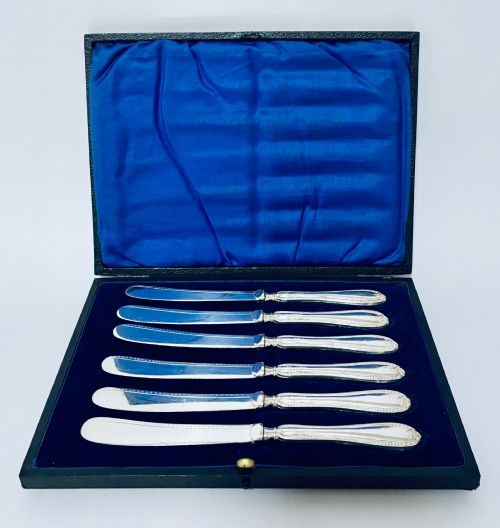
A vintage sterling tea set encompasses matched or cased groups of silverware designed for tea and coffee service, alongside related implements such as cream jugs, tea strainers, and sugar tongs. When exploring a vintage sterling tea set, buyers frequently encounter sets of spoons, butter knives, and cake forks, often preserved in their original fitted cases.
The objects span multiple decades from the Victorian era through the 1920s, 1930s, and into the 1960s, reflecting stylistic shifts from ornate traditional motifs to geometric modernist designs. Forms range from individual cream and milk jugs to comprehensive sets of six or twelve spoons accompanied by serving pieces.
Materials and construction
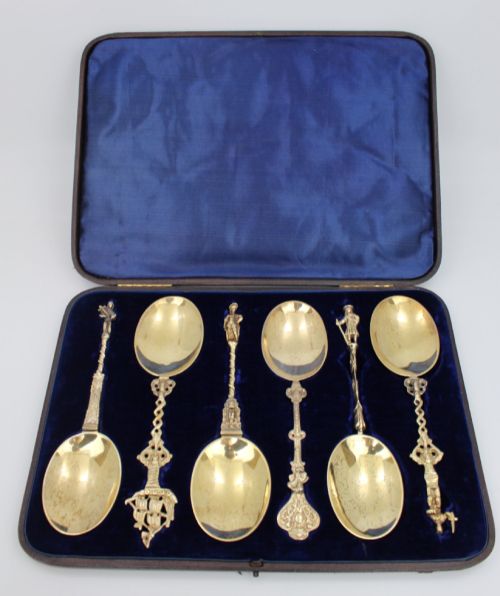
The primary material is sterling silver, frequently paired with secondary elements like silver-gilt plating, enamel work, and Bakelite handles, particularly in Art Deco examples. Presentation boxes utilise velvet, satin, and silk linings to secure spoons, forks, and tongs within fitted recesses.
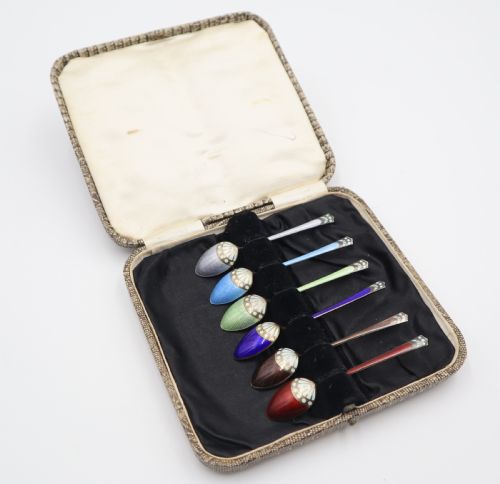
Manufacturing methods combine traditional silversmithing techniques such as hallmarking, casting, and hand-finishing with specialised applications like colourful enamel decoration on spoon bowls and handles. Structural components incorporate steel blades for butter knives and cut glass or ceramic elements for fitted tea sets.
Vintage Sterling Tea Set Retail Price Guide 2026
Typical asking prices for vintage sterling tea set among the pieces listed under this phrase on Sellingantiques today, from the lower quarter to the upper quarter. They describe what is for sale here now, not the wider market.
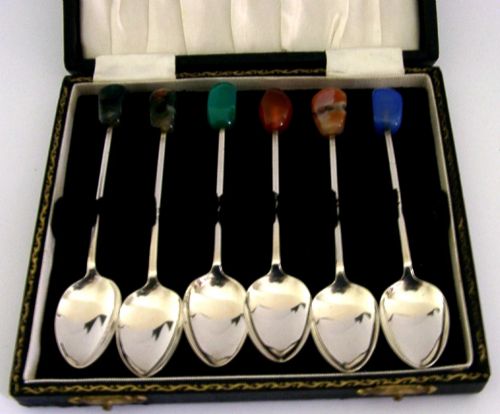
Morning coffee routines get an unexpected jolt from tiny silver bean spoons nestled in their original velvet slots.
Evaluating craftsmanship and condition
Quality in these silver pieces rests upon the crispness of the hallmarks, the weight of the metal, and the precision of decorative details such as hand-engraving or guilloche enamel work. Finer examples retain intact gilding and undamaged enamel surfaces without chipping or crazing.
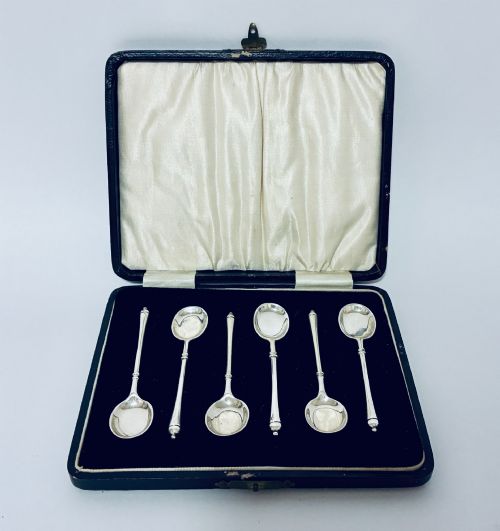
The survival of original fitted presentation cases lined with silk, satin, or velvet significantly elevates the standing of a set. Maker attribution, through clear stamps from established silversmiths, also distinguishes standard production pieces from superior works.
Deakin & Francis·Georg Jensen·Robert Stebbings
The Vintage Sterling Tea Set Glossary
- Sterling silver
- A silver alloy containing 92.5 percent pure silver and 7.5 percent other metals, usually copper, chosen to increase durability.
- Silver-gilt
- Silver objects that have been coated with a thin layer of gold on the surface, sometimes referred to as vermeil.
- Hallmark
- An official stamp applied to precious metals indicating the standard of purity, the assay office, and the date letter.
- Guilloche
- A decorative engraving technique producing precise, intricate repeating patterns beneath translucent enamel.
- Seal top spoon
- An early spoon form featuring a solid, circular terminal resembling a seal used for wax stamping.
Vintage Sterling Tea Set: Frequently Asked Questions
What is included in a vintage tea set?
These collections typically comprise cased sets of teaspoons, coffee bean spoons, or pastry forks, often accompanied by sugar tongs, butter knives, and cream jugs. Some offerings extend to complete multi-piece tea and coffee services with saucers and tea strainers.
Many of these items survive in their original fitted presentation boxes lined with velvet or silk, indicating they were intended as gifts or special occasion tableware.
How do I date a silver tea set?
Dating relies heavily on the official hallmarks stamped into the metal, which record the assay office, the standard mark, and a specific date letter corresponding to the year of manufacture. Stylistic indicators also help, such as geometric lines for Art Deco pieces or ornate floral motifs for Edwardian and Victorian items.
Design characteristics like Bakelite handles or specific modernist shapes point towards the 1930s or mid-century production eras.
How should I care for silver tea items?
Silver pieces benefit from regular, gentle cleaning with a specialised silver cloth to remove tarnish without abrading the metal surface or delicate enamel work. Storing items in dry, acid-free environments or their original velvet-lined cases prevents excessive exposure to air and moisture.
Hand washing in warm soapy water is recommended, avoiding harsh chemical dips that can strip gilt layers or damage secondary materials like silk and satin.
Can I use these vintage items daily?
Most solid silver and sterling items are robust enough for occasional or regular use, provided they are washed by hand rather than placed in an automatic dishwasher. Items featuring delicate enamel, gilt surfaces, or antique steel blades require more careful handling to preserve their condition.
Cased presentation sets with silk or velvet interiors are generally best reserved for display and gentle celebratory use.