

Vintage Sterling Silver Holder
When you search for vintage sterling silver holder, you find functional objects crafted to secure everything from toast and photographs to cards, menus, and matches.
Vintage Sterling Silver Holder
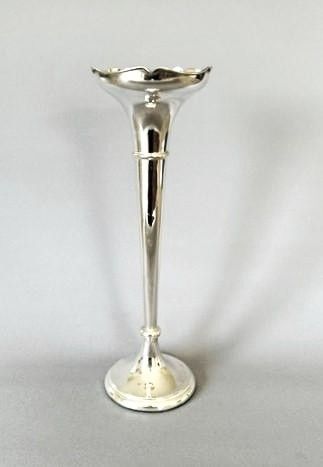
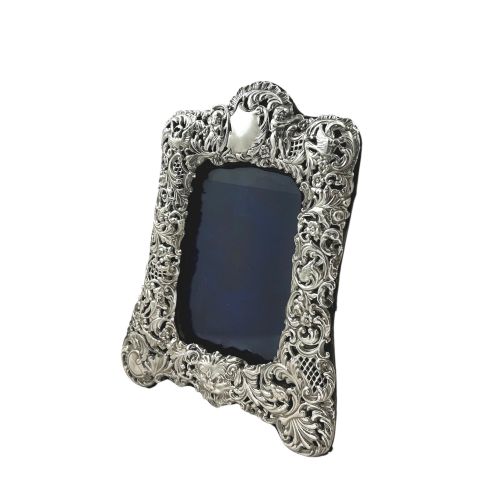
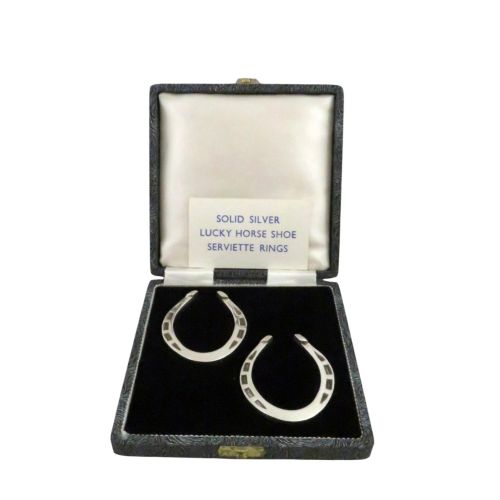
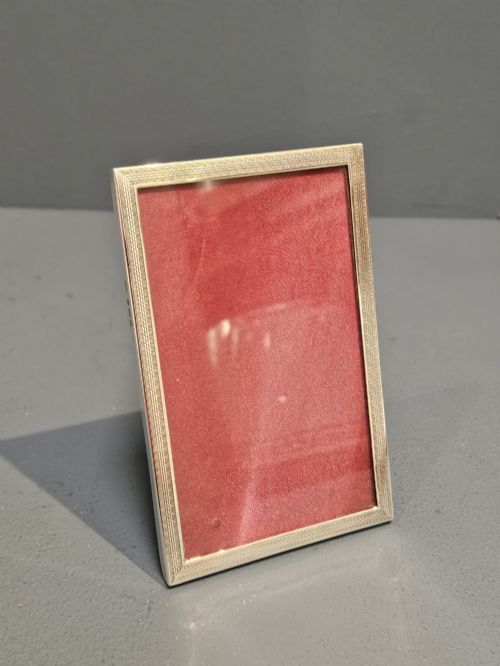
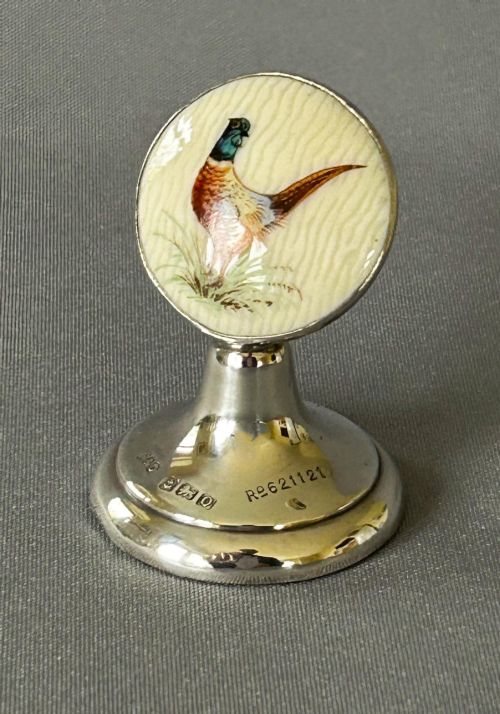
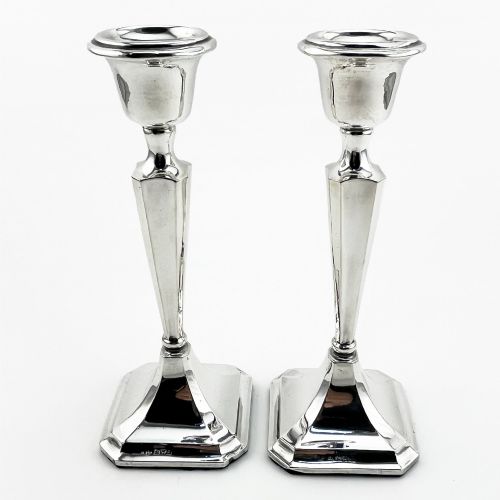
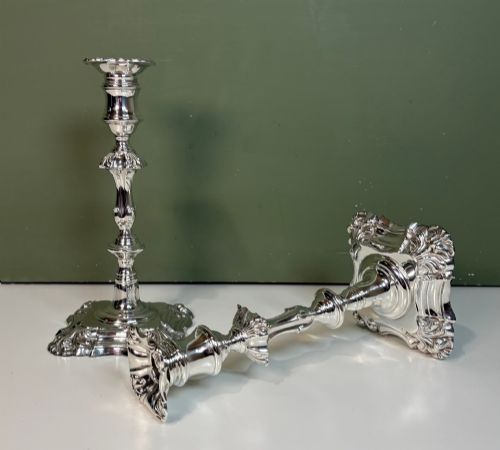
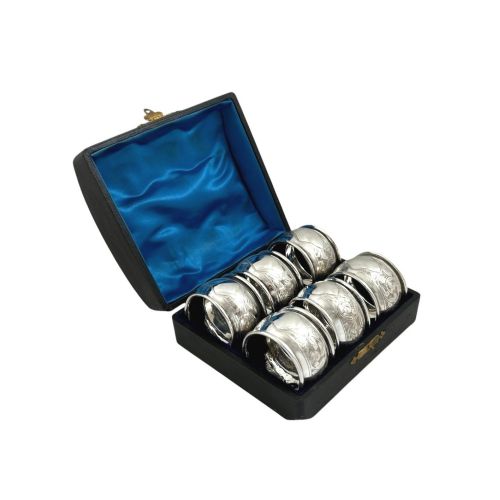
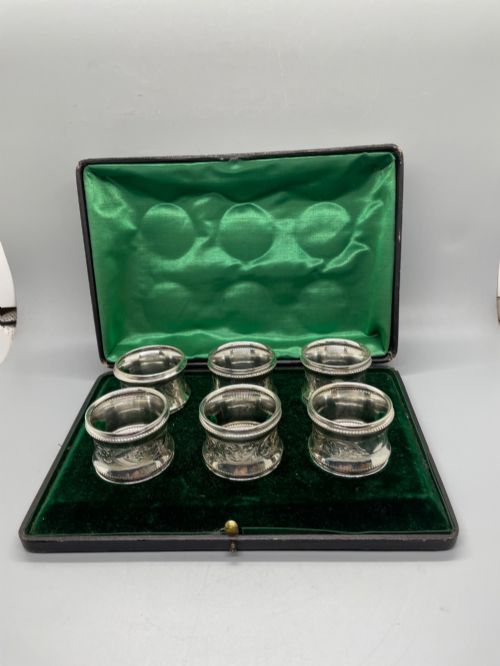
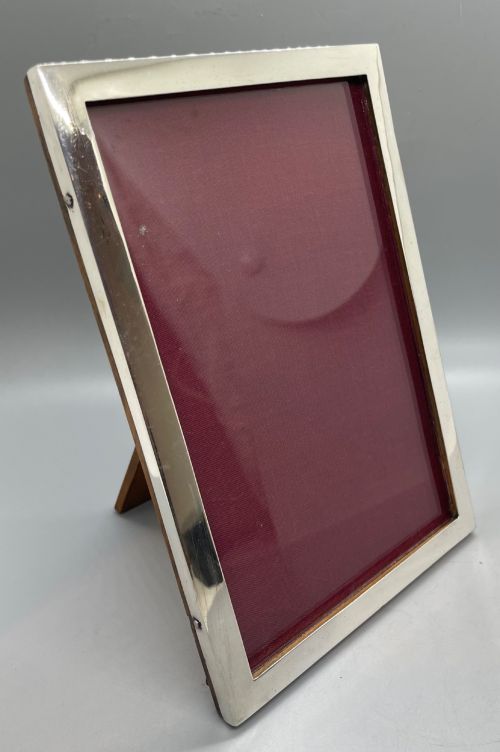
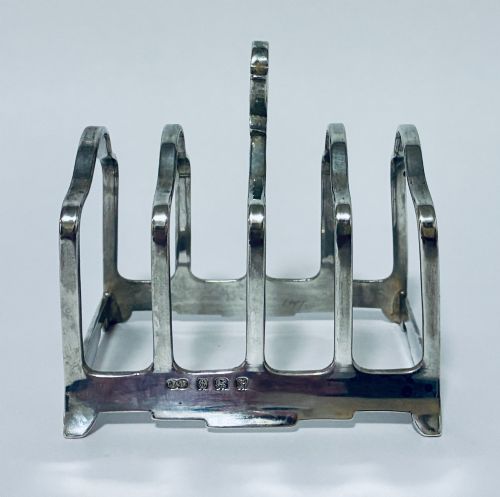
A vintage sterling silver holder encompasses a diverse group of domestic and personal items spanning the late Victorian, Edwardian, and mid-century periods. Common forms include toast racks, menu and place card holders, photograph frames, candle holders, and napkin rings.
The objects serve specific utilitarian purposes on the dining table, desk, or dressing surface. They range from structural wirework toast racks to hinged card cases, vesta boxes, and fitted ring boxes lined with silk or velvet.
Pieces originating from the Edwardian era and the 1920s or 1930s predominate. Makers across Birmingham, Sheffield, and London produced these items using solid silver alongside internal wooden supports or fabric linings.
How They Were Made
Silversmiths utilised solid sterling silver sheet and wire, shaping them through cutting, bending, and soldering. Structural elements like toast racks and frames rely on sturdy gauge silver soldered together to support daily use.
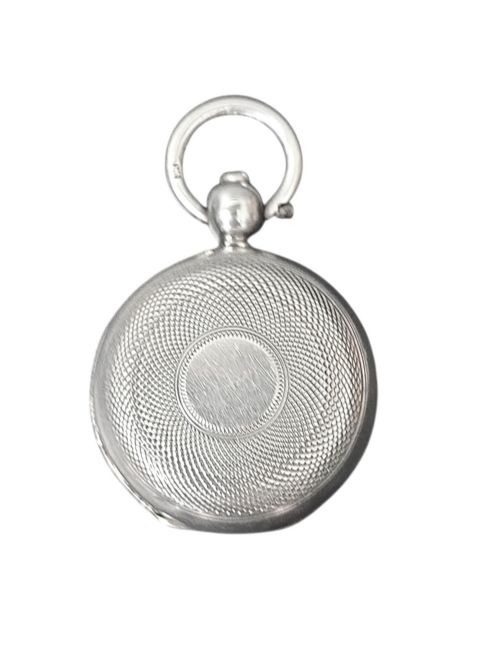
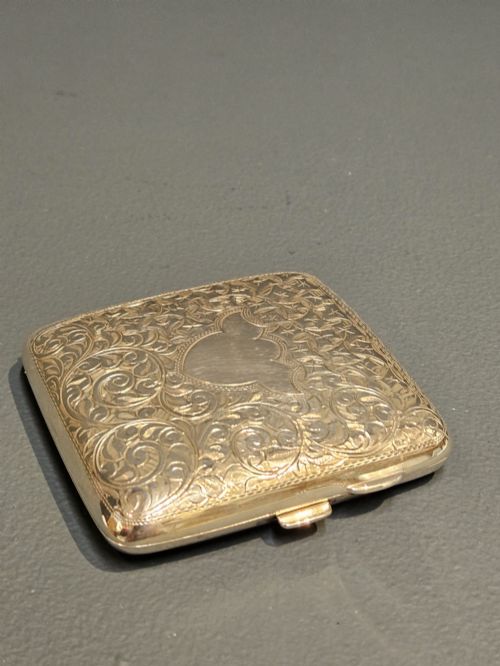
Surface ornamentation involved chasing, embossing, and engine turning to create geometric or floral patterns. Some items incorporate glass liners, wooden backs, or leatherette and velvet interiors to cushion the contents.
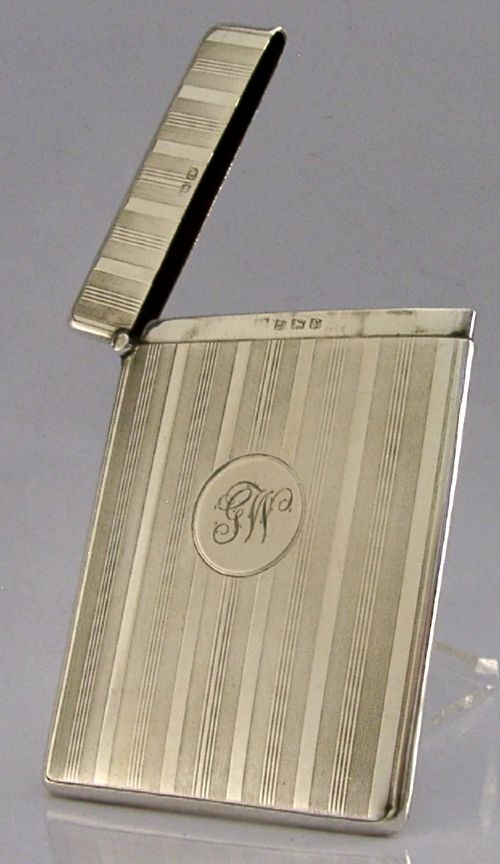
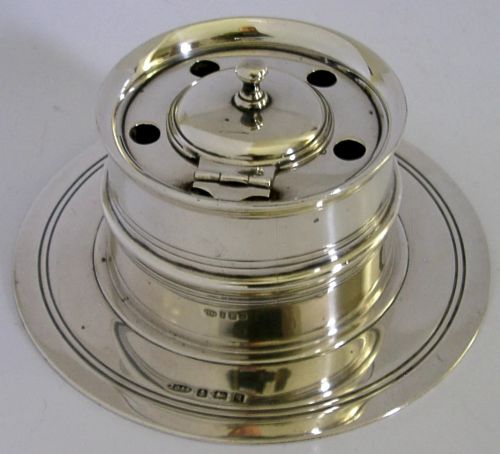
Maker marks, town assay marks, and date letters stamped directly into the metal record the provenance and standard of the silver. Enamel accents and gilding appear on specific luxury pieces from the early twentieth century.
Vintage Sterling Silver Holder Retail Price Guide 2026
Typical asking prices for vintage sterling silver holder among the pieces listed under this phrase on Sellingantiques today, from the lower quarter to the upper quarter. They describe what is for sale here now, not the wider market.
Materials paired with sterling silver across these objects include wood, glass, leatherette, silk, velvet, and enamel.
What Varies in Quality
The crispness of the hand-chased or engine-turned detail distinguishes standard production from finer work. Deep, sharp patterns indicate skilled hand-tooling rather than light machine pressing.
The robustness of the silver gauge dictates structural integrity, particularly on items subject to tension like toast rack bars and spring-opening card cases. Thicker metal resists bending and maintains alignment.
Design complexity and maker reputation influence the standing of a piece. Items featuring sculptural figural elements, such as cherubs or maidens, demonstrate higher artistic ambition than plain utilitarian designs.
Henry Matthews·Emile Viner·Georg Jensen·Sampson Mordan·Aaron Lufkin Dennison
The Vintage Sterling Silver Holder Glossary
- Sterling silver
- An alloy containing 92.5 percent silver by mass, with the remainder consisting of other metals like copper for durability.
- Vesta case
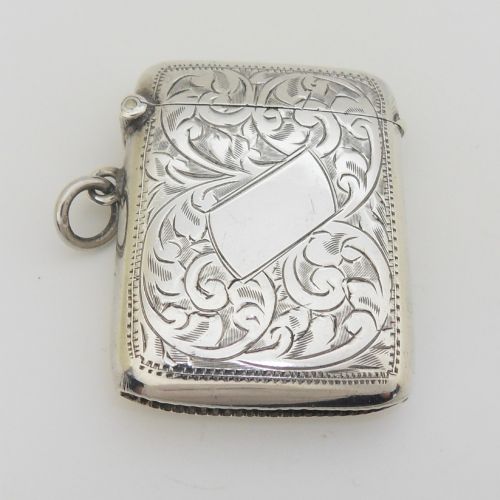
- A small pocket box designed to hold matches, often fitted with a striking surface on the base.
- Toast rack
- A small tabletop frame with multiple vertical divisions used to hold slices of toast upright.
- Assay mark
- A stamp indicating the purity of the metal, the assay office of origin, and the year the piece was tested.
- Engine turned
- A mechanical engraving technique that cuts intricate geometric patterns into the surface of the metal.
- Silver gilt
- Sterling silver that has been coated with a thin layer of gold on its surface.
Vintage Sterling Silver Holder: Frequently Asked Questions
What is a vesta holder used for?
A vesta holder stores matches securely in the pocket and protects them from accidental ignition. They were essential daily accessories before the widespread use of safety matches and lighters.
Many examples include integrated compartments for sovereigns or stamps alongside the match well. This made them versatile pocket companions for Edwardian gentlemen.
How do I date a silver holder?
You date a piece by reading the hallmarks stamped into the silver. These typically include a date letter, a town mark, and a lion passant indicating sterling standard.
Comparing the maker mark against historical assay records confirms the exact year and workshop of origin. Stylistic cues like Art Deco geometry also help narrow the period.
Were toast racks used every day?
Toast racks saw regular use on breakfast tables throughout the Victorian and Edwardian periods. Their open wire construction allowed steam to escape so the toast remained crisp.
While functional at breakfast, many surviving examples display fine decorative silversmithing. This suggests they held a prominent place in formal dining settings as well.
How do I clean sterling silver?
Cleaning requires a soft microfibre cloth and a mild silver polish formulated to lift tarnish gently. Avoid abrasive brushes that can wear away crisp hand-engraving or engine-turned patterns.
Store pieces in a dry environment away from direct sunlight to minimise future oxidation. Velvet or silk-lined boxes help protect internal components during storage.