
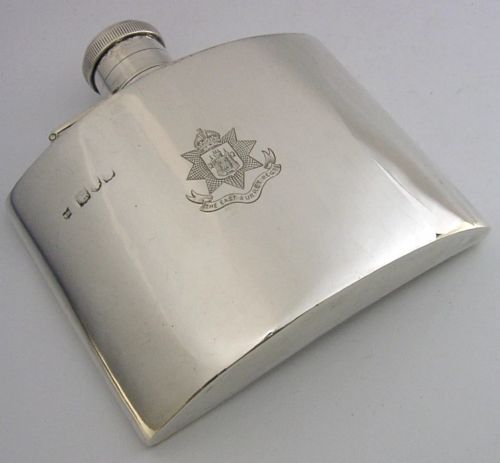


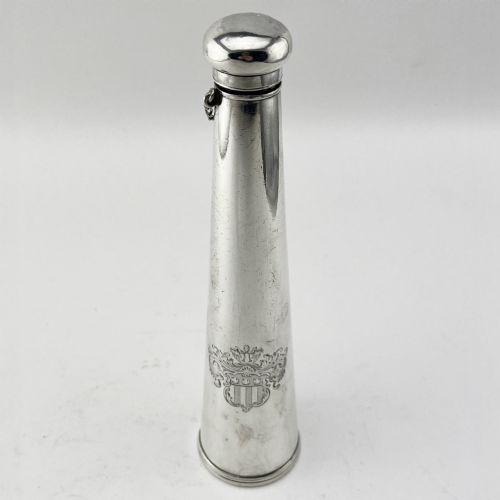
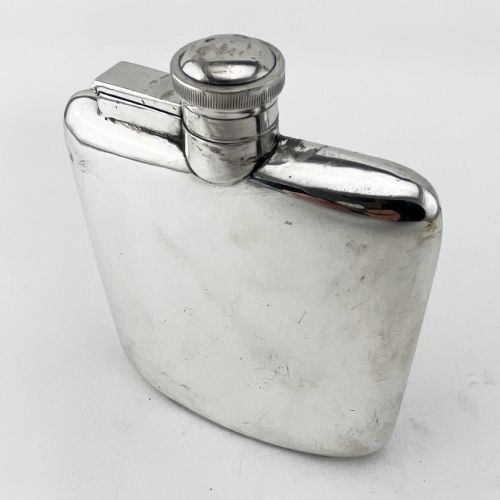


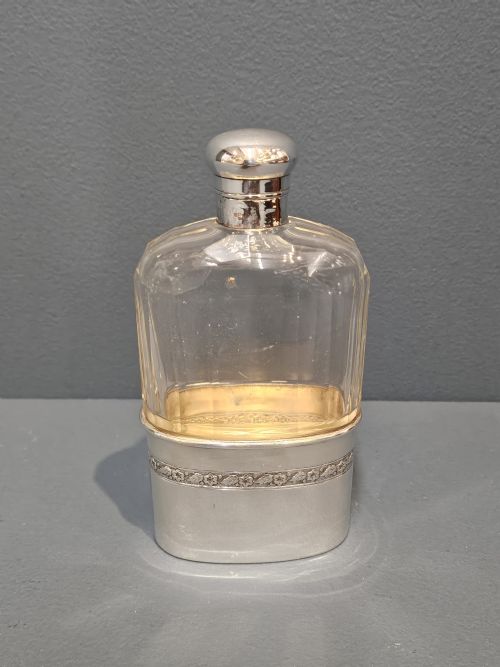


Vintage Sterling Pocket Flask
A vintage sterling pocket flask is a tactile piece of portable metalwork designed to carry spirits or scent discreetly.
Vintage Sterling Pocket Flask
Most examples found here span the Victorian, Edwardian and Art Deco eras, alongside mid-century British pieces.
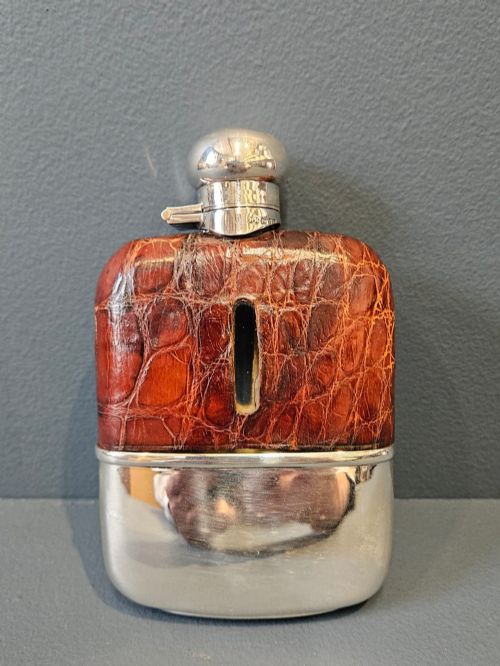
Forms range from plain polished silver to combinations featuring cut glass, cut crystal and crocodile leather wraps.
Materials and manufacturing methods
Silversmiths formed the bodies from sterling silver, occasionally applying silver gilt or combining the metal with glass and crystal reservoirs.
External coverings utilised textured materials like crocodile leather, while internal closures frequently relied on cork stoppers and screw caps.
Design variations include removable metal cups fitted to the base and hinged flip tops for easy pouring.
The listings span multiple decades from the Georgian era through the Victorian period and into the Art Deco twentieth century.
Assessing craftsmanship and condition
Quality rests upon the weight of the sterling silver, the crispness of hallmarks and the precision of hinged mechanisms.
Examples featuring integrated removable cups or exotic crocodile leather wrappers demand higher standards of specialist silversmithing.
Hukin & Heath·Asprey London·JB Chatterley & Sons·William Neale·G H James & Co·Mappin & Webb·James Dixon & Sons·W A Ellwick Ltd
The Vintage Sterling Pocket Flask Glossary
- Sterling silver
- An alloy comprising ninety-two point five percent silver and seven point five percent other metals, typically copper. This standard composition is verified by official assay office hallmarks.
- Silver gilt
- Sterling silver that has been coated with a thin layer of real gold on its interior or exterior surface. This technique prevents the metallic taste of silver from spoiling fine spirits.
- Removable cup
- A detachable metal drinking vessel fitted snugly to the base of a hip flask. It slides off to allow the owner to sip their drink.
- Cut glass
- Glass decorated by cutting facets or patterns into the surface using a rotating wheel. It adds weight and visual texture to the body of a flask.
Vintage Sterling Pocket Flask: Frequently Asked Questions
How do I clean the inside of a silver flask?
Rinse the interior thoroughly with warm water and mild washing-up liquid using a bottle brush, avoiding harsh abrasives.
Dry the vessel completely by leaving the cap off to prevent moisture retention and subsequent tarnishing.
Are these flasks safe for holding alcohol?
Most antique sterling silver and glass flasks remain suitable for carrying spirits provided the interior and cork seals are clean.
Avoid leaving acidic liquids inside the metal container for extended periods to protect the silver surface.
What is the difference between a hip flask and a scent flask?
Hip flasks feature larger capacities and often include captive caps or removable cups designed for sharing liquor outdoors.
Scent bottles and perfume flasks are smaller, built to hold fragrances, and typically utilise tight glass stoppers or screw closures.
How do I read the hallmarks on my flask?
British hallmarks usually display a maker mark, a standard mark for sterling silver, a town assay office mark and a date letter.
Comparing these stamped symbols against historical assay records reveals the exact year and location of manufacture.