


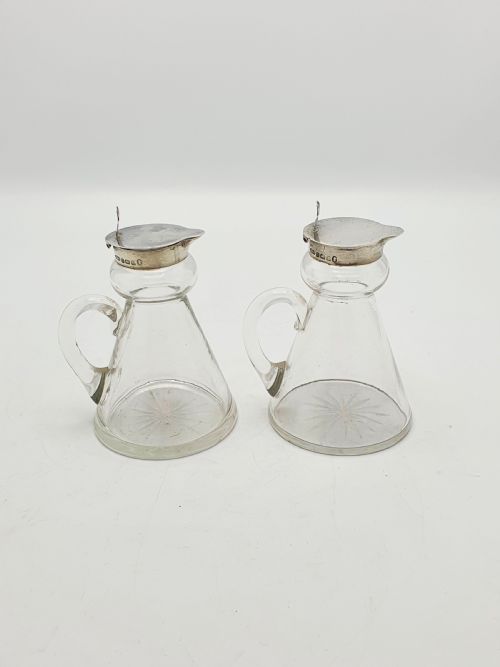


Vintage Sterling Pitcher
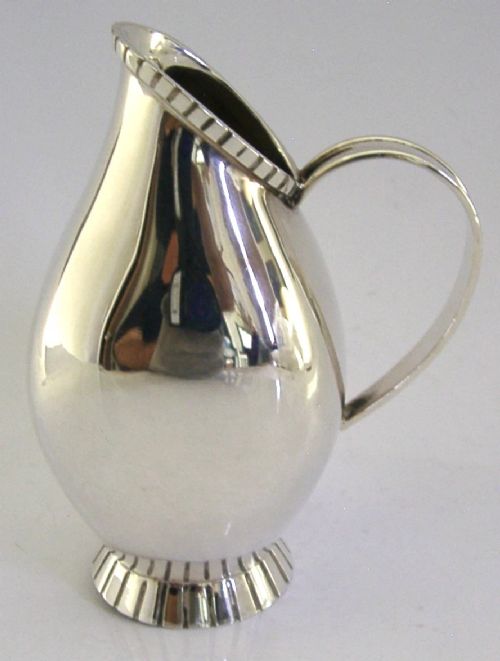
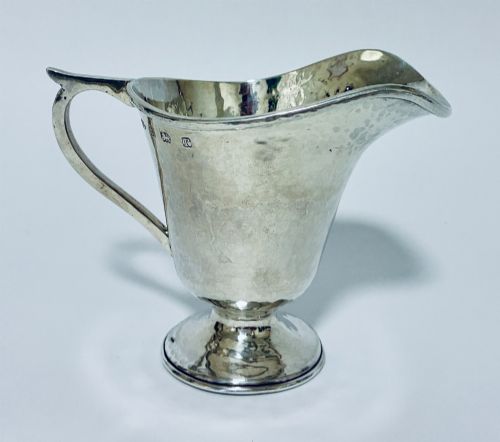
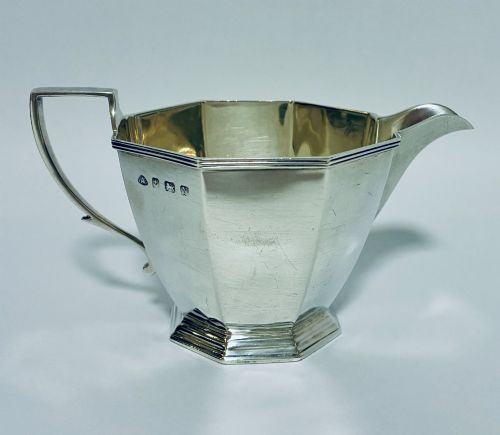
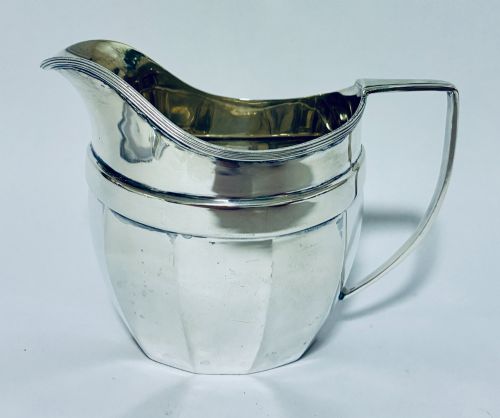
These vintage sterling pitcher examples range from robust water vessels to delicate cream jugs crafted across multiple periods.
Vintage Sterling Pitcher
A vintage sterling pitcher encompasses a wide variety of pouring vessels spanning the Georgian, Victorian, Edwardian, and mid-twentieth century periods. When searching for a vintage sterling pitcher, buyers encounter everything from modest cream jugs and whiskey noggins to large water jugs and claret jugs.
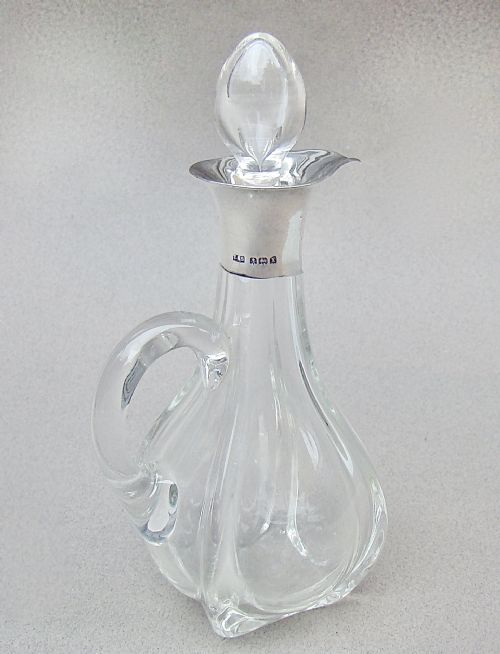
The materials paired with silver in these pieces include cut glass, crystal, clear glass, wood, and ebony handles. Origins stretch from English workshops to Irish and American makers, utilising styles that run through George V, Art Deco, and Arts and Crafts aesthetics.
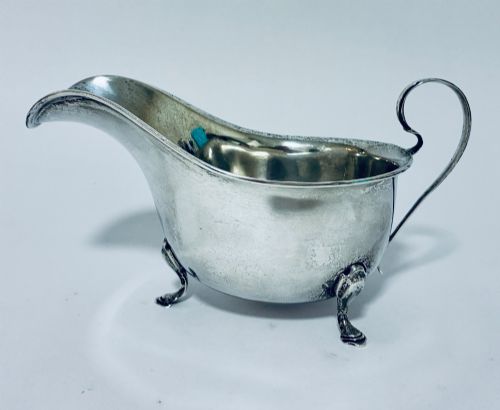
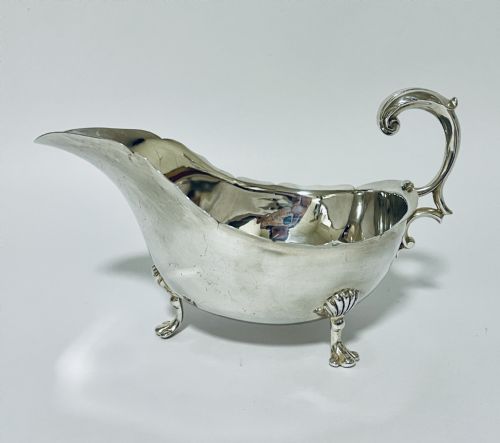
Smaller forms like sauce boats, milk jugs, and creamers dominate the selection alongside taller water jugs and claret jugs. Each object serves a functional pouring purpose, whether for the dining table, sideboard, or bar.
Materials and construction
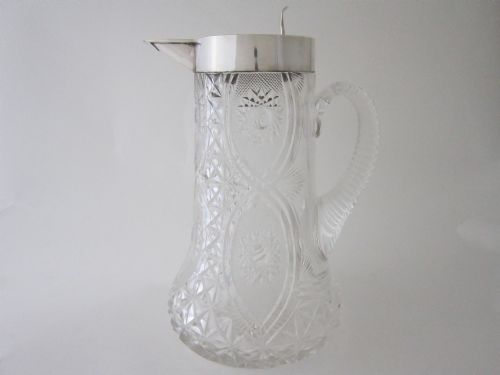
Silversmiths constructed these vessels primarily from sterling silver, frequently mounting silver collars, tops, and handles onto blown cut glass or crystal bodies. Some pieces incorporate wooden or ebony components for handles and insulators on larger water jugs.
Decoration techniques vary from plain silver mounts to chased Celtic style ornamentation and cast handles. Glass bodies are often heavily cut or faceted, secured with hinged silver lids where appropriate for claret jugs and water pitchers.
Vintage Sterling Pitcher Retail Price Guide 2026
Typical asking prices for vintage sterling pitcher among the pieces listed under this phrase on Sellingantiques today, from the lower quarter to the upper quarter. They describe what is for sale here now, not the wider market.
An Italian silver cow creamer pours milk directly from its mouth.
Judging quality in silver pitchers
Quality rests in the gauge of the sterling silver used for the body and mounts, as well as the crispness of any applied decoration or maker marks. Thicker metal provides reassuring weight and resists denting during daily use.
The clarity and depth of cutting on glass or crystal bodies distinguish finer vessels from simpler production. Superior craftsmanship also shows in the precise fit of hinged lids and the ergonomic balance of the handle.
George Unite·Robert Pringle and Sons·Tiffany
The Vintage Sterling Pitcher Glossary
- Sterling silver
- An alloy containing 92.5 percent silver and 7.5 percent other metals, usually copper. This standard defines the vast majority of antique and vintage pouring vessels.
- Claret jug
- A large pouring vessel designed specifically for serving red wine, typically featuring a glass body with a silver mount, collar, and hinged lid.
- Sauce boat
- An open boat-shaped vessel with a lip and handle used for serving gravies or sauces at the table. These often rest on three feet or an integrated base.
- Whiskey noggin
- A small vessel or pitcher holding a single measure of whiskey, frequently fitted with a silver mount and accompanied by a matching label.
- Creamer
- A small pitcher utilised specifically for dispensing cream into tea or coffee, appearing in numerous domestic silver services.
Vintage Sterling Pitcher: Frequently Asked Questions
What is a whiskey noggin?
A whiskey noggin is a small, single-serving pitcher designed to hold spirits, often fitted with a silver collar and handle.
These compact vessels frequently appear alongside matching bottle tickets or labels during the Edwardian and George V periods.
How do I clean silver mounted glass?
Silver mounted glass requires separate care for the metal and the glass body to avoid damaging either material.
Polish the sterling sections gently with a specialised cloth while washing the glass in warm soapy water, keeping moisture away from any internal adhesives or cork linings.
Can I use these pitchers daily?
Sterling silver and heavy crystal pitchers are durable enough for regular table service when handled with reasonable care.
Hand washing preserves the finish and prevents the minor dents that modern dishwashers can cause on older silver.
How do I date a silver pitcher?
Dating relies heavily on hallmarks stamped into the silver, which indicate the assay office, standard, and date letter.
Stylistic cues such as Art Deco geometric lines or Victorian cut glass patterns also help narrow down the decade of manufacture.