

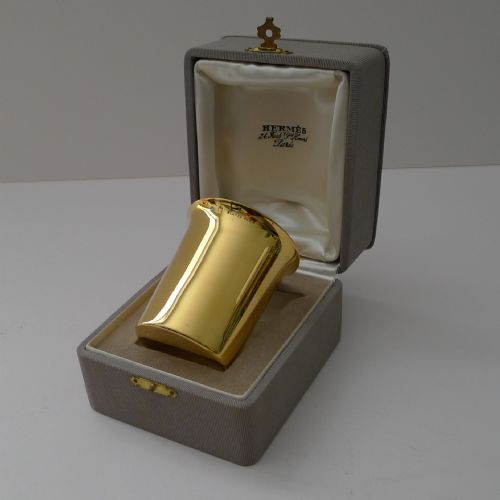
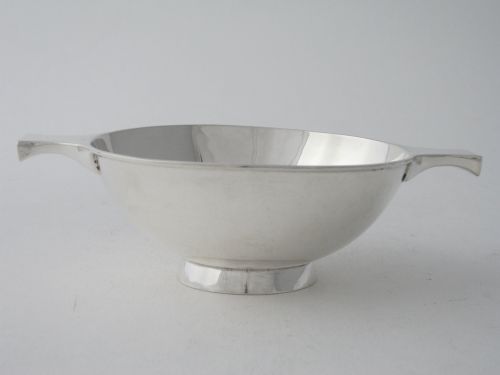
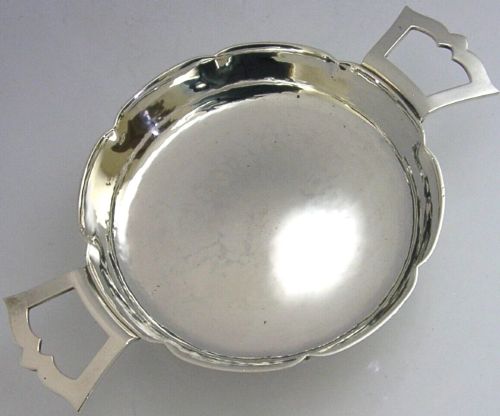
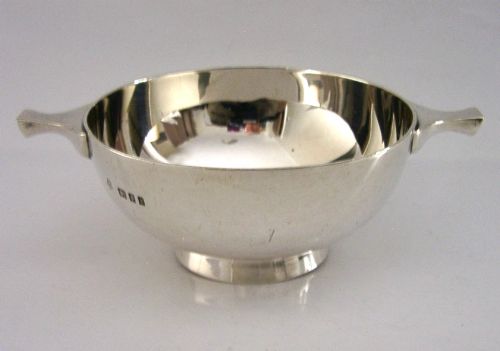
Vintage Sterling Cup
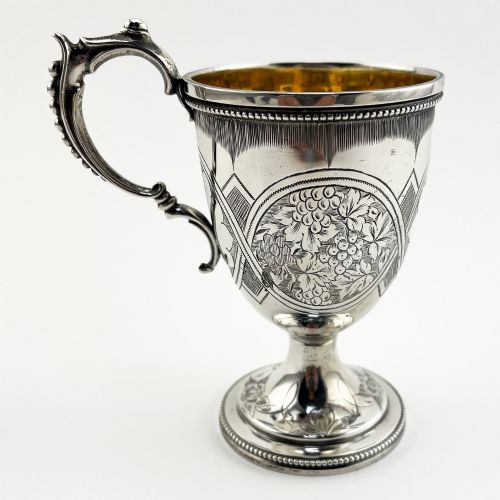
A vintage sterling cup brings solid silver form to the table, whether raised for a christening or packed for the road.
Vintage Sterling Cup
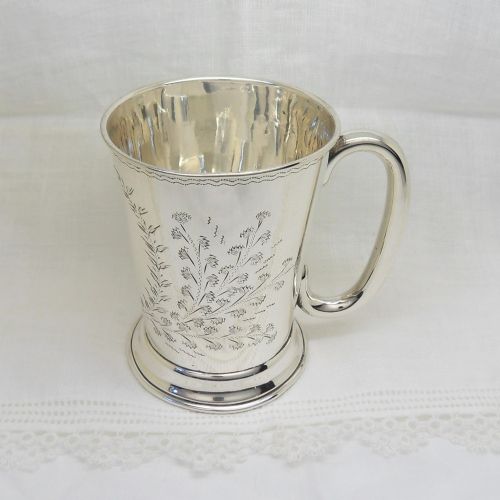
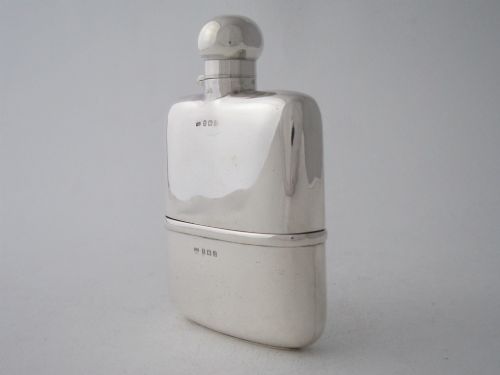
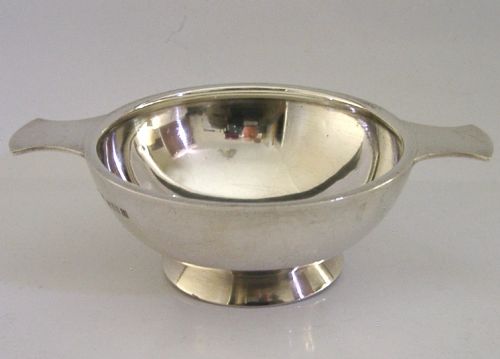
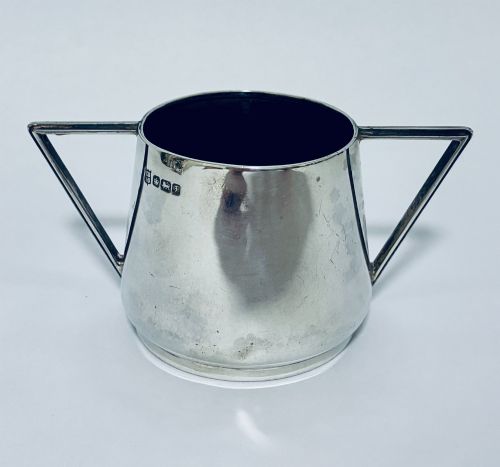
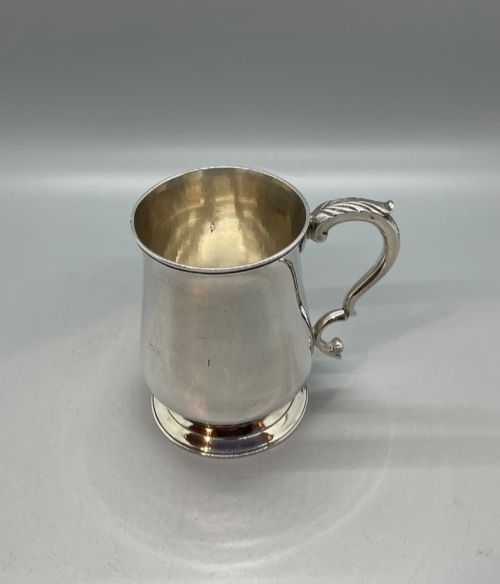
When you search for a vintage sterling cup, you encounter a varied collection of drinking vessels and containers fashioned from solid silver. The listings here range from christening mugs and tankards to whisky quaichs, barware beakers, and hip flasks.
You are most likely to meet pieces originating from the Edwardian era through to the mid-century decades. These include George V presentation mugs, Art Deco cocktail cups, and traditional silver quaichs.
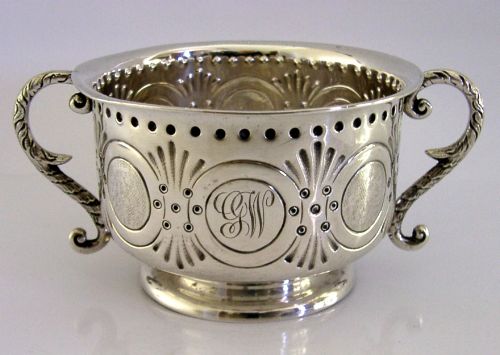
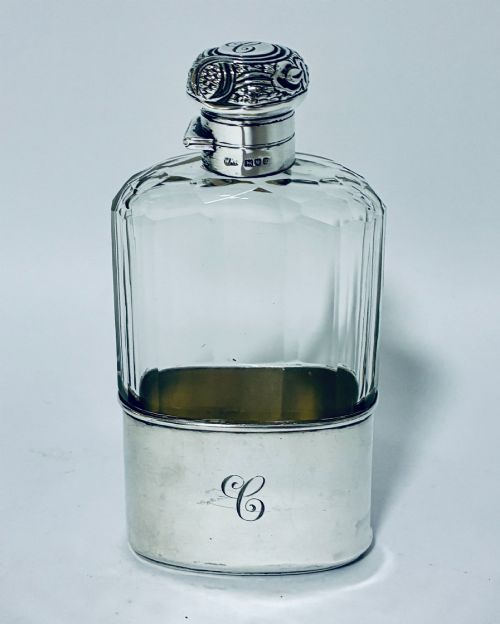
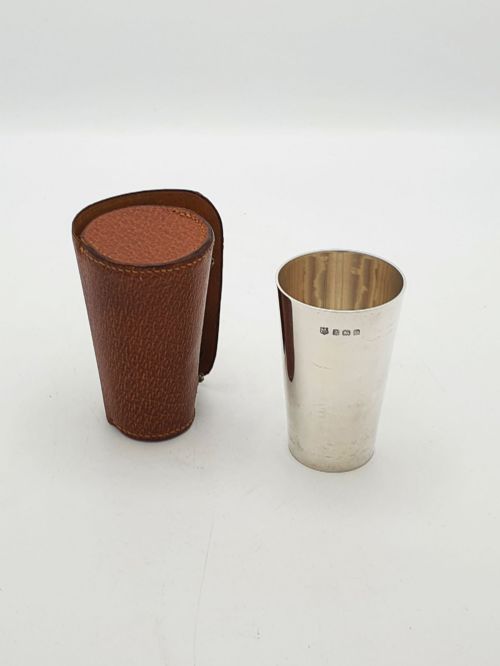
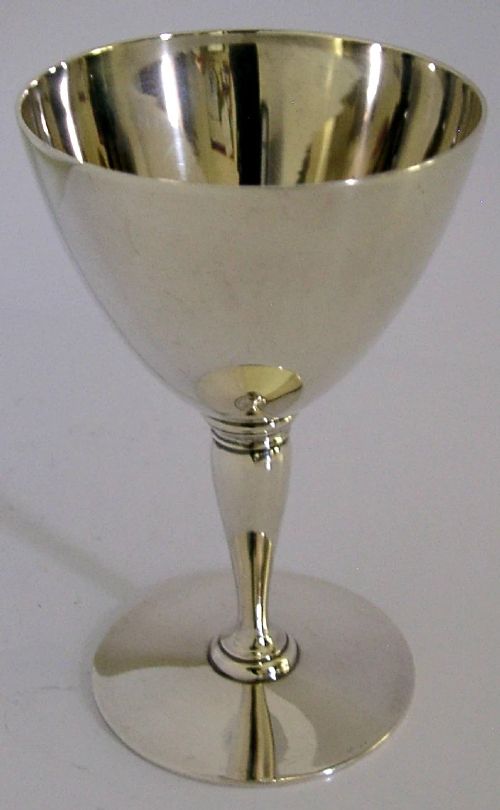
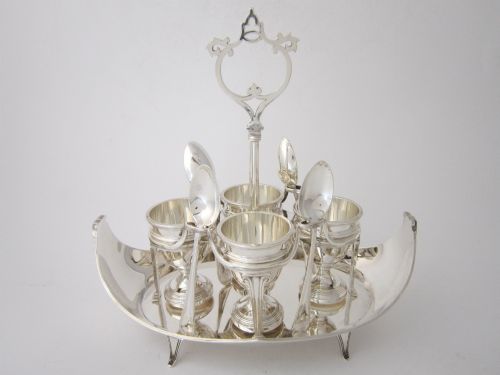
The selection extends to specialised items such as travel flasks fitted with leather cases, egg cruets, porringers, and chalice cups. Each object serves a distinct social, domestic, or ceremonial function rooted in British and international silver smithing.
How they were made
The objects on this page rely on solid sterling silver, frequently paired with glass bodies for flasks or finished with silver gilt surfaces. Makers also incorporated leather, crocodile leather, silk, and velvet for fitted travel cases and presentation boxes.
Silversmiths employed techniques such as hammering, planishing, and casting to shape the metal. Handles, mounts, and scroll details were soldered to bodies, while specific items like quaichs and mugs received crisp hallmarks struck directly into the silver.
Vintage Sterling Cup Retail Price Guide 2026
Typical asking prices for vintage sterling cup among the pieces listed under this phrase on Sellingantiques today, from the lower quarter to the upper quarter. They describe what is for sale here now, not the wider market.
Materials extend beyond plain silver to include glass flasks, silk-lined cases, and gold-washed vermeil finishes.
What varies in quality
Quality in these silver pieces rests upon the weight of the metal and the precision of the silversmith's hand. Heavier gauges of sterling silver provide structural integrity, preventing distortion in daily use and maintaining crispness in decorative elements.
The distinction between standard production and superior craftsmanship lies in the finish of the surface and the integrity of the maker's mark. Items displaying deliberate planishing, robust scroll handles, or associations with notable firms demonstrate elevated standards of manufacture.
Joseph Gloster·Barker Bros·Tiffany & Co·Hukin & Heath·Asprey London·R E Stone·Hermes Paris
The Vintage Sterling Cup Glossary
- Sterling silver
- A silver alloy containing 92.5 percent pure silver and 7.5 percent other metals, usually copper, chosen for durability. This standard alloy underpins the vast majority of British silver vessels.
- Porringer
- A small, deep bowl with one or two horizontal flat handles, historically used for porridge or broth. In silver form, it often serves as a presentation piece or christening bowl.
- Vermeil
- Sterling silver coated with a thin layer of gold. This technique provides the rich appearance of solid gold while utilising a silver core.
- Planishing
- A metalworking technique involving light hammering with a polished flat hammer to smooth and shape the surface. It leaves a subtle, pleasing texture across the silver.
- Hallmark
- An official stamp applied by an assay office indicating the purity of the metal, the maker, and the year of manufacture. It serves as the primary tool for dating British silver.
Vintage Sterling Cup: Frequently Asked Questions
What is a silver quaich used for?
A silver quaich functions as a traditional Scottish drinking vessel for sharing whisky at gatherings and ceremonies. Guests hold the two flat handles with both hands, a design rooted in hospitality and trust.
Over time, these shallow bowls transitioned from wooden vessels to solid sterling silver presentation pieces. Today they appear frequently in barware and commemorative collections.
How do I clean a sterling silver cup?
Cleaning sterling silver requires a soft cloth and a specialised silver polish to remove tarnish without scratching the metal. Gentle washing in warm soapy water suffices for regular maintenance.
Harsh abrasive pads or chemical dips should be avoided, particularly on pieces with engraved details or silver gilt finishes. Proper storage in dry conditions minimises the need for frequent polishing.
Were christening mugs meant for daily use?
Christening mugs served primarily as ceremonial gifts given to mark the birth or baptism of a child. Families often displayed them as keepsakes rather than putting them into active nursery service.
Their solid silver construction meant they could endure use, but their survival in fine condition points to their role as cherished family mementos.
How do I identify the date of a silver cup?
Dating a sterling silver cup relies on reading the stamped hallmarks located near the rim or base. These marks include assay office symbols, date letters, and maker's marks.
Comparing these punches against official assay records reveals the exact year the piece was tested and hallmarked. Additional clues come from the overall style, such as Art Deco geometric lines or Edwardian scrollwork.