

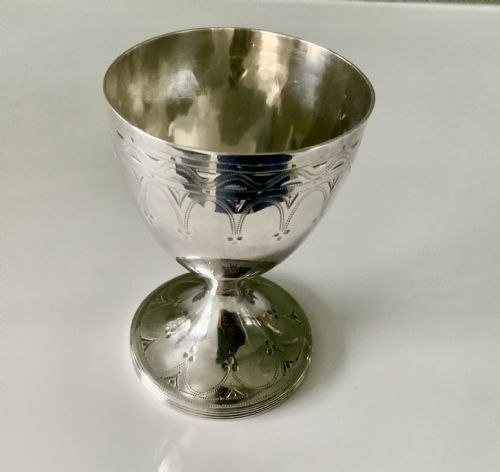


Vintage Sterling Chalice
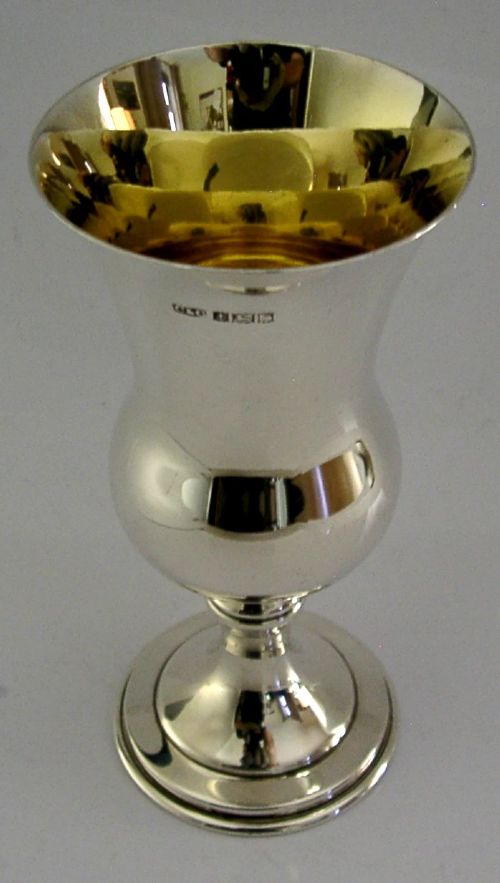
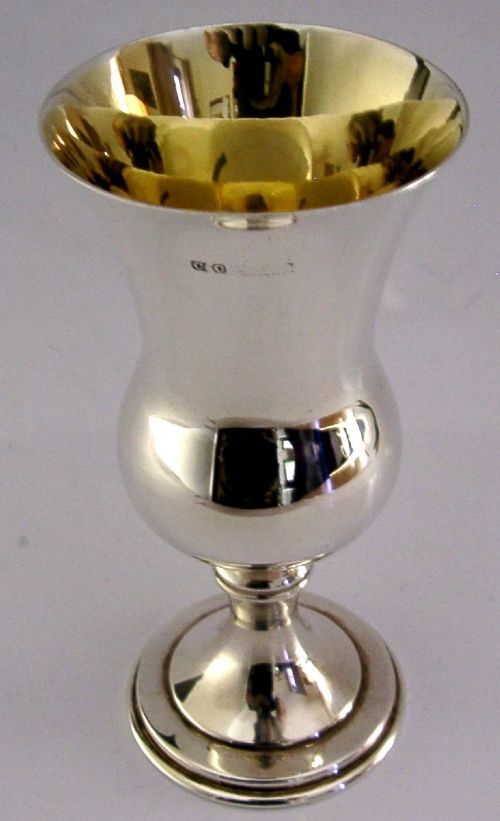
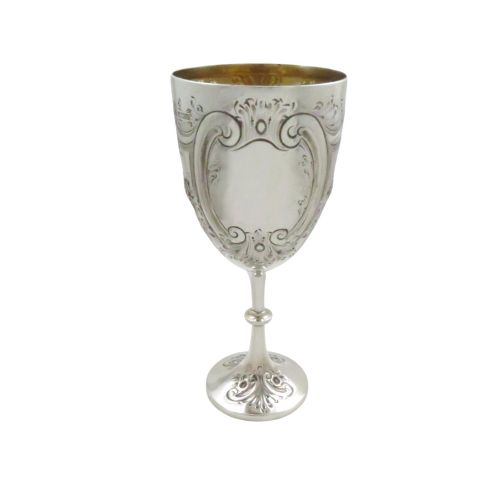
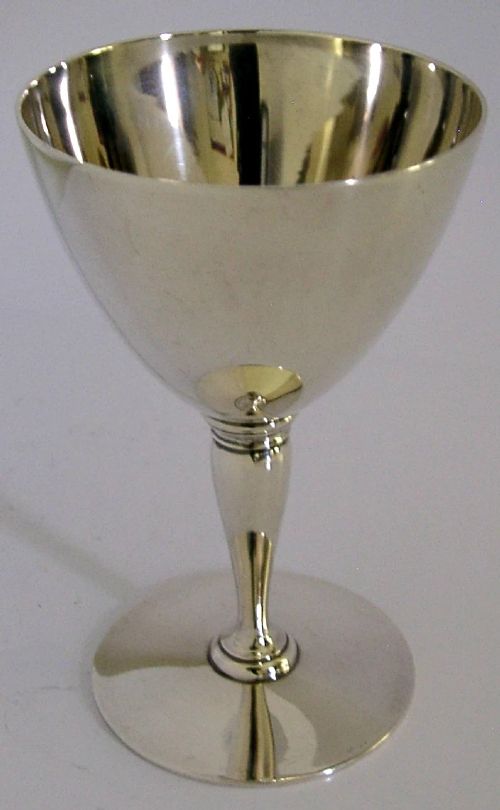
These vintage sterling chalice selections bring drinking vessels, trophies, and ceremonial cups spanning the nineteenth century to the mid-twentieth century into your home.
Vintage Sterling Chalice
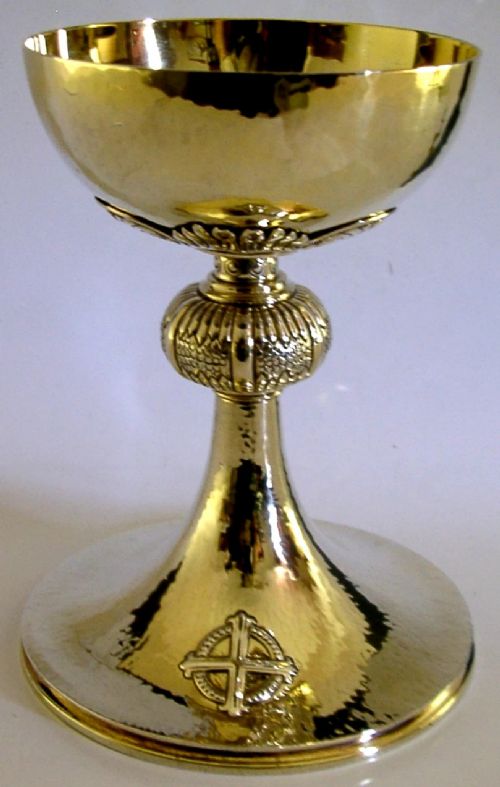
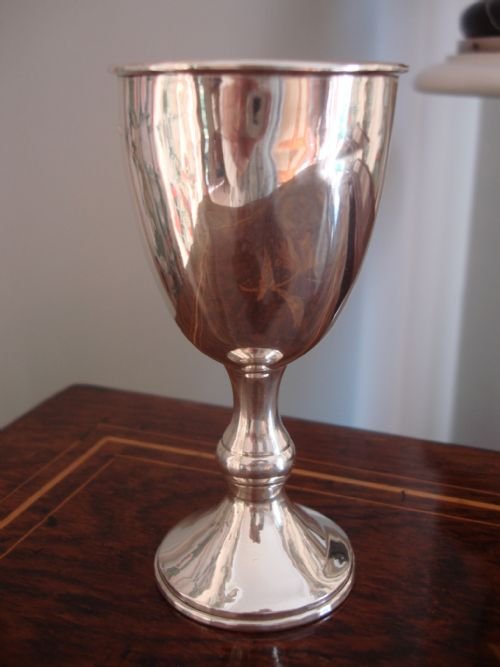
A vintage sterling chalice encompasses a wide array of drinking vessels, trophy cups, and ceremonial vessels shaped from silver. The pieces on this page range from early nineteenth century examples through Edwardian and Art Deco designs up to mid-century ecclesiastical and secular silver.
You will encounter forms as varied as wine goblets, cocktail glasses, Kiddush cups, and rowing trophies. These pieces originate from diverse cultural traditions including Chinese Export, Russian Imperial, and traditional Judaica alongside standard English and American workshop production.
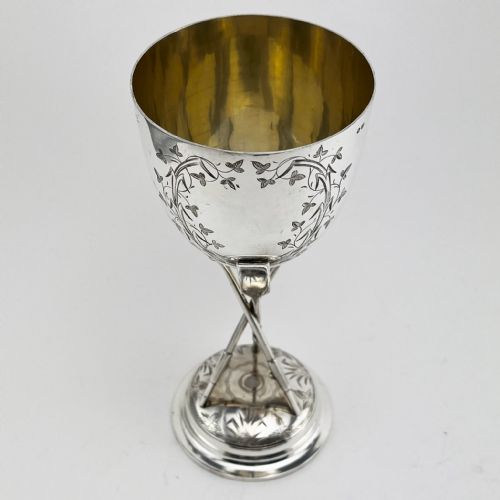
The objects serve multiple roles, functioning historically as athletic prizes, religious implements, and domestic barware. Each piece reflects the specific aesthetic of its period, from Georgian bright cut engraving to Art Nouveau curves and strict Art Deco geometry.
Materials and construction
Makers fashioned these objects primarily from sterling silver, alongside variations in 875 silver and silver plate. Selected examples feature interior silver gilt or gold gilt applications that add a contrasting warm tone to the cool metal surface.
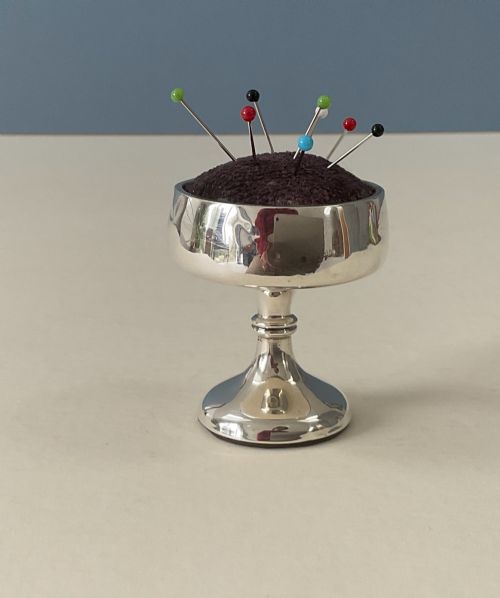
Specialised construction techniques appear across different forms, such as velvet linings found in novelty pin cushions shaped like goblets. Silversmiths utilised casting, hammering, and detailed engraving to achieve the finished forms seen in these vessels.
Vintage Sterling Chalice Retail Price Guide 2026
Typical asking prices for vintage sterling chalice among the pieces listed under this phrase on Sellingantiques today, from the lower quarter to the upper quarter. They describe what is for sale here now, not the wider market.
Some silver goblets double as tiny pin cushions, proving that even Victorian needlework needed a touch of formal ceremony.
Evaluating the pieces
Quality in a vintage sterling chalice is determined by the crispness of the chasing, the weight and gauge of the silver used, and the integrity of any gilt interiors. Heavier pieces with substantial metal thickness and balanced proportions demonstrate superior manufacturing standards.
The presence of clear hallmarks indicating specific makers, assay offices, and dates elevates the standing of a vessel. Pieces bearing distinct stylistic signatures from notable design movements or identifiable workshops retain greater documentary interest.
TIFFANY & Co·Joseph Rodgers & Sons
The Vintage Sterling Chalice Glossary
- Sterling silver
- An alloy consisting of ninety-two point five percent silver and seven point five percent other metals, usually copper. This standard provides the necessary durability for functional vessels while maintaining a bright metallic appearance.
- Silver gilt
- Silver objects that have been coated with a thin layer of gold on the surface. This technique protects the interior of drinking vessels from acidic liquids and creates a two-tone decorative effect.
- Kiddush cup
- A ritual goblet used in Jewish households for blessing wine during Sabbath and festival meals. These cups often feature traditional Judaic ornamentation or Hebrew inscriptions.
- Bright cut engraving
- A surface decoration technique utilising faceted cuts made with a graving tool that reflects light from multiple angles. This method creates brilliant geometric or floral patterns on the silver.
- Assay office
- An official body responsible for testing the purity of precious metals and stamping them with hallmark symbols. British pieces typically show leopard heads, lions, and date letters corresponding to these testing stations.
Vintage Sterling Chalice: Frequently Asked Questions
What is a vintage sterling chalice used for?
These vessels historically served ceremonial, competitive, and domestic drinking functions depending on their specific form. Religious examples held ritual wine, while trophies commemorated athletic victories and standard goblets functioned as fine tableware.
Today, collectors utilise these objects as decorative vessels, display pieces, or functional barware for special occasions. Their diverse origins allow them to fit into modern interior settings as standalone decorative statements.
How do I identify the period of a silver goblet?
Dating relies heavily upon the presence of official hallmarks, maker marks, and stylistic indicators. British pieces feature specific date letters stamped by assay offices that pinpoint the exact year of manufacture.
Stylistic cues such as geometric Art Deco lines or flowing Art Nouveau motifs provide immediate clues to the era of production. Examining the manufacturing technique helps narrow down the timeframe when hallmarks are absent or foreign.
What is the difference between a chalice and a Kiddush cup?
A chalice generally refers to a large ritual or ceremonial cup featuring a stem and a wide bowl, often associated with ecclesiastical use. They tend to be heavier and more ornate in architectural profile.
A Kiddush cup is a specific ritual vessel used in Jewish tradition for ceremonial blessings over wine. These pieces often display distinct Judaica motifs, inscriptions, and slightly different proportions suited to domestic holiday rituals.
Are all silver goblets made of sterling silver?
Not all pieces are standard sterling silver, as the material evidence includes variations such as 875 silver, silver plate, and mixed precious metals. Some items incorporate interior gold gilt or velvet components alongside the primary silver structure.
Checking the hallmarks or stamped marks on the base of the vessel reveals the exact metal purity standard used. Silver plate denotes a base metal core covered with a thin outer layer of silver rather than solid precious metal.