

Vintage Sterling Chain
A vintage sterling chain brings together robust pocket watch alberts and delicate pendant links from the nineteenth century to the mid-century modern era.
Vintage Sterling Chain
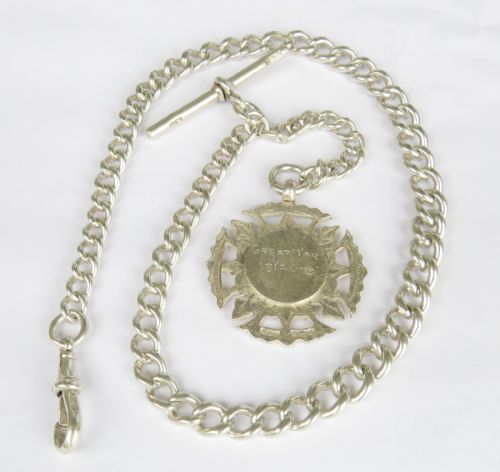
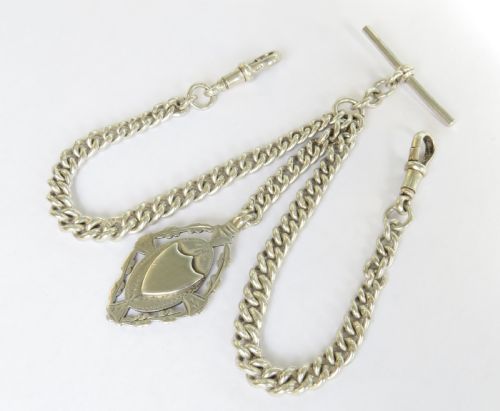
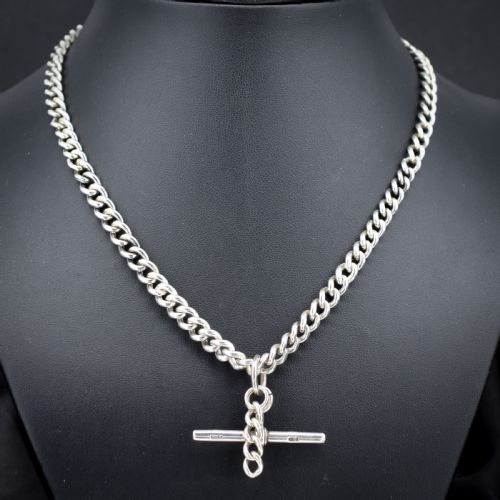
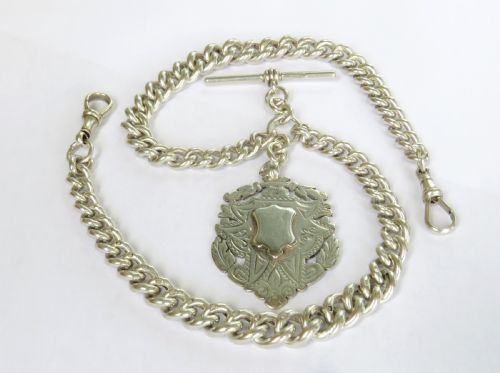
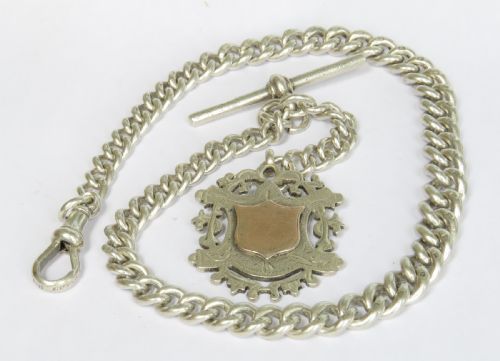
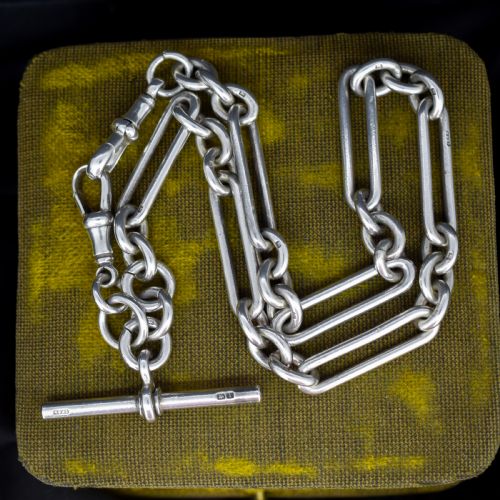
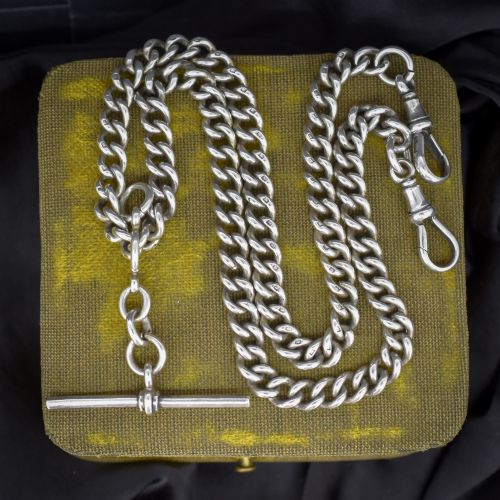
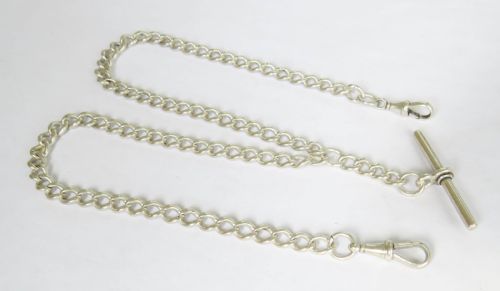
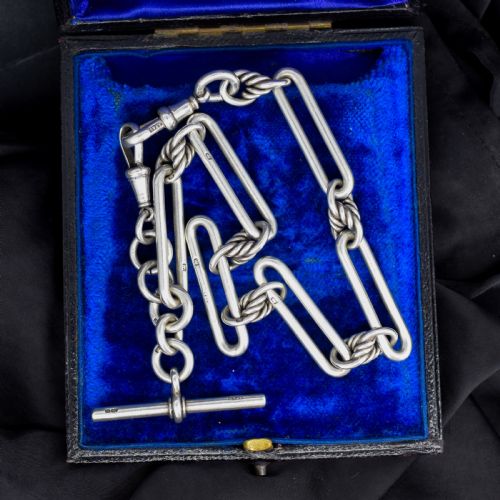
A vintage sterling chain encompasses substantial pocket watch alberts, uniform curb links, and trombone links designed alongside dog clips and T-bars.
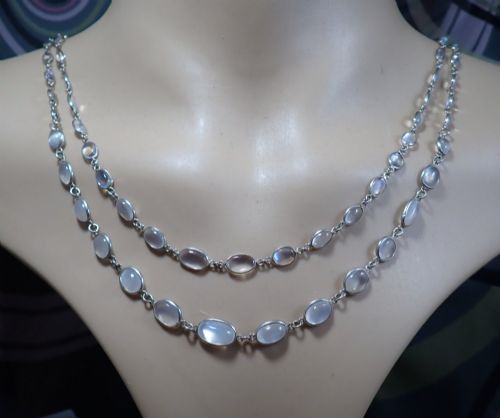
The selections span Victorian, Edwardian, and Art Deco periods, frequently appearing as conversions used as necklaces.
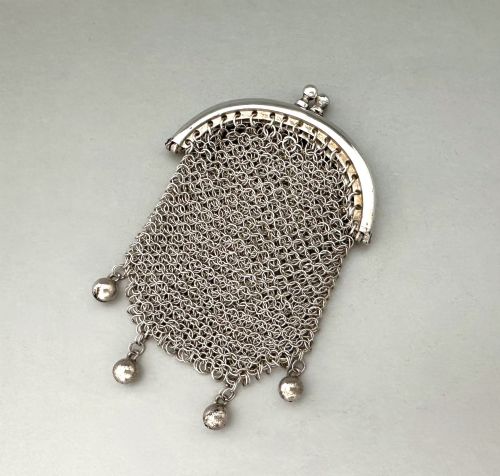
Beyond neckwear, the category includes associated silver purses, bangles, and pendants utilising matching metal links.
Materials and construction
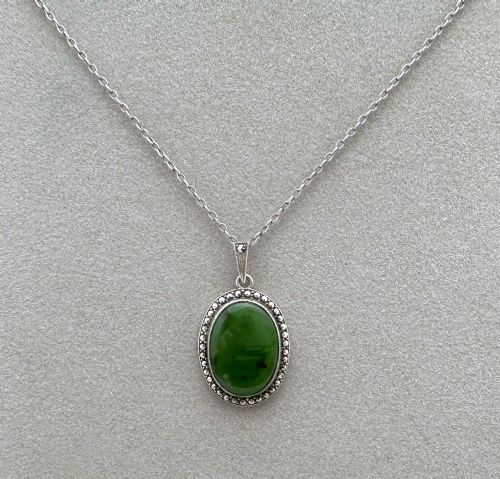
Pieces utilise solid sterling silver and silver alongside accents of enamel, glass, moonstone, amber, rose gold, jade, and malachite.
Links are hand-assembled and soldered into curb, trombone, and fancy patterns, often complemented by hand engraving and specialised catches.
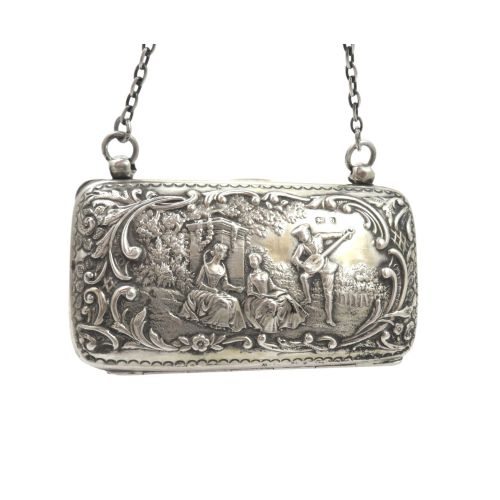
One enterprising owner secured their change inside a silver purse depicting The Music Lesson.
Qualities of distinction
Design complexity separates standard uniform lengths from intricate fancy link constructions and pieces featuring integrated seals or fobs.
The crispness of original hand engraving on components like bangles and watch chains dictates the preservation standard.
Georg Jensen·Walker and Hall·John Collard Vickery·The Boots Company·Crisford and Norris·G Hoppe
The Vintage Sterling Chain Glossary
- Albert chain
- A pocket watch chain designed to attach to a waistcoat, featuring a T-bar at one end and a swivel clasp at the other.
- Dog clip
- A spring-loaded swivel fastener commonly utilised on watch chains to secure fobs or pocket watches.
- T-bar
- The crossbar component attached to the centre of an albert chain, passed through a buttonhole to anchor the watch.
- Trombone link
- An elongated rectangular link with rounded ends, resembling the shape of a musical instrument slide.
- Figaro link
- A patterned chain design composed of alternating short circular links and longer oval links.
Vintage Sterling Chain: Frequently Asked Questions
How were watch chains originally worn?
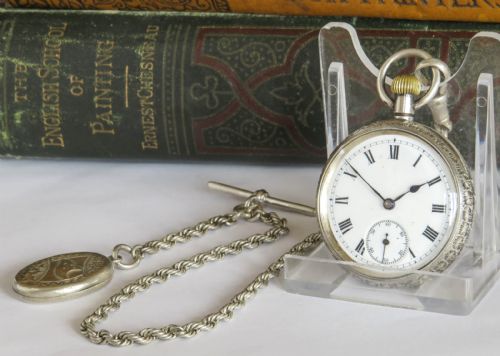
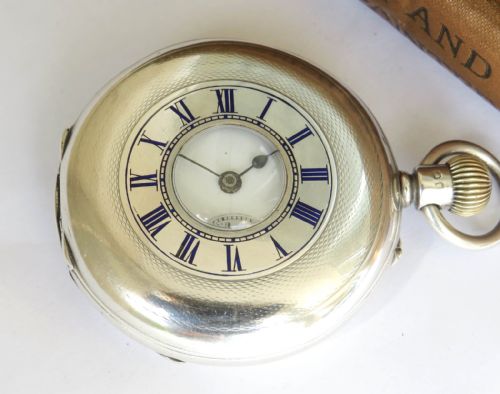
Pocket watch alberts were secured across the front of a waistcoat, anchoring a timepiece in one pocket while the T-bar fastened through a central buttonhole.
Extra pendants and commemorative fobs hung downward from the centre point as decorative accessories.
What distinguishes an Edwardian chain from a Victorian one?
Edwardian designs often embrace lighter, airier styles influenced by Art Nouveau motifs and delicate geometry.
Victorian pieces frequently display heavier weights and broader curb links intended for daily utility with sturdy pocket watches.
Are all these chains marked for silver?
Most pieces from this era carry standard silver hallmarks or sterling designations indicating their metal purity.
Specific stamps often reveal the assay office and date letter corresponding to cities like Birmingham, London, or international makers.