




Vintage Stepped Display
These vintage stepped display pieces bring practical tiers and architectural form to a room, offering a sharp alternative to flat shelving.
Vintage Stepped Display
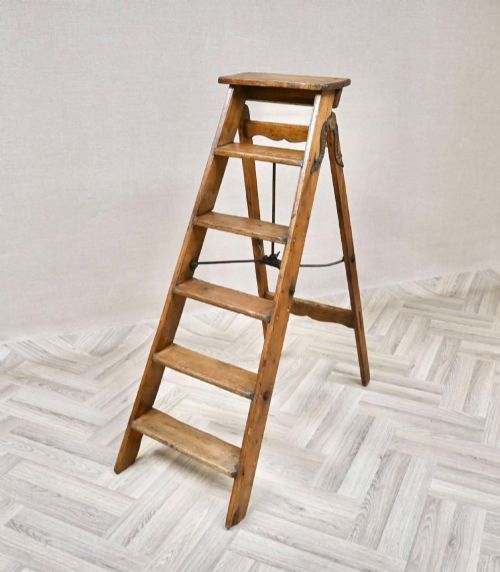
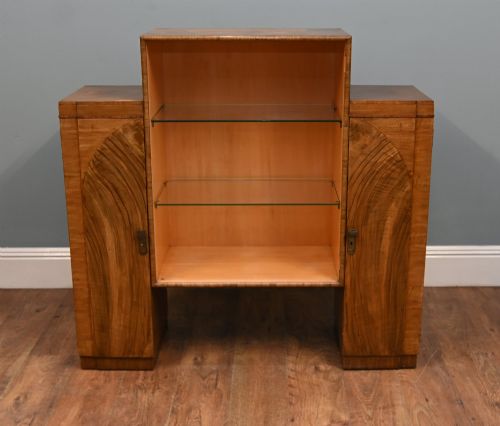
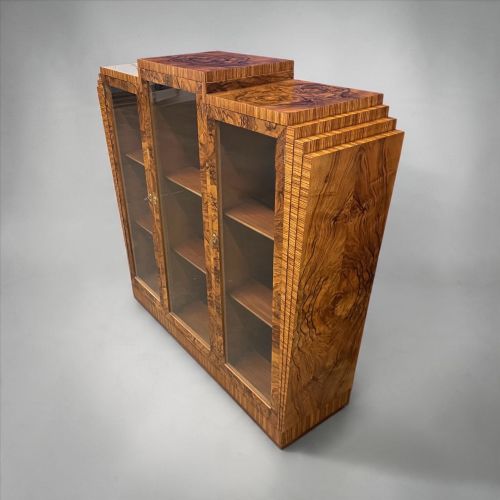
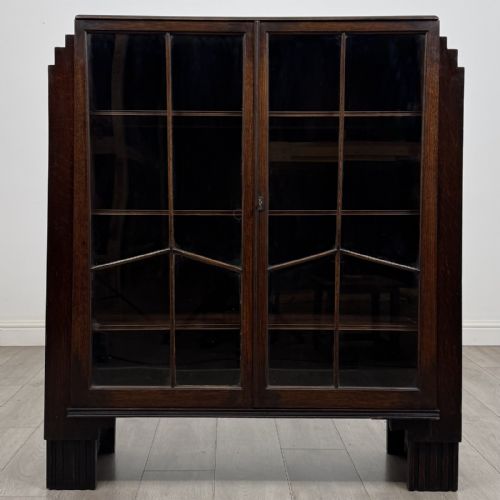
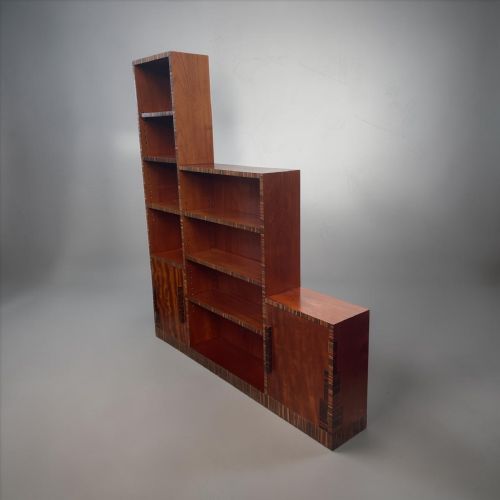
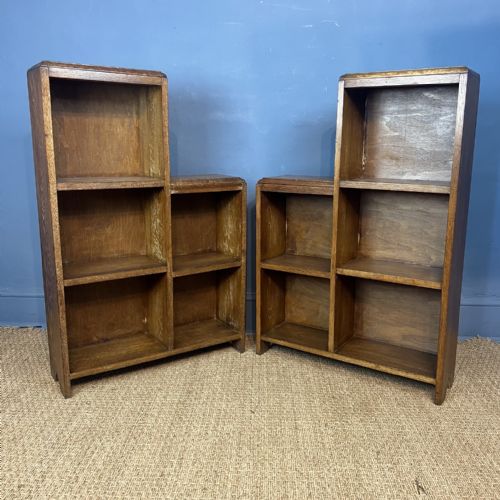
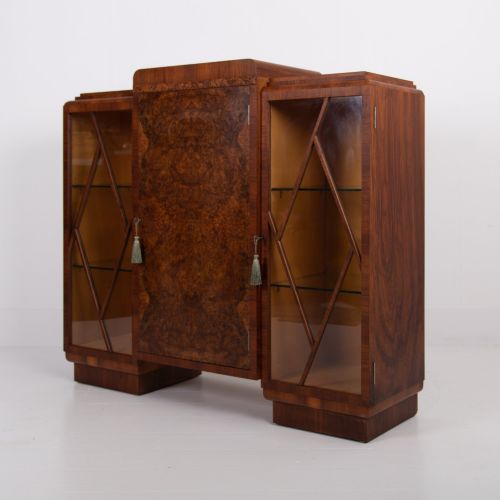
When you search for vintage stepped display, you encounter a mix of functional wooden ladders, utility steps, and tiered modernist furniture. The items span from nineteenth-century pine and ash ladders to nineteen-thirties Art Deco bookcases, cabinets, and tables.
The most common forms on this page are multi-tiered display cabinets, open bookcases, and step ladders adapted for interior shelving. These pieces originate from various periods including Edwardian England, nineteenth-century France, and early twentieth-century China.
Makers such as Heals and Hille appear among the nineteen-thirties pieces, bringing refined modernist lines to the category. Alongside them, utilitarian steps and epicerie steps provide a more rustic, tiered aesthetic for modern homes.
Materials and construction
Timbers dominate the construction of these pieces, with pine, oak, walnut, and burr walnut shaping the wooden frames and cabinetry. Hardwood and ash appear in utilitarian ladders, while brass and chrome provide structural detailing and trim on later items.
Vintage Stepped Display Retail Price Guide 2026
Typical asking prices for vintage stepped display among the pieces listed under this phrase on Sellingantiques today, from the lower quarter to the upper quarter. They describe what is for sale here now, not the wider market.
Listings span from the nineteenth century through the nineteen-thirties, using pine, oak, walnut, brass, and glass.
What separates the tiers of quality
Quality rests in the selection of timber veneers and the integrity of the tiered structure. Figured walnut and burr walnut display cabinets demonstrate superior material selection compared to standard painted or utilitarian pine ladders.
Proportion and architectural line dictate the success of a stepped form. Pieces bearing attribution to established workshops display tighter tolerances in their tiering and superior finish on exposed wooden surfaces.
Heals·Hille
The Vintage Stepped Display Glossary
- Art Deco
- A design style dominant in the nineteen-thirties characterised by geometric shapes, streamlined forms, and modern materials. It strongly influences the cabinetry and tiered tables in this category.
- Burr walnut
- A highly prized wood grain featuring swirling patterns formed from tree growths. It is used on high-end display cabinets to create decorative surfaces.
- Hongmu
- A traditional Chinese term for dense hardwoods used in fine antique furniture and stands. These pieces display dark tones and heavy construction.
- Epicerie steps
- Traditional shop steps originating from France, utilised here in pine for multi-level display. They offer sturdy wooden treads arranged in a distinct vertical climb.
Vintage Stepped Display: Frequently Asked Questions
How do I clean wooden display steps?
Dust regularly with a dry cloth to protect the timber surface and any applied polish. Avoid excessive moisture on nineteenth-century pine or walnut.
Apply a quality beeswax periodically to maintain the nourishment of the wood without building up heavy residues.
Can library ladders hold heavy items?
Nineteenth-century step ladders and library steps were originally built for functional weight bearing. They utilise solid pine, ash, or hardwood for structural strength.
When used for display, their sturdy treads easily support books, plants, and decorative objects across multiple tiers.
What rooms suit Art Deco cabinets?
Nineteen-thirties glazed cabinets and tiered tables fit well in living rooms and studies. Their geometric lines provide a strong focal point against neutral walls.
Inside, the stepped shelving allows for balanced arrangements of glassware, ceramics, and books.
How do I date a wooden ladder?
Examine the timber species, joinery marks, and overall wear patterns on the treads. Nineteenth-century examples often feature hand-cut joints and dense pine.
Later twentieth-century pieces show machine tooling and occasionally metal reinforcement brackets.