


Vintage Steamship Painting
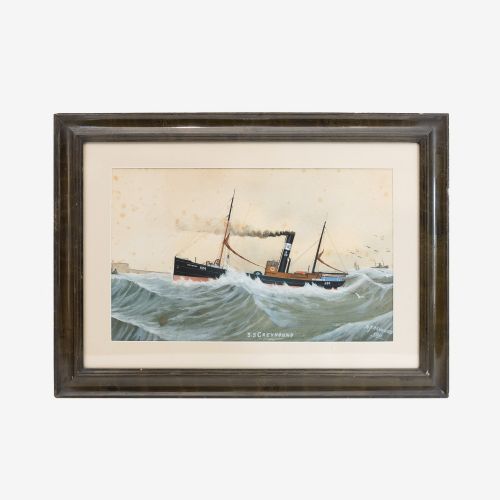
A vintage steamship painting captures the industrial majesty of the early mechanical age on canvas, paper, or through delicate shadow boxes.
Vintage Steamship Painting
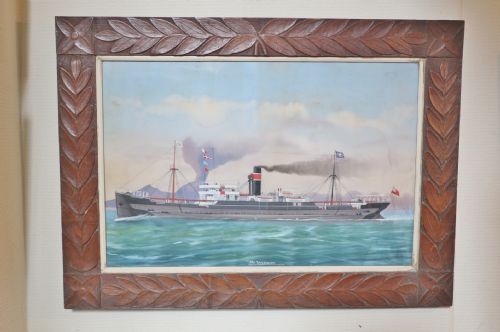
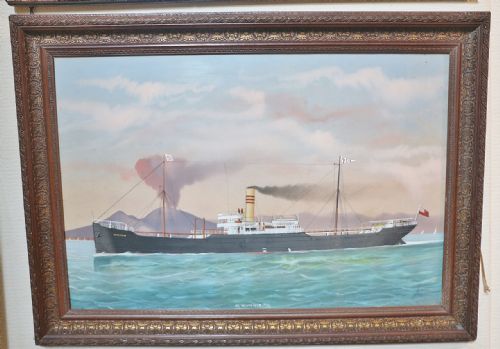
When searching for a vintage steamship painting, collectors encounter maritime artworks spanning from the nineteenth century through the mid twentieth century. These pieces record specific vessels, notable ports, and dramatic coastal waters using diverse artistic methods.
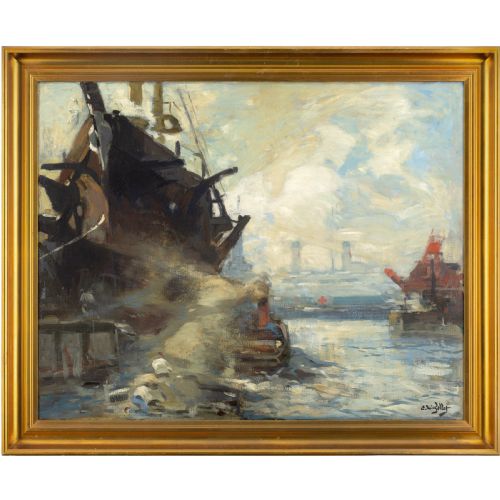
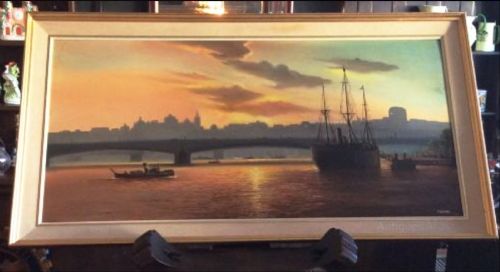
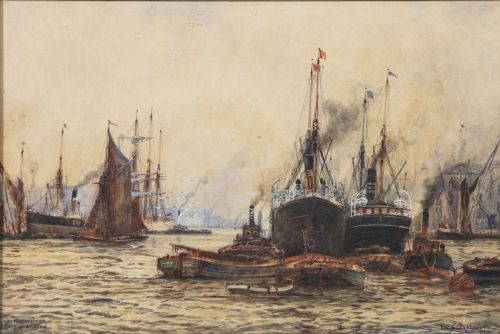
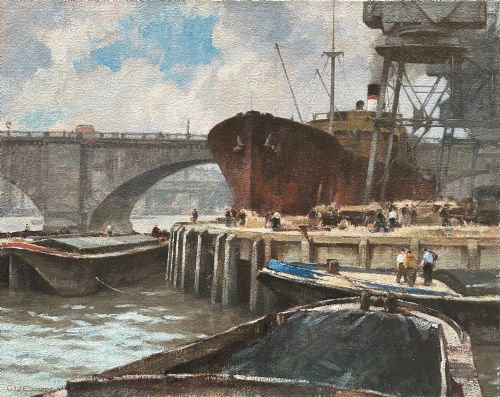
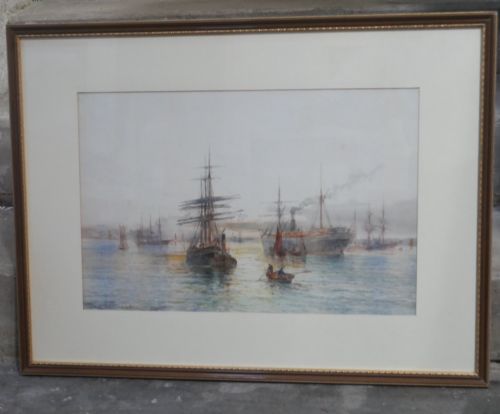
The selections here highlight the dominance of oils and watercolours, featuring named liners, wartime vessels, and bustling river scenes along the Thames and Mersey. Works range from academic oils on canvas to charming folk art interpretations and intricate dioramas.
Edwardian pieces and early twentieth century watercolours predominate, showing the transition from sail to steam in British, European, and Anglo Chinese maritime art. Each composition documents naval architecture and social history with distinct regional character.
Materials and Techniques
Artists rendering these vessels utilised traditional oil on canvas, delicate watercolours, and gouache, often framed with original gilt mouldings or housed within shadow box displays. The juxtaposition of wood, paper, and glass gives these maritime scenes their physical depth.
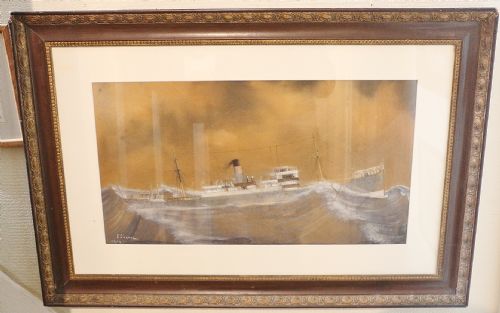
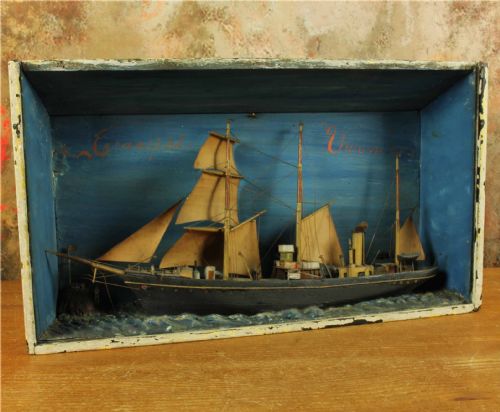
Folk art examples incorporate unconventional mediums, utilising carved wood, painted surfaces, and scratch built components to construct detailed three dimensional models of steamships in bottles or boxes. Canvas works employ layered oil paints to capture churning water and heavy seas.
Recorded periods span from the 19th Century through the Edwardian era up to the 1960s.
Distinctions in Execution
Quality in these maritime works rests upon the precision of the vessel's architectural details and the artist's ability to render turbulent or calm water convincingly. Stronger examples display accurate rigging, proportion, and atmospheric lighting that convey the genuine scale of a steamship.
The distinction between commercial port portraits and accomplished academic paintings lies in the handling of light and perspective. Signed works by recognised marine painters demonstrate superior brushwork and compositional balance compared to anonymous folk art pieces.
Eugène-Louis Gillot·Frank William Scarbrough·Cyril Walduck Edwards·F Corpuz·Alexander Harwood·Lieutenant Harold E Frecker RNR·Edward Fletcher·John Hayes·Frances E Nesbitt·Johan Jens Neumann·James Scrimgeour Mann
The Vintage Steamship Painting Glossary
- Pierhead painting
- A specialised genre of marine art depicting commercial ships, often commissioned by captains or shipping lines as an accurate portrait of a specific vessel.
- Shadow box diorama
- A three dimensional display case containing a model ship set against a painted maritime backdrop, utilising glass and wood to create depth.
- Gouache
- An opaque water based pigment frequently combined with watercolour in maritime works to achieve bright highlights on crashing waves and ship hulls.
- Gilt
- A thin layer of gold leaf applied to frames, enhancing the presentation of nineteenth and twentieth century oil paintings.
Vintage Steamship Painting: Frequently Asked Questions
What periods do these steamship artworks cover?
The available selection spans the nineteenth century through the 1960s, with a strong concentration of Edwardian and early twentieth century pieces.
Works reflect artistic styles from traditional marine painting and post-impressionism to maritime folk art.
How were these maritime scenes originally displayed?
Many oil paintings and watercolours were framed in gilt wood to hang in domestic interiors or shipping line offices.
Folk art items like dioramas and shadow boxes were constructed to sit on tabletops or shelves as three-dimensional tributes.
Are specific vessels identified in the paintings?
Numerous works explicitly name historical vessels, including ocean liners, warships, and commercial steamers such as the RMS Lusitania and the SS Bregonian.
Inscriptions often note the specific year, artist, and location of the port or coastal waters depicted.
How do watercolours differ from oil paintings here?
Watercolour and gouache works on paper offer a lighter, more translucent depiction of river scenes and harbour views, particularly around London.
Oil paintings on canvas provide heavier textures suited to stormy seas, heavy weather, and large ship portraits.