





Vintage Steamship Canvas Painting
These vintage steamship canvas painting works capture maritime history through oil on canvas and wood board, offering collectors a direct window into early ocean liner and steamship eras.
Vintage Steamship Canvas Painting
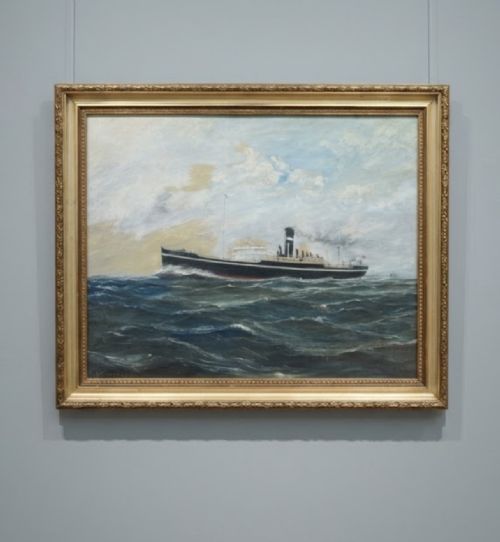
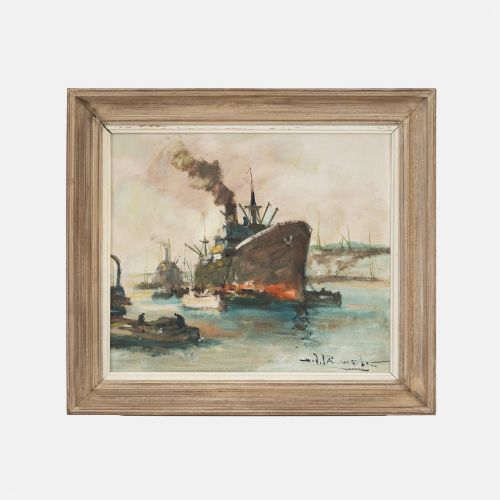
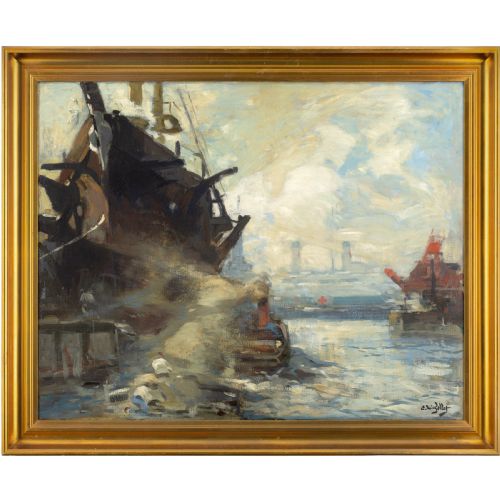
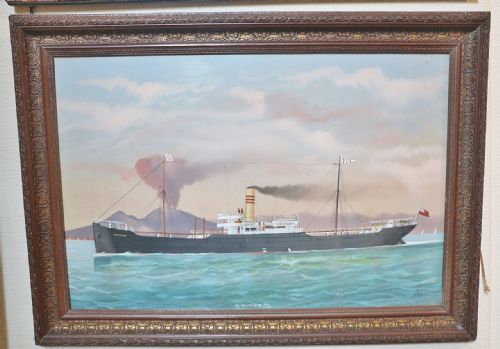
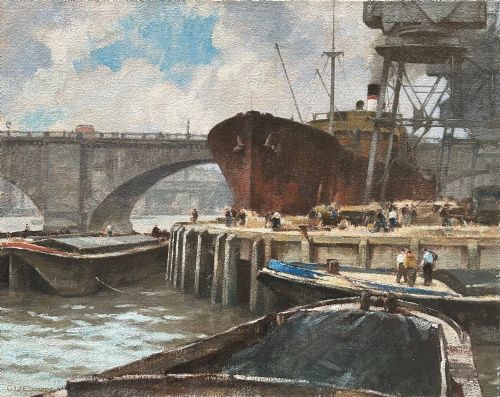
A vintage steamship canvas painting depicts marine subjects ranging from Edwardian liner scenes to 19th century steamers on canvas or wood board. These works document specific vessels, wartime hospital ships, and bustling port harbours like London, Liverpool, and Copenhagen.
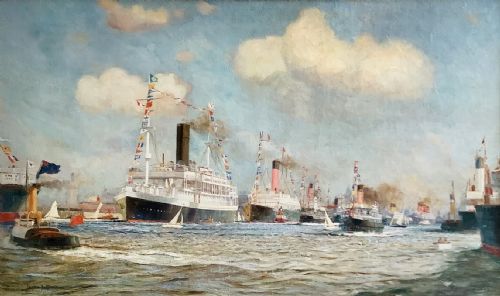
Buyers encounter oil paintings spanning periods from the 1900s through the 1960s, encompassing styles such as maritime realism, impressionism, and post-impressionism. Common compositions feature liners like the RMS Lusitania and RMS Queen Mary navigating heavy seas or docked at pierheads.
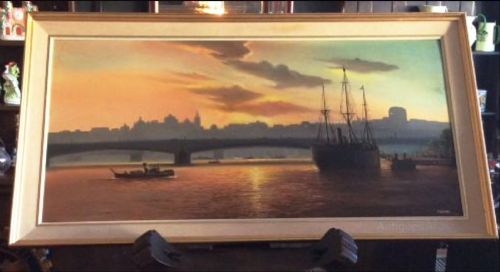
The subjects extend beyond single vessels to include panoramic riverscapes, coastal scenes, and flotillas involving major shipping lines such as the White Star Line and Cunard Line.
Factors influencing quality and appeal
Quality in a vintage steamship canvas painting rests upon the artist's ability to render marine atmosphere, ship proportions, and water movement convincingly. Works by recognised painters exhibit confident brushwork and accurate vessel detail compared to unsigned or generic commercial pieces.
Condition of the oil paint surface and the stability of the canvas or wood board significantly affect the piece. Original period frames and documented historical context regarding the depicted steamer add archival value to the artwork.
Vintage Steamship Canvas Painting Retail Price Guide 2026
Typical asking prices for vintage steamship canvas painting among the pieces listed under this phrase on Sellingantiques today, from the lower quarter to the upper quarter. They describe what is for sale here now, not the wider market.
Several canvases faithfully record the smoke billowing from steamship funnels, ensuring the coal fires of history keep burning inside the frame.
Henri Joseph Pauwels·Eugène-Louis Gillot·Cyril Walduck Edwards·Edward Fletcher·Johan Jens Neumann·James Scrimgeour Mann
The Vintage Steamship Canvas Painting Glossary
- Canvas
- A heavy woven fabric used as a support surface for oil paintings. It is typically stretched tightly across a wooden frame before painting.
- Oil paint
- A slow-drying paint made by combining pigments with drying oils such as linseed. This medium allows artists to build rich layers and subtle tonal gradations.
- Pierhead painting
- A specialised genre of maritime art depicting specific merchant ships or steamships entering or leaving a port. These works were often commissioned by ship captains or owners.
- Post-impressionism
- An art movement developing roughly from the late nineteenth century that extended impressionism while rejecting its limitations. Artists prioritised symbolic content and expressive use of paint.
- Marine art
- Artistic works that focus on or draw main inspiration from the sea, ships, and coastal environments. This encompasses historical naval battles, portraiture of individual vessels, and seascape vistas.
Vintage Steamship Canvas Painting: Frequently Asked Questions
What periods do these steamship paintings represent?
The listings encompass works from the nineteenth century, Edwardian era, and mid-twentieth century up to the 1960s. This span covers the height of steam navigation and transatlantic ocean liner travel.
Specific dates on canvases or boards often correlate with the operational years of the depicted vessels, such as early twentieth-century liners and wartime ships.
How do I identify a pierhead painting?
Pierhead paintings typically feature a named steamship or sailing vessel shown in profile near a recognizable port, harbour entrance, or coastal landmark. They focus heavily on accurate architectural and nautical details.
Many of these works include specific vessel names and shipping line flags, reflecting their original commissioning by maritime enthusiasts or ship owners.
What is the difference between canvas and board supports?
Canvas supports consist of woven fabric stretched over a wooden framework, providing slight elasticity and traditional texture. Wood board supports offer a rigid, solid panel that resists puncturing and tension changes.
Both materials were widely used across different periods, with the choice often depending on the artist's preference and the scale of the maritime scene.
How should I display maritime oil paintings at home?
Display these oil paintings away from direct sunlight and excessive humidity fluctuations to protect both the canvas and the oil paint layers. Proper wall placement preserves the structural integrity of the wood frame and support.
Pairing the artwork with adequate lighting accentuates the texture of the oil medium and the fine details of the steamship rigging and hull.