




Vintage Stationery Holder
A vintage stationery holder keeps your desktop tidy, bringing period craftsmanship and organised charm to your workspace.
Vintage Stationery Holder
A vintage stationery holder encompasses desk accessories, letter racks, boxes, and cabinets designed to organise correspondence and writing materials. These pieces span periods from the Georgian era through to the Art Deco movement, reflecting changing office and domestic habits.
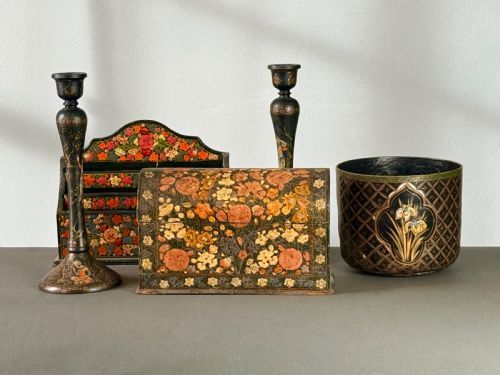
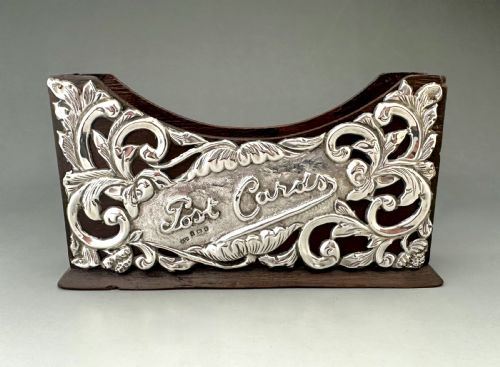
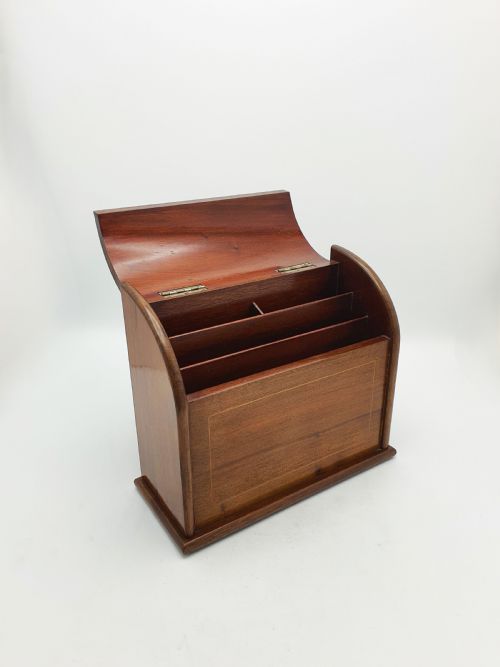
You will frequently encounter Edwardian and Victorian examples on this page, including mahogany desk tidies, brass letter clips, and papier-mâché stationery boxes. Forms range from simple wall-mounted organisers and hinged-lid boxes to elaborate desk sets featuring integrated inkwells and calendar plaques.
Makers utilised various timber, metal, and lacquer finishes to suit contemporary tastes, resulting in items that served both functional desk utility and decorative display. Whether you select a compact brass clip or a substantial oak cabinet, each item demonstrates period manufacturing techniques.
Materials and construction methods
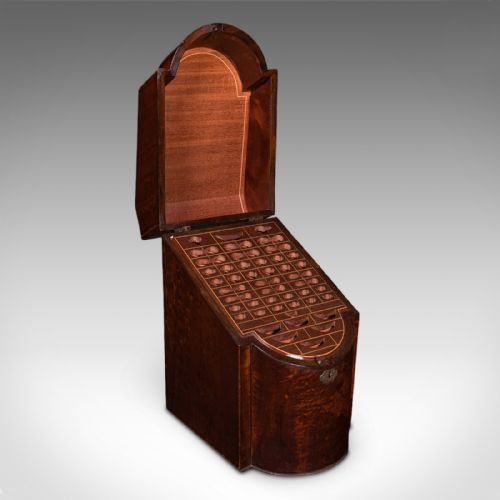
Craftsmen shaped these items using traditional timber working, metal casting, and lacquer applications. Mahogany, oak, and satinwood formed the structural carcasses of boxes and cabinets, often enhanced with inlaid details or carved waterfall tiers.
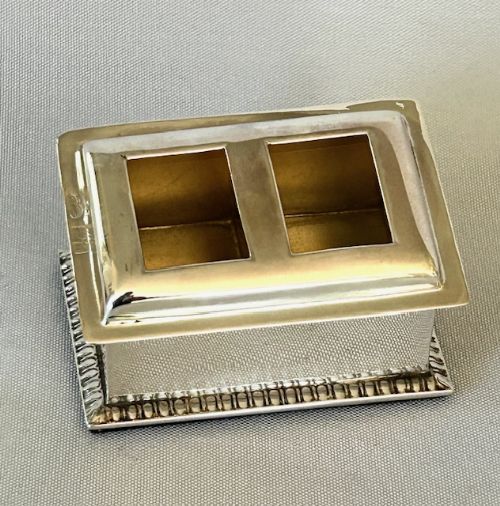
Metal components relied on brass, copper, and sterling silver, sometimes combined with tortoiseshell, enamel, or gold mounts. Papier-mâché and lacquer pieces received careful surface finishing, displaying Chinoiserie motifs or deep gloss layers typical of nineteenth-century production.
Object types include desk accessories, boxes, letter clips, letter racks, and cutlery storage adapted for office use.
Assessing build quality and execution
Quality rests upon the precision of joinery, the weight and finish of metal mounts, and the integrity of decorative surfaces like lacquer and tortoiseshell. Finer items display crisp carving, secure hinge fittings, and well-matched timber grains.
Superior examples incorporate functional complexity, such as fitted compartments within stationery cabinets, integrated perpetual calendars, or hallmarked silver mountings from notable workshops. Simpler utility pieces rely on robust construction rather than decorative ornamentation.
Cartier·Whitehouse and Son
The Vintage Stationery Holder Glossary
- Stationery box
- A lidded box or cabinet designed specifically to hold writing paper and envelopes upright. These often feature internal dividers and sloping lids.
- Letter clip
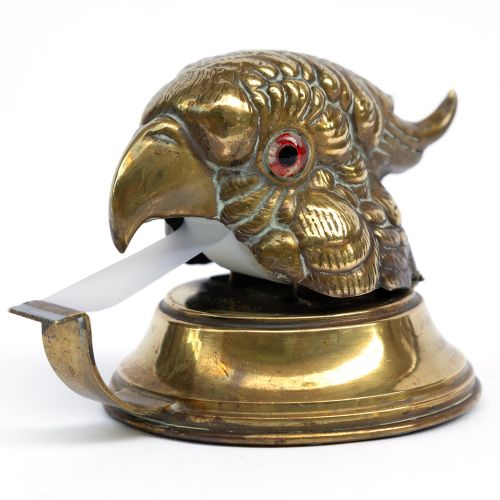
- A spring-loaded metal clip mounted on a wooden or brass base, used for holding correspondence securely on a desk.
- Desk tidy
- A multi-functional desktop organiser incorporating compartments for pens, ink, and letters.
- Papier-mache
- A composite material made of paper pulp reinforced with glue or resin, moulded and lacquered for decorative desk accessories.
- Guilloche enamel
- Metalwork decorated with precise engine-turned patterns beneath a translucent enamel coating.
Vintage Stationery Holder: Frequently Asked Questions
How were stationery holders used historically?
These items populated writing desks in homes and offices, keeping daily correspondence, stamps, and notelets sorted and close at hand.
Larger cabinets stored writing paper and envelopes, while clips and racks held incoming mail awaiting attention.
What materials are common in these pieces?
Woods such as mahogany, oak, and satinwood appear frequently alongside brass, copper, and sterling silver.
Some items feature specialised surfaces including papier-mâché, lacquer, tortoiseshell, and enamel.
How do I date a stationery holder?
Stylistic indicators and materials offer primary clues, moving from Georgian mahogany craftsmanship to Victorian papier-mâché and Edwardian inlaid brass.
Assay marks on silver components provide precise year and location details where present.
Can I use these for modern mail?
Most vintage letter racks and boxes accommodate standard modern envelopes and correspondence.
Desktop clips and tidies function effectively for sorting contemporary bills, notes, and stationery items.