
Vintage Station Dial Clock
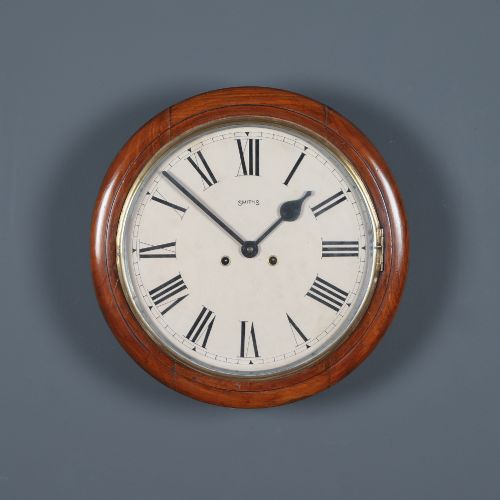
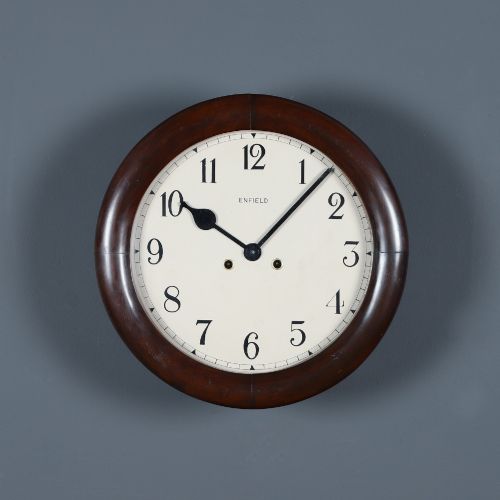
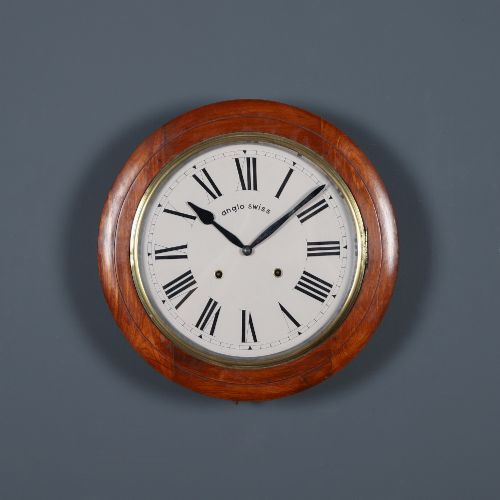
When you search for a vintage station dial clock, you are looking at circular timepieces built for railways, offices, and municipal buildings.
Vintage Station Dial Clock
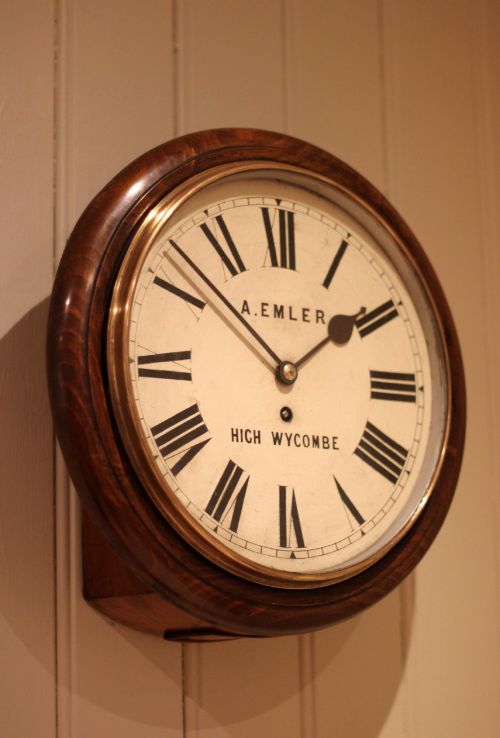
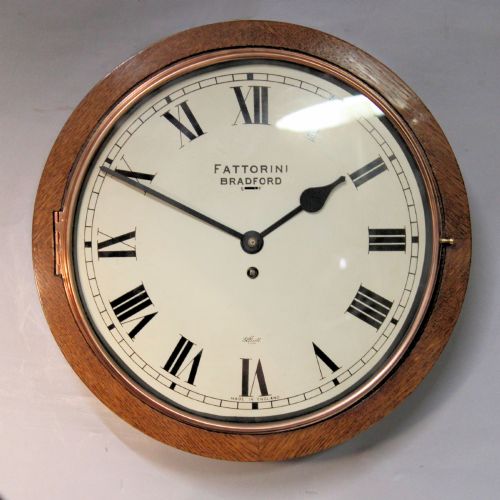
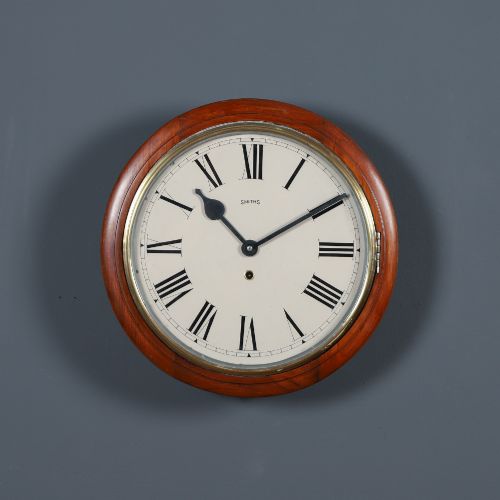
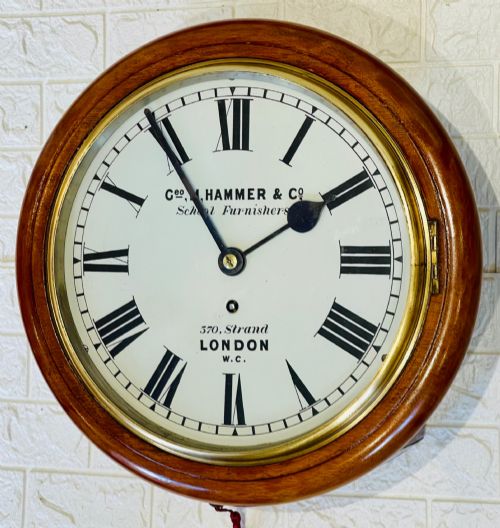
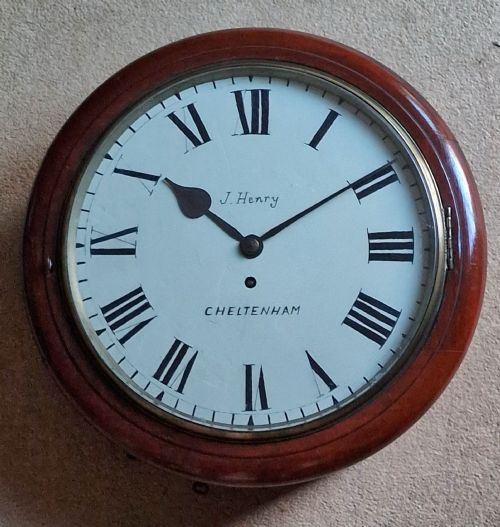
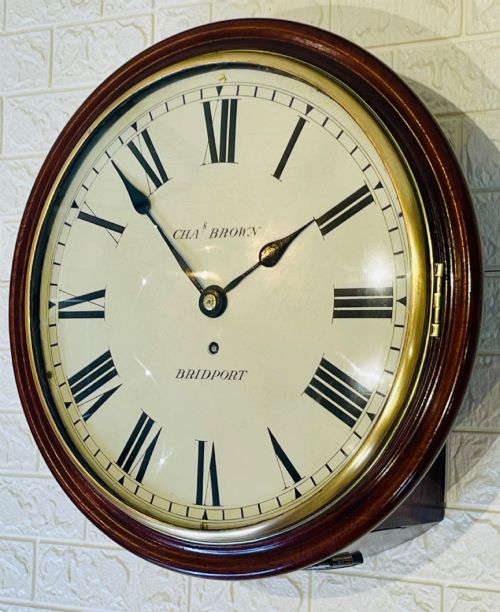
A vintage station dial clock is a heavy-duty timepiece designed for legibility in public spaces like railway platforms, sorting offices, and factories. These clocks usually present a bold, clear circular face behind protective glass so that travellers or workers could check the time from a distance.
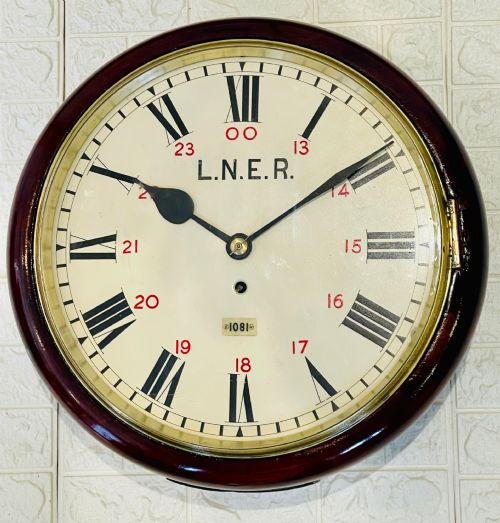
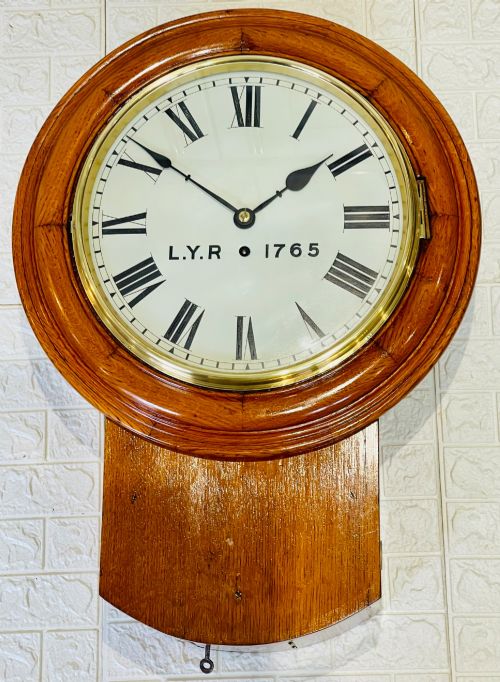
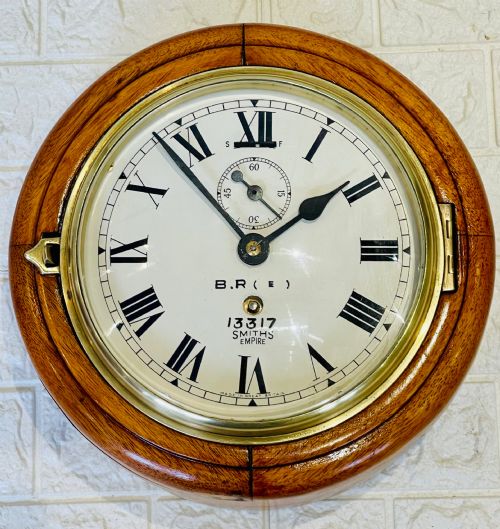
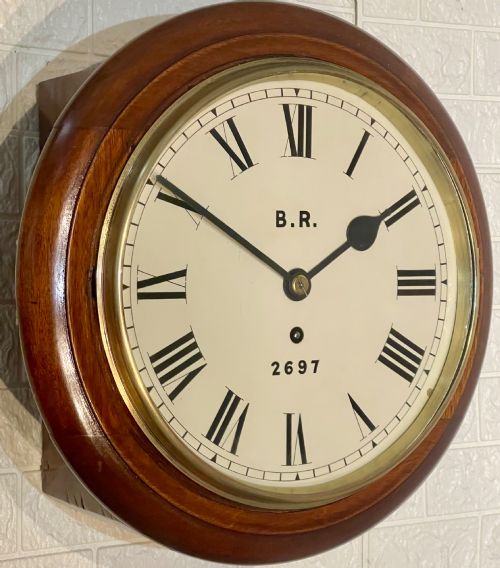
The versions most common on this page span the Victorian and Edwardian eras through to the mid-twentieth century, often bearing the names of railway companies such as the L.N.E.R, G.W.R, or British Railways. They appear primarily as wall-mounted round dial clocks housed in sturdy wooden surrounds.
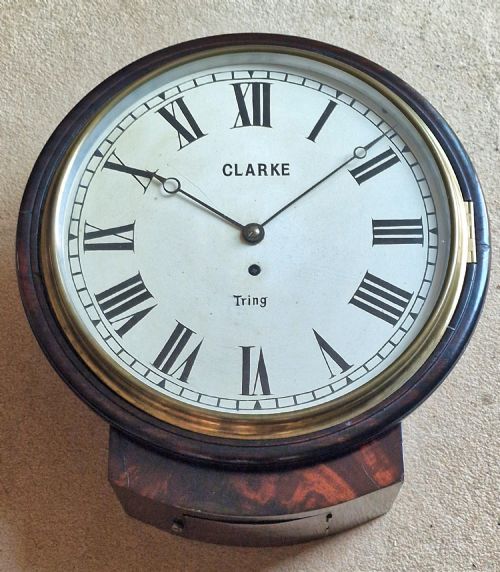
Beyond standard railway office pieces, variations include drop dial designs with extended lower cases, fusee movements driven by chains or cords, and large outdoor enamel turret dials. Makers marked these faces with station names, telegraph codes, or regional divisions to track their deployment across the transport network.
How They Were Made
Cases were constructed from durable timbers such as mahogany, oak, beech, and rosewood to withstand fluctuations in temperature and moisture found in booking halls and engine sheds. These woods were turned or joined into deep round drums or box frames designed for secure wall hanging.
The dial faces themselves typically utilised painted wood, metal, or vitreous enamel behind heavy glass plates held within brass or wooden bezels. Movements relied on mechanical escapements, with many of the better examples employing fusee mechanisms to maintain steady tension as the driving spring unwound.
The listings here feature timber cases in oak, mahogany, beech, and rosewood, alongside brass and enamel components.
What Varies in Quality
Quality in a vintage station dial clock rests upon the integrity of the movement and the preservation of original markings on the dial and case. Clocks retaining their original chain fusee movements and authentic railway company lettering command greater interest among collectors.
The choice of timber and the precision of the case carpentry also separate standard utility clocks from superior examples. Solid mahogany or rosewood frames with well-fitted side doors and unblemished enamel dials represent the higher tier of production.
Elliott·Smiths·Enfield·Henry Harris·John Walker·Joyce Whitchurch·L. Morris
The Vintage Station Dial Clock Glossary
- Fusee
- A conical pulley used in mechanical clocks to equalise the torque of the mainspring as it runs down. This mechanism helps the clock maintain a more consistent rate over its running period.
- Drop dial
- A clock case design where the circular dial sits above a lower wooden trunk or box that houses the pendulum. This shape provided extra room for the pendulum swing while keeping the face compact.
- Lever escapement
- A type of escapement commonly found in portable or marine-style timepieces that allows a clock to operate reliably even when subjected to movement or vibration. It replaced the traditional pendulum in certain station and office clocks.
- Turret clock
- A large clock designed for placement in a tower or architectural gable, often featuring an oversized exterior dial face made of iron and enamel. These dials were built to be read from across a town square or railway yard.
Vintage Station Dial Clock: Frequently Asked Questions
What is a fusee movement?
A fusee movement uses a conical pulley connected to the mainspring by a chain or cord. This clever arrangement compensates for the diminishing power of the spring as it unwinds.
By regulating the force delivered to the gear train, the fusee helps the clock keep more accurate time throughout its running cycle.
How were station clocks mounted?
These clocks were designed to be secured firmly to the walls of booking offices, waiting rooms, and signal boxes. Their deep wooden cases often included side doors or bottom access panels for daily winding and regulation.
Because they experienced constant vibrations from passing trains, the fixings had to be robust and the interior components securely braced.
Why do some dials have railway initials?
Railway companies marked their property to maintain inventory control across vast transport networks. Initials such as L.N.E.R, G.W.R, or British Railways identified which region or station owned the timekeeper.
These painted or etched letters help modern collectors trace the history and original deployment of individual pieces.
How do I tell a railway clock from a school clock?
Railway clocks and school clocks share similar mahogany or oak round dial designs, making them visually close cousins. Railway examples frequently carry company lettering, telegraph codes, or specific station names on the dial face.
School and institutional clocks typically feature plain dials or municipal property marks instead of transport authority insignia.