
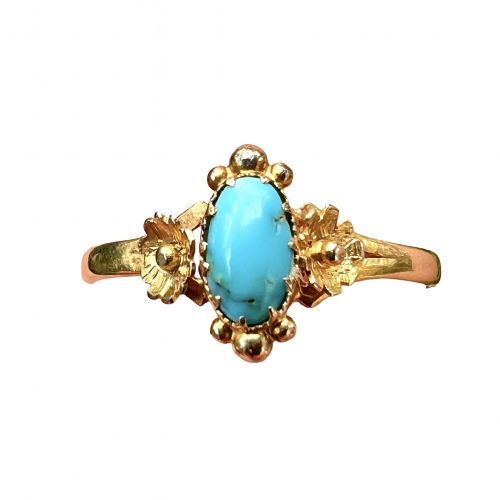

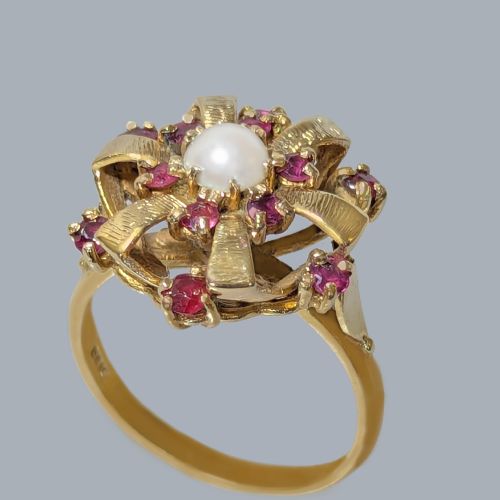

Vintage Statement Cluster Ring
A vintage statement cluster ring brings together vibrant central gemstones and surrounding diamonds within decades of distinctive jewellery design.
Vintage Statement Cluster Ring
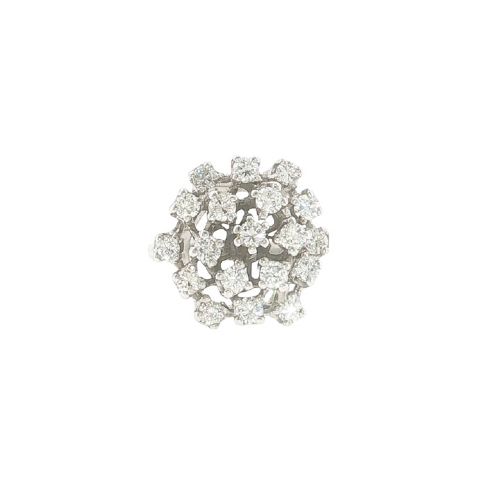
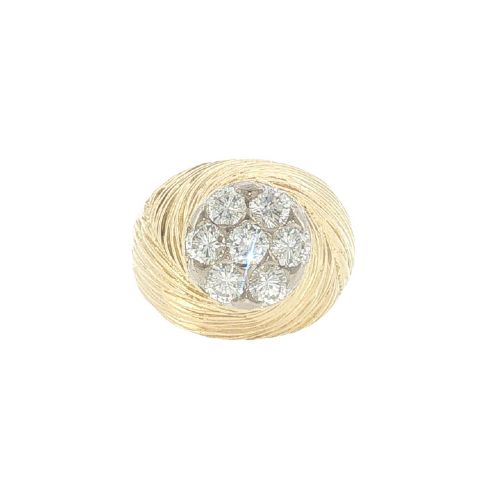
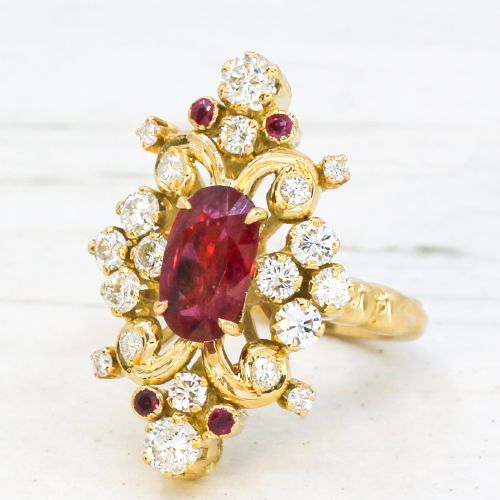
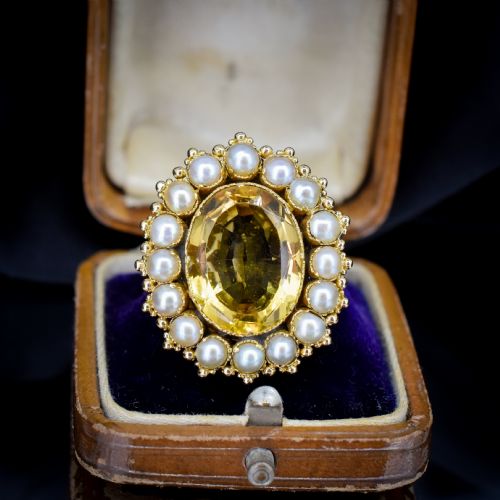
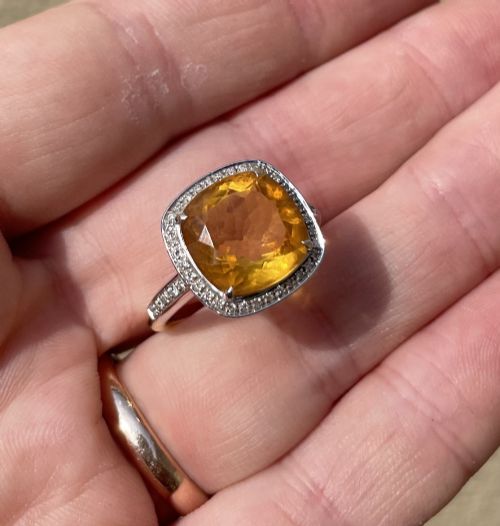
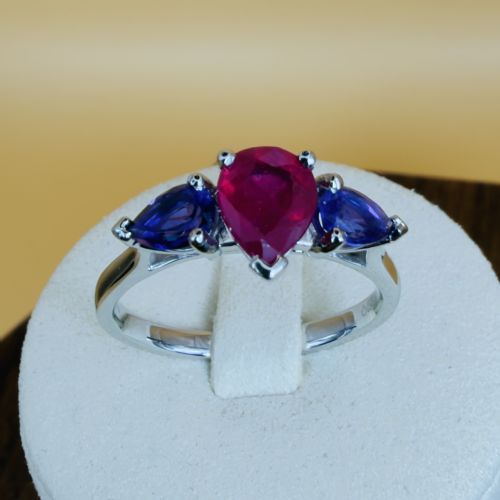
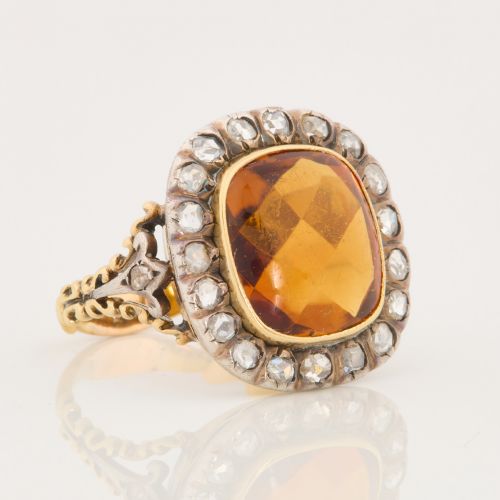
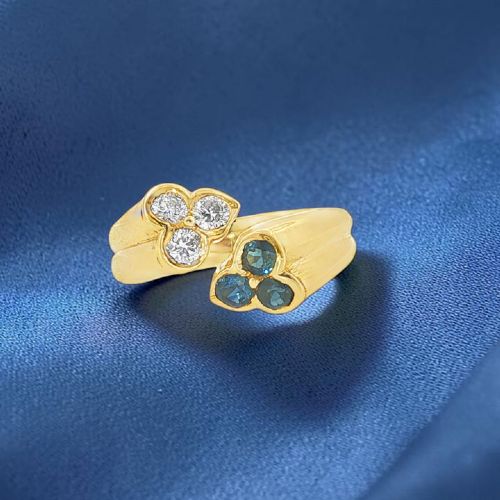
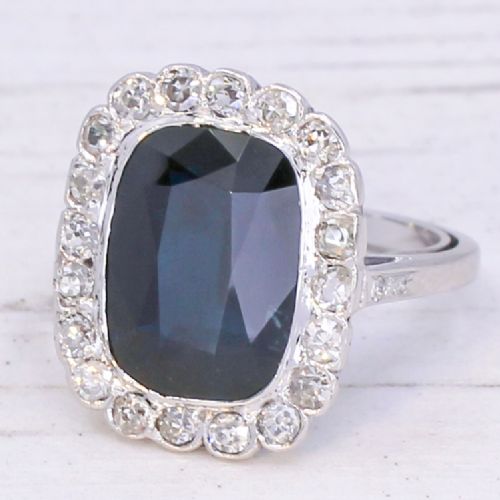
A vintage statement cluster ring is built around a prominent central stone, whether diamond, sapphire, ruby, emerald, citrine, amethyst, or opal, framed by smaller surrounding gems. These forms appear across Victorian, Edwardian, Art Deco, and mid-century periods, spanning gold and platinum settings.
The most frequent examples found here date from the mid-twentieth century, particularly the 1950s and 1960s, alongside earlier twentieth-century designs. Such cocktail and dress rings concentrate visual weight on the hand through elaborate multi-stone arrangements.
Makers and origins range from British workshops to French ateliers and Italian designers, encompassing diverse stylistic expressions from floral motifs to geometric geometry. Each piece relies on the cluster layout to maximise light reflection and colour contrast.
Materials and construction
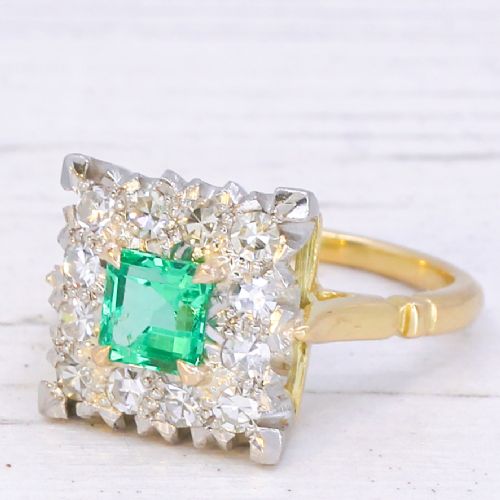
Metals such as 18ct yellow gold, 18ct white gold, 9ct gold, and platinum provide the structural foundation for mounting complex gemstone arrays. Platinum offers high durability for intricate claw settings, while yellow and white gold lend distinct tonal warmth or contrast to the stones.
Gemstones are secured using techniques like claw, bezel, and pave settings, aligning central stones with concentric borders of diamonds or contrasting gems. Old cut, cushion cut, and pear cut stones reflect period-specific lapidary methods that shape the overall silhouette.
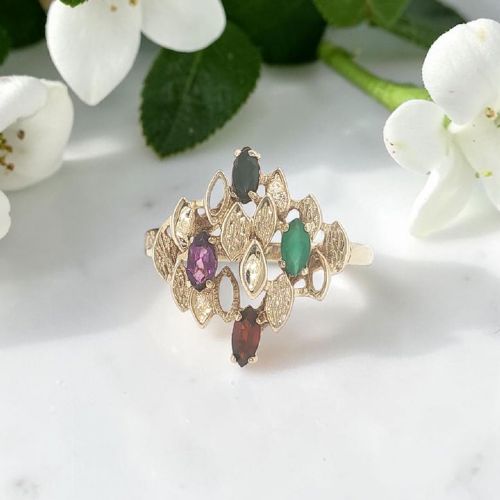
Some clusters pack up to six distinct mineral varieties into a single finger's span.
Distinguishing quality
Quality rests in the balance between the central gem's natural saturation, clarity, and carat weight and the precision of the surrounding stone arrangement. Superior examples demonstrate harmonious proportion where auxiliary diamonds enhance rather than overpower the focal element.
The integrity of the metalwork, evidenced by crisp gallery work and secure setting walls, separates master craftsmanship from standard production. Age-related wear must be weighed against the original execution of the mounting and the unaltered state of the gemstones.
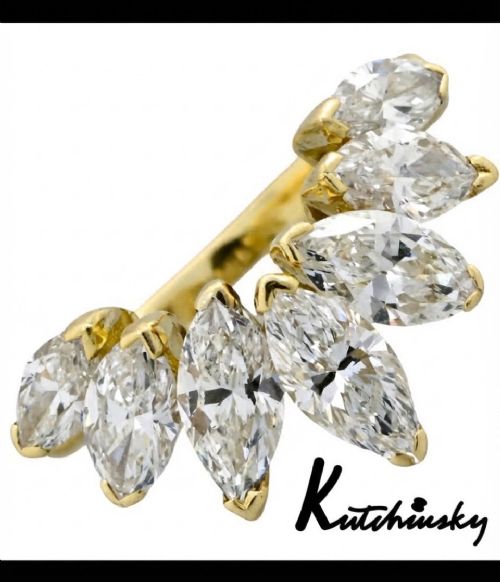
Kutchinsky
The Vintage Statement Cluster Ring Glossary
- Cluster ring
- A ring featuring a central gemstone surrounded by a border of smaller stones, typically diamonds. This arrangement maximises surface brilliance and perceived size.
- Cocktail ring
- A large, prominent ring worn to attract attention, popularised during the mid-twentieth century. These designs often utilise sizeable coloured stones and dramatic silhouettes.
- Old cut
- A diamond cutting style prevalent before the standardisation of the modern brilliant cut in the mid-twentieth century. These stones typically feature higher crowns and smaller tables.
- Platinum
- A dense, strong, and ductile precious metal prized in jewellery for its white lustre and secure holding properties. It allows for delicate settings that safely secure heavy gemstone configurations.
- Bezel setting
- A method of securing a gemstone by wrapping a thin strip of metal around its perimeter. This technique holds the stone flush and offers protection to the girdle.
Vintage Statement Cluster Ring: Frequently Asked Questions
What defines a cluster ring?
A cluster ring centres on a primary gemstone enclosed by a ring of secondary stones, commonly diamonds. This design structure was developed to create a bold visual impact on the hand.
Such configurations appear across multiple eras, allowing makers to combine coloured gems like sapphires, rubies, and emeralds with sparkling borders.
How do I care for antique rings?
Maintenance requires gentle cleaning with warm soapy water and a soft brush, avoiding harsh chemical ultrasonic cleaners that can damage softer stones like opals or pearls. Regular inspection of the settings ensures stones remain secure within their mounts.
Storing each piece individually prevents scratching between harder diamonds and more delicate gems.
What periods do these rings represent?
The selection spans the Victorian and Edwardian eras, moves through Art Deco geometries, and extends into mid-century modern and 1960s designs. Each period brings distinct metal colours and gemstone combinations.
Twentieth-century examples often favour platinum and white gold, whereas Victorian pieces frequently employ yellow and rose gold settings.
Can I wear a cocktail ring daily?
Daily wear is possible with robust settings and durable stones like diamonds or sapphires, though higher profile mountings demand extra care to avoid knocks. Softer gems such as opals, pearls, or emeralds require more mindful handling during regular use.
Removing rings during physical tasks preserves the structural integrity of the prongs and gallery.