






Vintage Standing Photo Frame
A vintage standing photo frame holds family portraits upright on a desk or mantelpiece, bringing period character into a room through crafted metal and wood.
Vintage Standing Photo Frame
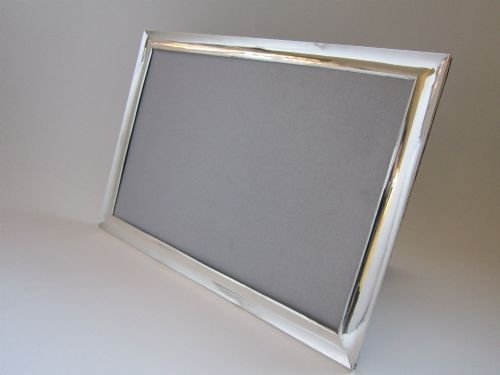
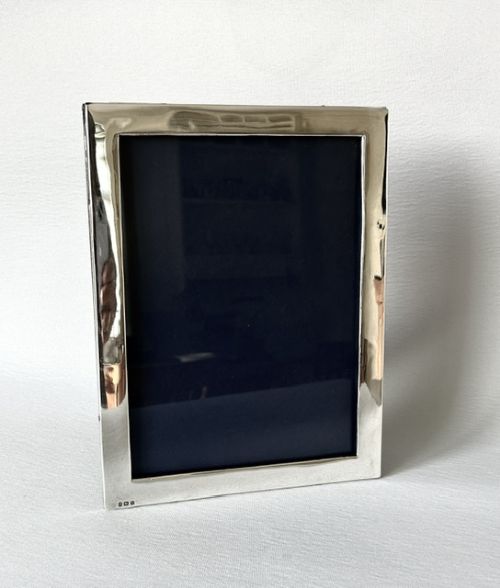
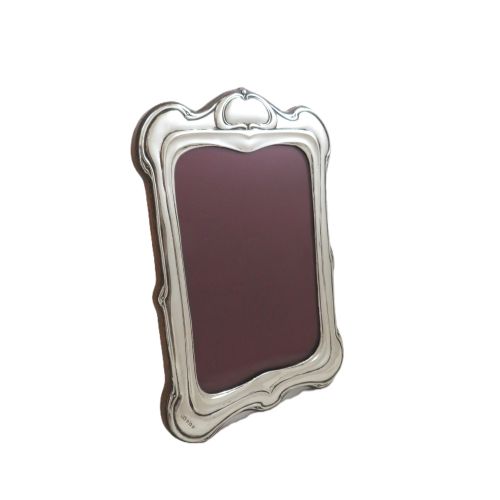
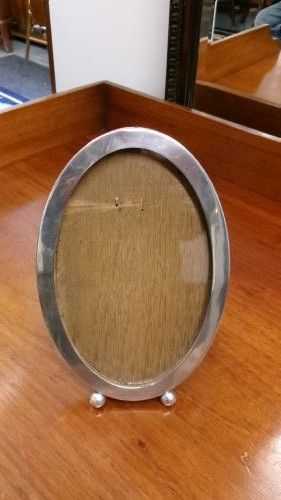
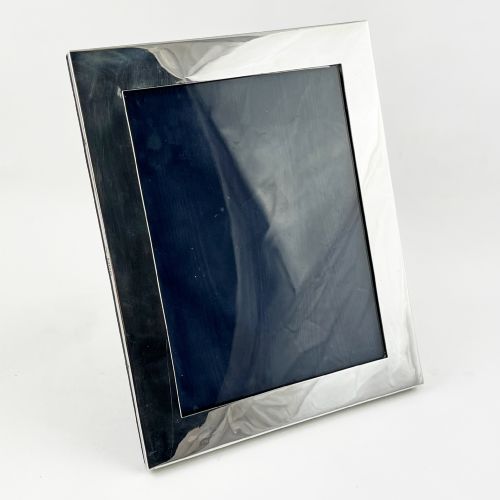
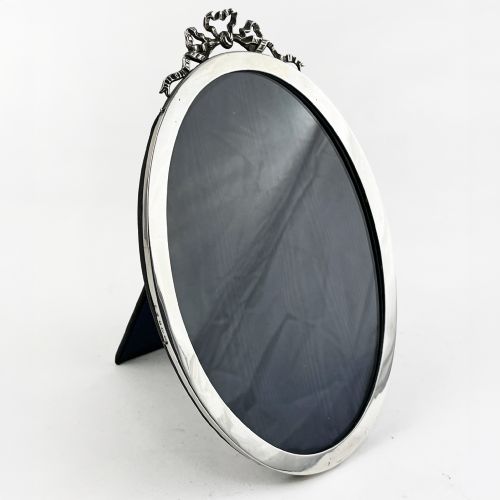
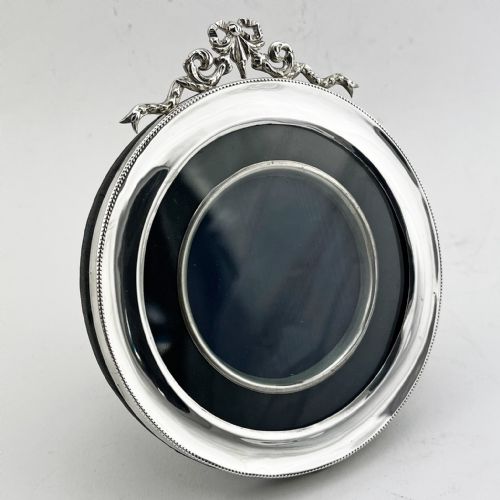
A vintage standing photo frame takes many shapes on this page, spanning simple ovals, rounds, and rectangles alongside heart outlines and novelty forms. Buyers find pieces designed for both portrait and landscape display, often supported by integrated struts or hinged stands at the rear.
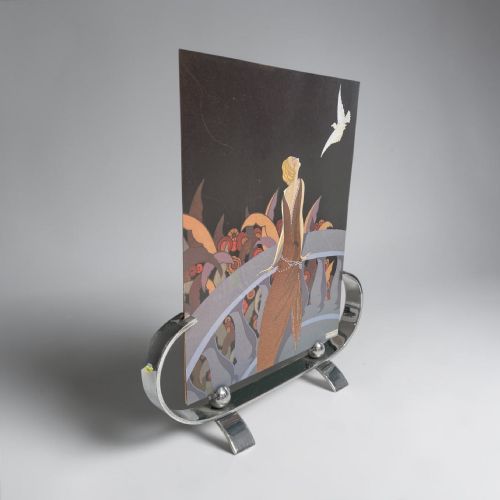
The selection ranges across Victorian, Edwardian, and Art Deco eras, with materials including sterling silver, gilt bronze, brass, wood, and glass. Many examples feature fitted wooden or black leather backs that hold the internal glass securely against the photograph.
Materials and construction
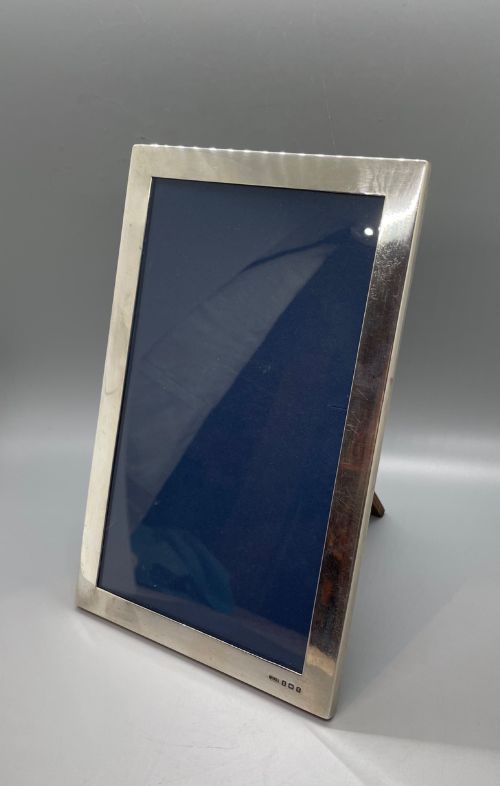
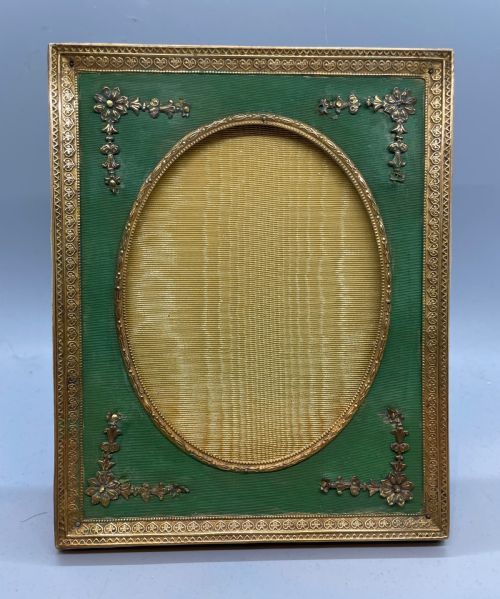
Metals form the core of these objects, utilising sterling silver, ormolu, gilt bronze, and chrome plated finishes worked into elaborate borders. Silversmiths applied embossed floral motifs, plain polished edges, and precise engine-turned patterns directly to the metal surfaces.
Makers integrated glass panels to shield the images, supported by sturdy wooden or leather backing boards. Advanced pieces incorporate hinged struts and paste stone embellishments, whilst cast brass and carved oak introduce heavier textural contrast.
Vintage Standing Photo Frame Retail Price Guide 2026
Typical asking prices for vintage standing photo frame among the pieces listed under this phrase on Sellingantiques today, from the lower quarter to the upper quarter. They describe what is for sale here now, not the wider market.
One exceptional model takes the form of miniature furniture complete with a George III pole screen.
Defining quality in metal and wood
Quality rests on the crispness of the border decoration, whether hand-embossed floral work on silver or finely cast detail in gilt bronze and ormolu. Superior examples display substantial gauge metal and intact, original backing materials rather than later replacements.
The integrity of the structural support matters greatly, distinguishing pieces that stand steadily from those with weakened hinges. Hallmarks on silver frames provide clear evidence of origin and date, adding reassurance to the craftsmanship.
William Comyns·Pinci, Roma·Moseley
The Vintage Standing Photo Frame Glossary
- Sterling silver
- A silver alloy containing 92.5 percent pure silver by mass, widely used in British frame manufacture. It frequently carries hallmarks denoting the assay office and year of production.
- Ormolu
- A gilded bronze application technique popular in French and English decorative objects. It provides a rich gold-coloured surface finish to cast metal frames.
- Engine-turned
- A decorative technique involving precise geometric patterns mechanically engraved into metal surfaces. This method creates a textured, light-catching finish across silver frames.
- Paste stone
- Faceted glass or crystal cut to imitate gemstones and set into metal frames. It adds sparkling colour and decorative flourish to ornate pieces.
- Novelty frame
- A picture frame shaped to resemble an unrelated object, such as miniature furniture. These inventive pieces were popular conversation items in period interiors.
Vintage Standing Photo Frame: Frequently Asked Questions
How do I secure a photo inside?
Most pieces use a removable wooden or leather back panel held by small pivoting metal clips. Lift these tabs gently to slide the glass and photograph into position.
Ensure the glass is clean on both sides before securing the backing board to prevent dust settling over the image.
Can these frames sit horizontally?
Certain designs accommodate both portrait and landscape orientation through clever two-way easel stands. Check the rear hinge mechanism to see if the strut supports alternative angles.
Rectangular frames without square proportions generally function in one fixed direction only.
What metals are most common?
Sterling silver dominates the Edwardian and Victorian selections, often bearing Birmingham or Chester hallmarks. Gilt bronze, brass, and chrome appear frequently across French and Art Deco pieces.
Each metal requires distinct care to maintain its original surface sheen over time.
How do I date an antique frame?
Silver examples carry official hallmarks that reveal the exact assay office and year of manufacture. Stylistic clues like geometric Art Deco lines or flowing Art Nouveau motifs help date unmarked metal and wood pieces.
Backing materials and screw types also offer reliable indicators of period production.