

Vintage Standing Lamp Base
A vintage standing lamp base holds the light aloft in the corner of a room, bringing height and proportion where a table lamp falls short.
Vintage Standing Lamp Base
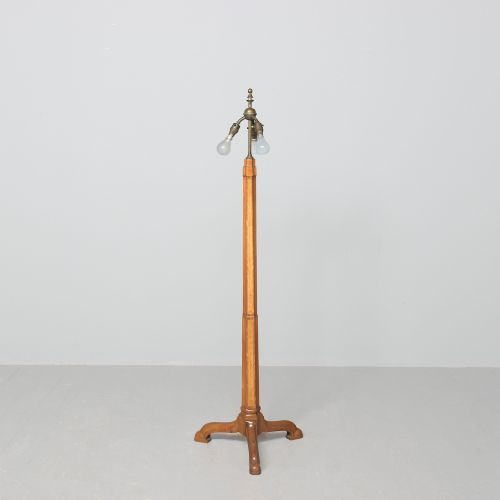
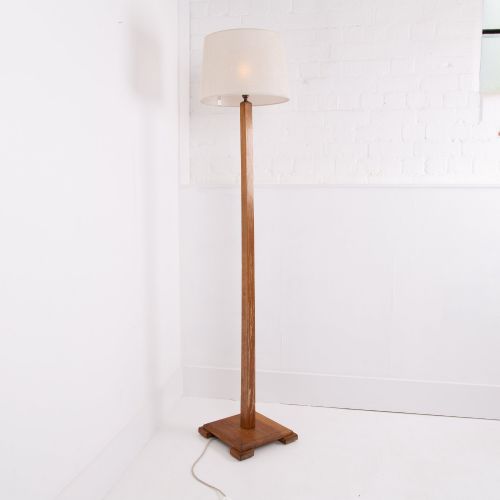
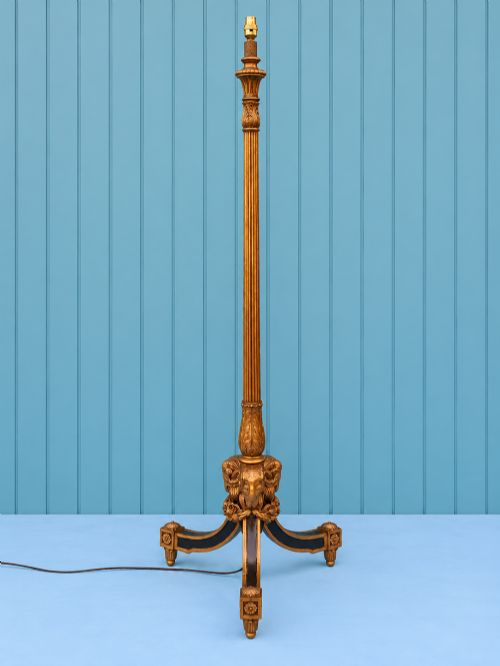
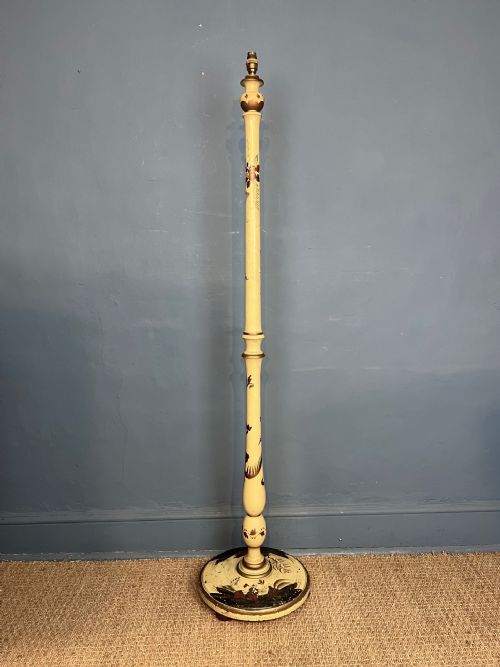
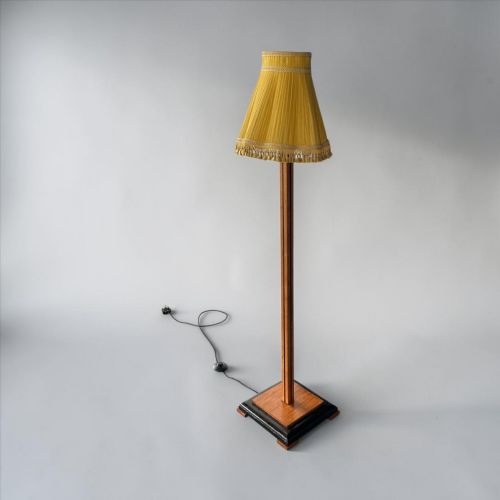
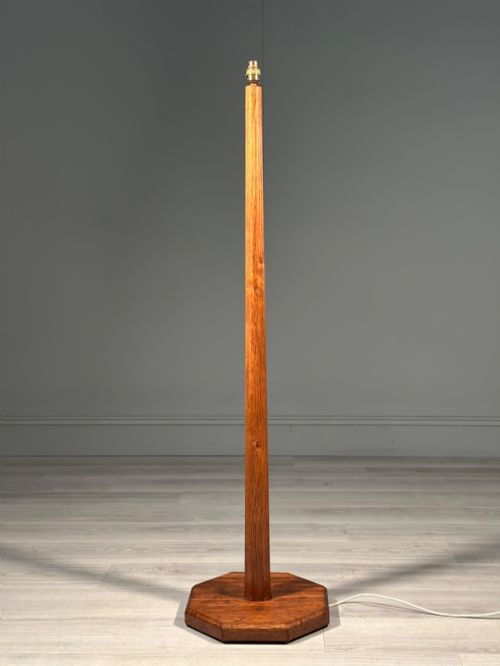
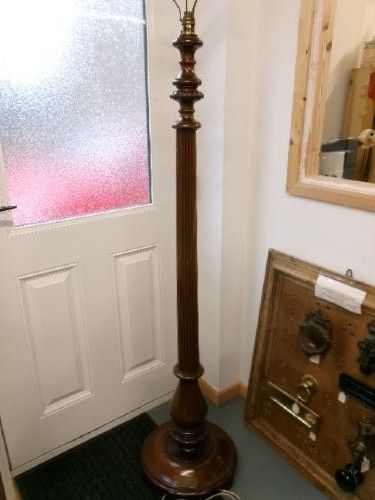
When you search for a vintage standing lamp base, you find vertical supports designed to anchor a light fitting at floor level. These pieces arrive in various forms, from slender turned timber columns to heavy metal standards and combined lamp tables.
The versions you meet most often on this page date from the nineteenth century through the interwar decades. They span styles such as Victorian brass oil lamp conversions, Edwardian turned oak, and bold Art Deco walnut.
Many examples retain adjustable height mechanisms or carry secondary surfaces like side tables. They offer a direct way to introduce period character and vertical illumination into a traditional or modern interior.
Materials and construction of the standards
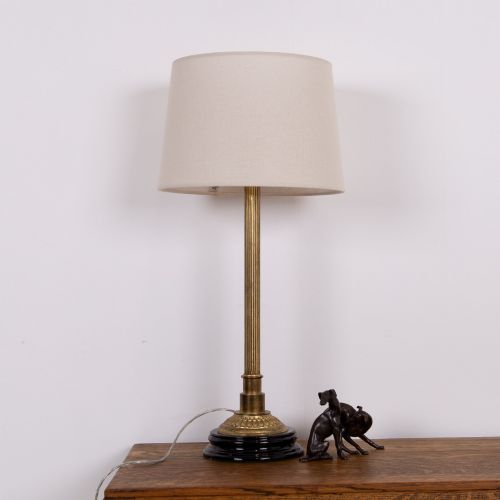
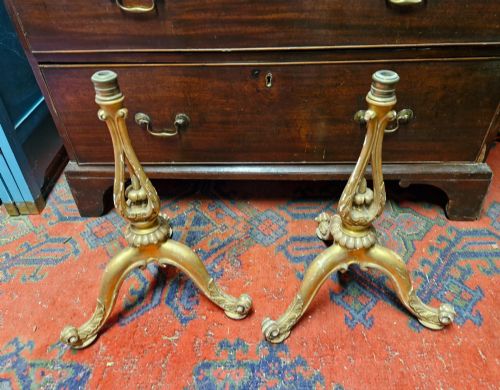
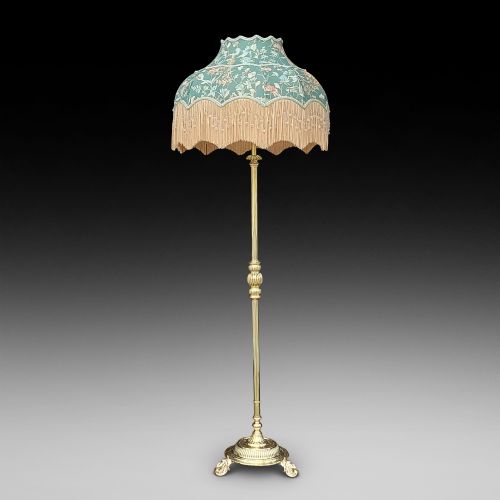
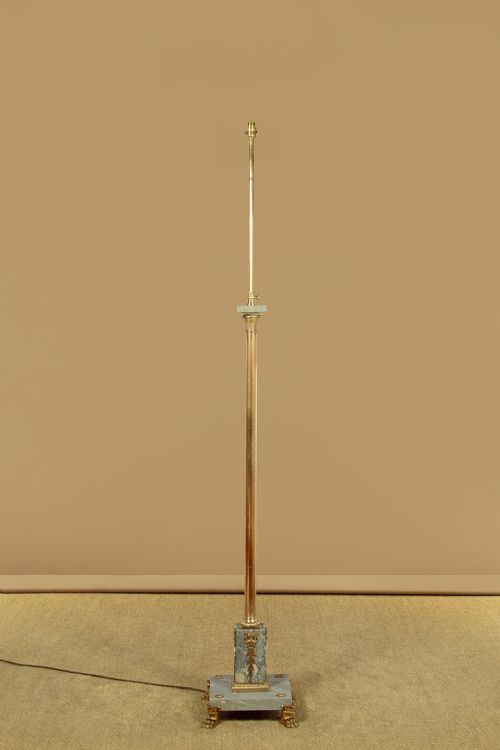
Makers utilised heavy metals including brass, bronze, and gilt metal alongside solid hardwoods such as oak, walnut, and mahogany. Brass components often feature cast floral openwork, Corinthian capitals, or fluted columns designed to catch the light.
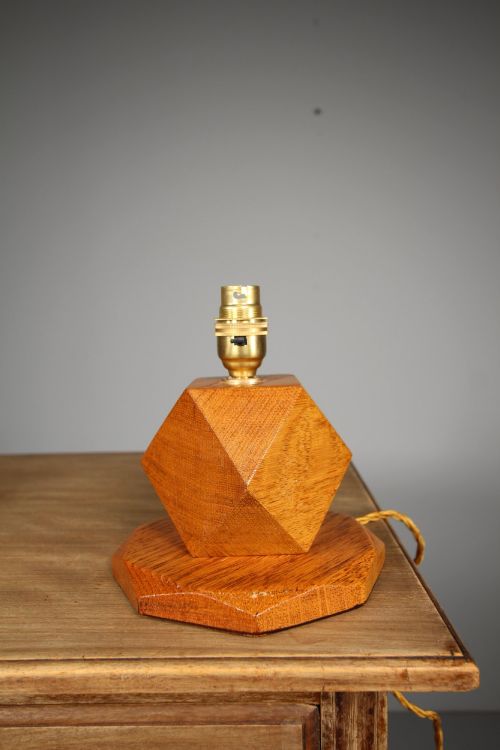
Timber standards display traditional joinery and turning, sometimes paired with marble bases or giltwood accents for added stability and weight. Wrought iron and spelter also appear, particularly in pieces from the Art Deco and Victorian eras.
Vintage Standing Lamp Base Retail Price Guide 2026
Typical asking prices for vintage standing lamp base among the pieces listed under this phrase on Sellingantiques today, from the lower quarter to the upper quarter. They describe what is for sale here now, not the wider market.
Listings feature oak, walnut, mahogany, brass, bronze, marble, and giltwood spanning the Victorian period to the 1930s.
Distinctions in quality across the range
The measure of quality in a standard lamp lies in the substance of its materials and the stability of its foundation. Heavy cast brass bases and dense hardwoods ensure the piece remains balanced when supporting a shade.
Execution of detail separates standard production from finer workshop output. Crisp chasing on metal columns, well-defined wood carving, and robust adjustable fittings indicate superior manufacture.
Heals
The Vintage Standing Lamp Base Glossary
- Standard Lamp
- A tall floor-standing lamp designed to illuminate a room from a vertical post. These items provide ambient light without occupying table space.
- Corinthian Capital
- An ornate column top decorated with acanthus leaves. This classical architectural motif appears frequently on nineteenth and early twentieth century brass standards.
- Spelter
- A zinc alloy cast and patinated to resemble bronze. It was commonly utilised for figurative and decorative elements on Art Deco lamp bases.
- Bouillotte
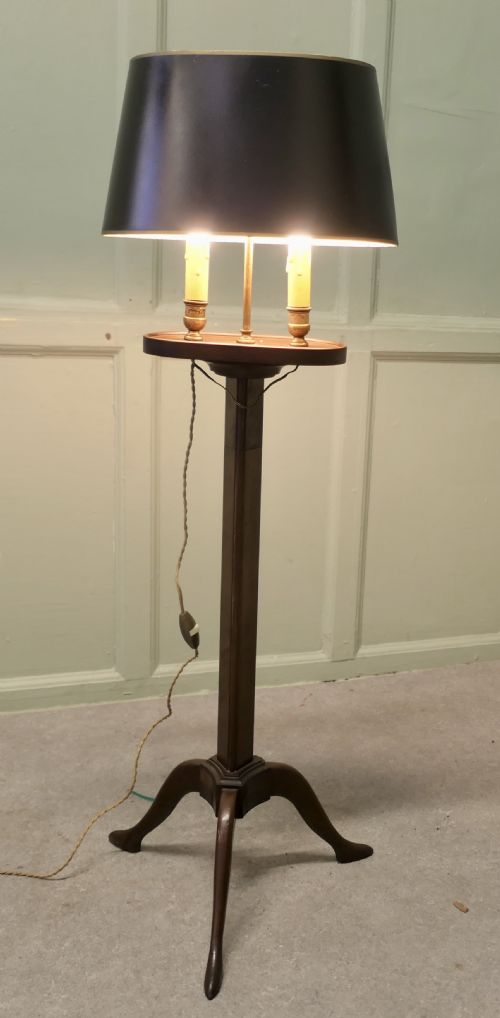
- A traditional French lamp style featuring an adjustable shade on a central vertical rod. They frequently incorporate multiple candle arms or light sources.
- Tripod Base
- A support structure resting on three feet. This arrangement provides steady balance for slender timber or metal floor standards.
Vintage Standing Lamp Base: Frequently Asked Questions
How do I choose the right height?
Consider the ceiling height and the placement of surrounding furniture in your room. Standards with adjustable mechanisms offer flexibility if you need to alter the light level.
Heavier brass and timber columns generally suit larger spaces, whilst slender Edwardian or cottage styles fit modest corners.
Were these originally electric lights?
Many older examples began life as oil lamps or candle standards before conversion to electricity. Brass oil lamp conversions from the Victorian era are common on this page.
Other pieces were built specifically for electrical wiring during the 1920s and 1930s, reflecting the spread of domestic power.
How do I keep the base stable?
Floor standards rely on heavy weighted bases, often cast in iron or brass beneath an outer shell, to prevent tipping. Placing them on even flooring ensures the upright column remains straight.
Tripod legs should be checked periodically to ensure the spread remains uniform and secure.
What styles match period interiors?
Victorian brass columns and heavy oak standards complement traditional rooms with period architectural details. Art Deco walnut and spelter figures suit spaces favouring 1930s geometric lines.
English country and Arts and Crafts pieces pair naturally with plain timber furniture and natural fabrics.