
Vintage Standing Frame
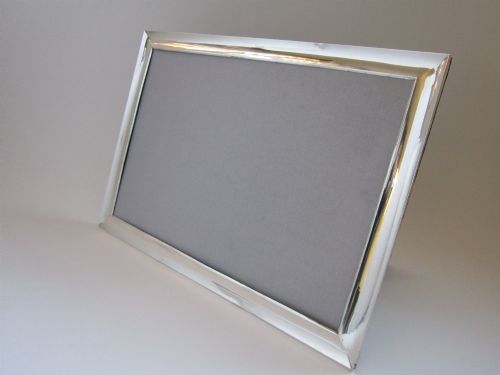
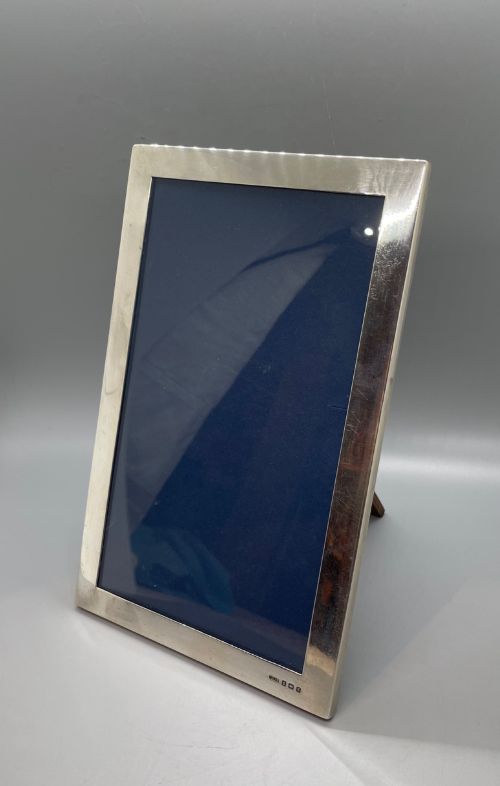
These vintage standing frame examples range from Edwardian sterling silver photo holders to mahogany display easels, prized for desktop or tabletop display.
Vintage Standing Frame
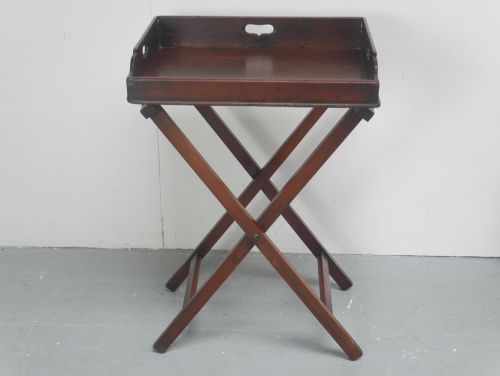
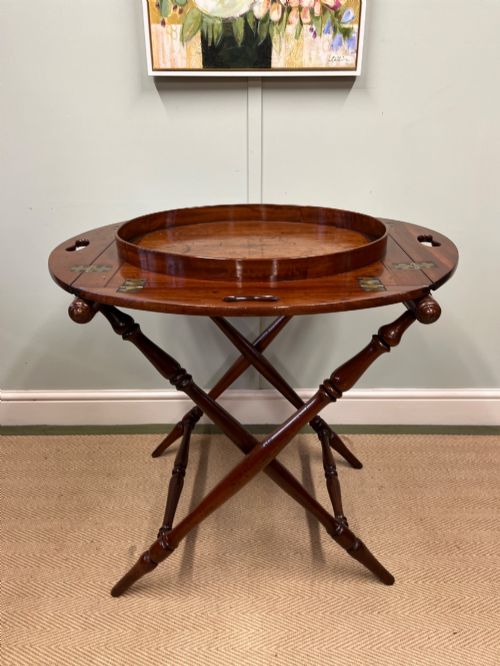
When you search for a vintage standing frame, you are looking at items designed to hold photographs, mirrors, or artwork upright on furniture surfaces. The options span picture frames, photo frames, and table mirrors supported by struts or easel backs.
The selection on this page draws heavily from Edwardian and Victorian periods, alongside earlier nineteenth-century examples. You will encounter materials like sterling silver, brass, and oak functioning as structural supports for glass and portraits.
Materials and construction methods
Makers utilised solid hardwoods such as mahogany and oak alongside cast metals like brass, bronze, and ormolu. Sterling silver and silver plate frequently formed decorative front facades mounted over wooden cores or velvet backs.
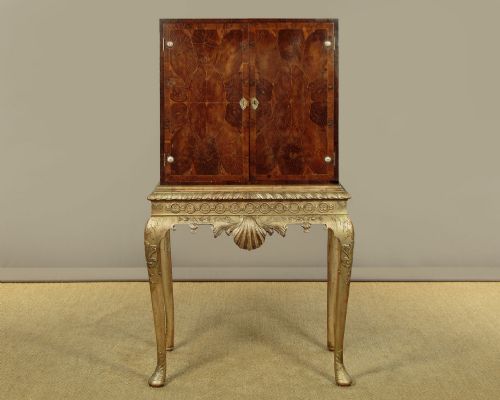
Joinery and casting techniques reflect the period of origin, from carved giltwood and detailed embossing to structural iron and turned wood stands. Glass components often feature cut designs or bevelled edges held securely within metal or wooden rebates.
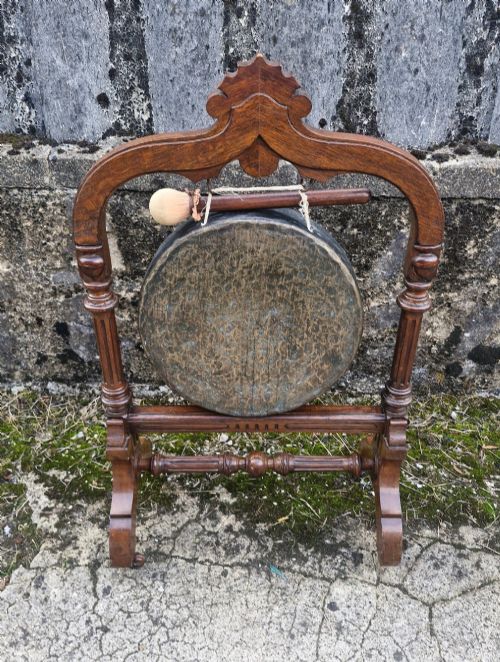
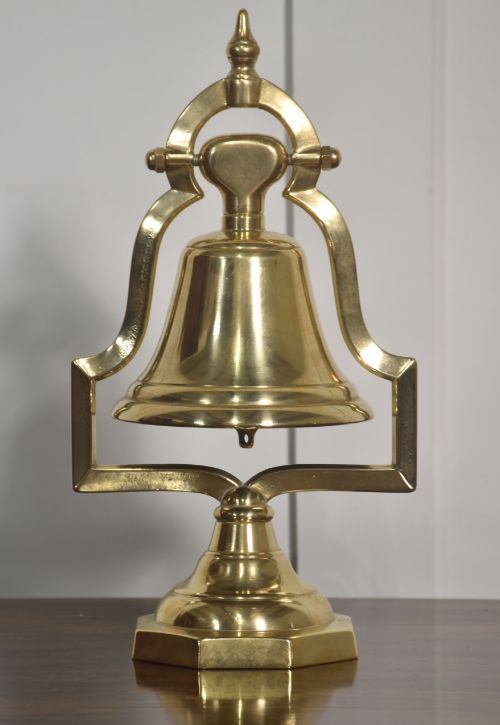
Brass table bells on stands wait patiently to summon afternoon tea.
Factors defining superior craftsmanship
Quality rests upon the crispness of casting detail in metals or the depth of hand-carving in wood. Superior pieces exhibit well-balanced proportions and retain their original structural struts or folding easel backs without sagging.
The integration of materials also dictates standard, where heavy-gauge sterling silver, clean bevelled glass, and intact original backings distinguish finer studio output from ordinary production.
Henry Arthur Roberts·Pinci Roma
The Vintage Standing Frame Glossary
- Strut
- A hinged support attached to the back of a frame that allows it to stand upright on a flat surface. This mechanism is common in portable photograph holders.
- Gilt bronze
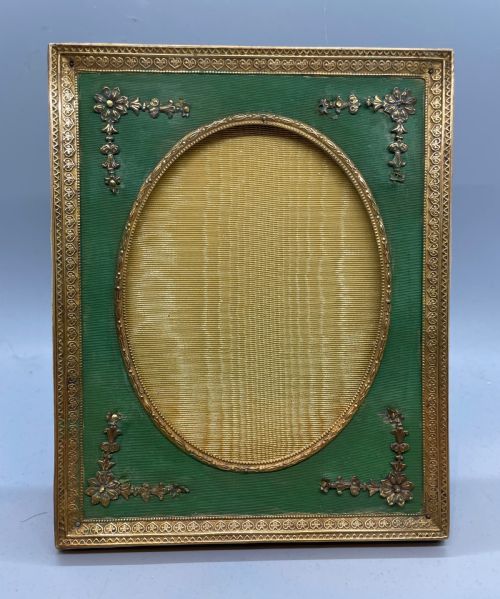
- An alloy treated with a gold finish, frequently utilised for decorative frames during the nineteenth century. It provides a durable metallic sheen.
- Engine-turned
- A decorative technique involving precise geometric patterns mechanically engraved into metal surfaces. This finish appears frequently on Edwardian silver frames.
- Ormolu
- Sub-divided as gilded bronze applied to furniture mounts and decorative frames. The technique produces a rich golden decorative effect.
Vintage Standing Frame: Frequently Asked Questions
How do I identify an Edwardian silver frame?
Edwardian silver frames often display hallmarks corresponding to Birmingham or London assay offices alongside the reigning monarch's standard marks. Look for embossed floral borders and distinctive early twentieth-century design motifs.
Assay dates and maker marks stamped directly into the silver border help confirm the exact decade of manufacture without guesswork.
What is the difference between a photo frame and an easel?
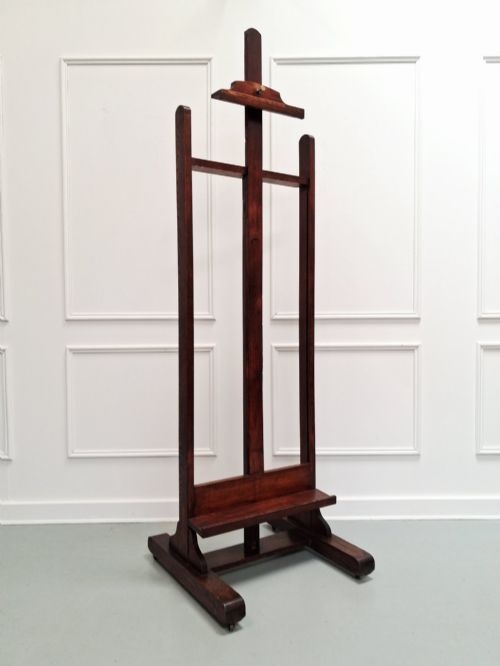
A photograph frame completely encloses a picture behind glass with an integrated back support. An easel operates as an open structural stand designed to display artwork or mirrors.
Easels hold items from the base and middle rather than encasing the entire perimeter within a fixed housing.
Where should I place a table mirror with a stand?
Table mirrors work effectively on dressing chests, side tables, or mantelpieces where natural or artificial light reflects off the glass. They provide functional utility while adding a decorative vertical element to furniture.
Ensure the standing mechanism remains stable on the surface to prevent tipping during daily use.