




Vintage Sports Sculpture
Vintage sports sculpture captures the grit of the field and the grace of the track in bronze, wood, and marble.
Vintage Sports Sculpture
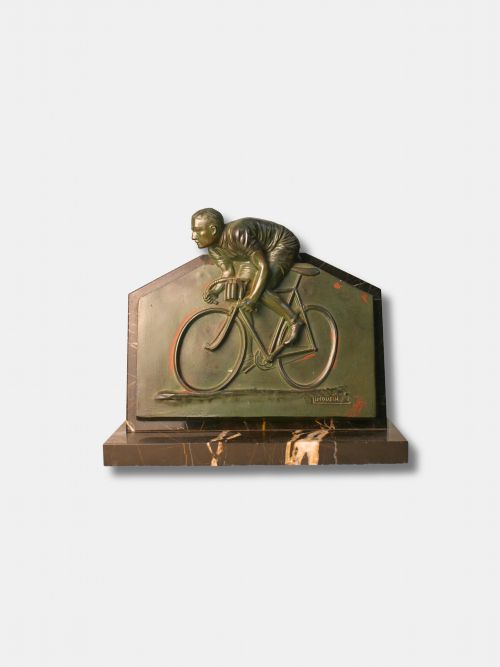
Vintage sports sculpture brings athletic movement into the home through depictions of cyclists, fencers, rugby players, and skiers. These figures capture physical exertion in metal and wood, bridging the gap between fine art and athletic dedication.
The pieces on this page span from the late nineteenth century through the interwar decades of the twentieth century. They include both realistic foundry casts and vernacular carved works intended originally for practical use rather than display.
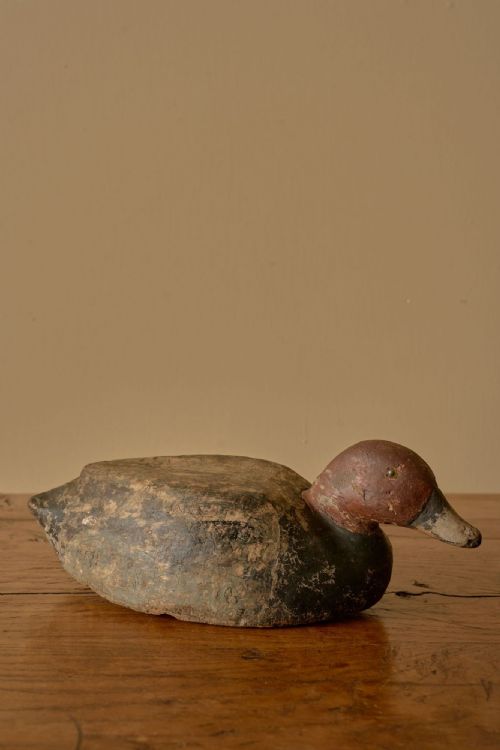
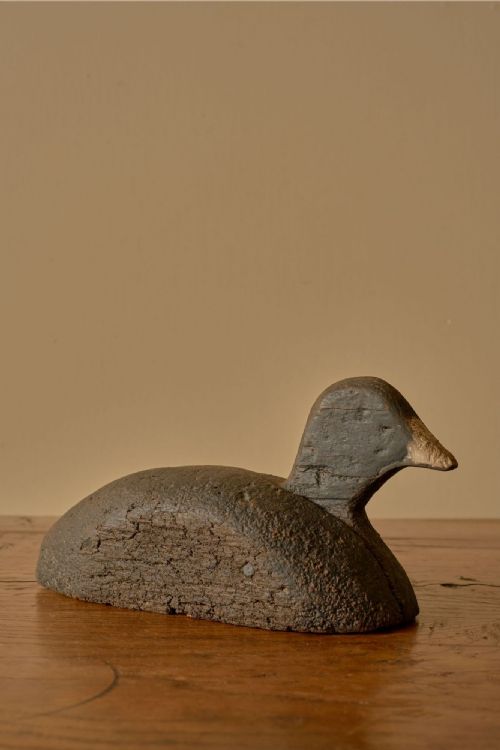
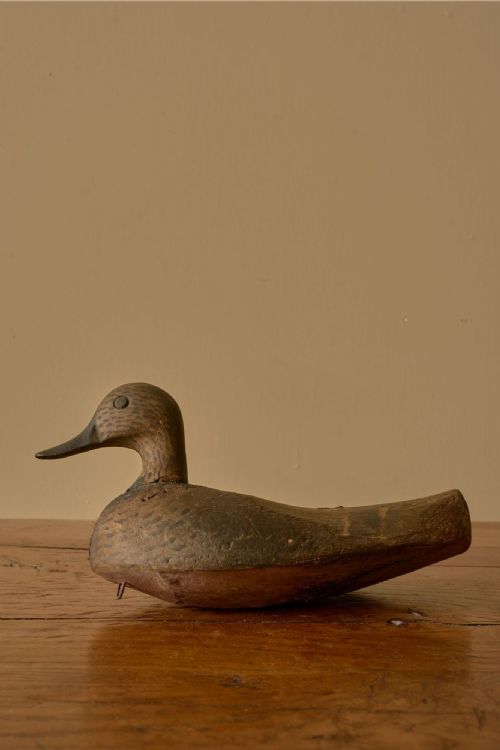
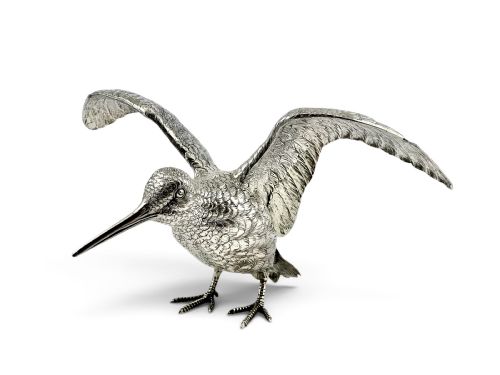
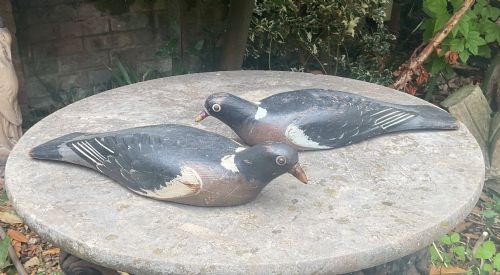
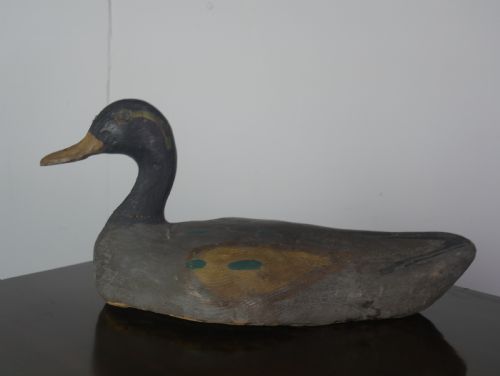
Decoys for ducks, pigeons, and doves form a significant part of the selection alongside human sporting figures. These items reveal a shared intersection between outdoor pursuits and decorative craftsmanship across the Victorian and Edwardian periods.
Materials and construction methods
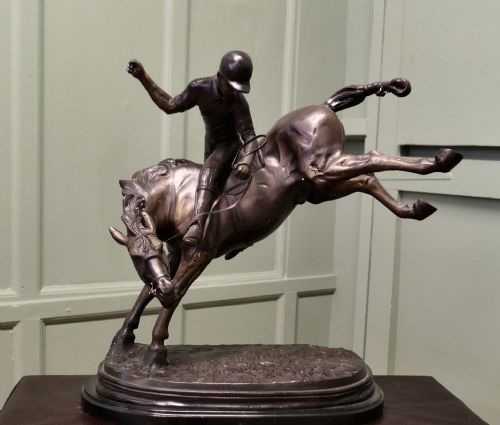
Foundry bronzes and spelter figures rely on traditional casting methods, frequently mounted upon heavy stone bases like marble or onyx. Gilt and painted finishes highlight the metallic surfaces of these athletic subjects.
Wooden objects utilise carved timber, shaped and hand-painted to replicate birds or human players with remarkable fidelity. Artisans employed local woods alongside applied pigments to achieve realistic textures and tones.
Vintage Sports Sculpture Retail Price Guide 2026
Typical asking prices for vintage sports sculpture among the pieces listed under this phrase on Sellingantiques today, from the lower quarter to the upper quarter. They describe what is for sale here now, not the wider market.
Even a humble duck decoy can command a room when carved at life size.
Distinctions in quality
Quality rests in the precision of anatomical detail and the dynamic capture of movement, particularly in how sculptors render strain in a runner or poise in a fencer. Finer works display crisp chasing on metal surfaces and careful hand-painting on wooden decoys.
The choice of plinth and base material also signals ambition, with solid marble or onyx elevating the stature of a metal figure compared to simpler wooden mounts.
L. Gerfaux·Rudolf Küchler·Jules Moigniez·Charlotte Monginot·H Risch
The Vintage Sports Sculpture Glossary
- Animalier
- A term for nineteenth-century art focusing on the realistic portrayal of animals, seen frequently in hound and bird sculptures. This style prioritises naturalistic muscle structure and behaviour.
- Spelter
- An alloy of zinc and lead used as a cheaper alternative to bronze for sculptural figures. It takes patination and paint well but lacks the heavy density of true bronze.
- Decoy
- A carved or moulded object shaped like a bird or animal to attract wildlife during a hunt. Many examples survive with original surface paint intact.
- Patina
- The surface sheen or colour developed on metal or wood over years of handling and exposure. It serves as an indicator of age and original finishing technique.
Vintage Sports Sculpture: Frequently Asked Questions
What sports are depicted in these sculptures?
The subjects range widely, covering cycling, rugby, fencing, skiing, and ice skating alongside hunting dogs and working animals.
Bird decoys also feature prominently, representing traditional pursuits such as pigeon and duck shooting from the nineteenth and early twentieth centuries.
How do bronze and spelter figures differ?
Bronze provides a heavier, more durable metal with a rich capacity for fine detail and deep patination.
Spelter is a softer zinc alloy that offers similar visual weight when finished but requires more careful handling to avoid surface knocks.
Where were these sculptures displayed originally?
Many human figures sat upon mantelpieces, desks, or in clubrooms to commemorate athletic victories and specific sports.
Wooden decoys spent their early lives outdoors in marshes and fields before transitioning into decorative interiors.
How do I care for painted wooden decoys?
Keep painted wooden pieces away from direct sunlight and damp environments to protect the original pigments from flaking or fading.
Dust them gently with a dry cloth without applying modern liquid polishes that might alter the historic finish.