



Vintage Sports Decor
When you search for vintage sports decor, you find tangible pieces of athletic and rural history spanning centuries of craftsmanship.
Vintage Sports Decor
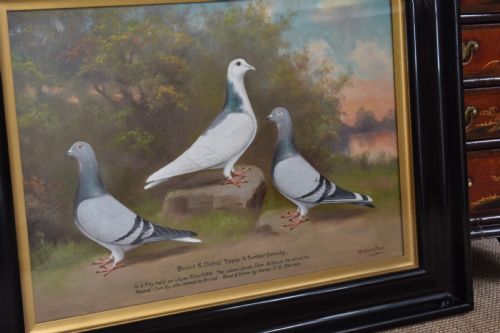
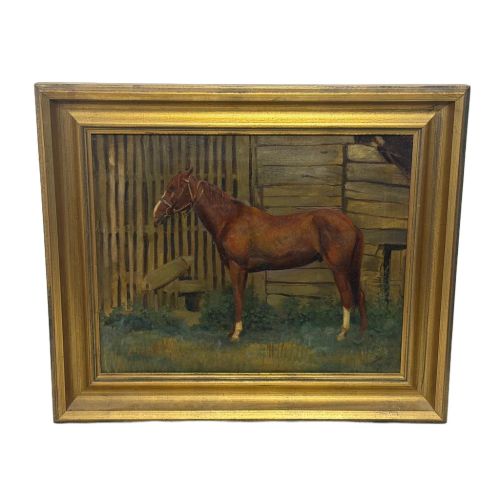
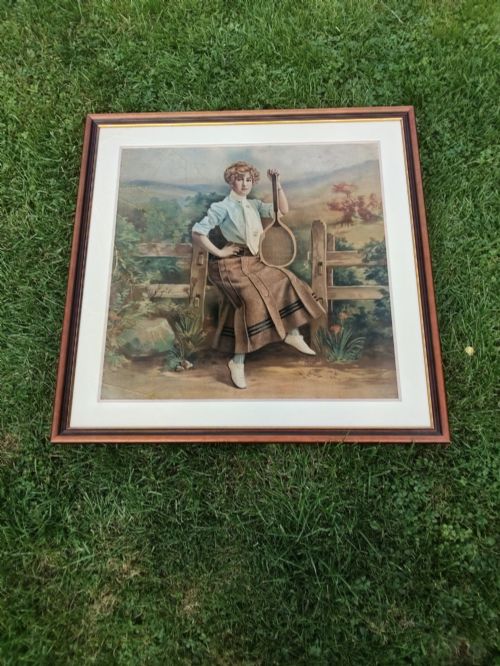
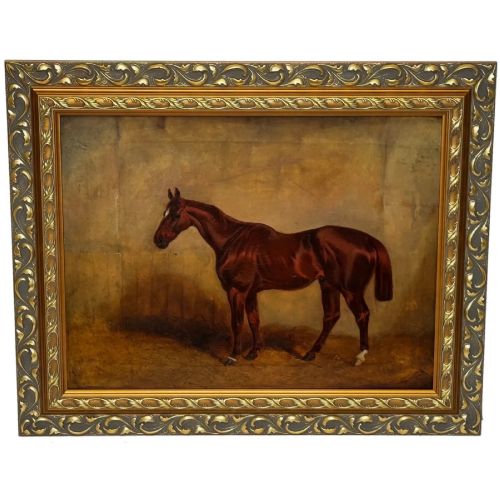
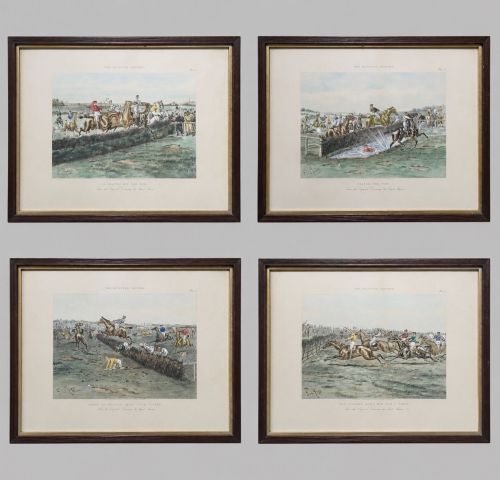
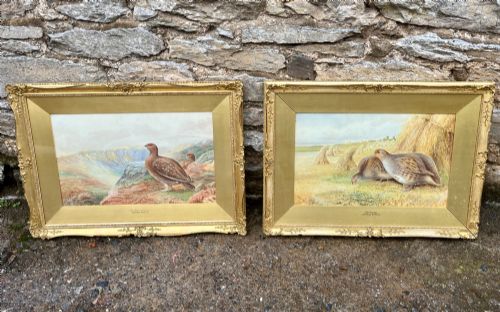
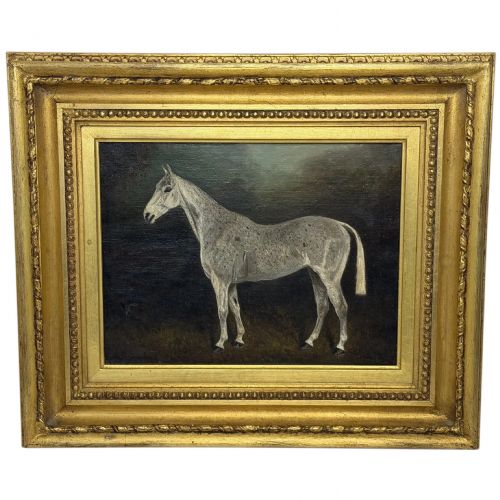
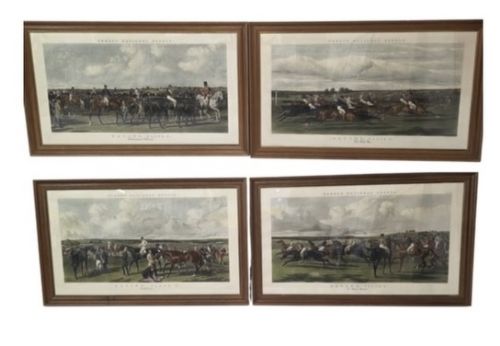
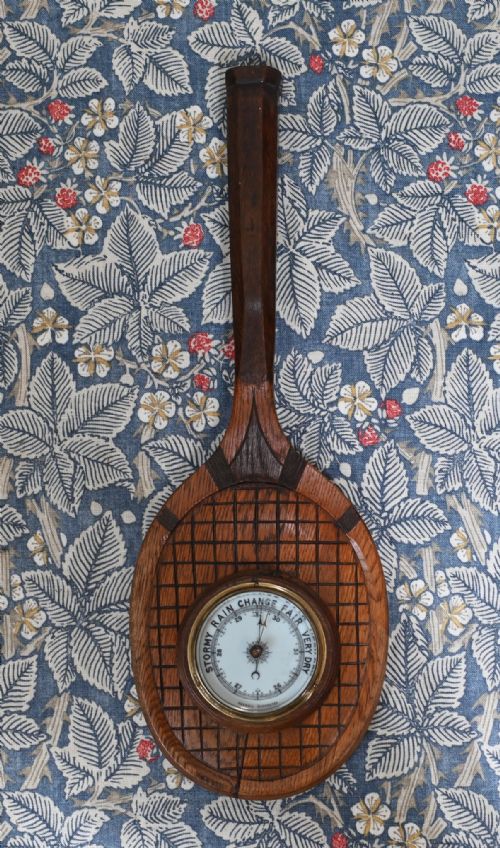
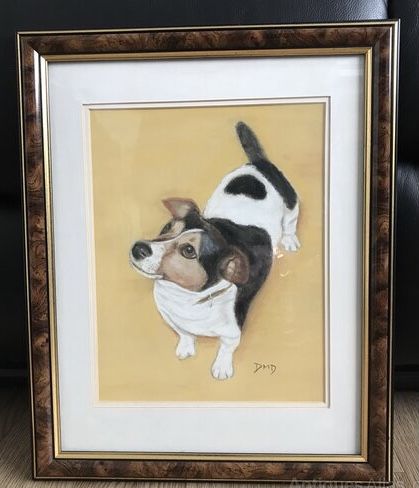
When buyers search for vintage sports decor, they encounter a diverse selection of artworks, equipment, and memorabilia rooted in past pastimes. The pieces available include oil paintings of horses and hounds, framed prints of racing, and taxidermy such as stags' heads and fox masks.
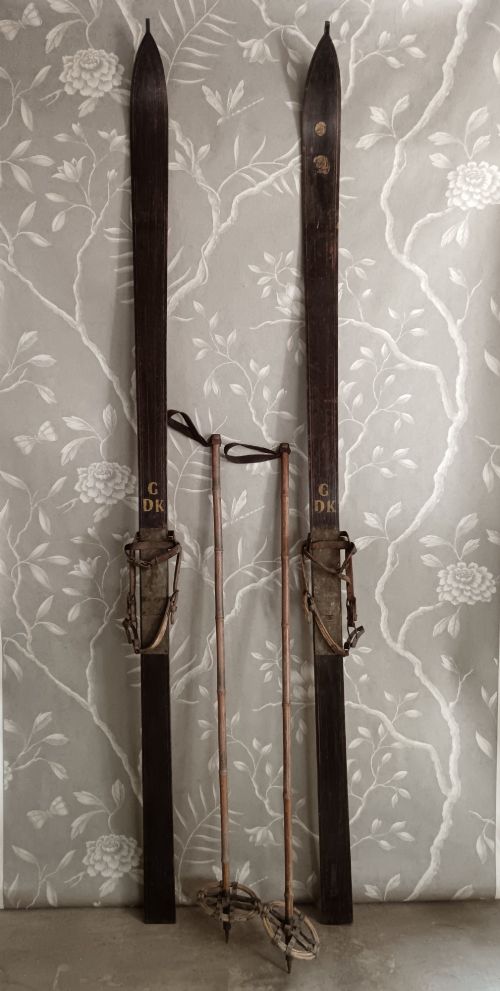
Most items on this page lean heavily toward traditional British pursuits, reflecting centuries of hunting, racing, and field sports. Alongside flat art, buyers meet physical gear like wooden skis, cricket bookends, curling stones, and presentation oars.
The selection ranges across multiple decades and centuries, capturing athletic pursuits from Victorian times through the mid-twentieth century. These objects served functional roles in clubs and homes before becoming collectible decorative pieces.
How they were made
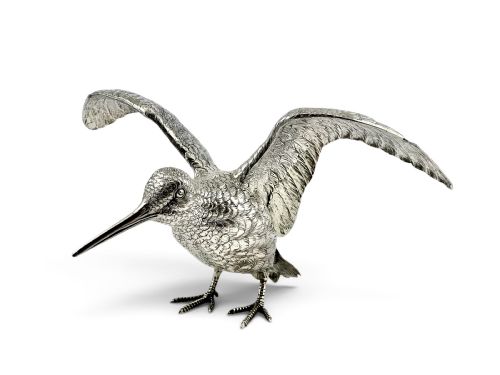
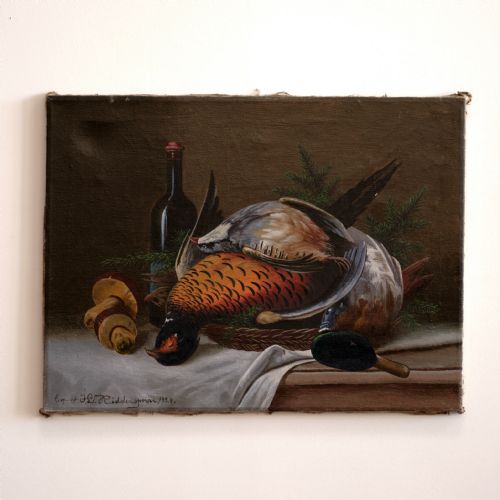
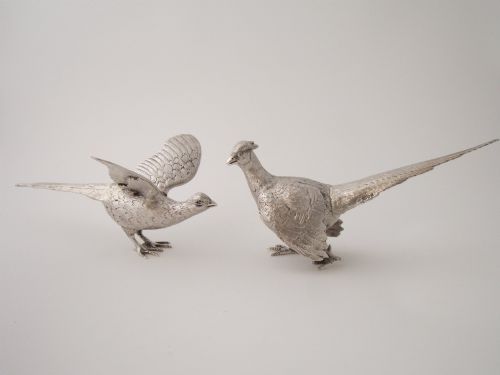
Makers utilised traditional materials suited to both fine art and robust sporting equipment, working primarily in wood, oil paint, canvas, and sterling silver. Canvases and pine panels received layered oils and watercolours, while metals were cast or embossed to render detailed animals and sporting figures.
Wooden items demonstrate traditional carpentry and turning, seen in weighted beech exercise clubs, oak frames, and walnut-framed drawings. Taxidermy mounts required careful preservation techniques to shape pelts and antlers over structured forms.
Vintage Sports Decor Retail Price Guide 2026
Typical asking prices for vintage sports decor among the pieces listed under this phrase on Sellingantiques today, from the lower quarter to the upper quarter. They describe what is for sale here now, not the wider market.
Listings feature works in oil paint, watercolour, pastel, and chalk, alongside physical artefacts like wooden skis, curling stones, and silver menu holders.
What varies in quality
Quality rests heavily on the fidelity of execution in paintings and prints, distinguishing accomplished hand-rendered brushwork from mass-produced decorative work. Signed canvases and pieces attributed to known sporting artists carry distinct artistic merit that elevates them above standard illustrative items.
The integrity of materials also dictates the standing of physical equipment and taxidermy. Original finishes on wooden bats, skis, and scoreboards, alongside expert taxidermy preservation, separate well-maintained historic survivals from heavily altered examples.
George Finch Mason·L.H. Hagen and Co·George Rankin·Cecil Charles Windsor Aldin·Thornton Smith Co·Peter Spicer and Sons·Orme and Sons Manchester
The Vintage Sports Decor Glossary
- Aquatint
- An intaglio printmaking technique that produces areas of tone resembling watercolours. This method allowed artists to achieve subtle tonal gradations for sporting prints.
- Taxidermy
- The art of preserving and mounting animal skins to display lifelike forms. Historic mounts often include mammalian specimens like foxes, stags, and roe deer.
- Curling stone
- A heavy granite block fitted with a handle, used in the Scottish winter sport of curling on ice. Pairs of these stones frequently survive as decorative hearth or hallway objects.
- Presentation oar
- A wooden blade inscribed to commemorate a rowing victory or club event. These items often feature painted university or club crests.
- Snooker scoreboard
- A wall-mounted wooden board utilised for tracking points during cue sports. Elaborate versions feature sliding markers and brass indicators.
Vintage Sports Decor: Frequently Asked Questions
What periods do these pieces cover?
The items span from the eighteenth century through the Victorian and Edwardian eras into the mid-twentieth century. This timeline captures shifts in both athletic equipment design and sporting art.
Most pieces cluster around the nineteenth and early twentieth centuries, reflecting the growth of organised sports and rural club life during those periods.
How were sporting paintings used originally?
Paintings of hunt scenes, racehorses, and dogs typically hung in country houses, estate libraries, and gentlemen's clubs. They celebrated specific victories, favourite animals, and local packs.
Works ranged from detailed oil portraits of prize mares to dynamic watercolours capturing game birds in flight.
Are the items of equipment functional?
While many pieces like curling stones, wooden skis, and exercise clubs were built for actual use, their age and condition often make them better suited for display. They bring genuine athletic history into modern interiors.
Items such as snooker scoreboards and presentation oars retain their mechanical or structural integrity but function primarily as wall art.
How do I identify a taxidermy piece?
Taxidermy listings on this page include mounted stags' heads, roe deer, and fox masks preserved by period specialists. The mounts reflect the hunting culture of the nineteenth and early twentieth centuries.
Examination of the backing boards and mounting techniques often reveals the work of established preservation workshops from the era.