





Vintage Spirit Pitcher
These vintage spirit pitcher examples range from Georgian cut glass claret jugs to Victorian pewter measures, offering both practical vessels and historical display pieces.
Vintage Spirit Pitcher
When you search for a vintage spirit pitcher, you encounter a diverse array of liquid containers spanning the Georgian, Victorian, and Edwardian periods. These objects function primarily as serving vessels, decanters, claret jugs, and capacity measures designed for holding alcohol.
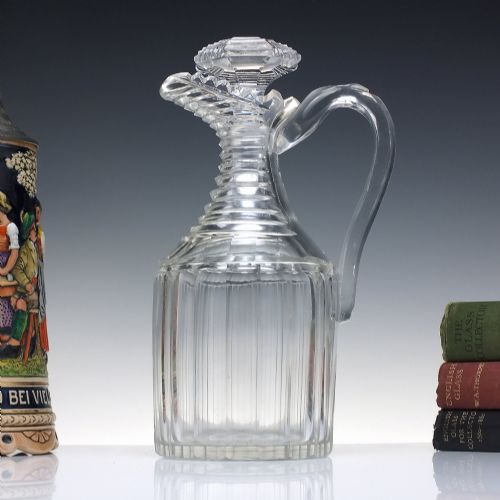
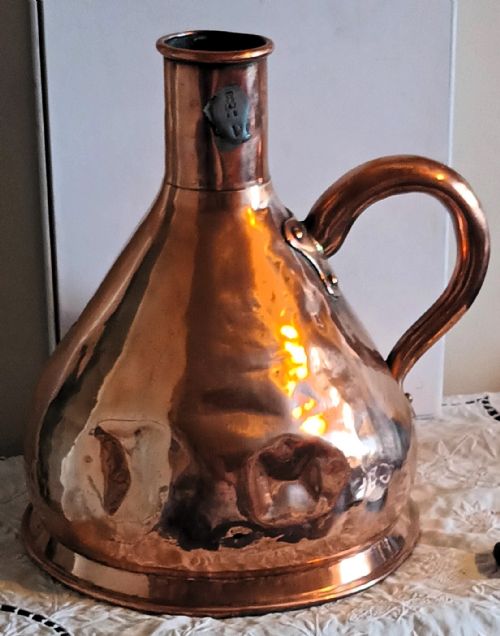
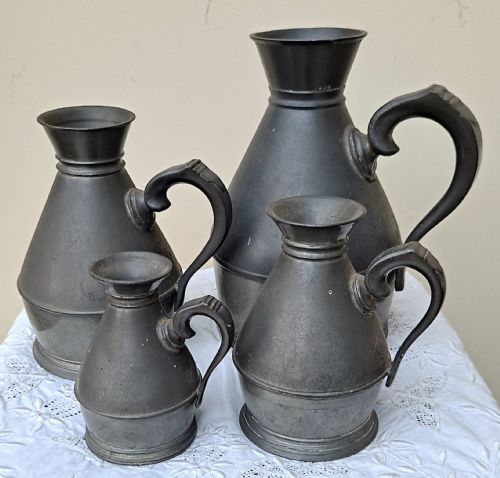
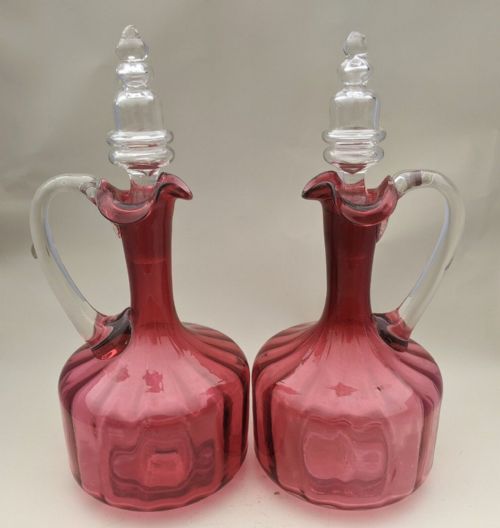
The selections on this page encompass various forms such as copper one-gallon measures, Irish pewter haystack sets, silver-mounted whisky jugs, and ornate glass ewers. They originate from British, Irish, Scottish, French, and continental workshops, reflecting centuries of drinking customs.
How they were made
Metal vessels like the copper and pewter measures rely on traditional casting and hammering techniques, often featuring soldered seams and applied handles. Makers shaped these durable materials to withstand daily service in domestic and tavern settings.
Glass pieces utilise blowing, cutting, and moulding methods, resulting in clear, cut, amber, or cranberry surfaces. Silver mounts and labels provide decorative and functional accents to the glass bodies.
Vintage Spirit Pitcher Retail Price Guide 2026
Typical asking prices for vintage spirit pitcher among the pieces listed under this phrase on Sellingantiques today, from the lower quarter to the upper quarter. They describe what is for sale here now, not the wider market.
Periods represented include Georgian, Victorian, and Edwardian, alongside specific dates like 1780, 1800, 1815, 1880, 1906, and 1910.
What varies in quality
The calibre of metalwork depends on the weight of the pewter or copper used and the crispness of any cast crests or capacity marks. Substantial gauge metal and clean solder joints elevate the standing of a measure.
In glass decanters and jugs, excellence shows in the depth and precision of the cutting, the clarity of the material, and the integration of any silver mounts. Maker signatures and undamaged spouts or handles distinguish finer examples.
J Bower
The Vintage Spirit Pitcher Glossary
- Haystack measure
- A distinctively shaped Irish or English liquid measure featuring a bulbous body and a tapered neck resembling a hayrick. These metal vessels were utilised for commercial and domestic capacity.
- Tappit hen
- A traditional Scottish pewter jug with a lid, typically associated with specific volume capacities like the Scots pint. These pieces hold significant historical value for collectors of antique metalware.
- Claret jug
- A specialised pouring vessel designed for wine, frequently executed in cut glass or crystal with sterling silver mounts and hinged lids. They date prominently through the Victorian and Edwardian eras.
- Noggin
- A small historical measure of liquid capacity or the small jug used to serve a single portion of whisky or spirits. Surviving examples often appear in pewter or glass.
- Lead crystal
- A high-clarity glass incorporating lead oxide, which increases the weight, brilliance, and ring of the material. It allows for deep, sharp wheel-cutting.
Vintage Spirit Pitcher: Frequently Asked Questions
What is a spirit pitcher?
A spirit pitcher is a container used for holding and serving alcoholic drinks, encompassing styles like claret jugs, whisky noggins, and tavern measures. They bridge the gap between functional barware and decorative tabletop objects.
These vessels evolved alongside changing social habits and drinking preferences across the Georgian and Victorian periods. Today, they serve both as functional decanting tools and historical decorative accents.
How do I date a pewter measure?
Dating pewter involves examining the form, capacity marks, touchmarks, and construction methods. Styles like the Scottish tappit hen or Irish haystack follow distinct evolutionary timelines.
Local capacity stamps and maker touchmarks often provide concrete clues to the decade and region of origin. Comparing the heft and handle attachment style further aids in period identification.
How were copper measures used?
Copper measures acted as standard volume containers for liquids such as ale, cider, and spirits in domestic and commercial taverns. Their robust construction allowed them to endure frequent handling and pouring.
Over time, these large measures transitioned from utilitarian pub equipment to decorative display items. Their warm metal tones complement traditional and rustic interiors.
What is the difference between a decanter and a jug?
Decanters generally feature stoppers and are designed for storing and serving wine or spirits directly to the table. Jugs incorporate integrated spouts and handles for immediate pouring.
Many antique pieces blur these lines, such as claret jugs equipped with hinged lids and glass bodies. Both forms showcase the craftsmanship of glassblowers and metalworkers from the nineteenth century.