



Vintage Spirit Cups
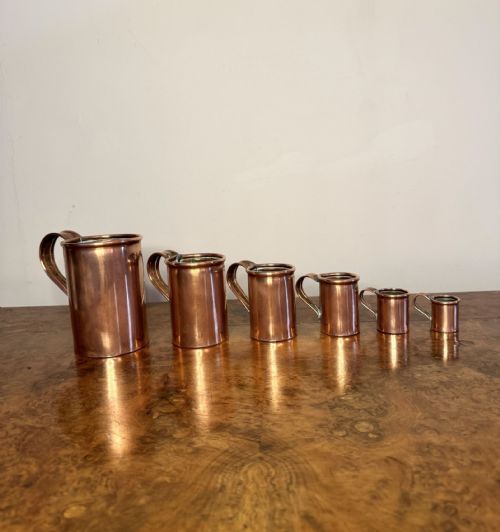
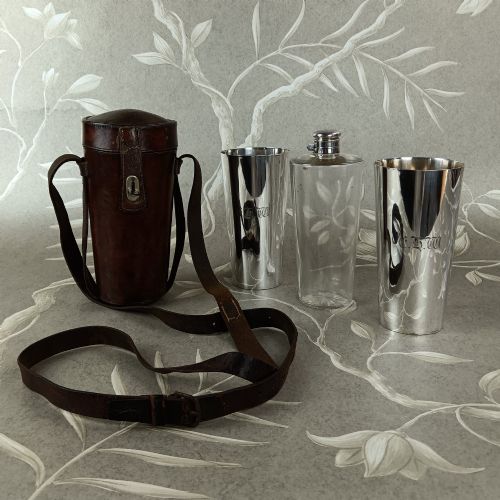
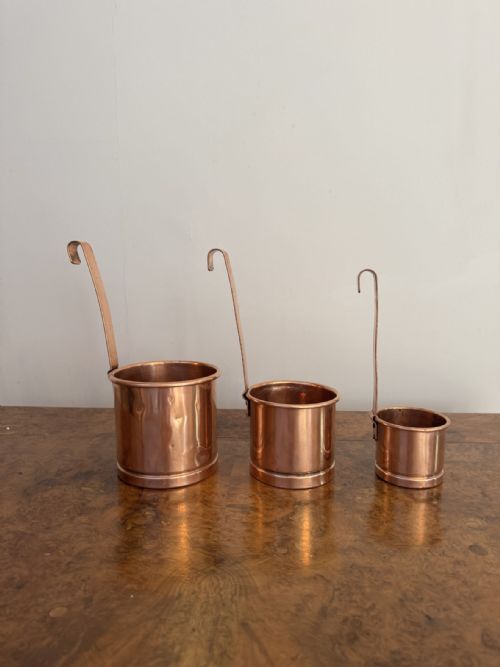
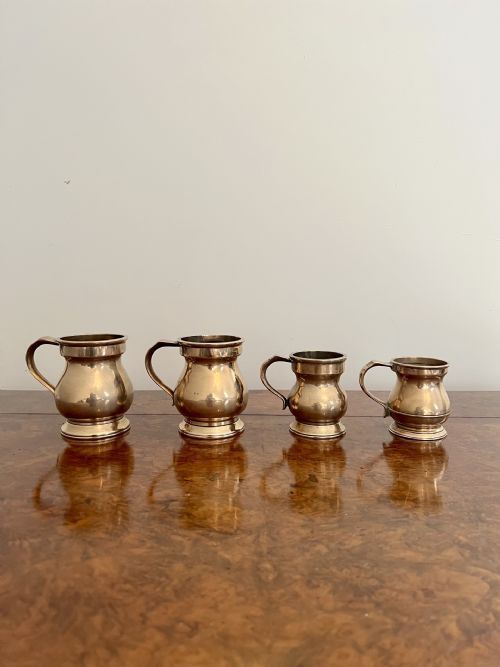
These vintage spirit cups range from pocket-sized silver flasks and travel beakers to copper measures and barware.
Vintage Spirit Cups
When you search for vintage spirit cups, you encounter a varied assortment of portable drinking vessels and barware designed for carrying or serving alcohol. The selection spans the Victorian, Edwardian, and Art Deco eras, reaching into the mid-century.
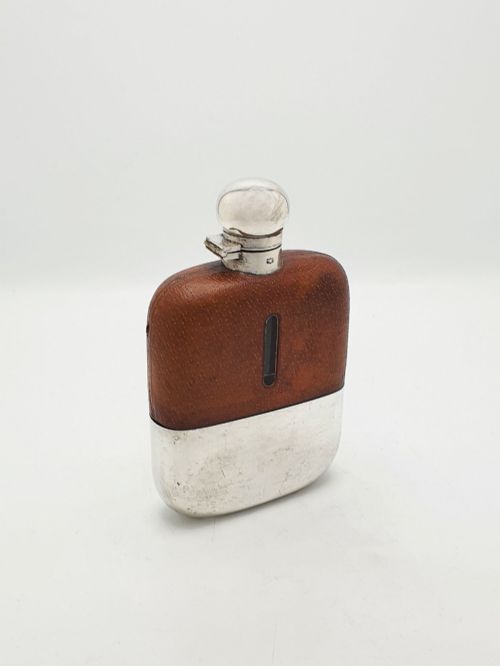
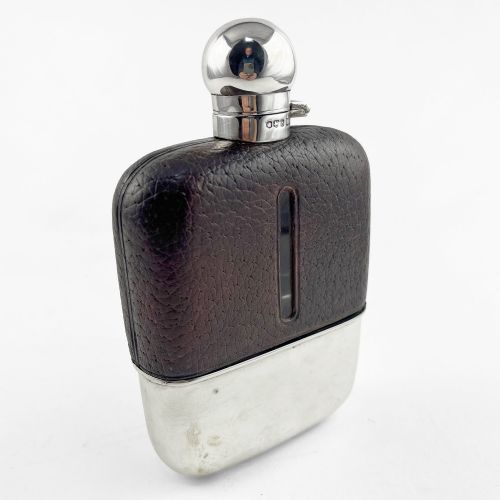
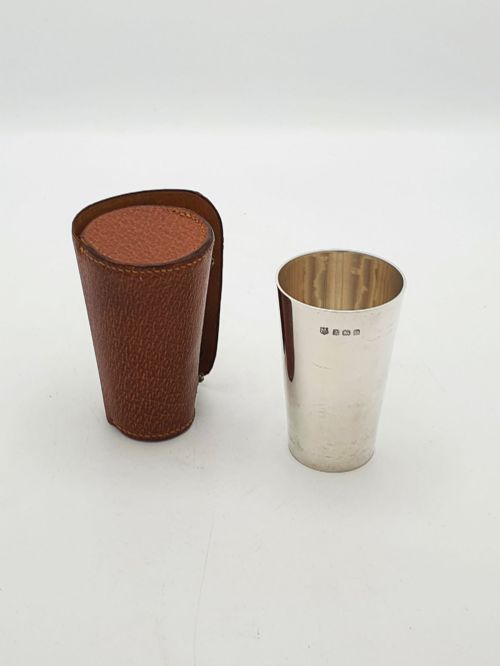
Pocket hip flasks form a large part of this category, often paired with glass bodies, removable cups, or protective leather and crocodile skin coverings. Alongside these sit travel beakers, spirit sets, cocktail shakers, quaich cups, and sets of copper measures or tankards dating back to the mid-nineteenth century.
Makers such as James Dixon and Sons and Asprey London appear frequently among the sterling silver and silver-plated items. These pieces reflect historical drinking habits, from field campaigns and hunting trips to domestic bar use.
How they were made
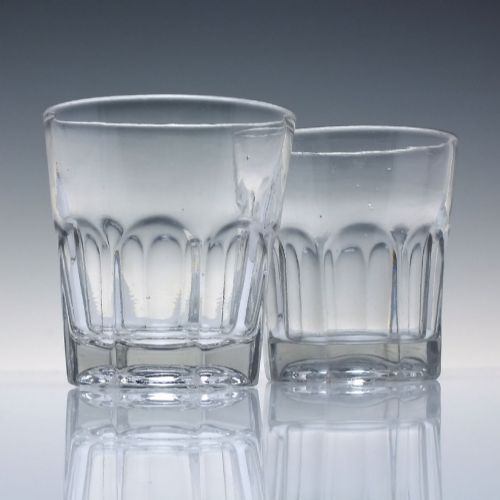
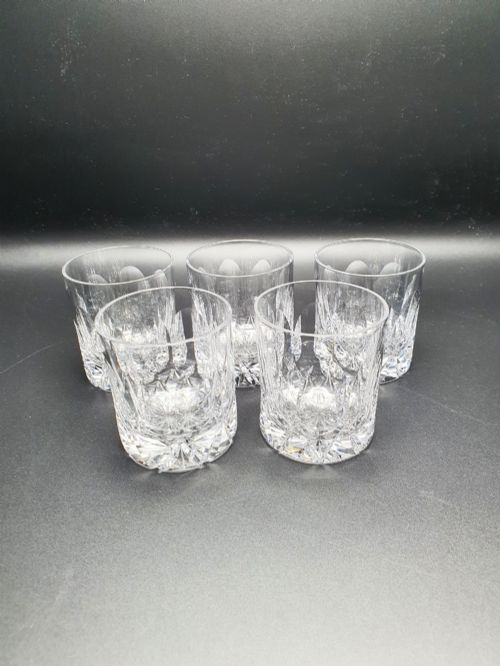
Metals dominate this group, with sterling silver, silver plate, copper, and silver gilt providing structural durability and refined finishes. Glass and cut glass are frequently combined with metal mounts in flasks and dispensers to allow visibility of the contents.
Organic textures are introduced through the use of leather, crocodile leather, and crocodile skin wrapped securely around metal bodies. Artisans utilised hammering techniques, chased details, and fitted removable cups to create functional items for travel and hospitality.
Vintage Spirit Cups Retail Price Guide 2026
Typical asking prices for vintage spirit cups among the pieces listed under this phrase on Sellingantiques today, from the lower quarter to the upper quarter. They describe what is for sale here now, not the wider market.
Hunters and travellers relied on these pocket-sized vessels to keep their spirits high, proving that portable hospitality is a very old tradition.
What varies in quality
The standard of materials and the integrity of construction dictate the distinction between simpler domestic items and finer creations. Sterling silver and silver gilt examples from established makers show superior weight, refined chasing, and precise engineering in components like screw caps and collapsible cups.
The preservation of original leather and crocodile skin coverings, alongside clear hallmarks indicating assay offices and dates, elevates an object. Sets remain more desirable when complete, whether comprising matched copper tankard measures, frosted crystal barrel dispensers, or boxed shot glasses.
James Dixon And Sons·Asprey London·Maison Barra·W A Ellwick Ltd
The Vintage Spirit Cups Glossary
- Hip Flask
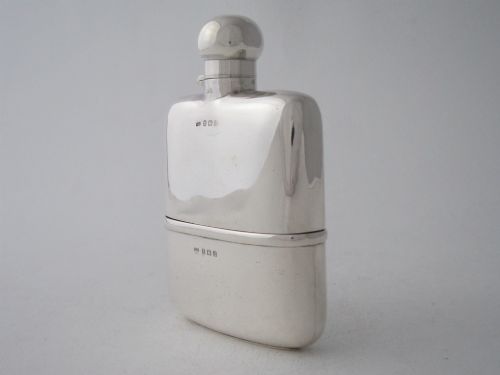
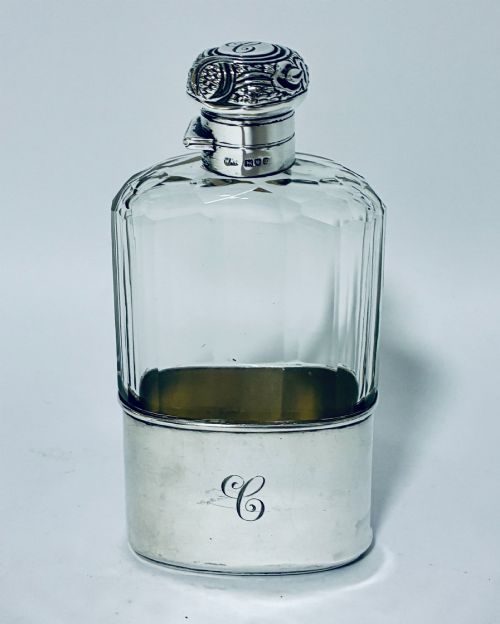
- A pocket-sized container designed for holding liquor, frequently featuring a captive or screw cap and a detachable lower cup. These often incorporate glass bodies protected by leather or metal casings.
- Quaich
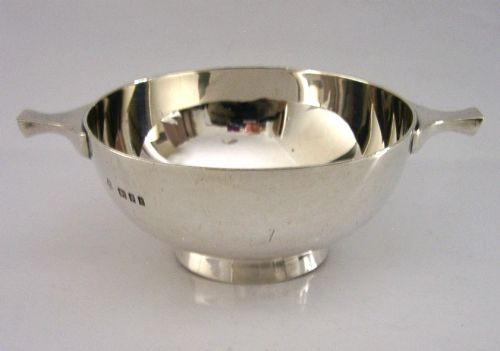
- A traditional Scottish two-handled drinking vessel, represented here in solid sterling silver for barware use. It is shaped as a shallow bowl with flat handles known as lugs.
- Silver Gilt
- Silver that has been coated with a thin layer of gold on its surface, often applied to the interior of drinking vessels and cups. This technique prevents the metal from reacting with alcohol.
- Tankard Measure
- A cylindrical vessel used for measuring or serving liquids, commonly found in sets made from copper or silver plate. They feature sturdy handles for pouring and lifting.
Vintage Spirit Cups: Frequently Asked Questions
What is a spirit flask?
A spirit flask is a portable container built to carry liquor safely in a pocket or bag. They were widely used during outdoor pursuits like hunting and field campaigns.
Most examples feature secure screw caps to prevent leaks, and many include removable cups attached to the base for drinking convenience.
How do I date a silver flask?
Silver flasks are typically dated by examining the hallmarks stamped into the metal by an assay office. These marks reveal the year of manufacture, the city of testing, and the maker's mark.
Stylistic cues such as Art Deco geometric lines or Victorian chased decoration also help narrow down the period.
Were leather cases original?
Leather and crocodile skin coverings were often fitted to flasks and beakers during production to improve grip and protect the metal underneath. These cases are usually integral to the piece rather than later additions.
They reflect the travel-friendly nature of Edwardian and Victorian barware.
How do I clean antique silver?
Antique silver requires gentle maintenance using a soft cloth and specialised silver polish to preserve the original finish and hallmarks. Avoid harsh abrasives that can wear away thin silver plating or damage gilt interiors.
Regular, careful dusting helps maintain the lustre without harming the metal.